
TL;DR:
- Proper winterization improves energy efficiency, reduces breakdowns, and enhances indoor air quality.
- Sealing ducts, changing filters, and scheduling professional inspections are essential steps before cold weather.
- Skipping HVAC winter prep increases risks of system failure, higher bills, and indoor pollution.
When Kansas City homeowners seal up their homes for winter, indoor air can become 2 to 5 times more polluted than the air outside. Most people focus on heating bills and staying warm, but the connection between HVAC winterization and your family’s health is just as important. A properly prepared system keeps your furnace running efficiently, your energy costs in check, and the air your family breathes clean and safe. This guide walks you through exactly what winterization means, why it matters for Kansas City homes specifically, and the practical steps you can take right now before the cold hits hard.
Guide to Winterizing Your HVAC: Overview
- What does it mean to winterize your HVAC system?
- Benefits of winterizing your HVAC system
- Risks and consequences of skipping winterization
- Step-by-step HVAC winterization checklist for Kansas City homes
- Why most HVAC winterization advice misses the air quality problem
- Get professional help to winterize your HVAC system
- Frequently asked questions
Key Takeaways
| Point | Details |
|---|---|
| Winterizing improves air quality | Sealing up for cold weather increases indoor pollutants unless filters are upgraded. |
| Prevents costly breakdowns | Proactive maintenance reduces the chance of HVAC failures in Kansas City winters. |
| Boosts comfort and savings | Efficient HVAC systems save on energy bills and maintain reliable warmth. |
| Professional help is best | Expert winterization ensures all issues are addressed for safe and efficient operation. |
What does it mean to winterize your HVAC system?
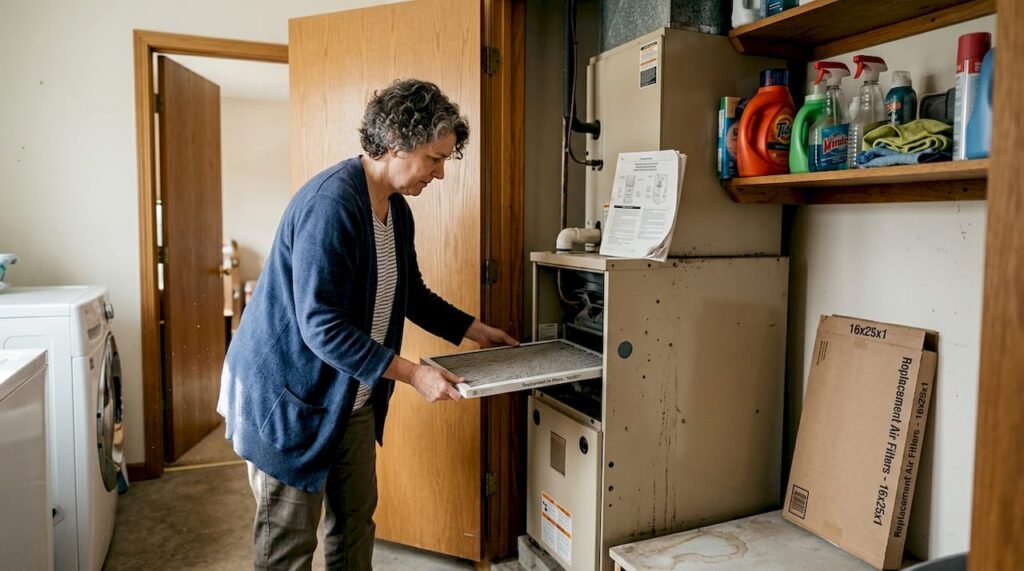
Winterizing your HVAC system means preparing it to handle cold weather reliably, efficiently, and safely before temperatures drop. It is not just one task. It is a series of targeted steps that work together to reduce breakdown risks and keep your system running at its best all season long.
For a typical Kansas City home, seasonal HVAC maintenance steps include the following:
- Replace or upgrade your air filter. A dirty filter forces your furnace to work harder, driving up energy bills and reducing airflow.
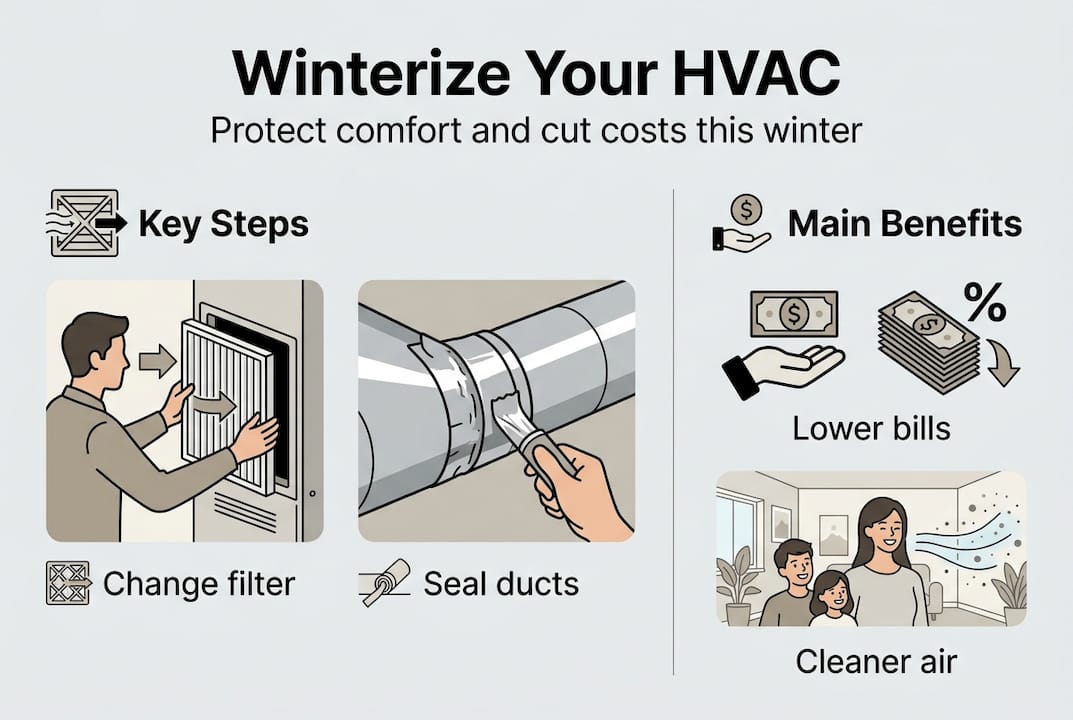
- Inspect and seal your ductwork. Leaky ducts can waste 20 to 30 percent of the heated air your system produces before it ever reaches your living spaces.
- Check and program your thermostat. Setting your thermostat to lower temperatures when you are away or asleep saves energy without sacrificing comfort.
- Clear the area around your furnace and vents. Blocked vents restrict airflow and can create safety hazards.
- Schedule a professional inspection. A trained technician can spot worn parts, gas pressure issues, or carbon monoxide risks that you cannot see on your own.
- Check outdoor AC unit covers. If you have a central AC unit, covering it properly for winter protects it from debris and ice damage.
Kansas City winters are unpredictable. Temperatures can swing from mild to bitter cold within days. That variability puts extra stress on HVAC systems that are not properly prepared. HVAC maintenance best practices recommend completing winterization in early fall, ideally before the first real cold snap arrives.
Pro Tip: Do not wait for your furnace to act up before scheduling a tune-up. By the time you notice a problem, you are already in cold weather, and repair appointments fill up fast during peak season.
Proper winterization, including filter changes and sealing for efficiency, is the single most effective way to protect your investment and your comfort through the winter months.
Benefits of winterizing your HVAC system
Understanding the process leads to a bigger question: why bother winterizing at all? The answer goes well beyond just staying warm.
Energy savings you will actually notice. A well-maintained furnace runs more efficiently, which means lower monthly bills. Sealed ducts and a clean filter reduce the workload on your system significantly. Over a full winter season, those savings add up in a real way.
Fewer emergency repairs. Preventing winter HVAC breakdowns starts with preparation. Emergency furnace repairs in the middle of a Kansas City cold snap are expensive and stressful. Winterization catches small problems before they become costly failures.
Cleaner indoor air quality. This is the benefit most homeowners overlook. When your home is sealed up tight for winter, indoor pollutants including dust, pet dander, mold spores, and chemical particles have nowhere to go. Indoor pollutants can reach 2 to 5 times higher concentrations than outdoor air, according to EPA data. Using a MERV 13 filter helps trap these particles before they circulate through your home.

Longer system lifespan. A furnace that is properly maintained every year simply lasts longer. Skipping annual prep adds wear and tear that shortens the life of expensive components.
Here is a quick comparison of what winterized versus non-winterized homes typically look like:
| Factor | Winterized home | Non-winterized home |
|---|---|---|
| Monthly energy bills | Lower, more stable | Higher, less predictable |
| Breakdown risk | Significantly reduced | Much higher |
| Indoor air quality | Cleaner with proper filters | Potentially 2 to 5x more polluted |
| System lifespan | Extended | Shortened by avoidable wear |
| Emergency repair costs | Rare | Common during cold snaps |
Key benefits at a glance:
- Reduced heating costs through better HVAC energy efficiency
- Improved respiratory health for your household
- Peace of mind knowing your system will not fail on the coldest night of the year
- Protection of a major home investment
Kansas City’s climate makes these benefits especially relevant. Cold fronts arrive fast here, and a system that is not ready will struggle when you need it most.
Risks and consequences of skipping winterization
But what if you do not winterize your HVAC system? The risks are more serious than most homeowners expect.
Important: System failures almost never happen on mild days. They happen during the coldest nights of the year, when your furnace is working its hardest and every repair shop in Kansas City is already booked solid.
Here is what you are risking when you skip winterization:
- Sudden breakdowns in extreme cold. A furnace with a dirty filter, worn igniter, or cracked heat exchanger is far more likely to fail when temperatures plunge. Seasonal HVAC checkups are specifically designed to catch these issues before they strand you in the cold.
- Worsening allergy and respiratory symptoms. Sealed homes trap dust, mold, and chemical pollutants. Without a quality filter and proper airflow, your family breathes that air all day and night. People with asthma, allergies, or young children are especially vulnerable.
- Sharply higher utility bills. A furnace working against a clogged filter or leaky ducts burns significantly more fuel to produce the same heat. You pay more and get less.
- Expensive repair bills. Small issues like a worn belt or low refrigerant become major repairs when left unaddressed. Furnace maintenance steps exist precisely to prevent these escalating costs.
- Carbon monoxide risks. A cracked heat exchanger or blocked flue can allow carbon monoxide to enter your home. This is a serious safety issue that a professional inspection will catch.
Winter sealing without proper HVAC prep increases both indoor air pollution and breakdown risk at the same time. Kansas City’s weather patterns make this doubly dangerous. A mild October can give way to a brutal November cold snap with very little warning. Homeowners who wait until they feel the cold often find themselves scrambling for service in a crowded market.
Step-by-step HVAC winterization checklist for Kansas City homes
If you want to avoid these risks, here is how to get your system ready for winter. Follow this checklist before the first freeze.
- Replace your air filter. Choose a MERV 13 filter for the best balance of airflow and particle capture. Change it every one to three months during heavy use.
- Inspect your ductwork. Look for visible gaps, loose connections, or signs of damage. Seal any leaks with mastic sealant or metal tape.
- Test your thermostat. Switch it to heat mode and confirm it responds correctly. Consider upgrading to a programmable or smart thermostat for better control.
- Clear vents and registers. Make sure furniture, rugs, or drapes are not blocking airflow in any room.
- Check your furnace flame. A healthy flame is blue. A yellow or orange flame can indicate a combustion issue that needs professional attention.
- Schedule a professional tune-up. A technician will check heat exchangers, gas pressure, electrical connections, and safety controls. This is the step that catches what you cannot see.
This Kansas City HVAC maintenance checklist gives you a solid foundation, but a professional inspection is what makes it complete.
| Action | Why it matters | When to do it |
|---|---|---|
| Replace air filter | Improves airflow and air quality | Every 1 to 3 months |
| Seal ductwork | Stops heat loss and energy waste | Before first cold snap |
| Program thermostat | Reduces energy use automatically | Early fall |
| Clear vents | Ensures even heat distribution | Before heating season |
| Schedule pro tune-up | Catches hidden safety and efficiency issues | September or October |
Pro Tip: Preparation steps like filter replacement and duct inspection are most effective when done together as part of a single seasonal visit. Doing them piecemeal throughout the winter is less effective and more disruptive.
Understanding why HVAC maintenance matters helps you see these steps not as optional extras, but as essential protection for your home and family.
Why most HVAC winterization advice misses the air quality problem
Most winterization guides focus on two things: saving money and preventing breakdowns. Both matter. But there is a third issue that almost every how-to list ignores entirely, and it is the one that affects your family’s health most directly.
When you seal your home for winter, you are also sealing in everything floating in your air. Dust, pet dander, mold spores, volatile organic compounds from cleaning products and furniture. These pollutants build up with nowhere to escape. Without the right filter and adequate ventilation, your HVAC system simply recirculates them.
We see this firsthand with Kansas City homeowners who report more headaches, congestion, and fatigue in winter. The culprit is often the air inside their own homes. The fix is not complicated. Upgrading to a MERV 13 filter and exploring indoor air quality strategies like UV lights or whole-home humidifiers makes a measurable difference. The real value of winterization is not just a lower heating bill. It is a healthier home all season long.
Get professional help to winterize your HVAC system
Ready to safeguard your family’s comfort and health? Winterizing your HVAC is one of the most valuable things you can do before Kansas City winter sets in, and professional help makes it faster and more thorough.

At KC Air Control, we have been serving Kansas City homeowners for over 70 years. Our technicians know exactly what to look for and how to get your system running safely and efficiently before the cold arrives. Whether you need a furnace tune-up, a full HVAC maintenance service, or just want an expert set of eyes on your system, we make it easy. You can book HVAC service online in minutes. Do not wait until the first freeze. Schedule now and head into winter with confidence.
Frequently asked questions
How often should I winterize my HVAC system?
You should winterize your HVAC system once a year, ideally every fall before temperatures drop. Annual preparation before winter maximizes efficiency and prevents costly breakdowns during peak heating season.
What kind of HVAC filter is best for winter?
A MERV 13 filter is the best choice for winter because it captures small airborne particles that build up when your home is sealed. Since indoor pollutants concentrate at 2 to 5 times outdoor levels in sealed homes, a higher-rated filter makes a real difference.
Can winterizing my HVAC system lower my energy bills?
Yes. Efficiency steps like sealing and maintenance reduce how hard your furnace works, which directly lowers your monthly heating costs throughout the winter season.
Is professional inspection necessary for winter HVAC prep?
A professional tune-up is strongly recommended because technicians can identify safety issues and efficiency problems that are not visible to the average homeowner. Professional checks maximize safety and ensure your system is ready for the demands of a Kansas City winter.
Recommended
- Seasonal HVAC Maintenance Steps for Home Energy Savings – Air Control
- HVAC Maintenance: Boosting Home Comfort and Savings – Air Control
- Why upgrade your HVAC? Boost comfort & cut energy bills – KC Air Control – Heating & Cooling
- Energy efficient HVAC: lower bills and better comfort – KC Air Control – Heating & Cooling
Been lurking on P828 lately. Promos seem decent, but the site looks kinda old school. Wondering if it’s legit and pays out. Anyone got the inside scoop? I’m curious to hear your insights on p828.