
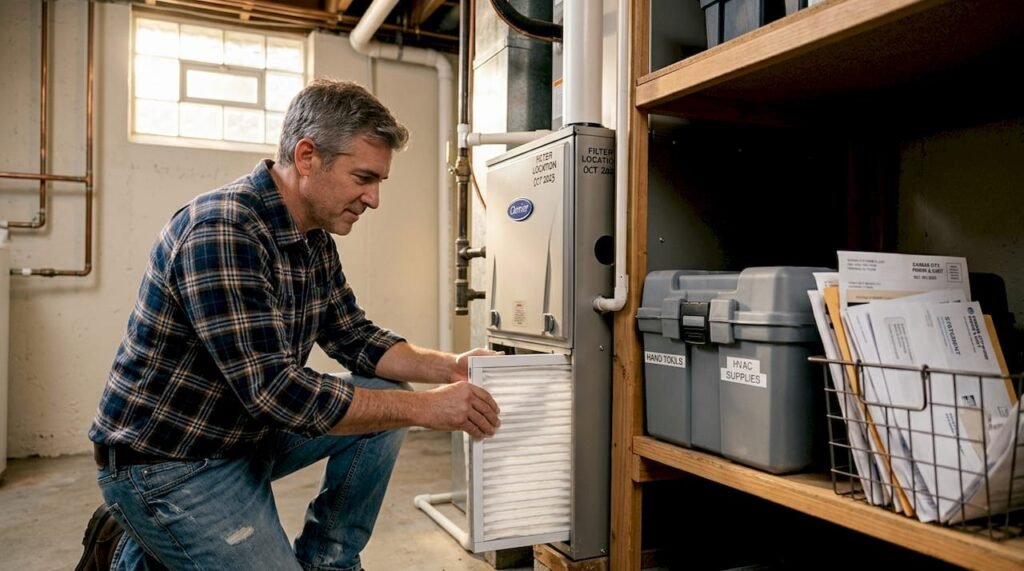
Keeping your HVAC system running smoothly in Kansas City means facing seasonal temperature swings that push your heating and cooling equipment hard. Many homeowners ignore routine upkeep until a breakdown forces an expensive emergency repair. Regular maintenance not only prevents those costly surprises but also cuts energy bills and extends your system’s lifespan. This article walks you through a practical HVAC maintenance checklist designed specifically for Kansas City homes, helping you improve efficiency, maintain comfort year round, and avoid the headaches of neglected equipment.
Table of Contents
- Understanding HVAC Maintenance Essentials
- Essential HVAC Maintenance Checklist Tasks For Homeowners
- Comparing DIY Maintenance And Professional HVAC Servicing
- Scheduling And Seasonal HVAC Maintenance Tips For Kansas City Homes
- Professional HVAC Maintenance And Repair Services In Kansas City
- FAQ
Quick Navigation: Kansas City HVAC Maintenance Checklist
| Point | Details |
|---|---|
| Efficiency gains | Clean systems boost airflow 10-46% and reduce energy consumption by 15-20%. |
| Balanced approach | Combining monthly DIY tasks with annual professional tune-ups delivers optimal performance and prevents small issues from becoming expensive repairs. |
| Cost prevention | Ignoring minor problems like refrigerant leaks or dirty coils can lead to repair bills in the hundreds of dollars. |
| Year-round comfort | Seasonal maintenance aligned with Kansas City’s climate keeps your home comfortable during extreme heat and cold. |
Understanding HVAC maintenance essentials
HVAC maintenance involves regular inspection, cleaning, and adjustment of your heating and cooling system to keep it operating at peak performance. Data shows clean systems boost airflow 10-46%, cut energy 15-20%, making routine care one of the smartest investments for your home. When you neglect basic upkeep, dust and debris accumulate on critical components, forcing your system to work harder and consume more electricity. Over time, this strain leads to premature wear and costly breakdowns.
Your HVAC system relies on several key components that need regular attention. Air filters trap dust and allergens but clog quickly, restricting airflow and forcing your blower motor to strain. Evaporator and condenser coils transfer heat efficiently only when clean; dirty coils reduce capacity and spike energy use. Ductwork distributes conditioned air throughout your home, but leaks or blockages waste energy and create uneven temperatures. Your thermostat controls system operation, and incorrect settings or calibration issues can drive up costs without improving comfort.
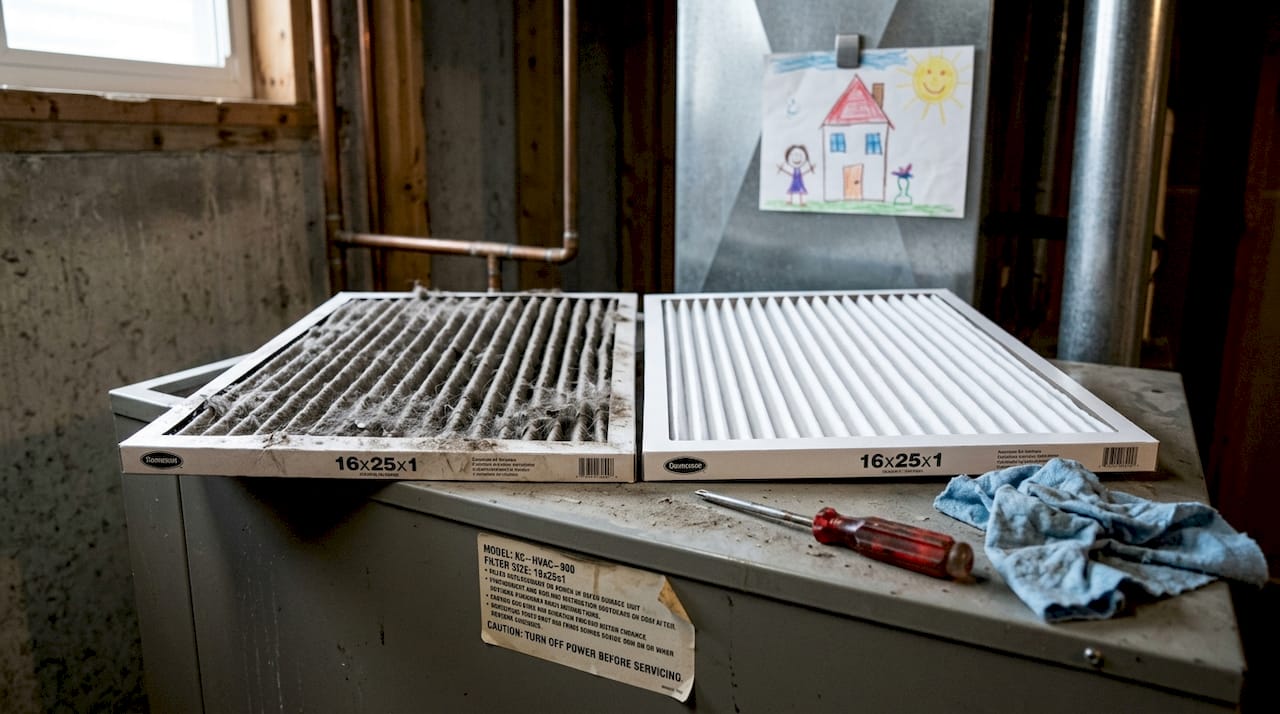
Ignoring maintenance doesn’t just hurt efficiency. A neglected system can fail completely during Kansas City’s hottest summer days or coldest winter nights, leaving you scrambling for emergency service at premium rates. Small issues like refrigerant leaks or worn belts escalate into major repairs when left unaddressed. Understanding why schedule HVAC maintenance matters helps you prioritize tasks that protect your investment and keep your family comfortable.
Pro Tip: Track your monthly utility bills before and after performing maintenance tasks. A noticeable drop in energy costs confirms your efforts are paying off and helps you spot when something needs professional attention.
Essential HVAC maintenance checklist tasks for homeowners
Homeowners can handle many maintenance tasks with minimal tools and time investment. Following this checklist monthly and seasonally keeps your system running smoothly between professional tune-ups. Homeowners: DIY + annual pro = optimal; ignore edges like leaks leads to $100s repairs, so staying on top of these simple steps prevents expensive surprises.
Monthly tasks:
- Check and replace air filters every 1-3 months depending on usage, pets, and filter type. Dirty filters restrict airflow and force your system to work harder.
- Inspect thermostat settings to ensure they match your comfort needs and seasonal requirements. Programmable thermostats save energy when set correctly.
- Clear debris from around outdoor condenser units, maintaining at least two feet of clearance for proper airflow.
- Listen for unusual noises like grinding, squealing, or banging that signal mechanical problems needing professional diagnosis.
Seasonal tasks:
- Clean supply and return vents throughout your home, removing dust buildup that blocks airflow.
- Inspect visible ductwork for gaps, tears, or disconnected sections that waste conditioned air.
- Test your system’s heating or cooling performance before extreme weather arrives, giving you time to address issues.
- Check condensate drain lines for clogs that can cause water damage and system shutdowns.
Annual professional tasks:
- Schedule comprehensive tune-ups with certified technicians who inspect electrical connections, measure refrigerant levels, and test safety controls.
- Have professionals clean evaporator and condenser coils thoroughly, removing buildup you can’t reach safely.
- Request blower motor and fan blade inspection to catch wear before components fail.
Following home HVAC maintenance tips consistently reduces the likelihood of mid-season breakdowns. Small investments of time now prevent the frustration and expense of emergency repairs. For guidance tailored to each season, review seasonal HVAC maintenance steps that align with Kansas City’s climate patterns.
Comparing DIY maintenance and professional HVAC servicing
Understanding what you can handle yourself versus what requires professional expertise helps you maintain your system effectively without overspending. Homeowners: DIY + annual pro = optimal; ignore edges like leaks leads to $100s repairs, so balancing both approaches delivers the best results.
| Aspect | DIY maintenance | Professional servicing |
|---|---|---|
| Tasks | Filter changes, vent cleaning, debris removal, thermostat adjustments | Refrigerant checks, electrical testing, coil cleaning, motor inspection |
| Cost | Minimal (filters, basic tools) | $100-200 per tune-up |
| Time | 15-30 minutes monthly | 1-2 hours annually |
| Expertise | Basic homeowner skills | Licensed technician certification |
| Equipment | Standard household tools | Specialized diagnostic and cleaning tools |
| Safety | Low risk for simple tasks | Handles electrical and refrigerant hazards |
Homeowners excel at routine tasks that keep systems running between professional visits. You can easily swap filters, clear outdoor units, and monitor performance without special training. These simple steps maintain efficiency and catch obvious problems early. However, tasks involving refrigerant, electrical components, or internal mechanisms require professional knowledge and tools. Attempting complex repairs without proper training risks injury, equipment damage, and voided warranties.
Professional technicians bring diagnostic equipment that measures system performance precisely. They spot issues like refrigerant leaks, failing capacitors, or worn bearings before they cause breakdowns. Annual tune-ups also maintain manufacturer warranties that often require documented professional service. Skipping professional maintenance to save money in the short term typically costs more when neglected issues escalate into major repairs.
Pro Tip: Schedule your annual professional tune-up in spring for cooling systems and fall for heating systems. This timing ensures your equipment is ready before you need it most and often qualifies for off-season discounts.
Balancing monthly DIY checks with annual professional service maximizes system longevity and efficiency. HVAC tune-up benefits include improved performance, lower energy bills, and peace of mind knowing trained experts have inspected your equipment thoroughly.
Scheduling and seasonal HVAC maintenance tips for Kansas City homes
Kansas City’s climate demands strategic maintenance timing to keep your HVAC system ready for temperature extremes. Hot, humid summers stress cooling equipment while cold winters push furnaces hard. Aligning your maintenance schedule with seasonal transitions prevents breakdowns when you need comfort most.
Monthly maintenance (year-round):
- Check air filters and replace if dirty or clogged.
- Monitor utility bills for unexpected spikes indicating efficiency problems.
- Listen for unusual system noises during operation.
Spring preparation (March-April):
- Schedule professional AC tune-up before summer heat arrives.
- Clean outdoor condenser unit and trim vegetation for clearance.
- Test cooling performance on a warm day to catch issues early.
- Replace thermostat batteries if needed.
Fall preparation (September-October):
- Schedule professional furnace inspection before heating season.
- Check and clean supply vents and return grilles throughout your home.
- Test heating system operation before cold weather hits.
- Inspect visible ductwork for damage or disconnections.
Winter monitoring (November-February):
- Keep outdoor units clear of snow and ice buildup.
- Monitor indoor humidity levels and adjust as needed.
- Check furnace flame color (should be steady blue, not yellow).
Summer monitoring (June-August):
- Ensure outdoor unit has adequate airflow and isn’t blocked.
- Check condensate drain for clogs that cause water backup.
- Monitor indoor temperature consistency across rooms.
| Task frequency | Seasonal benefit | Risk of skipping |
|---|---|---|
| Monthly filter checks | Maintains airflow and indoor air quality | Reduced efficiency, higher bills, system strain |
| Spring AC tune-up | Ensures cooling capacity for summer heat | Mid-summer breakdown, expensive emergency repair |
| Fall furnace inspection | Confirms safe, efficient heating operation | Winter failure, safety hazards, discomfort |
| Quarterly duct inspection | Prevents energy waste from leaks | Uneven temperatures, wasted energy |
Data shows clean systems boost airflow 10-46%, cut energy 15-20%, making seasonal maintenance a proven money saver. Tracking your energy bills before and after seasonal tune-ups reveals the financial impact of proper maintenance. Most Kansas City homeowners notice lower bills and more consistent comfort when they follow a structured schedule.
Adjusting your thermostat seasonally also improves efficiency. Set cooling to 78 degrees when home in summer and raise it when away. In winter, aim for 68 degrees while home and lower it at night or when away. These small changes reduce system runtime without sacrificing comfort. For detailed guidance on timing tasks throughout the year, follow seasonal maintenance timing recommendations tailored to Kansas City’s weather patterns.
Professional HVAC maintenance and repair services in Kansas City
While homeowner maintenance keeps your system running day to day, professional expertise ensures long term performance and reliability. KC Air Control brings over 70 years of experience serving Kansas City homes, combining thorough inspections with expert repairs that extend equipment life and maximize efficiency. Our certified technicians use advanced diagnostic tools to catch problems early, preventing minor issues from becoming expensive emergencies.

Scheduling professional HVAC tune-ups twice yearly prepares your system for seasonal demands and maintains manufacturer warranties. When unexpected problems arise, our emergency HVAC troubleshooting service responds quickly to restore your comfort. Booking is simple through our online HVAC service booking system, letting you schedule maintenance at your convenience. Combining your DIY efforts with professional care protects your investment and keeps your family comfortable year round.
FAQ
How often should I change my HVAC air filters?
Replace standard 1-inch filters every 1-3 months depending on usage, pets, and household dust levels. Homes with pets or allergies benefit from monthly changes, while less demanding environments can extend to 3 months. Thicker pleated filters last longer but check them monthly to avoid restricting airflow. Clean filters maintain efficiency and prevent system strain.
What are signs that my HVAC system needs professional servicing?
Unusual noises like grinding or squealing, inconsistent room temperatures, rising energy bills, and frequent on-off cycling all signal problems needing professional diagnosis. Strange odors, weak airflow, or visible ice on refrigerant lines also require immediate attention. HVAC repair signs Kansas City homeowners should watch for include these symptoms that escalate quickly when ignored.
Can I perform all HVAC maintenance tasks myself?
Homeowners can safely handle filter changes, outdoor unit cleaning, vent inspection, and basic thermostat adjustments. However, tasks involving refrigerant, electrical components, internal coil cleaning, and motor repairs require professional certification and specialized tools. Annual professional tune-ups complement your DIY efforts by addressing technical aspects beyond homeowner scope. For guidance on what you can tackle, review home HVAC maintenance guidance that separates DIY from professional tasks.
How can regular HVAC maintenance save me money?
Data shows clean systems boost airflow 10-46%, cut energy 15-20%, directly lowering your monthly utility bills. Preventing breakdowns avoids emergency repair costs that often exceed $500 for major component failures. Well-maintained systems also last longer, delaying expensive replacement costs. Tracking your energy bills before and after maintenance reveals tangible savings that typically exceed the cost of routine service within months.
Recommended
- Optimize your HVAC maintenance workflow for KC homes – KC Air Control – Heating & Cooling
- Furnace maintenance checklist: 10 essential steps for KC homes in 2026 – KC Air Control – Heating & Cooling
- HVAC inspections for Kansas City homeowners: 2026 guide – KC Air Control – Heating & Cooling
- Seasonal HVAC Maintenance Steps for Home Energy Savings – Air Control