
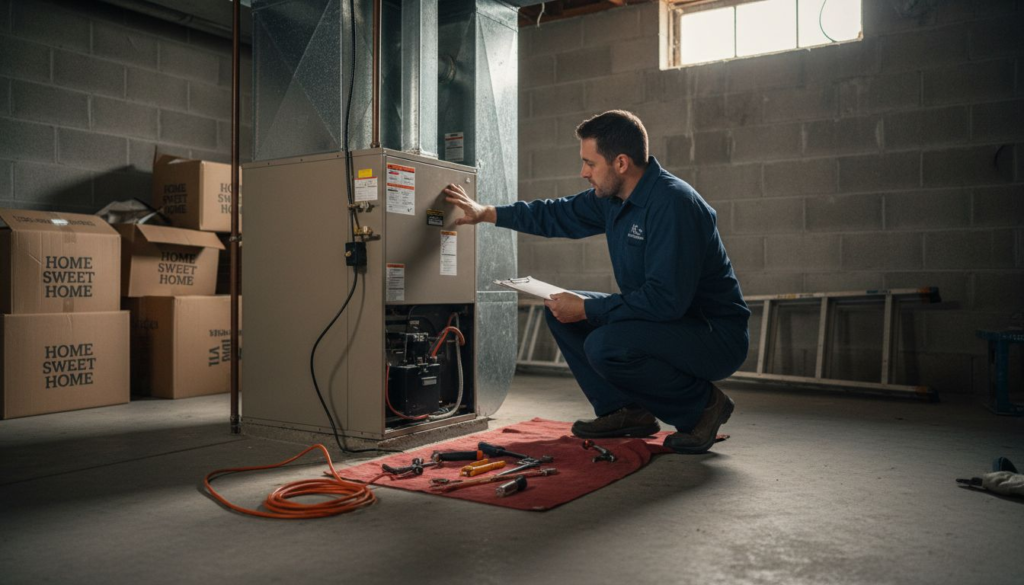
Kansas City homeowners who schedule regular HVAC inspections save up to 15% on energy costs while preventing dangerous system failures. Professional inspections catch safety hazards like carbon monoxide leaks and ensure compliance with local building codes. This guide explains what to expect during inspections, how they protect your home, and when to schedule service for maximum efficiency and safety throughout the year.
Table of Contents
- Understanding HVAC Inspections: What They Are And Why They Matter
- Importance Of Regular HVAC Inspections For System Efficiency
- Safety And Compliance: Protecting Your Home And Family
- Common Problems Detected During HVAC Inspections
- Cost And Value Of HVAC Inspections For Homeowners
- Actionable Steps For Kansas City Homeowners: Scheduling And Preparing For HVAC Inspections
- How KC Air Control Supports Your HVAC Inspection Needs
- FAQ
Kansas City HVAC Inspection Guide: Key Topics and Benefits
| Point | Details |
|---|---|
| Energy efficiency | HVAC inspections boost system performance and reduce energy bills by identifying inefficiencies early. |
| Safety protection | Inspections detect carbon monoxide leaks and electrical hazards that threaten your family’s wellbeing. |
| Code compliance | Regular checks ensure your system meets Kansas City’s venting and emissions standards. |
| Early detection | Inspections catch common problems like refrigerant leaks before they cause expensive breakdowns. |
| Scheduling strategy | Twice yearly inspections before heating and cooling seasons maximize system reliability and comfort. |
Understanding HVAC inspections: what they are and why they matter
HVAC inspections involve comprehensive evaluations of your heating, cooling, and ventilation systems by licensed professionals. Full inspections examine all major components, while partial inspections focus on specific concerns or seasonal needs.
Typical inspections cover these critical system elements:
- Furnace and heat exchanger for cracks, corrosion, and combustion efficiency
- Air conditioning unit including compressor, coils, and refrigerant levels
- Ductwork for leaks, blockages, and proper insulation
- Thermostat calibration and control system accuracy
- Air filters and indoor air quality components
Kansas City’s climate presents unique challenges with hot, humid summers and cold winters that demand reliable HVAC performance year round. These seasonal extremes put significant stress on heating and cooling systems, making regular inspections essential for maintaining comfort and efficiency.
HVAC inspections ensure compliance with Kansas City building codes, especially for venting and emissions standards. Local regulations require proper furnace venting to prevent carbon monoxide buildup and mandate duct integrity standards to maintain indoor air quality.
Professional inspections prevent costly emergency repairs by identifying minor issues before they escalate into system failures. The benefits of regular HVAC servicing extend beyond immediate fixes, protecting your investment and ensuring year-round home comfort.
Importance of regular HVAC inspections for system efficiency
Regular inspections directly impact your energy bills by optimizing system performance. Technicians identify and correct inefficiencies that silently drain your budget throughout the year.
Common efficiency problems caught during inspections include:
- Dirty or clogged air filters restricting airflow and forcing systems to work harder
- Airflow blockages in ductwork reducing heating and cooling distribution
- Refrigerant leaks degrading air conditioning performance
- Worn belts and bearings increasing friction and energy consumption
- Thermostat calibration errors causing unnecessary system cycling
Homeowners who maintain regular inspection schedules can achieve energy savings of up to 15% in Kansas City’s demanding climate. These savings compound over time, offsetting inspection costs many times over.
Air conditioning systems remove humidity as well as heat, critical for indoor air quality and mold prevention. Properly inspected AC units maintain optimal humidity levels between 30-50%, creating healthier indoor environments and protecting your home from moisture damage.
Experts recommend scheduling inspections at least twice yearly, ideally in spring before cooling season and fall before heating season. This timing aligns with your system’s heaviest usage periods and ensures peak performance when you need it most.
Pro Tip: Schedule your spring inspection in April and fall inspection in October to catch potential problems before extreme weather hits. This proactive approach prevents emergency breakdowns during the hottest and coldest days when HVAC services are in highest demand.
The combination of regular AC tune ups and comprehensive inspections creates a maintenance strategy that maximizes efficiency while minimizing unexpected repair costs. Following seasonal HVAC maintenance steps between professional visits further extends these benefits.
Safety and compliance: protecting your home and family
HVAC system failures pose serious safety risks beyond discomfort and inconvenience. Professional inspections serve as your first line of defense against dangerous home hazards.
Carbon monoxide represents the most critical safety concern for gas furnace owners. This colorless, odorless gas results from incomplete combustion and can cause illness or death. Cracked heat exchangers, blocked vents, and improper combustion all create carbon monoxide risks that only trained inspectors can reliably detect.
Regular HVAC inspections detect carbon monoxide risks and electrical faults, preventing dangerous home hazards. Inspection equipment includes specialized sensors that measure carbon monoxide levels and identify venting problems invisible to homeowners.
Key safety checks performed during inspections:
- Heat exchanger integrity to prevent carbon monoxide leaks
- Electrical connections for fraying, corrosion, and fire hazards
- Gas line connections for leaks and proper pressure
- Combustion air supply and venting adequacy
- Emergency shutoff system functionality
HVAC inspections ensure compliance with Kansas City building codes, especially for venting and emissions standards. Local regulations mandate specific clearances, vent pipe materials, and combustion air requirements that protect homeowners from preventable accidents.
Compliance verification extends beyond safety to legal and insurance considerations. Many homeowner insurance policies require documented HVAC maintenance, and failure to maintain systems properly can void coverage claims. Professional inspection reports provide the documentation you need.
Professional HVAC inspections prevent up to 80% of carbon monoxide incidents in homes by detecting venting failures and combustion problems before they become life threatening emergencies.
If your furnace shows signs of trouble, understanding the emergency furnace repair guide helps you respond quickly while prioritizing safety.
Common problems detected during HVAC inspections
Professional inspections uncover issues that homeowners typically miss until they cause system failures or safety hazards. Early detection transforms minor adjustments into avoided disasters.
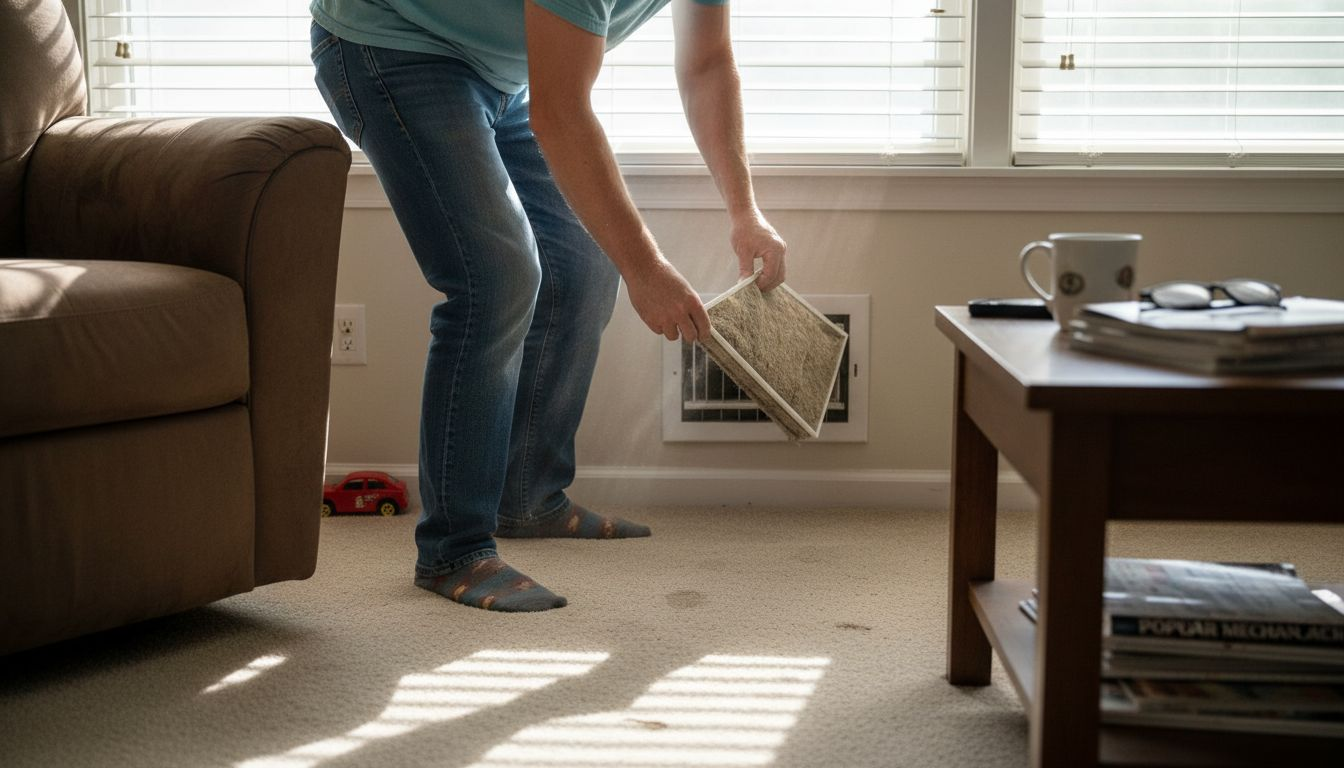
Airflow restrictions rank among the most frequent problems found during inspections. Dirty filters, blocked return vents, and crushed ductwork reduce system efficiency and strain components. These blockages force your HVAC system to run longer cycles, increasing wear and energy consumption while delivering inadequate heating or cooling.
Refrigerant leaks gradually degrade air conditioning performance over months or years. Refrigerant leaks reduce AC efficiency by up to 20%, require professional detection, and cause system damage if unchecked. Low refrigerant levels cause compressors to overheat and fail, turning a simple leak repair into a major replacement expense.
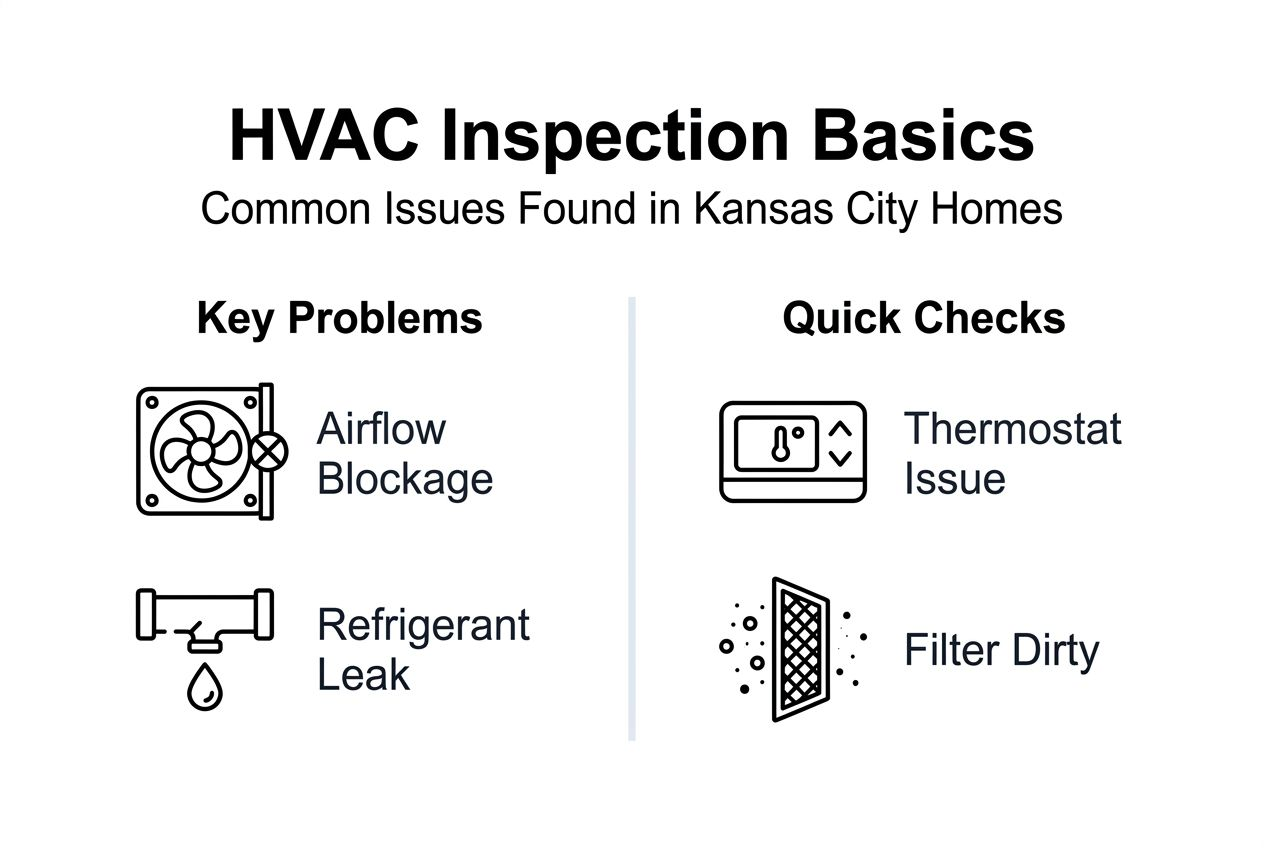
Thermostat and sensor malfunctions create comfort problems and unnecessary energy waste. Miscalibrated thermostats trigger excessive system cycling, while failed limit switches allow unsafe operating temperatures. These electronic components require specialized testing equipment to diagnose accurately.
| Problem | Symptoms | Consequences | Detection Method |
|---|---|---|---|
| Airflow blockage | Weak airflow, hot/cold spots | Reduced comfort, 20% efficiency loss | Pressure testing, visual inspection |
| Refrigerant leak | Ice on coils, warm air | System damage, 15-20% efficiency drop | Electronic leak detection, pressure gauges |
| Thermostat fault | Temperature swings, short cycling | Energy waste, component wear | Calibration testing, wiring inspection |
| Electrical issues | Burning smell, frequent breaker trips | Fire hazard, system failure | Voltage testing, connection inspection |
| Heat exchanger crack | Soot buildup, unusual odors | Carbon monoxide risk, system shutdown | Visual inspection, combustion analysis |
Pro Tip: Never ignore subtle warning signs like slightly uneven cooling, unusual noises, or minor increases in energy bills. These symptoms often indicate developing problems that cost far less to fix when caught early during inspections rather than waiting for complete system failure.
Understanding the emergency HVAC repair workflow helps you respond effectively when inspections reveal urgent problems requiring immediate attention.
Cost and value of HVAC inspections for homeowners
HVAC inspection costs represent a smart investment that protects against far more expensive emergency repairs and premature system replacement. Understanding the financial equation helps homeowners make informed maintenance decisions.
Typical inspection costs in Kansas City range from $100 to $200 for comprehensive evaluations, varying based on system complexity, home size, and inspection scope. This modest expense pales in comparison to emergency repair costs that average significantly higher.
| Service Type | Average Cost | Timeframe | Stress Level |
|---|---|---|---|
| Preventive inspection | $100-$200 | Scheduled | Low |
| Emergency furnace repair | $400-$1,200 | Urgent | High |
| AC compressor replacement | $1,500-$3,000 | Emergency | Very high |
| Complete system replacement | $5,000-$10,000 | Crisis | Extreme |
The true value of inspections extends beyond avoiding single catastrophic failures. Regular maintenance delivers cumulative financial benefits that compound over your system’s lifespan.
Key financial advantages of regular inspections:
- Prevention of 75% of potential emergency repairs through early problem detection
- Energy savings of 10-15% annually from optimized system performance
- Extended equipment lifespan by 3-5 years through proper maintenance
- Maintained manufacturer warranty coverage requiring documented service
- Preserved home resale value with documented HVAC maintenance history
Regular inspections reduce emergency repair frequency, saving homeowners substantial costs over time. The compounding savings from efficiency improvements, avoided repairs, and extended equipment life typically exceed inspection costs by a factor of five to ten.
Viewing inspections as preventive investments rather than discretionary expenses shifts your perspective from short term costs to long term value. The homeowners who spend $200 twice yearly on inspections consistently outperform those who skip maintenance and face unexpected $2,000 emergency repairs.
Understanding why emergency HVAC service matters reinforces the financial wisdom of preventing emergencies through regular inspections rather than reacting to failures.
Actionable steps for Kansas City homeowners: scheduling and preparing for HVAC inspections
Implementing an effective inspection strategy requires knowing when to schedule, how to choose qualified professionals, and what preparation maximizes inspection value.
Follow this inspection schedule for optimal system protection:
- Schedule spring inspection in April before cooling season begins
- Schedule fall inspection in October before heating season starts
- Book appointments 4-6 weeks in advance during peak scheduling periods
- Add inspection dates to your calendar with automatic annual reminders
- Request same technician when possible for continuity and relationship building
Choosing qualified HVAC professionals ensures thorough, reliable inspections. Verify contractors hold proper Kansas City licenses and insurance coverage. Look for technicians with experience in your specific system type and manufacturer certifications that demonstrate advanced training.
Prepare your home to maximize inspection efficiency and thoroughness:
- Clear 3-foot access space around indoor and outdoor HVAC units
- Replace or note current air filter condition for technician discussion
- Document unusual noises, odors, or performance issues to report
- Gather system documentation including age, model numbers, and previous service records
- Plan to be home during inspection to ask questions and receive immediate feedback
Review the inspection report carefully with your technician before they leave. Ask questions about any findings you don’t understand. Prioritize recommended repairs based on safety urgency, efficiency impact, and cost considerations.
Post inspection action checklist:
- Schedule any necessary repairs identified during inspection
- Implement technician recommendations for filter changes and thermostat settings
- Note next inspection due date and set calendar reminders
- File inspection report with home maintenance records
- Share findings with household members regarding system operation or safety concerns
Simplify scheduling by using online HVAC inspection booking to secure preferred time slots without phone tag. Reference a detailed HVAC maintenance checklist to track completed services and plan future maintenance needs.
How KC Air Control supports your HVAC inspection needs
KC Air Control delivers expert HVAC inspections specifically designed for Kansas City’s demanding climate and local building codes. Our licensed technicians bring over 70 years of combined experience to every inspection, using advanced diagnostic equipment to catch problems other providers miss.

Simplified online booking for HVAC services lets you schedule inspections at your convenience, securing preferred time slots that fit your schedule. Our transparent pricing and detailed inspection reports give you the information needed to make confident decisions about your system.
Comprehensive maintenance programs combine inspections with tune ups and priority service, following proven seasonal HVAC maintenance steps that optimize efficiency year round. When inspections reveal urgent concerns, our emergency HVAC repair workflow minimizes downtime and restores comfort quickly.
Pro Tip: Combine your bi-annual inspections with seasonal maintenance plans for maximum system protection and efficiency. This integrated approach catches developing issues early while keeping your equipment running at peak performance throughout Kansas City’s temperature extremes.
FAQ
How often should Kansas City homeowners schedule HVAC inspections?
Schedule inspections twice yearly, ideally in April before cooling season and October before heating season. This timing ensures your system is prepared for peak demand periods. Kansas City’s extreme seasonal temperature swings make bi-annual inspections essential for reliable performance and efficiency.
What safety risks do HVAC inspections help prevent?
Inspections detect carbon monoxide leaks from cracked heat exchangers and improper venting that can cause illness or death. They also identify electrical faults and gas leaks that pose fire hazards. Professional inspections verify compliance with Kansas City safety codes, protecting your family and property from preventable dangers.
Can I perform my own HVAC inspection instead of hiring a professional?
Homeowners can perform basic checks like filter changes and visual inspections, but cannot detect hidden issues like refrigerant leaks, heat exchanger cracks, or code compliance problems. Licensed professionals use specialized diagnostic equipment and training to identify safety hazards and efficiency problems invisible to untrained eyes. Professional inspections remain essential for thorough system evaluation and safety verification.
What are the signs my HVAC system needs an inspection?
Schedule an inspection if you notice unusual noises, uneven heating or cooling between rooms, rising energy bills without usage changes, or strange odors from vents. Frequent system cycling, visible damage to components, or moisture around equipment also indicate inspection needs. Don’t wait for complete failure, as early inspection catches problems when repairs cost less and prevent emergency breakdowns.
Recommended
- Seasonal HVAC Maintenance Steps for Home Energy Savings – Air Control
- Regular HVAC Servicing Cuts Kansas City Bills 30% in 2026 – Air Control
- Emergency HVAC Repair Workflow KC: 35% Faster Fixes – Air Control
- Why emergency HVAC service matters for Kansas City homes – KC Air Control – Heating & Cooling