
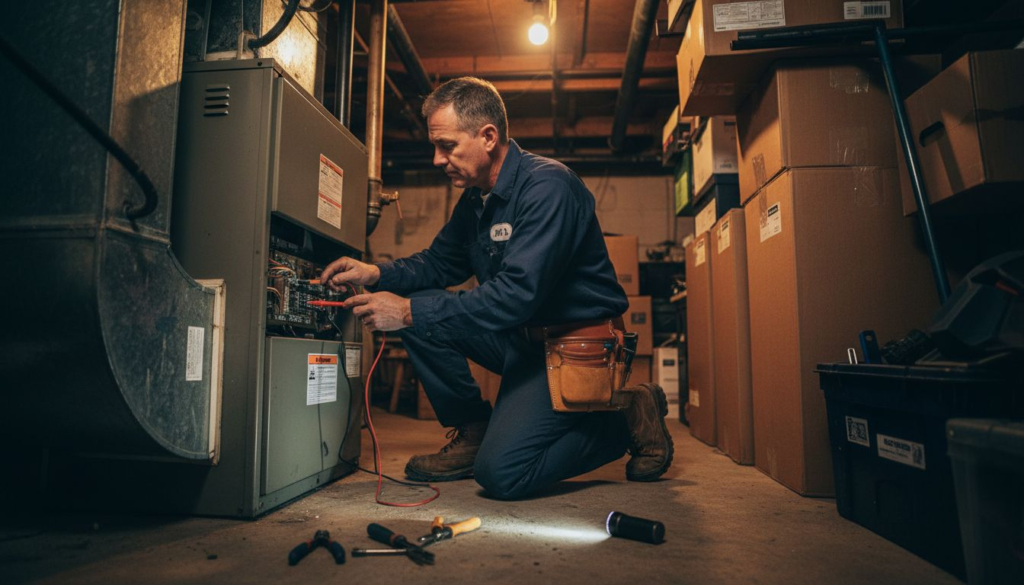
When your furnace fails on a freezing Kansas City night, you face more than discomfort. A sudden heating breakdown can threaten your family’s safety, risk frozen pipes, and expose you to carbon monoxide poisoning. Knowing what emergency furnace repair means, recognizing critical warning signs, and acting quickly can protect your home and loved ones from serious harm.
Table of Contents
- Definition And Identification Of Emergency Furnace Repair
- Warning Signs And Symptoms Of Furnace Emergencies
- Homeowner Safety And Troubleshooting Steps Before Calling Emergency Repair
- Emergency Furnace Repair Service Process Explained
- Risks And Consequences Of Delaying Emergency Furnace Repair
- Emergency Vs. Non-Emergency Furnace Issues: Making The Right Call
- Preventive Measures To Reduce Furnace Emergencies
- Reliable Emergency Furnace Repair Services In Kansas City
- Frequently Asked Questions About Emergency Furnace Repair
Emergency Furnace Repair Guide: Topics Covered
| Point | Details |
|---|---|
| Emergency furnace repair addresses sudden heat loss or safety hazards like gas leaks and carbon monoxide risks. | |
| Warning signs include rotten egg smells, CO alarms, no heat in freezing weather, loud noises, and visible smoke. | |
| Homeowners should evacuate immediately if gas or CO is detected and avoid DIY fixes for dangerous symptoms. | |
| Professional technicians provide 24/7 response, safety diagnostics, and expert repairs to restore safe heating fast. | |
| Delaying emergency repair increases risks of burst pipes, poisoning, fires, and costly system replacements. |
Definition and identification of emergency furnace repair
Emergency furnace repair involves urgent service for sudden failures threatening safety or heat loss during extreme cold. It goes beyond routine maintenance or non-urgent fixes. When your furnace stops working in the middle of winter or creates immediate danger, you need emergency help.
Several situations qualify as true furnace emergencies. Gas leaks emit a distinctive rotten egg odor and pose explosion risks. Carbon monoxide detector alarms signal invisible toxic gas buildup that can be fatal. Complete heating loss during freezing temperatures threatens both occupants and your home’s plumbing system. Visible smoke or flames near the furnace demand instant evacuation and emergency response. Loud banging, screeching, or grinding noises combined with burning smells often indicate failing components that could spark fires.
Recognizing what emergency furnace repair entails helps you act decisively. In Kansas City, winter temperatures regularly drop below freezing. Delayed action can lead to frozen pipes bursting within hours, causing thousands of dollars in water damage. Understanding the difference between emergencies and routine problems prevents dangerous delays while avoiding unnecessary panic over minor issues.
Key emergency situations requiring immediate professional attention include:
- Natural gas leaks with sulfur or rotten egg smell
- Carbon monoxide detector activation or alarm
- Complete loss of heat during subfreezing outdoor temperatures
- Visible smoke, flames, or sparks from furnace components
- Loud mechanical noises paired with burning or electrical odors
- Cracked heat exchanger exposing combustion gases to indoor air
Warning signs and symptoms of furnace emergencies
Knowing how to spot furnace emergency warning signs can save lives and property. Your senses are your first line of defense. A rotten egg smell indicates natural gas leaking from your furnace or supply lines. Gas companies add this distinctive odor to help you detect leaks quickly.
Carbon monoxide is deadlier because you cannot see, smell, or taste it. Persistent CO detector alerts indicate critical furnace problems requiring emergency repair. Symptoms of CO poisoning include headaches, dizziness, nausea, and confusion. If your detector sounds, evacuate immediately and call emergency services before contacting HVAC professionals.
Loss of heat during Kansas City’s coldest months creates both comfort and safety emergencies. When outdoor temperatures fall below 20 degrees Fahrenheit, your home’s interior can drop to dangerous levels within hours. Elderly family members, young children, and pets face heightened health risks from extreme cold exposure. Frozen water pipes can burst, flooding your home and causing extensive structural damage.
Mechanical warning signs demand attention too. Banging, screeching, or grinding noises from your furnace signal failing bearings, motors, or blower components. When paired with burning smells or electrical odors, these sounds indicate potential fire hazards. Visible smoke or flames near the furnace cabinet require immediate evacuation and 911 calls.
Watch for these critical symptoms:
- Sulfur or rotten egg odor near furnace or vents
- Carbon monoxide alarm activation with accompanying symptoms
- No warm air despite thermostat set to heat mode
- Yellow or flickering pilot light instead of steady blue flame
- Soot or black residue around furnace or vents
- Excessive moisture or condensation on windows and walls
Homeowner safety and troubleshooting steps before calling emergency repair
Before professionals arrive, you can take safe preliminary steps. Start by checking your thermostat settings. Confirm it is set to heat mode with temperature above current room temperature. Verify the circuit breaker for your furnace has not tripped.
If you detect gas smell or your CO alarm sounds, do not operate the furnace and evacuate immediately. Leave doors open as you exit to allow ventilation. Call 911 from outside your home, then contact your gas company and HVAC emergency service. Never use light switches, phones, or any electrical devices inside if you suspect gas leaks, as sparks can trigger explosions.
For less immediately dangerous situations, follow this safe furnace troubleshooting checklist:
- Check and replace your air filter if visibly dirty or clogged
- Inspect the area around your furnace for obstructions blocking airflow
- Verify all supply and return vents throughout your home are open and unblocked
- Look for tripped circuit breakers or blown fuses in your electrical panel
- Ensure the furnace power switch near the unit is in the on position
- Document all symptoms, unusual sounds, smells, and timing to report to technicians
Never attempt DIY repairs on gas lines, electrical components, or internal furnace parts. These systems require specialized tools, training, and safety equipment. Improper repairs can void warranties, violate building codes, and create life-threatening hazards.
Pro Tip: Keep a flashlight, your HVAC company’s emergency number, and your furnace model information easily accessible near your heating system for quick reference during emergencies.
Emergency furnace repair service process explained
Professional emergency furnace repair involves 24/7 rapid response, safety diagnostics, expert repairs on gas leaks, combustion, and electrical faults, and safety re-testing. Licensed HVAC technicians arrive equipped with specialized diagnostic tools, replacement parts, and safety equipment to handle urgent heating failures.
The emergency furnace repair process begins with a thorough safety inspection. Technicians check for gas leaks, carbon monoxide levels, electrical hazards, and combustion problems. They prioritize immediate dangers before addressing heating restoration. This systematic approach protects your family while identifying root causes.
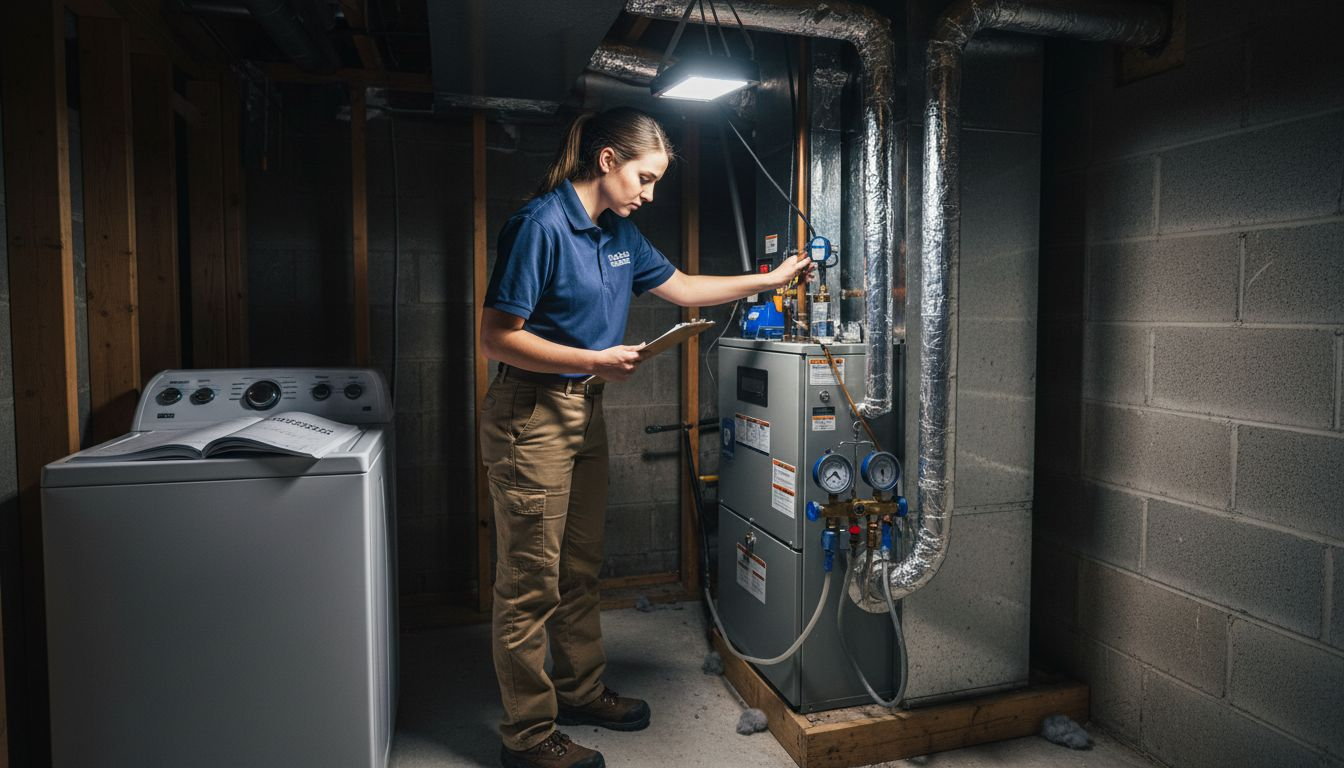
After ensuring safety, technicians diagnose the specific failure. They test thermostats, inspect heat exchangers, evaluate ignition systems, and examine blower motors and electrical connections. Advanced diagnostic equipment pinpoints problems that simple visual checks miss. Thermal imaging cameras detect hot spots, gas analyzers measure combustion efficiency, and pressure gauges identify airflow restrictions.
Repairs target the identified issues. Common emergency repairs include:
- Sealing or replacing damaged gas valves and supply lines
- Replacing cracked or corroded heat exchangers
- Repairing or replacing faulty ignition systems and flame sensors
- Fixing electrical shorts, damaged wiring, or failed control boards
- Cleaning or replacing blocked burners and combustion chambers
- Restoring proper venting and exhaust systems
After completing repairs, technicians perform comprehensive safety and performance testing. They verify proper combustion, check for gas leaks, measure carbon monoxide levels, and confirm adequate airflow. The furnace runs through complete heating cycles while technicians monitor temperatures, pressures, and electrical draws.
Pro Tip: Ask your technician to explain what failed and why. Understanding the cause helps you prevent future emergencies through proper maintenance and early problem recognition.
Risks and consequences of delaying emergency furnace repair
Delaying furnace emergency repair creates risks like burst pipes, carbon monoxide poisoning, electrical fires, and higher repair costs. When temperatures plummet, every hour without heat increases danger. Water in your pipes freezes and expands, cracking copper and bursting joints. A single burst pipe can release hundreds of gallons per hour, flooding floors, damaging walls, and destroying belongings.
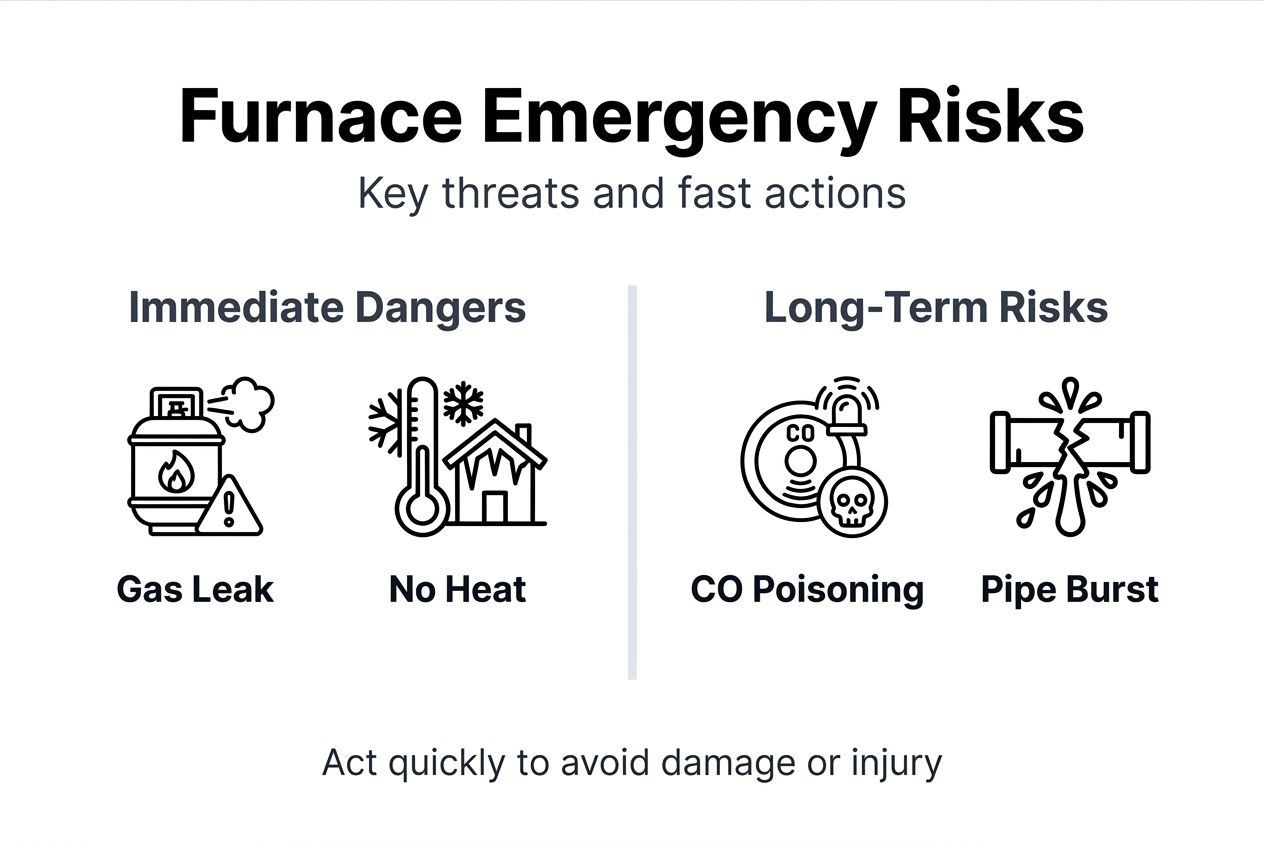
Carbon monoxide exposure represents an invisible threat. Cracked heat exchangers or blocked vents allow toxic combustion gases to enter your living spaces. Even low-level exposure causes headaches, fatigue, and nausea. Higher concentrations lead to unconsciousness and death. The Centers for Disease Control reports over 400 Americans die from accidental CO poisoning annually, with thousands more requiring emergency treatment.
Electrical hazards escalate as damaged furnace components continue operating. Frayed wiring, failing motors, and short circuits generate heat that ignites nearby materials. The National Fire Protection Association data shows heating equipment causes approximately 15% of home fires each year. Furnace fires spread rapidly through ductwork, making early detection and professional repair critical.
Postponing emergency repairs typically leads to more expensive problems. A minor electrical fault left unaddressed can damage the control board, blower motor, and transformer. What might have been a $300 repair becomes a $1,500 replacement. Complete system failure may require full furnace replacement costing $4,000 to $8,000 or more.
Financial and safety impacts of delayed risks of delaying furnace repair include:
- Frozen pipe repair and water damage restoration averaging $5,000 to $10,000
- Emergency room visits and hospitalization for carbon monoxide poisoning
- Fire damage to home structure, contents, and potential total loss
- Temporary housing costs while repairs are completed
- Increased energy bills from inefficient operation before complete failure
- Shortened furnace lifespan requiring premature replacement
Insurance may not cover all damage resulting from neglected maintenance or delayed emergency repairs. Acting quickly protects your investment and your family’s wellbeing.
Emergency vs. non-emergency furnace issues: making the right call
Understanding true emergencies that include gas leaks, CO alarms, and no heat during freezing conditions helps you respond appropriately. Not every furnace problem demands immediate after-hours service. Distinguishing urgent situations from minor issues saves money and resources while ensuring real emergencies get priority attention.
Clear criteria separate emergencies from routine problems. Gas leaks always constitute emergencies due to explosion and poisoning risks. Carbon monoxide detector activation requires immediate evacuation and emergency response. Complete heating loss during subfreezing weather threatens health and property. Visible smoke, flames, or sparks demand instant action.
Non-emergency issues can wait for regular business hours. Inconsistent heating that still provides some warmth is inconvenient but not immediately dangerous. Minor clicking or humming noises without burning smells typically indicate normal operation or minor adjustments. Thermostat display problems that do not affect heating functionality can be scheduled for routine service. Higher than normal energy bills suggest inefficiency but rarely signal imminent failure.
This comparison helps you make emergency vs non-emergency furnace repair decisions:
| Emergency (Call Immediately) | Non-Emergency (Schedule Service) |
|---|---|
| Natural gas smell or leak | Minor thermostat display issues |
| Carbon monoxide alarm activation | Slight temperature inconsistency between rooms |
| No heat when outdoor temperature below freezing | Normal operating sounds like quiet humming |
| Visible smoke, flames, or sparks | Slightly higher energy bills |
| Loud banging with burning smell | Pilot light out but easily relit in safe conditions |
| Cracked heat exchanger diagnosis | Dirty air filter needing replacement |
When you are uncertain whether your situation qualifies as an emergency, consider the outside temperature and time until normal business hours. If outdoor temperatures are below 32 degrees Fahrenheit and business hours are more than 12 hours away, opt for emergency service. Your safety and property protection outweigh the additional cost of after-hours calls.
Preventive measures to reduce furnace emergencies
Regular maintenance and safety inspections reduce emergency furnace issues and prolong system life. Professional tune-ups catch small problems before they become dangerous failures. Schedule annual preventive furnace maintenance in early fall, before Kansas City’s heating season begins.
During professional maintenance visits, technicians clean burners, inspect heat exchangers, test safety controls, and verify proper combustion. They identify worn components and recommend replacements before failures occur. Routine service typically costs $100 to $200 but prevents emergency repairs averaging $500 to $2,000.
Homeowners play an essential role in prevention too. Replace air filters every one to three months depending on usage and indoor air quality. Dirty filters restrict airflow, forcing your furnace to work harder and increasing failure risk. Keep the area around your furnace clear of storage items, cleaning supplies, and flammable materials.
Carbon monoxide detectors require regular attention. Test detectors monthly using the test button. Replace batteries twice yearly when you change clocks for daylight saving time. Replace entire CO detector units every five to seven years as sensors degrade over time.
Preventive steps that reduce emergency risk include:
- Scheduling professional furnace inspection and tune-up each fall
- Addressing small repairs promptly before they escalate
- Maintaining working carbon monoxide detectors on every level
- Keeping thermostat and electrical panel in good condition
- Clearing snow and ice from outdoor exhaust vents
- Educating household members to recognize warning signs
- Documenting maintenance history and repairs for reference
Investing in prevention costs far less than emergency repairs and provides peace of mind throughout winter.
Reliable emergency furnace repair services in Kansas City
When furnace emergencies strike, you need trusted professionals who respond quickly and fix problems right the first time. Licensed HVAC technicians provide 24/7 emergency HVAC repair workflow designed to restore your heating and safety fast. Experienced teams arrive equipped with diagnostic tools, common replacement parts, and expertise to handle gas leaks, electrical faults, and combustion problems safely.
Transparent pricing and upfront estimates eliminate surprises during stressful situations. Professional furnace repair services in Kansas City prioritize your family’s safety while delivering efficient repairs that last. You can schedule your emergency repair online or call for immediate assistance any time, day or night. Local experts understand Kansas City’s climate challenges and respond rapidly to protect your home and loved ones through even the coldest winter nights.
Frequently asked questions about emergency furnace repair
What immediate steps should I take if I smell gas near the furnace?
Evacuate your home immediately, leaving doors open as you exit to allow ventilation. Do not use light switches, phones, or any electrical devices inside. Call 911 and your gas company from outside, then contact emergency HVAC services once you are safely away from the building.
How fast do emergency furnace repairs typically happen in Kansas City?
Most emergency HVAC services in Kansas City respond within one to three hours of your call, depending on weather conditions and service demand. Technicians prioritize life-threatening situations like gas leaks and carbon monoxide issues first, followed by complete heating loss during extreme cold.
Can carbon monoxide alarms go off without a furnace problem?
Yes, carbon monoxide can come from other sources like blocked chimneys, gas water heaters, or vehicle exhaust in attached garages. However, you should always evacuate immediately when the alarm sounds and have professionals inspect all fuel-burning appliances, including your furnace, before re-entering your home.
Is it safe to keep using the furnace if it’s making noise but no other symptoms?
Minor humming or clicking is usually normal, but loud banging, screeching, or grinding indicates mechanical problems that will worsen. Continue using the furnace only if noises are quiet and there are no smells, smoke, or heating loss, but schedule professional inspection soon to prevent emergency failures.
How can I prepare my furnace to avoid emergencies this winter?
Schedule professional maintenance before heating season, replace air filters regularly, keep carbon monoxide detectors working, and address minor repairs promptly. Clear snow from outdoor vents, maintain space around your furnace, and educate family members about warning signs to catch problems early.
188betthethao – sounds like a solid sports betting platform. Hopefully, the odds are competitive. Fingers crossed! Try it if that sort of this is your bag 188betthethao and see, eh?