
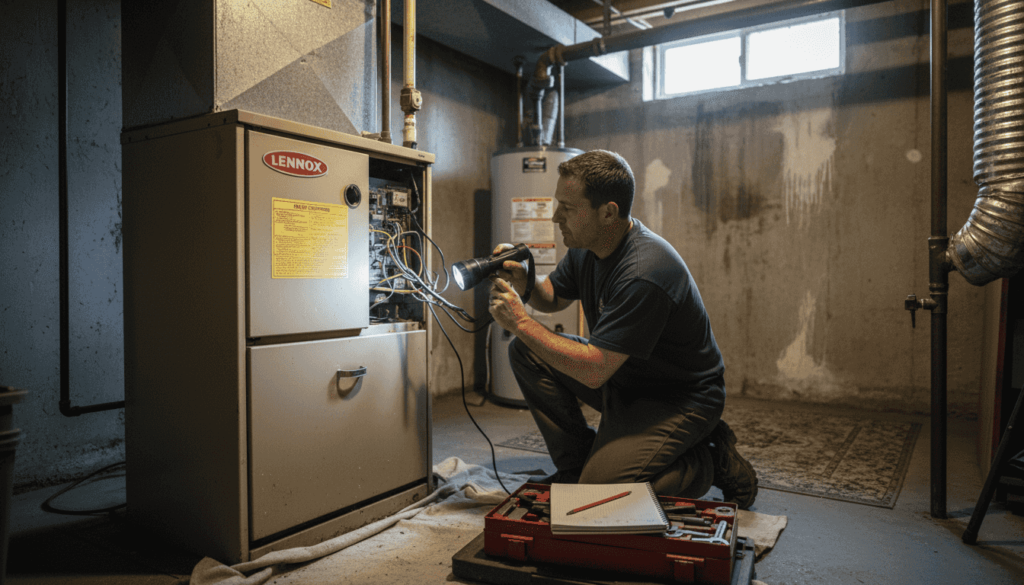
Waking up to a cold home in the middle of a Kansas City winter can turn any morning upside down. Many homeowners are unsure if their heating trouble requires urgent repairs, a full replacement, or just a quick maintenance visit. Understanding the difference between common systems like furnaces and boilers is key to making the right choice for your comfort and safety. Discover how reliable furnace repair, professional maintenance, and flexible financing keep your home warm—all season long.
Table of Contents
- Defining Furnace Repair And Common Misconceptions
- Types Of Furnaces And Typical Repair Issues
- How Furnace Repair Works Step-By-Step
- Recognizing Warning Signs And Safety Risks
- Cost Factors And When To Call A Professional
Key Takeaways
| Point | Details |
|---|---|
| Understanding Furnace Types is Crucial | Different furnace types and their characteristics influence the common repair issues and maintenance needs. Knowing your system can help you anticipate problems. |
| Myths About Furnace Repairs | Many homeowners believe misconceptions, such as all repairs being DIY or that maintenance is optional, which could lead to safety risks and increased costs. |
| Timely Repairs Can Extend Lifespan | Regular maintenance and prompt repairs of minor issues can extend your furnace’s life by over five years and enhance system efficiency. |
| Professional Assessment is Essential | Engaging a professional for diagnostics ensures accurate identification of issues and prevents potentially costly misdiagnoses or unnecessary repairs. |
Defining Furnace Repair and Common Misconceptions
A furnace is the heating system component that transfers heat from fuel combustion directly into the air circulating through your home. Unlike boilers that heat water or steam, furnaces warm air and distribute it through ducts to every room. This distinction matters because repair approaches differ significantly between systems.
Furnace repair means restoring your heating system to full working order when problems arise. It’s not just about getting heat back—it’s about maintaining safe fuel combustion, proper ventilation, and system efficiency. Furnace troubleshooting checklists can help identify issues before they become serious problems.
What Furnace Repair Actually Involves
When your furnace needs repair, technicians focus on several core areas:
- Fuel combustion and ignition systems
- Heat transfer mechanisms and efficiency
- Air distribution and ductwork
- Safety controls and ventilation
- Thermostat function and settings
These components work together to keep your Kansas City home warm and safe throughout winter months.
Common Misconceptions About Furnaces
Many homeowners misunderstand how furnaces operate and what repairs involve. Here are the biggest myths:
Misconception 1: Furnaces and boilers are the same thing. They’re completely different systems. Furnaces heat air; boilers heat water or steam. If you have a furnace with radiators, you actually have a boiler, not a furnace.
Misconception 2: AFUE ratings aren’t that important. Your furnace’s AFUE (Annual Fuel Utilization Efficiency) rating directly impacts your heating costs. A furnace rated at 90% AFUE wastes only 10% of fuel as heat, while older models waste 30% or more.
Misconception 3: Furnace repair is simple DIY work. Professional repair requires specialized tools and knowledge of fuel safety. Improper repairs can create carbon monoxide risks or system failures.
Misconception 4: All furnace problems require full replacement. Most issues are fixable through targeted repairs. Your technician can identify whether repair or replacement makes sense for your situation.
Most Kansas City homeowners can extend furnace life by 5+ years through regular maintenance and prompt repairs of minor issues.
Misconception 5: Regular maintenance is optional. Preventive care catches small problems before they become expensive repairs. Annual tune-ups keep your system running efficiently and safely.
Pro tip:Ask your HVAC technician to explain what they found during any repair—understanding your system helps you catch future problems early and make informed decisions about maintenance.
Types of Furnaces and Typical Repair Issues
Your furnace type determines which repairs you’ll likely face and how much maintenance it needs. Kansas City homes use several different furnace types, each with distinct characteristics and common problem areas. Understanding what you have helps you know what to expect.
Common Furnace Types
Furnaces are classified by their fuel source and how they operate:
- Natural gas furnaces – Most common in Kansas City; use natural gas for combustion
- Oil furnaces – Older homes sometimes have these; require regular maintenance and cleanup
- Propane furnaces – Used in areas without natural gas lines; similar operation to natural gas models
- Electric furnaces – Less common in Kansas City; use heating elements instead of combustion
- Wood-burning furnaces – Rare residential option; require specialized venting and safety measures
Combustion furnaces represent the majority of heating systems in American homes, including most Kansas City residences.
Here’s a quick reference comparing major furnace types used in Kansas City homes:
| Furnace Type | Typical Efficiency | Common Maintenance Needs | Average Lifespan |
|---|---|---|---|
| Natural Gas | High (80-98% AFUE) | Annual inspection and filter change | 15-20 years |
| Oil | Medium (78-88% AFUE) | Frequent cleaning and tune-ups | 15-25 years |
| Propane | High (80-97% AFUE) | Regular burner cleaning | 15-20 years |
| Electric | Very High (100% AFUE) | Occasional heating element check | 20-30 years |
| Wood-Burning | Variable (up to 80%) | Ash removal, chimney sweep | 10-20 years |
Typical Repair Issues Across Furnace Types
Certain problems appear frequently regardless of furnace type:
Common issue 1: Clogged or dirty filters. This happens fastest during heavy use months. Blocked filters reduce airflow, force your system to work harder, and can trigger shutdowns.
Common issue 2: Pilot light or ignition failures. Natural gas and propane furnaces rely on reliable ignition systems. When pilots won’t light or stay lit, your furnace won’t produce heat.
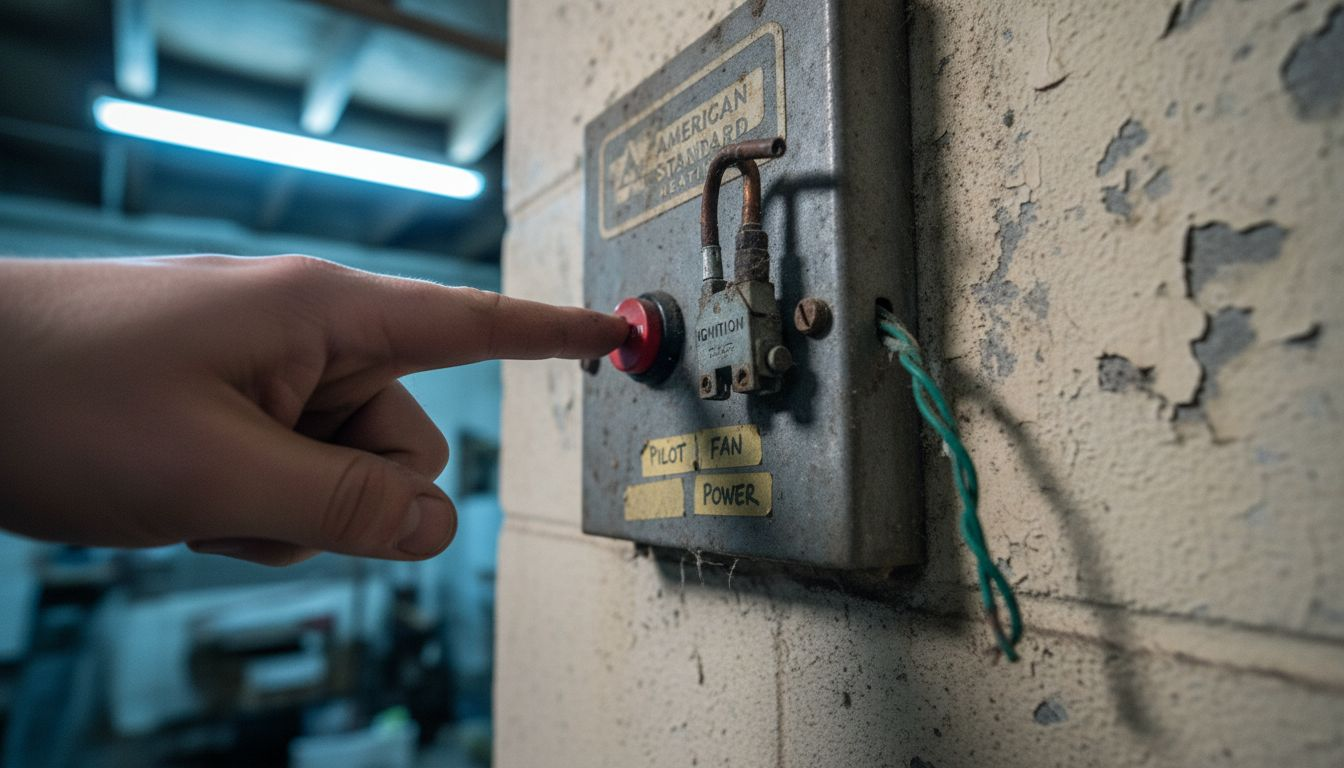
Common issue 3: Blower malfunctions. The blower circulates warm air through your home. If it fails, heat stays trapped in the furnace instead of warming your rooms.
Common issue 4: Venting problems. Improper venting creates safety hazards and efficiency losses. Blockages or damage in vent pipes prevent safe operation.
Common issue 5: Heat exchanger degradation. This critical component transfers combustion heat to your air. Cracks or corrosion require professional repair or replacement.
High-efficiency furnaces solve some problems but introduce complexity that requires specialized knowledge for repairs and maintenance.
Common issue 6: Thermostat failures. Your thermostat tells the furnace when to run. If it malfunctions, your system won’t respond to temperature changes.
Modern high-efficiency models contain more intricate components than older furnaces. This means repairs often demand specialized tools and training that only professional technicians possess.
Pro tip:Document any unusual sounds, smells, or behavior from your furnace and report it immediately to your technician—these details help identify problems faster and prevent system failures.
How Furnace Repair Works Step-by-Step
Professional furnace repair follows a logical process designed to identify problems, fix them safely, and restore your system to full operation. Understanding what technicians do during a repair call helps you know what to expect and why the work matters for your home’s safety and comfort.
Step 1: Visual Inspection and System Assessment
Your technician begins by examining the furnace for obvious issues like loose connections, rust, or damage. They’ll review your system’s age, model, and maintenance history to understand what they’re working with.
Next, they check all visible components and connections. This reveals many problems without even turning anything on.
Step 2: Operational Testing
Technicians activate your furnace using normal operating controls to see how it performs. They observe whether the system ignites, whether flames appear correctly, and if air circulation works.
During operation, they listen for unusual noises and check that the blower motor runs smoothly. This step often identifies the root cause of your heating problem.
Step 3: Diagnostic Testing of Key Components
If issues aren’t obvious, technicians run targeted tests on critical parts:
- Ignition systems – Testing whether igniters or spark plugs function
- Flame sensors – Checking if the furnace detects proper combustion
- Gas valves – Verifying fuel delivery works correctly
- Blower motors – Testing airflow capacity and function
- Safety switches – Ensuring protective devices respond properly
Understanding furnace operation steps helps explain why each component matters for reliable heating.
Step 4: Component Repair or Replacement
Once they identify the problem, technicians repair or replace the faulty part. Common fixes include cleaning flame sensors, replacing ignition components, or installing new blower motors.
For some repairs, cleaning is all that’s needed. Others require complete component replacement.
Step 5: System Testing and Verification
After repairs, your technician tests the entire furnace to confirm everything works. They run multiple heating cycles and check that temperatures rise properly.
They verify that venting operates safely and exhaust exits correctly. They also test all safety devices to ensure your system shuts down properly if problems occur.
A complete furnace repair includes safety verification—this protects your family from carbon monoxide and other heating hazards.
Step 6: Final Walkthrough and Recommendations
Your technician explains what they found and repaired. They’ll discuss whether your furnace needs additional maintenance or if replacement makes sense down the road.
They might recommend preventive measures like filter changes or annual tune-ups to prevent future breakdowns.
Pro tip:Ask your technician to show you where your furnace filter is located and request a demonstration of how to change it—this simple maintenance task between service calls can prevent many common problems.
Recognizing Warning Signs and Safety Risks
Your furnace sends clear signals when something’s wrong. Learning to recognize these warnings helps you catch problems early before they become dangerous or expensive. Some signs are merely inconvenient, but others pose serious safety threats to your family.
Common Warning Signs Your Furnace Needs Repair
Pay attention to these red flags:
- Failure to ignite – The furnace tries to start but produces no flame or heat
- Short cycling – System turns on, runs briefly, then shuts off repeatedly
- Unusual noises – Banging, rattling, or grinding sounds during operation
- Soot accumulation – Black dust or residue around the furnace or vents
- Blinking error codes – Indicator lights flashing patterns that signal problems
- Weak or no heat output – Furnace runs but doesn’t warm your home adequately
- Increased energy bills – Sudden spike in heating costs without explanation
These symptoms indicate your furnace isn’t operating normally and needs professional attention soon.
The following table highlights warning signs versus critical safety risks for furnace operation:
| Issue Type | Example Signal | Immediate Action Needed |
|---|---|---|
| Warning Sign | Unusual noises | Schedule technician soon |
| Safety Risk | Carbon monoxide detector alarm | Evacuate and call emergency help |
| Warning Sign | Weak heat output | Arrange diagnostic visit |
| Safety Risk | Natural gas smell | Leave home and call for gas shutoff |
Critical Safety Risks
Some furnace problems create genuine hazards. Take these seriously.
Carbon monoxide leaks represent the most dangerous furnace issue. Poor venting, cracked heat exchangers, or combustion problems allow this deadly, colorless gas to enter your home. Install battery-operated carbon monoxide detectors near your furnace and bedrooms.
Flame sensor failures cause the furnace to ignite briefly then shut down. A malfunctioning flame sensor can trigger short cycling and prevent reliable heating. Dirt or corrosion on the sensor impairs detection of proper combustion.
Cracked heat exchangers allow dangerous gases to mix with your breathing air. These cracks develop from age or stress and require immediate professional repair or replacement.
Gas leaks from damaged connections or valves create explosion and health risks. If you smell natural gas (a distinctive rotten egg odor), leave your home immediately and call emergency services.
Don’t ignore furnace warning signs—early repairs prevent safety hazards and keep repair costs manageable.
When to Call for Emergency Service
Some situations demand immediate professional response:
- Detecting natural gas odor in or around your home
- Carbon monoxide detector activating or sounding an alarm
- Visible flames or smoke coming from the furnace
- Furnace producing burning smells or excessive soot
- Complete heating failure during freezing weather
These emergencies shouldn’t wait for business hours. Call your HVAC provider immediately, even at night or on weekends.
Pro tip:Test your carbon monoxide detector monthly and replace batteries twice yearly—this simple maintenance step provides crucial protection against a silent, deadly hazard.
Cost Factors and When to Call a Professional
Furnace repair costs vary widely depending on what’s broken and how complex your system is. Understanding these factors helps you budget for repairs and decide whether fixing or replacing makes financial sense. Professional technicians can guide you through this decision with accurate cost estimates.
What Influences Furnace Repair Costs
Several variables affect how much you’ll pay for repairs:
- Furnace age and type – Older systems may have harder-to-find parts; newer models often cost more to repair
- Efficiency rating (AFUE) – High-efficiency furnaces contain more complex components requiring specialized knowledge
- Fuel type – Natural gas, oil, propane, and electric furnaces have different repair requirements and part costs
- Part availability – Common parts cost less; specialized components for rare models cost significantly more
- Labor complexity – Simple fixes like filter changes take minimal time; component replacement requires hours of skilled work
- Your location – Kansas City technician rates may differ from rural areas or neighboring states
- Extent of damage – Minor repairs cost far less than major component failures or replacements
A simple flame sensor cleaning might cost $100-200, while a heat exchanger replacement could exceed $1,500.
The 50% Rule for Repair Versus Replacement
Professionals often use the 50% rule to guide repair versus replacement decisions. If repair costs exceed 50% of what a new furnace costs, replacement usually makes more financial sense.
The repair versus replacement decision involves evaluating multiple cost factors beyond just the immediate repair price. Consider your furnace’s age, efficiency, and reliability history.
A 20-year-old furnace needing expensive repairs is a candidate for replacement. A 5-year-old system with one major repair problem might be worth fixing.
When You Should Call a Professional
Don’t wait for an emergency. Call a technician if:
- Your furnace won’t ignite or produce heat
- You notice unusual noises or burning smells
- Your heating bills spike unexpectedly
- The system cycles on and off repeatedly
- You detect soot or corrosion around the furnace
- Your carbon monoxide detector activates
- Your furnace is 15+ years old and needs repair
Professional diagnosis costs $75-150 but saves money by preventing misdiagnosis or unnecessary part replacement.
Professional assessment takes the guesswork out of repair decisions and often saves money by identifying the real problem quickly.
Getting Accurate Cost Estimates
Always get quotes from multiple technicians. Your estimate should include:
- Detailed description of the problem identified
- Specific parts needed and their costs
- Labor time and hourly rates
- Any warranty on repairs or replacement parts
- Recommendations for prevention or maintenance
Compare quotes carefully, but don’t choose solely based on lowest price. Experience and reliability matter when your family’s winter comfort is at stake.
Pro tip:Request written estimates from at least two technicians before authorizing major repairs, and ask about financing options if costs exceed your budget—most Kansas City HVAC providers offer flexible payment plans.
Protect Your Home With Expert Furnace Repair From KC Air Control
Understanding what furnace repair really involves is key to keeping your Kansas City home warm, safe, and efficient. If you notice warning signs like strange noises, weak heat, or cycling issues it is crucial to act fast. Our trusted professionals specialize in all furnace types and know exactly how to tackle problems such as heat exchanger degradation or ignition failures while ensuring safety and maximizing system lifespan.
Don’t wait for costly breakdowns or safety hazards. Discover the full benefits of regular service by exploring our Importance Of Maintenance – Air Control resources. Ready for dependable heating solutions? Visit KC Air Control now to schedule a thorough furnace inspection and repair. Protect your family and enjoy worry-free comfort all winter.
Frequently Asked Questions
What is furnace repair?
Furnace repair refers to the process of restoring a heating system to full working order when it experiences issues. This can involve fixing components related to fuel combustion, heat transfer, air distribution, safety controls, and more.
Why is regular maintenance important for my furnace?
Regular maintenance is crucial as it helps identify and address small problems before they escalate into major repairs. Annual tune-ups ensure your furnace runs efficiently and safely, prolonging its lifespan.
How can I tell if my furnace needs repair?
Look for warning signs such as failure to ignite, short cycling, unusual noises, weak heat output, and increased energy bills. If you notice these issues, it’s essential to seek professional help promptly.
What factors influence the cost of furnace repairs?
The cost of furnace repairs varies based on factors like the age and type of your furnace, the complexity of the repair, part availability, and labor costs. Simple fixes might be more affordable, whereas major component failures can be significantly more expensive.
Recommended
- 6 Essential Steps for a Furnace Troubleshooting Checklist – Air Control
- Furnace Repair – Air Control
- Furnace tune-up – Air Control
- Why Schedule HVAC Maintenance: Protect Your Comfort – Air Control
- Affordable Heating and Air: My Guide to Quality Comfort Home Therapist Cooling, Heating, and Plumbing
- Understanding Essential Heating Equipment For Your Home – Legacy Plumbing & Drain – Emergency Plumbers Of Sacramento