
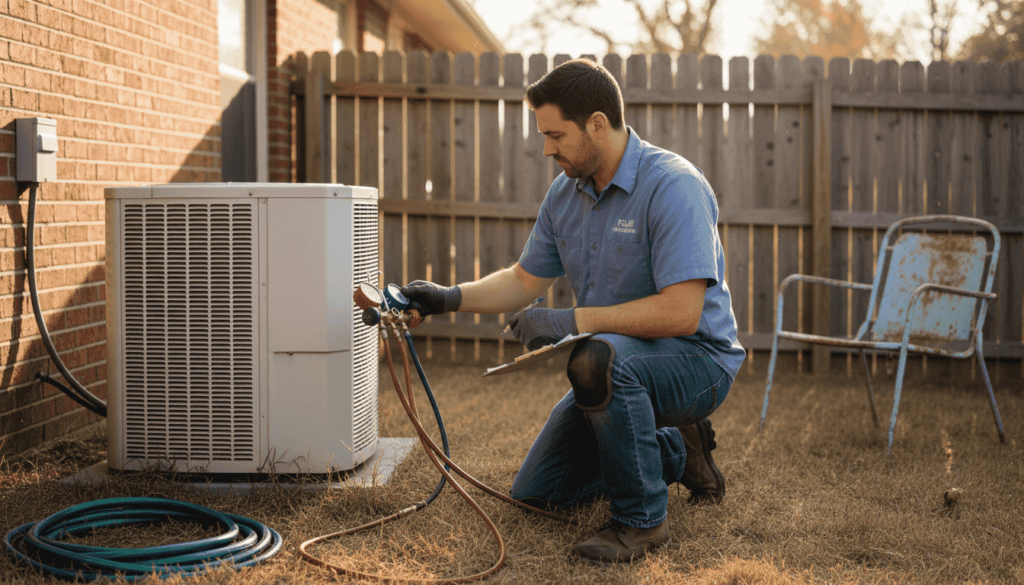
Homeowners in Kansas City know the frustration of a heating or cooling system failing during extreme Missouri weather. Reliable HVAC maintenance matters because overlooked service often turns minor issues into major expenses. By focusing on a comprehensive maintenance approach, you can keep your system running efficiently, extend its lifespan, and improve comfort. Discover how regular upkeep prevents costly breakdowns, optimizes energy use, and protects indoor air quality so your home stays safe and comfortable all year.
Your HVAC Maintenance Guide: Services, Benefits, Risks
- What Is HVAC Maintenance And Why Schedule It
- Core Types Of HVAC Maintenance Services
- How Regular Upkeep Improves System Performance
- Risks And Costs Of Neglected Maintenance
- Comparing DIY Versus Professional HVAC Maintenance
Key Takeaways
| Point | Details |
|---|---|
| Importance of HVAC Maintenance | Regular HVAC maintenance optimizes system performance and can significantly reduce energy costs and equipment failures. |
| Types of Maintenance | Preventive, corrective, and predictive maintenance approaches ensure comprehensive care of HVAC systems. |
| Risks of Neglect | Neglecting maintenance can lead to increased costs, shortened equipment lifespan, and poor indoor air quality. |
| DIY vs. Professional | Basic DIY tasks are acceptable, but professional maintenance is crucial for complex issues and optimal system performance. |
What Is HVAC Maintenance and Why Schedule It
HVAC maintenance represents a comprehensive approach to keeping your home’s heating, ventilation, and air conditioning system operating at peak performance. At its core, HVAC maintenance involves systematic inspection, cleaning, and servicing tasks designed to ensure your system runs efficiently and reliably throughout the year.
Professional maintenance goes far beyond basic cleaning. It includes detailed preventative maintenance strategies that help identify potential issues before they become expensive repairs. These strategic interventions are critical for multiple reasons:
- Detecting minor problems before they escalate
- Improving overall system energy efficiency
- Extending the operational lifespan of your equipment
- Maintaining consistent indoor air quality
- Preventing unexpected system breakdowns
The primary goal of HVAC maintenance is proactive management. By scheduling regular professional inspections, homeowners can optimize their system’s performance, reduce energy consumption, and minimize the likelihood of sudden, costly repairs. Regular maintenance helps your system work smarter, not harder, which translates directly into improved home comfort and lower utility bills.
Professional HVAC technicians perform comprehensive maintenance that typically includes:
- Cleaning or replacing air filters
- Checking refrigerant levels
- Inspecting electrical connections
- Lubricating moving parts
- Calibrating thermostats
- Examining system components for wear and potential failures
Regular HVAC maintenance can reduce the risk of unexpected system failures by up to 95% and extend equipment lifespan by several years.
Pro tip: Schedule your HVAC maintenance during shoulder seasons like spring or fall to ensure your system is prepared for extreme summer and winter temperatures.
Core Types of HVAC Maintenance Services
HVAC maintenance services are critical strategies designed to keep your home’s climate control system operating efficiently and effectively. Maintenance approaches can be categorized into three primary types, each serving a unique purpose in system preservation and performance management.
The first and most proactive type is preventive maintenance. This approach involves regular, scheduled inspections and routine tasks aimed at preventing potential system failures before they occur. Preventive maintenance typically includes:
- Cleaning or replacing air filters
- Lubricating moving mechanical parts
- Checking refrigerant levels
- Inspecting electrical connections
- Testing system performance and efficiency
- Cleaning system coils and components
Corrective maintenance represents a reactive approach where repairs are performed after an issue has been detected. While less ideal than preventive strategies, this type of maintenance addresses specific problems that emerge during system operation. These might include repairing a malfunctioning component, replacing a worn-out part, or resolving unexpected system breakdowns.
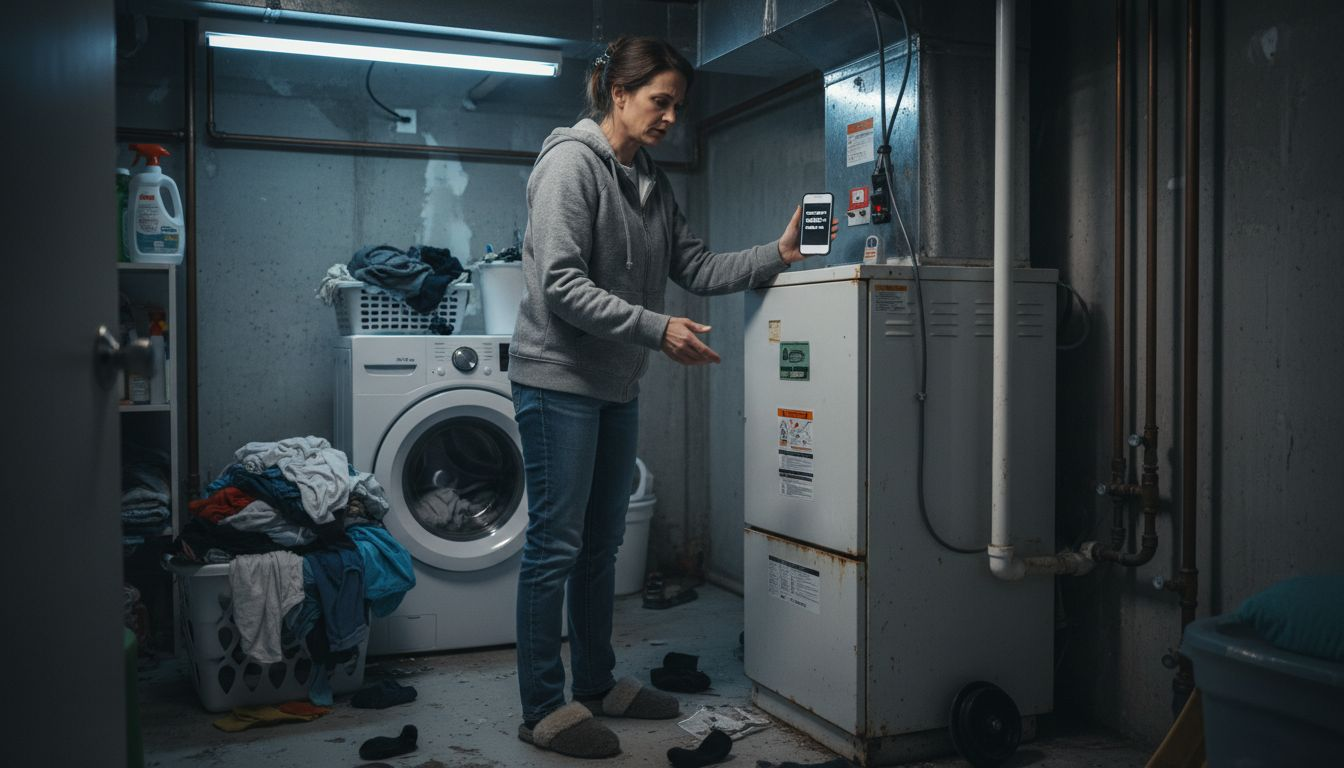
The most advanced maintenance type is predictive maintenance, which leverages modern monitoring technologies to anticipate potential failures before they happen. By using sophisticated diagnostic tools and data analysis, technicians can identify subtle changes in system performance that might indicate future problems.
Here’s a summary of the three main HVAC maintenance types and their advantages:
| Maintenance Type | Approach | Key Benefit | Typical Technology Used |
|---|---|---|---|
| Preventive | Scheduled, proactive | Avoids breakdowns, saves costs | Standard tools |
| Corrective | Reactive, after failure | Restores system quickly | Repair equipment |
| Predictive | Anticipatory, data-driven | Early detection, reduces outages | Monitoring sensors, analytics |
Professional HVAC maintenance can extend equipment lifespan by up to 40% and reduce unexpected repair costs by significant margins.
Pro tip: Consider investing in an annual maintenance contract to ensure consistent, comprehensive system care and potentially lower long-term repair expenses.
How Regular Upkeep Improves System Performance
Regular HVAC maintenance is more than just a recommended practice—it’s a critical strategy for ensuring optimal system performance and longevity. Maintenance best practices demonstrate that consistent upkeep directly impacts system efficiency, energy consumption, and overall home comfort.
One of the primary benefits of regular maintenance is improved energy efficiency. When HVAC systems are clean and well-tuned, they require less energy to produce the same level of heating or cooling. This translates into tangible benefits for homeowners:
- Reduced monthly utility bills
- Lower carbon footprint
- More consistent indoor temperatures
- Decreased strain on system components
- Extended equipment lifespan
Professional maintenance addresses multiple performance-critical areas. Technicians focus on ensuring optimal airflow, maintaining correct refrigerant levels, and keeping electrical components in top condition. These targeted interventions prevent minor issues from escalating into major system failures that could require expensive repairs or complete system replacement.
Beyond mechanical performance, regular upkeep significantly impacts indoor air quality. Clean filters, well-maintained ductwork, and properly functioning components help remove contaminants, reduce allergens, and create a healthier living environment. By preventing dust and debris buildup, homeowners can breathe easier and enjoy a more comfortable home atmosphere.
Consistent HVAC maintenance can improve system efficiency by up to 30% and potentially extend equipment life by 5-10 years.
Pro tip: Create a maintenance calendar with scheduled professional inspections to track and maintain your HVAC system’s peak performance.
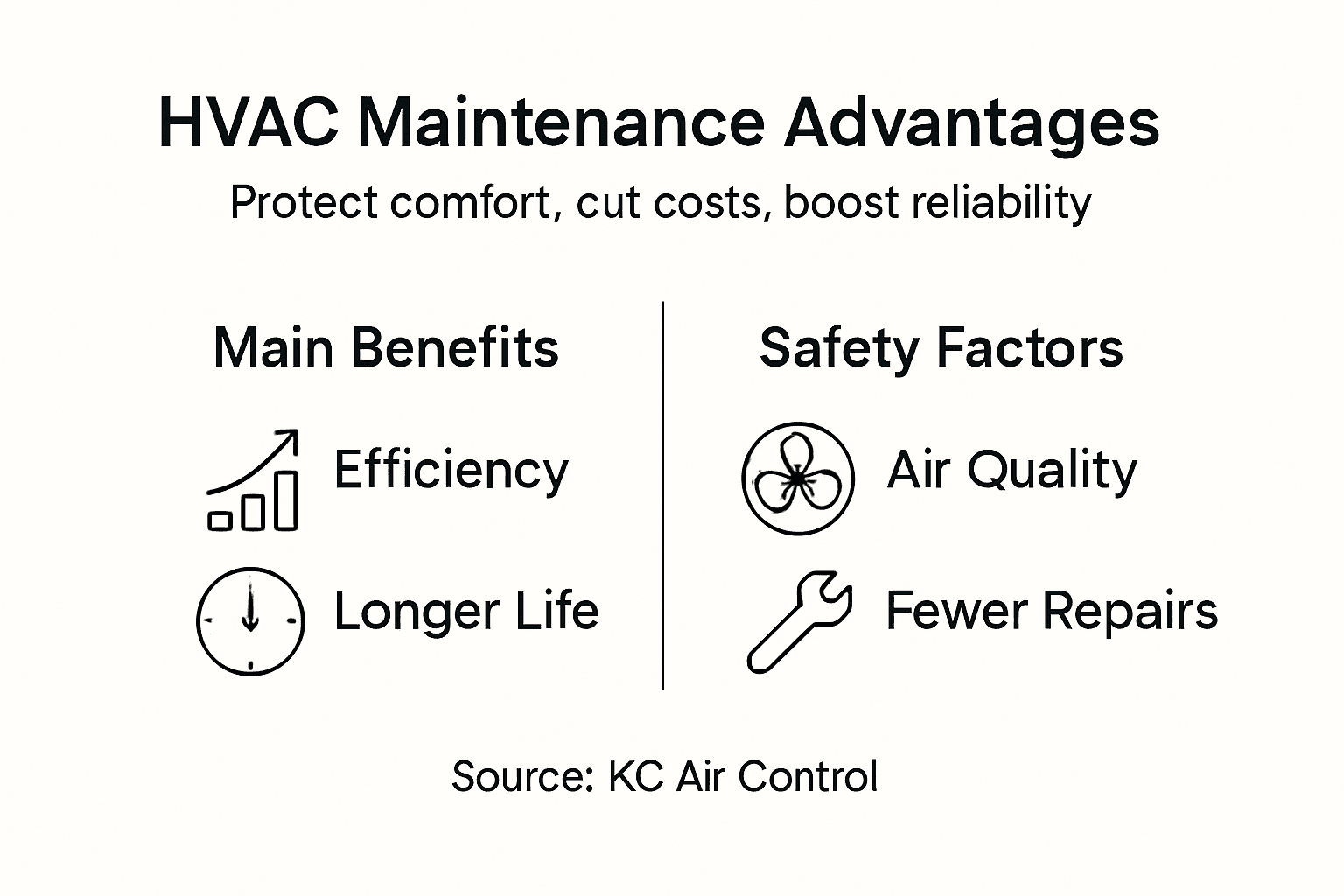
Risks and Costs of Neglected Maintenance
Neglecting your HVAC system’s maintenance is a risky financial strategy that can lead to significant long-term expenses. Economic analyses reveal that deferred maintenance often results in substantially higher owning and operating costs over the system’s entire lifecycle.
The financial risks of neglecting HVAC maintenance can be substantial and multifaceted:
- Increased energy consumption by up to 30%
- Premature equipment failure
- Higher emergency repair costs
- Reduced system efficiency
- Potential complete system replacement
- Decreased home comfort levels
System inefficiency becomes a major concern when maintenance is overlooked. Small issues like dirty filters, clogged air ducts, or low refrigerant levels can force your HVAC system to work significantly harder, consuming more energy and creating unnecessary strain on mechanical components. This additional stress accelerates wear and tear, potentially shortening your system’s operational lifespan by several years.
Beyond financial implications, neglected maintenance poses serious risks to indoor air quality and occupant health. Unmaintained systems can become breeding grounds for mold, bacteria, and allergens, circulating potentially harmful particulates throughout your living space. These hidden health hazards can trigger respiratory issues, allergic reactions, and other chronic health problems for residents.
Compare the impact of regular versus neglected HVAC maintenance on key system outcomes:
| Aspect | Regular Maintenance | Neglected Maintenance |
|---|---|---|
| Energy Efficiency | Up to 30% improvement | Up to 30% decline |
| Equipment Lifespan | Extended 5-10 years | Shortened by several years |
| Repair Costs | Lower, less frequent | Higher, often unpredictable |
| Indoor Air Quality | Healthy, fewer contaminants | Mold, allergens, potential hazards |
Neglected HVAC systems can cost homeowners up to 60% more in total lifetime expenses compared to regularly maintained systems.
Pro tip: Keep a maintenance log and set calendar reminders to track your HVAC system’s service history and upcoming maintenance needs.
Comparing DIY Versus Professional HVAC Maintenance
Homeowners often wonder about the boundaries between do-it-yourself maintenance and professional HVAC services. Professional maintenance requirements clearly distinguish between simple tasks homeowners can perform and complex interventions requiring specialized expertise.
DIY maintenance is appropriate for basic, low-risk tasks that do not require specialized knowledge or tools:
- Replacing air filters every 1-3 months
- Cleaning air vents and registers
- Removing debris around outdoor units
- Checking thermostat batteries
- Visually inspecting system components
- Keeping surrounding areas clean and unobstructed
Professional maintenance encompasses far more complex and critical system interventions. Trained technicians possess the technical knowledge, specialized diagnostic tools, and certification to perform comprehensive system evaluations that go beyond surface-level inspections. These professionals can:
- Conduct detailed refrigerant level assessments
- Perform electrical system diagnostics
- Calibrate complex system controls
- Identify potential future failure points
- Ensure compliance with manufacturer warranties
- Execute precision mechanical adjustments
Attempting advanced maintenance without proper training can lead to significant risks. Improper handling of electrical components, refrigerant systems, or mechanical parts could void equipment warranties, create safety hazards, and potentially cause extensive system damage that far exceeds the cost of professional service.
Improper DIY maintenance can reduce HVAC system efficiency by up to 40% and potentially invalidate manufacturer warranties.
Pro tip: Treat DIY maintenance as supplemental care, not a replacement for professional annual inspections and comprehensive system servicing.
Protect Your Home Comfort with Expert HVAC Maintenance
The article highlights the critical challenge of preventing costly HVAC breakdowns while maintaining energy efficiency and indoor air quality through regular system upkeep. You want to avoid unexpected repairs, keep your energy bills low, and ensure your family breathes clean air year-round. Scheduling professional HVAC maintenance is the best way to catch issues early, extend equipment lifespan, and preserve home comfort.
KC Air Control understands these concerns and offers comprehensive Uncategorized – Air Control services created to address your exact needs. With over 70 years of trusted experience serving Kansas City homeowners, we deliver reliable heating, cooling, and air quality solutions that help you avoid the risks of neglected upkeep and enjoy greater peace of mind.
Don’t wait until a breakdown disrupts your everyday life or drains your wallet. Take control now by visiting us at kcaircontrol.com to schedule your HVAC maintenance appointment. Let KC Air Control keep your system running smoothly and your home comfortable in every season.
Frequently Asked Questions
What is HVAC maintenance?
HVAC maintenance is a systematic approach to keeping your heating, ventilation, and air conditioning system operating efficiently. It includes tasks like inspection, cleaning, and servicing to enhance performance and prevent unexpected failures.
Why should I schedule regular HVAC maintenance?
Regular HVAC maintenance helps detect minor issues before they escalate, improves energy efficiency, extends system lifespan, maintains indoor air quality, and prevents costly breakdowns, ultimately enhancing home comfort and reducing utility bills.
How often should I schedule HVAC maintenance?
It’s recommended to schedule HVAC maintenance at least once a year, ideally during the shoulder seasons of spring or fall, to prepare the system for extreme temperature demands.
Can I perform my own HVAC maintenance, or should I hire a professional?
While homeowners can handle basic tasks like changing air filters and cleaning vents, professional maintenance involves complex evaluations and requires specialized knowledge and tools. It is advisable to schedule annual professional inspections for comprehensive care.
Pingback: Seasonal HVAC Maintenance Steps for Home Energy Savings - Air Control