
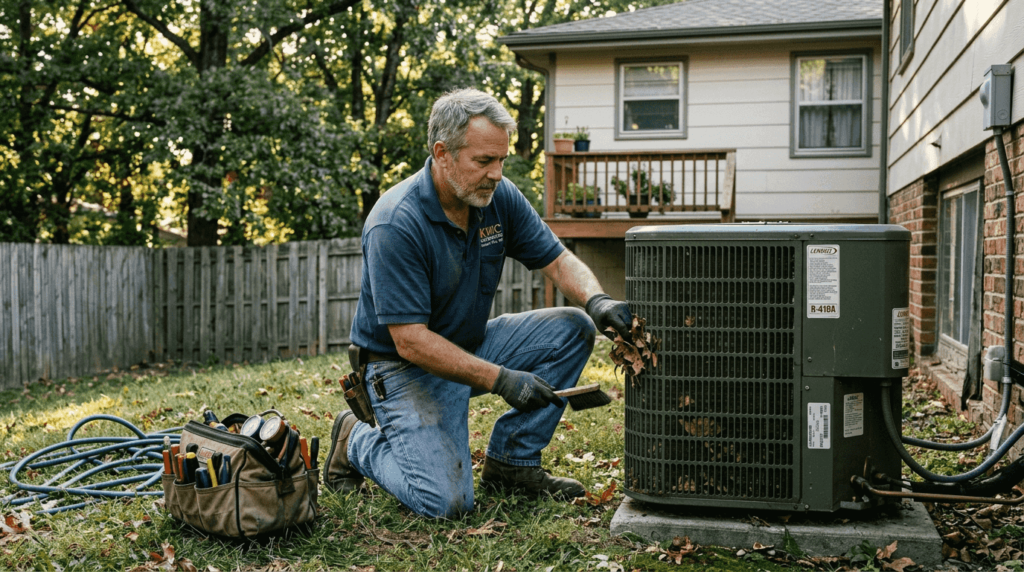
Kansas City’s dramatic temperature swings and high humidity put serious stress on your HVAC system year round. Without a structured maintenance workflow, you risk higher energy bills, uncomfortable indoor temperatures, and costly emergency repairs. This guide shows you how to build an effective HVAC maintenance routine that keeps your heating and cooling systems running efficiently through every season. You’ll learn the essential tasks, scheduling strategies, and troubleshooting tips that protect your home comfort and extend equipment life.
Table of Contents
- How Kansas City’s Climate Impacts HVAC Maintenance Needs
- Essential HVAC Maintenance Tasks In Your Workflow
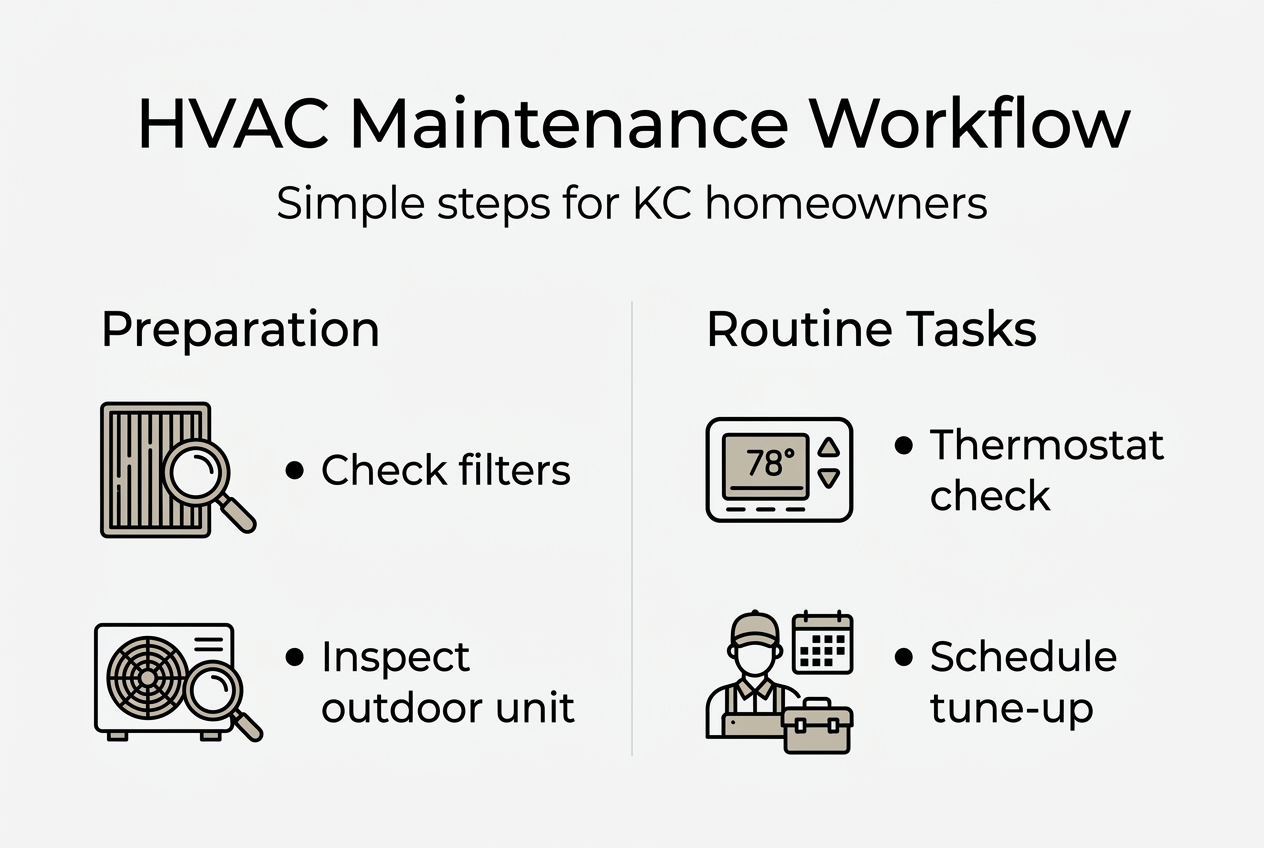
- Creating A Practical HVAC Maintenance Workflow: Step By Step
- Troubleshooting Common HVAC Maintenance Pitfalls And Verifying Results
- Keep Your HVAC System Running Smoothly With Air Control
Kansas City HVAC Maintenance Workflow Overview
| Point | Details |
|---|---|
| Regular maintenance cuts costs | Consistent HVAC care improves efficiency by up to 15% and prevents expensive breakdowns. |
| Filter changes are critical | Replace filters every 1 to 3 months to maintain airflow and protect indoor air quality. |
| Seasonal inspections matter | Professional tune-ups before heating and cooling seasons catch problems early. |
| Ductwork needs attention | Inspect ducts annually for leaks that waste energy and compromise comfort. |
| Track your maintenance | Keep a log of all service and tasks to ensure nothing gets missed. |
How Kansas City’s climate impacts HVAC maintenance needs
Kansas City homeowners face unique challenges that demand a tailored HVAC maintenance approach. Summer temperatures regularly climb into the 90s while winter lows can plunge below freezing, forcing your system to work overtime in both directions. This constant cycling between heating and cooling accelerates wear on components like compressors, heat exchangers, and blower motors.
Humidity adds another layer of complexity. Kansas City’s muggy summers create ideal conditions for mold and mildew growth inside ductwork and on evaporator coils. When moisture combines with dust and debris, it forms a breeding ground for allergens that circulate through your home. In Kansas City, HVAC systems face unique challenges due to fluctuating temperatures and humidity levels, making regular maintenance essential for healthy indoor air.
Your maintenance workflow must address both heating and cooling demands. A furnace that sits idle for six months can develop issues like cracked heat exchangers or clogged burners. Air conditioners face similar problems when dormant through winter. Regular attention to both systems prevents surprises when you need them most.
Duct inspection deserves special focus in this climate. Temperature fluctuations cause duct materials to expand and contract, potentially creating gaps at joints and connections. These leaks force your system to work harder, wasting energy and money. Key climate related maintenance priorities include:
- Increased filter replacement frequency during high pollen seasons
- Humidity control through proper drain line maintenance
- Coil cleaning to prevent mold buildup in summer months
- Duct sealing to combat energy loss from temperature induced gaps
- Year round thermostat calibration for accurate temperature control
Building your maintenance workflow around these climate specific needs ensures your system handles whatever Kansas City weather throws at it. The right schedule and tasks make the difference between a system that struggles and one that performs efficiently through seasonal HVAC maintenance steps designed for local conditions.
Essential HVAC maintenance tasks in your workflow
Every effective HVAC maintenance workflow starts with core tasks that keep your system running smoothly. These aren’t optional extras but fundamental actions that prevent breakdowns and maintain efficiency. Understanding what needs attention and when creates the foundation for reliable home comfort.
Proper HVAC maintenance includes filter replacement, coil cleaning, and ductwork inspection as non-negotiable elements. Here’s your complete task list:
-
Replace air filters every 1 to 3 months based on your home’s conditions. Homes with pets, smokers, or allergy sufferers need monthly changes. Standard households can stretch to 90 days with quality filters. Mark your calendar and stock extras so you never skip this critical step.
-
Clean evaporator and condenser coils annually before cooling season begins. Dirty coils reduce efficiency by 30% or more, forcing your system to run longer for the same cooling effect. Indoor coils collect dust while outdoor coils accumulate leaves, grass clippings, and cottonwood seeds common in Kansas City.
-
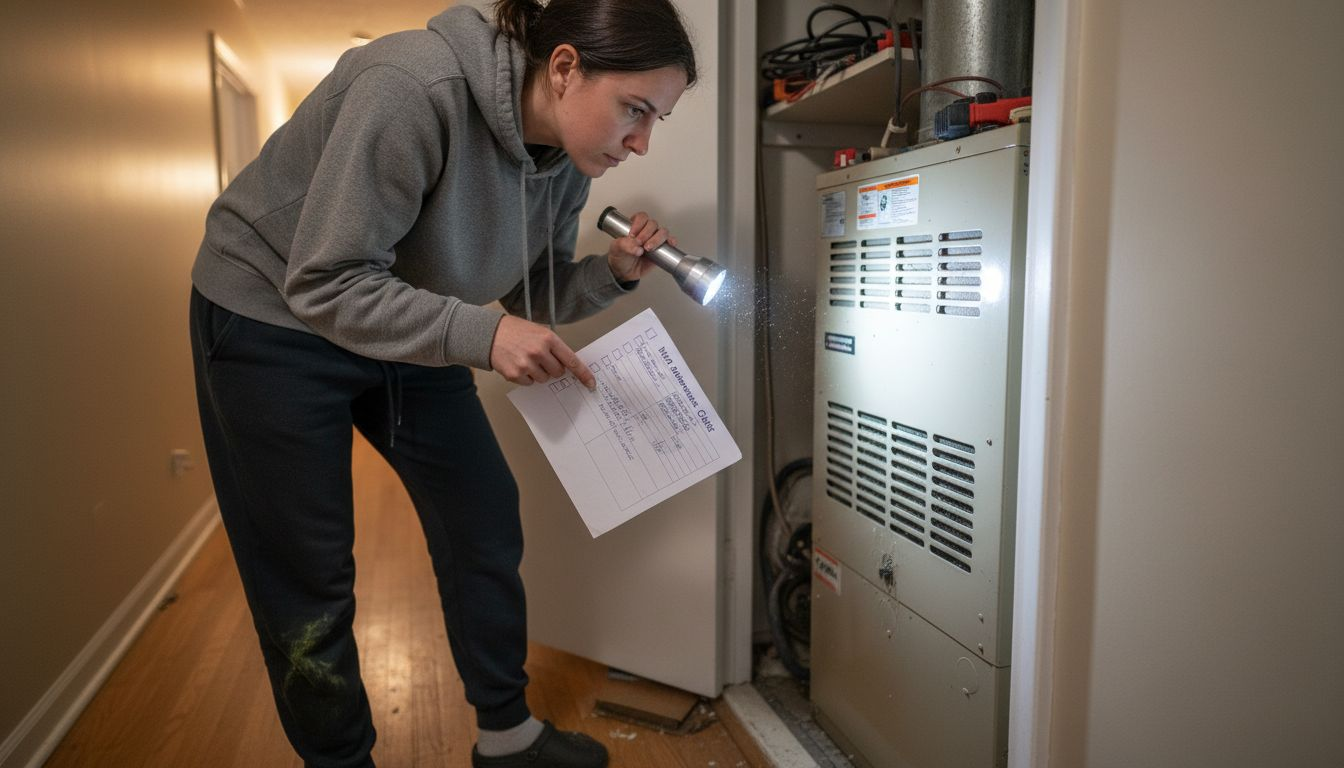
Inspect ductwork for leaks and insulation problems at least once yearly. Check accessible sections in basements and attics for gaps, disconnected joints, or damaged insulation. Seal small leaks with mastic sealant and call professionals for larger repairs.
-
Check thermostat accuracy and settings seasonally. Verify that your thermostat’s temperature reading matches an independent thermometer. Review programmed schedules to match your current routine and adjust for daylight saving time changes.
-
Examine electrical components and connections during professional service visits. Loose wiring, worn contactors, and failing capacitors cause most HVAC electrical problems. Technicians can spot these issues before they lead to system failure.
-
Clear condensate drain lines monthly during cooling season. Pour a cup of white vinegar down the drain line to prevent algae buildup that causes water damage and system shutdowns.
-
Maintain outdoor unit clearance by keeping vegetation and debris at least two feet away from your condenser. Trim bushes, remove fallen leaves, and ensure proper airflow around the unit.
-
Keep detailed maintenance records in a dedicated notebook or digital file. Log every filter change, professional service, and repair with dates and observations. This history helps technicians diagnose problems and proves valuable when selling your home.
Pro Tip: Take photos of your equipment’s model and serial numbers and store them in your phone. You’ll have this information handy when ordering parts or scheduling service without crawling into tight spaces.
Following a comprehensive HVAC maintenance checklist ensures nothing gets overlooked. These tasks form the backbone of your workflow, protecting your investment and keeping your family comfortable.
Creating a practical HVAC maintenance workflow: step by step
Transforming individual tasks into a cohesive workflow requires organization and consistency. The right system turns maintenance from an overwhelming chore into a manageable routine that runs almost automatically.
Scheduling routine inspections, cleanings, and adjustments is key to sustaining performance throughout the year. Follow these steps:
-
Map tasks to seasons by creating a quarterly maintenance calendar. Spring focuses on cooling system preparation, fall on heating readiness, while summer and winter emphasize monitoring and minor adjustments.
-
Choose your service approach based on comfort level and available time. Compare DIY versus professional options:
| Approach | Best For | Limitations |
| — | — |
| Full DIY | Simple tasks like filters, thermostat checks, outdoor cleaning | Lacks specialized tools and expertise for technical work |
| Hybrid | Homeowners who handle monthly tasks but schedule professional tune-ups | Requires coordination between your work and technician visits |
| Full Professional | Busy households or those uncomfortable with maintenance tasks | Higher cost but comprehensive coverage and priority service |
-
Set up automated reminders using your smartphone calendar, dedicated maintenance apps, or even simple sticky notes on your thermostat. Schedule notifications two weeks before tasks are due so you have time to prepare.
-
Consider a maintenance agreement that bundles seasonal tune-ups with priority scheduling and repair discounts. These plans typically cost less than paying for individual visits and ensure you never miss critical HVAC inspection guide appointments.
-
Document your workflow steps in a simple checklist format. Write down exactly what you inspect, clean, or replace during each session. This consistency ensures thorough coverage and makes it easy for family members to help.
-
Review and adjust quarterly based on system performance and seasonal challenges. If you notice increased dust during certain months, adjust filter change frequency. Unusual weather patterns may require schedule modifications.
-
Stock necessary supplies like filters, cleaning solutions, and basic tools in a dedicated storage area. Having everything ready eliminates excuses for skipping maintenance.
Pro Tip: Schedule your spring HVAC tune-up in March or early April before technicians get slammed with emergency calls. You’ll get better appointment times and unhurried service.
Your workflow should feel sustainable, not burdensome. Start with the essentials and add tasks as you build confidence. The goal is consistent action that becomes second nature, protecting your system through every season.
Troubleshooting common HVAC maintenance pitfalls and verifying results
Even well-intentioned homeowners make mistakes that undermine their maintenance efforts. Recognizing these pitfalls and knowing how to verify your workflow’s effectiveness ensures you’re actually protecting your investment.
A common pitfall is neglecting ductwork inspection, which leads to significant energy loss and indoor air quality issues. Watch for these frequent errors:
- Skipping filter changes because the current filter looks clean (dirt isn’t always visible)
- Using the cheapest filters available instead of appropriate MERV ratings for your needs
- Ignoring unusual sounds or smells that signal developing problems
- Postponing professional service because the system seems to work fine
- Cleaning outdoor coils with high pressure washers that damage delicate fins
- Forgetting to change thermostat batteries until the system stops responding
- Overlooking condensate drain maintenance until water damage occurs
Verifying your maintenance workflow’s effectiveness requires attention to specific indicators. Lower energy bills compared to previous years suggest improved efficiency. Your system should maintain consistent temperatures throughout your home without excessive cycling. Better indoor air quality shows up as reduced dust accumulation and fewer allergy symptoms.
Use these verification methods:
- Compare utility bills year over year for the same months
- Monitor how long your system runs to reach set temperatures
- Check air filter condition between changes to assess replacement frequency
- Note any changes in comfort levels or air quality
- Track repair frequency and costs over time
Pro Tip: Take a baseline measurement of your system’s amp draw during a professional service visit. Future readings help identify developing compressor or motor problems before they cause failures.
Professional inspections provide the most thorough verification. Technicians use specialized tools to measure airflow, refrigerant levels, and combustion efficiency that homeowners can’t assess. Schedule these checks even when everything seems fine.
“Preventative maintenance isn’t about fixing problems, it’s about preventing them from happening in the first place. The money you spend on routine care is a fraction of what emergency repairs cost.”
Seek expert help immediately when you notice persistent issues despite regular maintenance. Unusual noises, frequent cycling, or declining performance indicate problems beyond routine care. Early professional intervention through why schedule HVAC maintenance prevents minor issues from becoming major expenses.
Update your workflow based on what you learn. If certain tasks prove too difficult or time consuming, shift them to professional service visits. If you discover new problem areas, add inspection points to your routine. Your maintenance workflow should evolve with your system’s needs and your growing expertise.
Keep your HVAC system running smoothly with Air Control
Building an effective maintenance workflow takes knowledge and commitment, but you don’t have to handle everything alone. Professional support amplifies your efforts and catches issues that escape routine homeowner inspections.

Air Control’s comprehensive HVAC tune-up service gives your system the deep cleaning and precision adjustments that maximize efficiency and extend equipment life. Our technicians bring specialized tools and 70 years of combined experience to every appointment, identifying potential problems before they disrupt your comfort. When unexpected breakdowns happen despite your best maintenance efforts, our emergency HVAC repair workflow gets your system back online fast with priority scheduling for maintenance agreement customers. Managing your HVAC care is easier than ever through our convenient online booking system that lets you schedule service, request estimates, and track appointments from any device. We’re here to support your maintenance workflow and ensure your Kansas City home stays comfortable year round.
FAQ
How often should I replace HVAC filters in Kansas City?
Replacing air filters every 1 to 3 months is critical for optimal performance in Kansas City homes. High pollen counts in spring and fall, combined with summer humidity, can clog filters faster than in milder climates. Homes with pets, multiple occupants, or allergy sufferers should change filters monthly, while typical households can extend to 90 days with quality pleated filters. Check your filter monthly regardless of schedule and replace it early if it looks dirty or restricts airflow.
What are signs my HVAC ductwork needs inspection?
Unusual dust accumulation on furniture, uneven heating or cooling between rooms, and unexplained increases in energy bills all suggest duct leaks or damage. You might also notice whistling sounds from vents or visible gaps at duct connections in accessible areas. Neglecting ductwork inspection leads to significant energy loss and indoor air quality problems. Professional inspection uses specialized cameras and pressure testing to identify hidden leaks that waste conditioned air and force your system to work harder.
Can I perform all HVAC maintenance tasks myself?
Homeowners can safely handle filter replacement, thermostat adjustments, outdoor unit cleaning, and basic visual inspections without professional help. These tasks require only common tools and basic knowledge. However, coil cleaning, refrigerant service, electrical component testing, and duct sealing demand specialized equipment and training that most homeowners lack. Attempting complex repairs without proper expertise risks equipment damage, voided warranties, and safety hazards. A hybrid approach where you handle routine monthly tasks while scheduling professional seasonal tune-ups provides the best balance of cost savings and thorough care.
How do maintenance agreements benefit Kansas City homeowners?
Maintenance agreements bundle seasonal tune-ups with priority scheduling, repair discounts, and often waived service call fees into predictable annual costs. You avoid the spring and fall rush when technicians are booked weeks out, getting faster service when you need it most. Many agreements include additional perks like extended warranties on parts and labor, transferable benefits if you sell your home, and automatic reminders for scheduled services. The cost typically runs less than paying for individual tune-up visits while ensuring you never skip critical maintenance that prevents expensive emergency repairs.
What’s the best time to schedule professional HVAC maintenance in Kansas City?
Schedule cooling system tune-ups in March or early April before temperatures climb and service demand spikes. Book heating system maintenance in September or early October before the first cold snap arrives. These timing windows give you the best appointment availability and unhurried service from technicians who aren’t racing between emergency calls. Early scheduling also identifies problems while you still have time for repairs before you actually need the system. Avoid waiting until you turn on your AC or furnace for the first time, as that’s when most homeowners discover issues simultaneously and create service backlogs.
Recommended
- Seasonal HVAC Maintenance Steps for Home Energy Savings – Air Control
- HVAC Maintenance: Boosting Home Comfort and Savings – Air Control
- Regular HVAC Servicing Cuts Kansas City Bills 30% in 2026 – Air Control
- HVAC inspections for Kansas City homeowners: 2026 guide – KC Air Control – Heating & Cooling