
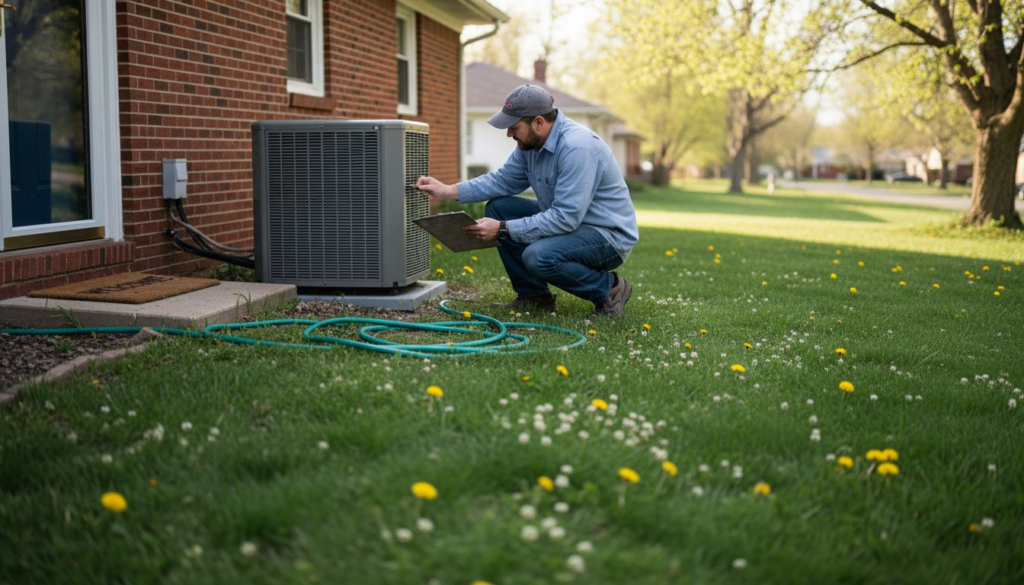
Most Kansas City homeowners believe their HVAC system only needs attention when something breaks. This costly misconception leads to shortened equipment life, skyrocketing energy bills, and uncomfortable homes during extreme weather. The truth is that seasonal maintenance extends system lifespan by up to 30% while dramatically improving efficiency and comfort. Regular checkups catch small problems before they become expensive emergencies, especially important given Kansas City’s temperature swings from humid summers to freezing winters. This article explores why twice-yearly HVAC maintenance is essential for protecting your investment and keeping your home comfortable year-round.
Table of Contents
- How Seasonal HVAC Checkups Extend System Lifespan
- Improving HVAC Efficiency With Seasonal Checkups
- Preventing Costly Breakdowns Through Seasonal HVAC Maintenance
- How To Get The Most From Your Seasonal HVAC Checkups
- Keep Your Kansas City Home Comfortable Year-Round With Expert HVAC Care
Browse Seasonal HVAC Maintenance Topics
| Point | Details |
|---|---|
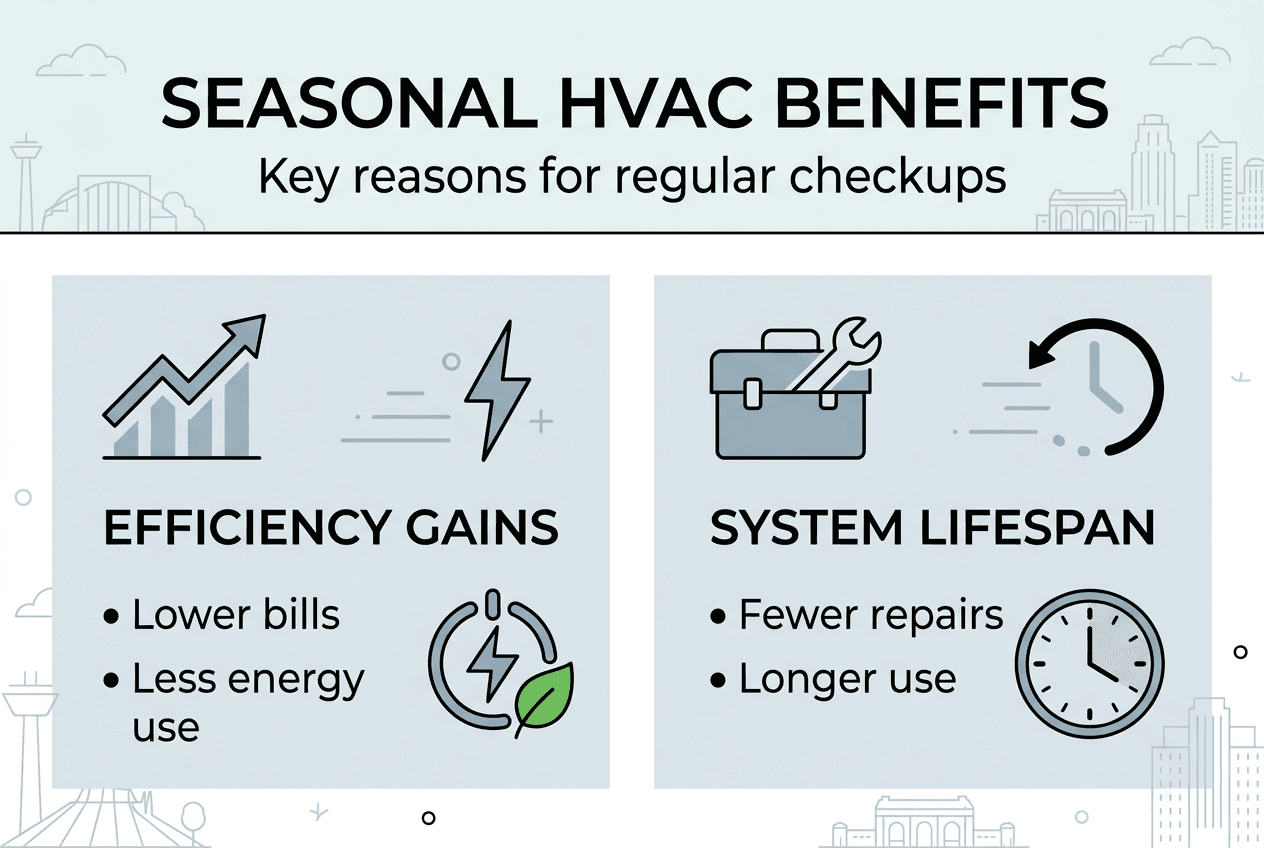
| Efficiency boost | Seasonal checkups improve HVAC efficiency by up to 20%, reducing monthly energy costs significantly. |
| Extended lifespan | Regular maintenance extends equipment life by as much as 30%, delaying expensive replacement. |
| Fewer breakdowns | Maintained systems experience 40% fewer emergency repairs compared to neglected units. |
| Energy savings | Proper maintenance prevents efficiency losses that can reach 40% in unmaintained systems. |
| Climate adaptation | Kansas City’s seasonal extremes make twice-yearly servicing critical for reliable performance. |
How seasonal HVAC checkups extend system lifespan
Your HVAC system is one of the most expensive appliances in your home, typically costing $5,000 to $10,000 to replace. Regular seasonal maintenance protects this investment by preventing premature failure. Systems with consistent maintenance last 10 to 15 years, while neglected units often fail within 8 to 10 years. The difference comes down to preventing cumulative wear and catching problems early.
Seasonal checkups address the mechanical stress HVAC systems endure throughout the year. Kansas City’s climate puts unique pressure on heating and cooling equipment. Summer humidity forces air conditioners to work overtime removing moisture, while winter cold pushes furnaces to their limits. Each season brings different challenges that accelerate component wear without proper maintenance.
During a professional inspection, technicians identify worn belts, loose electrical connections, and dirty coils before they cause system failure. A loose fan belt might seem minor, but it reduces airflow and forces the motor to work harder, shortening its life. Similarly, dirty condenser coils make the compressor run longer and hotter, leading to early burnout. These issues are invisible to homeowners but obvious to trained technicians.
“Regular HVAC maintenance, including seasonal checkups, can extend the lifespan of HVAC equipment by up to 30%.” – Air Conditioning Contractors of America
Pro Tip: Keep a maintenance log with dates, services performed, and technician recommendations. This history helps you track patterns and provides valuable information if you need warranty service or plan to sell your home.
The financial impact of extended lifespan is substantial. If regular maintenance adds even three years to a $7,000 system, you save over $2,000 in replacement costs, far exceeding the $300 to $500 annual cost of seasonal checkups. Beyond money, you avoid the stress and discomfort of unexpected system failure during extreme weather.
Key components that benefit from seasonal attention include:
- Compressor: The heart of your AC system, extremely expensive to replace
- Heat exchanger: Critical furnace component that can crack without proper care
- Blower motor: Works year-round and wears faster without lubrication and cleaning
- Electrical contacts: Corrode over time, causing system failure if not maintained
Understanding why HVAC maintenance matters helps you prioritize this essential service. The connection between maintenance and home comfort goes beyond just equipment longevity. Well-maintained systems provide consistent temperatures, better humidity control, and improved air quality throughout your home.
Improving HVAC efficiency with seasonal checkups
Energy efficiency directly impacts your monthly utility bills and environmental footprint. Seasonal checkups improve system efficiency by up to 20%, translating to significant savings over time. A typical Kansas City home spends $1,200 to $2,000 annually on heating and cooling. A 20% efficiency improvement saves $240 to $400 each year, paying for maintenance costs while putting money back in your pocket.
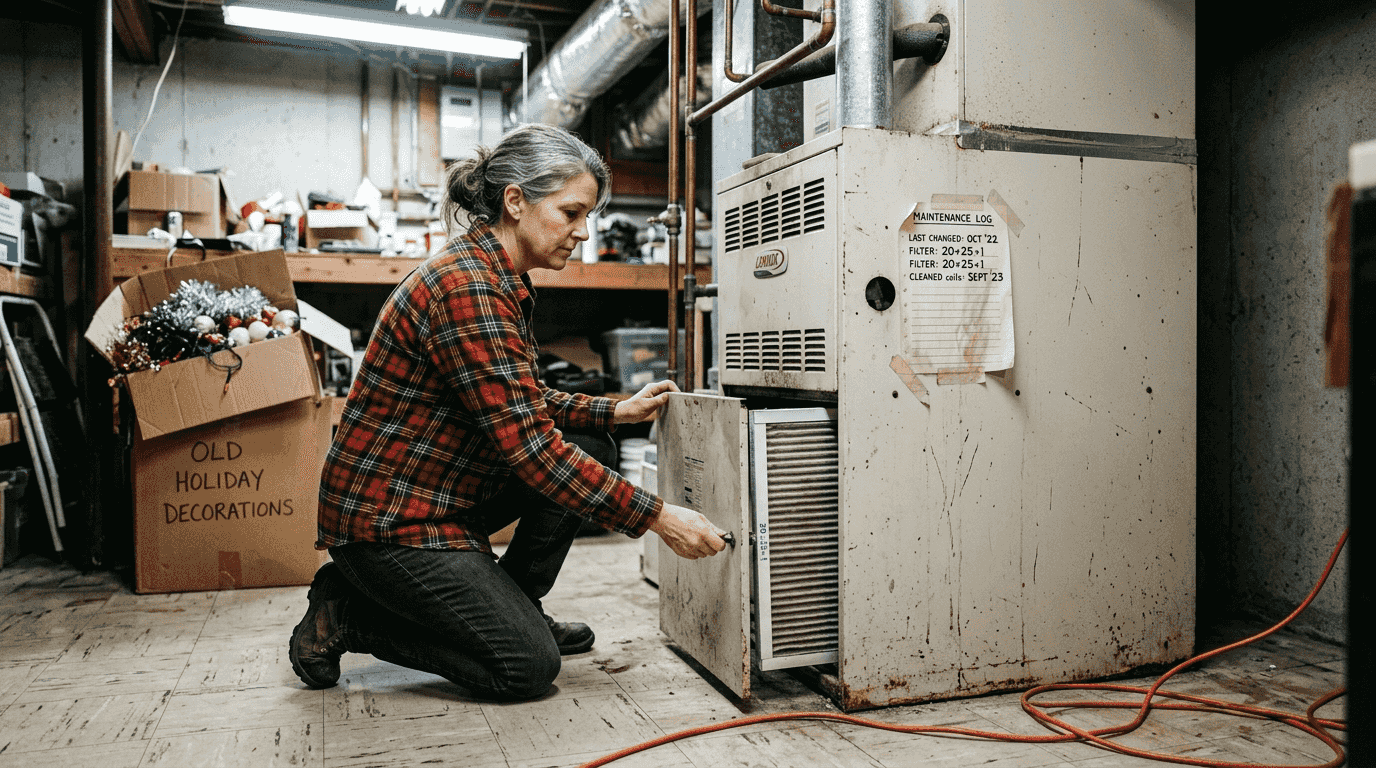
Efficiency losses happen gradually as systems age and components degrade. Dirty air filters restrict airflow, forcing the blower motor to consume more electricity while delivering less conditioned air. Low refrigerant levels make the compressor work harder without achieving proper cooling. Misaligned thermostats cause the system to run longer than necessary. Each issue compounds, creating a cascade of inefficiency.
Seasonal maintenance addresses these efficiency killers systematically. Technicians clean or replace air filters, check and adjust refrigerant levels, calibrate thermostats, clean condenser and evaporator coils, and inspect ductwork for leaks. These tasks restore your system to near-original efficiency, reversing the gradual decline that occurs between services.
Research shows maintenance significantly improves energy efficiency and reduces consumption by up to 20%. This matters especially during Kansas City’s peak seasons when HVAC systems run constantly. Summer temperatures regularly exceed 90 degrees with high humidity, while winter lows dip below freezing. Your system works hardest precisely when efficiency matters most.
Pro Tip: Schedule your spring checkup in April before cooling season starts and your fall checkup in October before heating season begins. This timing ensures your system is ready when you need it most.
Specific maintenance tasks that boost efficiency include:
- Cleaning condenser coils: Removes dirt and debris that block heat transfer
- Checking refrigerant charge: Ensures optimal cooling without wasting energy
- Calibrating thermostats: Prevents temperature overshoots that waste energy
- Sealing duct leaks: Stops conditioned air from escaping before reaching rooms
- Lubricating motors: Reduces friction and electrical consumption
The table below shows typical efficiency improvements from seasonal maintenance:
| Maintenance Task | Efficiency Gain | Annual Savings |
|---|---|---|
| Clean/replace filters | 5-15% | $60-$180 |
| Coil cleaning | 10-25% | $120-$300 |
| Refrigerant adjustment | 5-20% | $60-$240 |
| Thermostat calibration | 3-10% | $36-$120 |
| Duct sealing | 10-30% | $120-$360 |
Implementing seasonal HVAC maintenance steps delivers measurable energy savings. Many homeowners notice lower utility bills immediately after professional service. The benefits of regular tune-ups extend beyond just efficiency, improving comfort and reliability while reducing environmental impact.
Preventing costly breakdowns through seasonal HVAC maintenance
Emergency HVAC repairs are expensive, inconvenient, and often happen at the worst possible time. Systems with regular maintenance have 40% fewer emergency repair calls compared to neglected units. This dramatic reduction comes from identifying and fixing small problems before they escalate into major failures.
Consider a typical breakdown scenario: a failing capacitor causes your AC compressor to overheat and burn out on the hottest day of summer. The capacitor costs $150 to replace during routine maintenance, but the emergency compressor replacement runs $1,500 to $3,000 plus the cost of a hotel room while your home is uninhabitable. Seasonal checkups catch capacitor wear before failure occurs.
The financial difference between maintained and unmaintained systems is striking. Homeowners who skip maintenance face average annual repair costs of $500 to $800, with major breakdowns every few years costing thousands more. Those who invest in seasonal checkups typically spend $300 to $500 annually on preventive service with minimal unexpected repairs.
Neglecting maintenance can reduce efficiency by 5 to 40% and shorten lifespan significantly. This efficiency loss increases operating costs while the lack of inspection allows component wear to progress unchecked. Eventually, something fails catastrophically, often damaging related components and multiplying repair costs.
Common failures prevented by seasonal maintenance:
- Compressor burnout: Caught early through electrical testing and refrigerant checks
- Heat exchanger cracks: Identified during combustion analysis before carbon monoxide leaks
- Blower motor failure: Prevented through lubrication and bearing inspection
- Refrigerant leaks: Detected and repaired before causing compressor damage
- Electrical failures: Avoided by tightening connections and replacing worn contactors
The breakdown prevention process works through systematic inspection:
- Visual examination identifies obvious wear, corrosion, or damage
- Electrical testing reveals failing components before complete failure
- Performance measurements show declining efficiency indicating problems
- Cleaning prevents failures caused by dirt and debris accumulation
- Adjustments restore proper operation and reduce component stress
Pro Tip: If your system is over 10 years old, ask your technician to prioritize inspection of the compressor, heat exchanger, and blower motor during seasonal checkups. These expensive components often show warning signs before failure.
The peace of mind from reliable HVAC performance is invaluable. You avoid the stress of midnight furnace failures in January or AC breakdowns during July heat waves. Your family stays comfortable regardless of outdoor conditions. Regular servicing cuts repair costs while providing predictable maintenance expenses you can budget for rather than surprise emergency bills.
Understanding why AC tune-ups save money helps you see maintenance as an investment rather than an expense. The return on investment from breakdown prevention alone typically exceeds 300%, not counting efficiency gains and extended equipment life.
How to get the most from your seasonal HVAC checkups
Maximizing the value of professional maintenance requires active participation and smart preparation. Start by scheduling service twice yearly: spring for cooling preparation and fall for heating readiness. This timing ensures your system is inspected and tuned before peak demand seasons when problems are most likely to occur and repairs most expensive.
Communicate clearly with your technician about any concerns you have noticed. Unusual noises, inconsistent temperatures, higher utility bills, or strange odors provide valuable diagnostic clues. Even minor issues you might dismiss as unimportant can indicate developing problems that need attention.
Request a comprehensive inspection covering all critical components. Your technician should check refrigerant levels, test electrical connections, measure airflow, inspect heat exchangers, clean coils, replace filters, lubricate motors, and calibrate thermostats. Ensuring proper refrigerant levels during seasonal maintenance is particularly important since leaks severely impact efficiency and can damage the compressor.
Keep detailed records of all maintenance visits, including dates, services performed, parts replaced, and technician recommendations. This maintenance log helps you track system health over time and provides documentation for warranty claims if needed. It also increases your home’s value by demonstrating proper care of expensive mechanical systems.
Follow through on technician recommendations promptly. If they suggest replacing a worn belt or scheduling a follow-up for a minor repair, do it. These recommendations are based on professional assessment of component condition and failure risk. Ignoring them defeats the purpose of preventive maintenance.
Pro Tip: Ask your technician to show you where your air filter is located and how to change it. Monthly filter changes between professional visits significantly improve efficiency and indoor air quality.
Between professional visits, maintain your system by:
- Changing air filters monthly during heavy use seasons
- Keeping outdoor units clear of leaves, grass clippings, and debris
- Ensuring vents and registers are not blocked by furniture or curtains
- Monitoring thermostat settings and adjusting for efficiency
- Listening for unusual sounds that might indicate developing problems
Choose a reputable service provider with proper licensing, insurance, and local experience. Kansas City’s unique climate requires technicians familiar with regional challenges like high humidity, temperature extremes, and seasonal allergens. Optimizing your HVAC maintenance workflow ensures you get maximum value from every service visit.
Build a relationship with your HVAC contractor rather than calling different companies each time. Consistent service from the same provider means technicians become familiar with your specific system, remember past issues, and can track changes over time. This continuity improves diagnostic accuracy and service quality.
Keep your Kansas City home comfortable year-round with expert HVAC care
Seasonal HVAC maintenance is not just about preventing breakdowns or saving money, though it accomplishes both. It is about ensuring your family’s comfort and safety throughout Kansas City’s challenging weather extremes. Well-maintained systems provide reliable heating in winter, efficient cooling in summer, and healthy indoor air quality year-round.

KC Air Control specializes in comprehensive HVAC maintenance tailored to Kansas City’s unique climate challenges. Our experienced technicians understand how regional weather patterns stress heating and cooling systems and know exactly what to check during seasonal inspections. We offer professional AC tune-ups before summer heat arrives and thorough furnace tune-ups before winter cold sets in. Scheduling your seasonal checkups now prevents costly repairs later while keeping your home comfortable regardless of outdoor conditions. Contact us today to protect your HVAC investment and enjoy peace of mind in 2026.
FAQ
When should I schedule seasonal HVAC checkups?
Schedule your spring AC checkup in April before cooling season begins and your fall furnace checkup in October before heating season starts. This timing ensures your system is ready when you need it most and allows time to address any issues before extreme weather arrives.
What are the key benefits of regular HVAC maintenance?
Regular maintenance extends equipment lifespan by up to 30%, improves efficiency by up to 20%, and reduces emergency repairs by 40%. You also enjoy lower energy bills, better indoor comfort, improved air quality, and peace of mind knowing your system will not fail during extreme weather.
How do I know if my system needs urgent repair?
Warning signs include unusual noises like grinding or squealing, weak airflow, inconsistent temperatures between rooms, frequent cycling on and off, higher than normal utility bills, and strange odors when the system runs. Any of these symptoms warrants immediate professional inspection to prevent major failure.
Can regular maintenance save me money on energy bills?
Yes, seasonal maintenance typically improves efficiency by 15 to 20%, saving the average Kansas City homeowner $240 to $400 annually on energy costs. Clean filters, proper refrigerant levels, and calibrated controls ensure your system operates at peak efficiency rather than wasting energy.
What should I expect during a professional HVAC inspection?
A comprehensive HVAC inspection includes checking refrigerant levels, testing electrical connections, measuring airflow, inspecting heat exchangers, cleaning coils, replacing filters, lubricating motors, and calibrating thermostats. The technician should also provide a detailed report of findings and recommendations for any needed repairs or improvements.
Recommended
- Seasonal HVAC Maintenance Steps for Home Energy Savings – Air Control
- Optimize your HVAC maintenance workflow for KC homes – KC Air Control – Heating & Cooling
- HVAC inspections for Kansas City homeowners: 2026 guide – KC Air Control – Heating & Cooling
- Regular HVAC Servicing Cuts Kansas City Bills 30% in 2026 – Air Control