
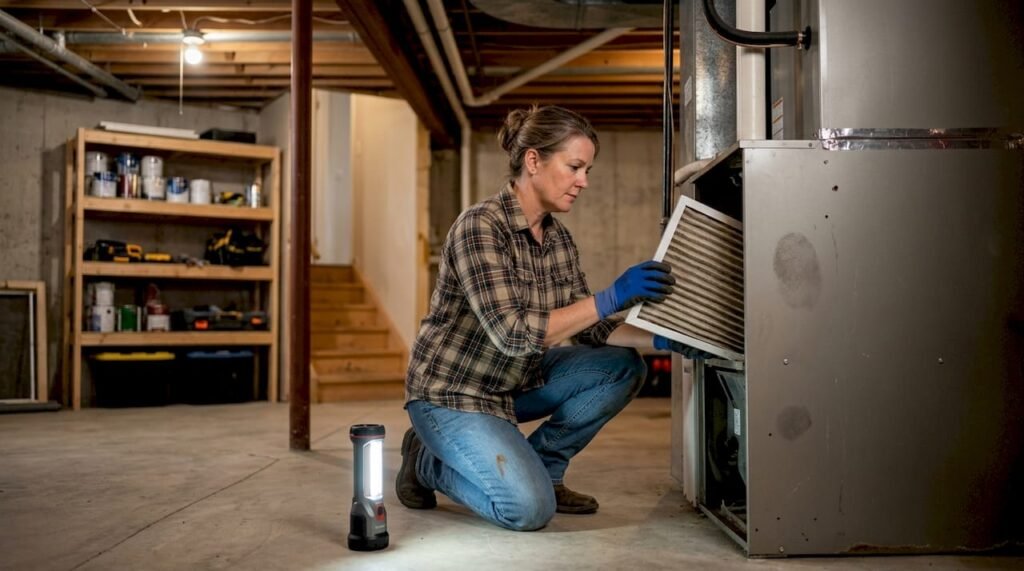
Picture this: it’s the hottest day of a Kansas City summer, temperatures pushing past 100°F, and your air conditioner stops working. No cool air, no relief, and a repair bill that could have been avoided. Unplanned HVAC failures are more than an inconvenience. They disrupt your family’s comfort, strain your budget, and always seem to happen at the worst possible time. The good news is that most breakdowns are preventable. This guide walks you through exactly what causes HVAC systems to fail, what tools and supplies you need, a step-by-step maintenance routine, and how to know when it’s time to call a professional.
Table of Contents
- Why HVAC breakdowns happen
- Preparation: What you need to prevent breakdowns
- Step-by-step: Preventative HVAC maintenance tasks
- Verifying system health and when to call the pros
- Get expert HVAC help in Kansas City
- Frequently asked questions
Contents: How to Prevent HVAC Breakdowns & Maintain Comfort
| Point | Details |
|---|---|
| Regular maintenance | Regular filter changes and inspections are the best way to prevent breakdowns. |
| Know the warning signs | Early intervention when you notice odd noises or weak airflow avoids bigger repairs. |
| Be proactive | Seasonal tune-ups keep your HVAC running efficiently and reliably in Kansas City’s extreme weather. |
| Professional help is key | Certain problems require an expert—don’t delay if you spot major warning signs. |
Why HVAC breakdowns happen
Understanding what causes your system to fail is the first step toward keeping it running. Most homeowners assume breakdowns are random, but they rarely are. Common HVAC problems almost always trace back to a handful of root causes that build up over time.
The most frequent culprits include:
- Dirty or clogged air filters that restrict airflow and force the system to work harder
- Electrical failures caused by worn contacts, tripped breakers, or corroded wiring
- Thermostat malfunctions that send incorrect signals to heating and cooling components
- Blocked vents or ductwork that reduce airflow and create pressure imbalances
- Low refrigerant levels that prevent your AC from cooling effectively
Kansas City’s climate makes all of these worse. Summers are brutally hot and humid, winters are cold and unpredictable, and your HVAC system runs hard in both directions. That constant stress accelerates wear on every component.
Up to 80% of HVAC breakdowns could be prevented with consistent, routine maintenance.
The financial impact adds up fast. Emergency repair calls cost significantly more than scheduled service visits. Ignoring a minor issue like maintaining your air conditioner properly can turn a $150 fix into a $1,500 compressor replacement. As confirmed by HVAC maintenance experts, most common HVAC failures are due to neglected maintenance such as dirty filters, low refrigerant, or blocked vents. Prevention is always cheaper than repair.
Preparation: What you need to prevent breakdowns
Once you know what can go wrong and why, you need the right supplies and a plan before you start. A well-prepared homeowner can address many basic HVAC maintenance tasks without special training, as long as they have the right tools on hand.
Here’s what to keep stocked:
- Replacement air filters in the correct size for your system (check the filter frame for dimensions)
- A vacuum with a brush attachment for cleaning vents, registers, and accessible ductwork
- Basic hand tools including a screwdriver set and adjustable wrench
- Coil cleaner spray for cleaning the outdoor condenser coils
- A flashlight for inspecting dark areas around the unit
- A digital thermometer to verify that your system is hitting target temperatures
The importance of regular HVAC maintenance goes beyond just comfort. It directly affects indoor air quality and energy costs. Keeping these supplies on hand means you can act quickly when something needs attention.
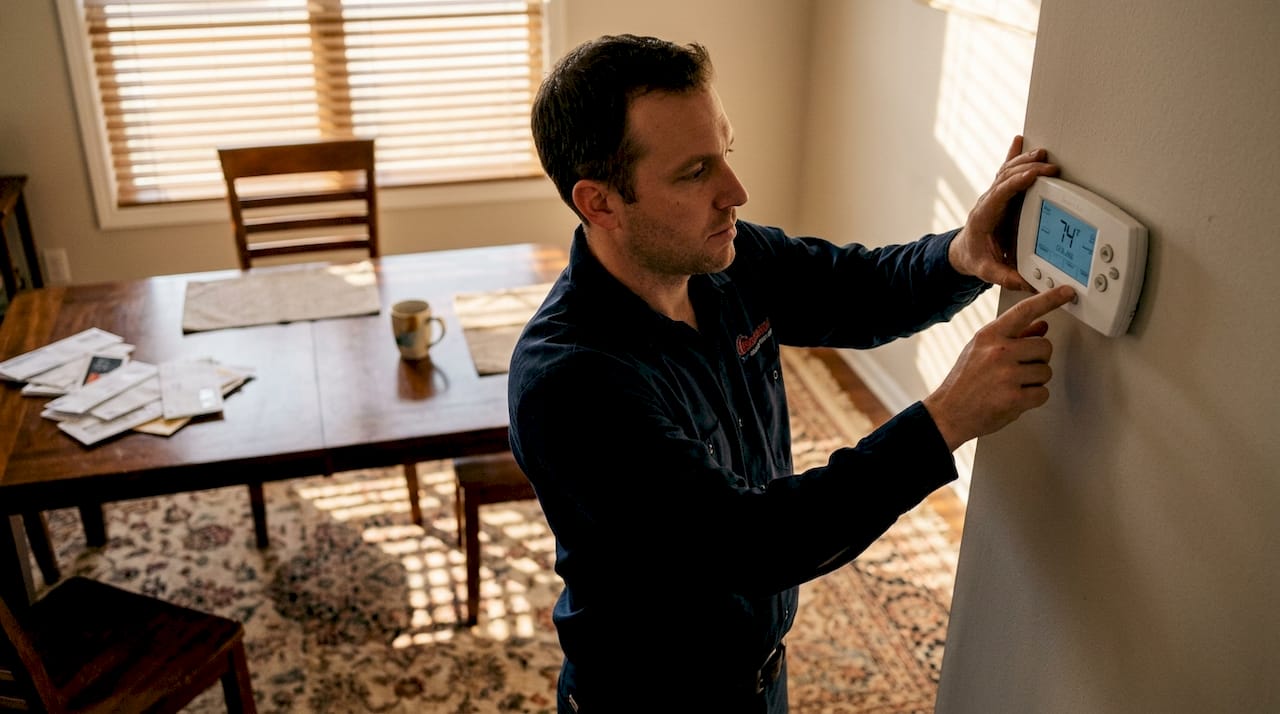
| Tool or supply | Estimated cost | How often you use it |
|---|---|---|
| Replacement air filters | $10 to $30 each | Every 1 to 3 months |
| Coil cleaner spray | $10 to $20 | Once or twice per year |
| Vacuum with brush attachment | $50 to $150 (one-time) | Monthly |
| Digital thermometer | $15 to $30 (one-time) | Seasonally |
| Basic hand tools | $30 to $60 (one-time) | As needed |
Pro Tip: Start a simple maintenance log, either a notebook or a phone note, where you record every filter change, cleaning session, and inspection date. When a technician visits, this log helps them spot patterns and catch developing issues faster. Good HVAC maintenance tips always include documentation as a core habit.
DIY tasks handle the basics, but they don’t replace professional eyes. Seasonal HVAC maintenance performed by a certified technician covers refrigerant levels, electrical connections, and internal components that aren’t safely accessible without training.
Step-by-step: Preventative HVAC maintenance tasks
Now that you have your supplies, follow this structured routine to keep your system in top shape throughout the year.
- Replace the air filter. Check it monthly and replace it every one to three months. A clogged filter is the single most common cause of reduced efficiency and system strain.
- Clean the vents and registers. Use your vacuum and brush attachment to remove dust buildup from every vent in your home. Blocked vents restrict airflow and create hot or cold spots.
- Inspect and clean the outdoor condenser unit. Clear away leaves, grass clippings, and debris from around the unit. Spray coil cleaner on the fins and rinse gently with a garden hose.
- Check the thermostat settings. Verify that your thermostat is reading the correct temperature and switching between heating and cooling modes properly. Replace batteries if needed.
- Inspect visible ductwork. Look for obvious gaps, disconnected sections, or signs of pest activity. Seal small gaps with foil tape.
- Test the system before peak season. Run your AC in spring and your furnace in early fall to catch problems before you need the system most.
- Schedule a professional tune-up. A certified technician handles refrigerant checks, electrical testing, and internal cleaning that go beyond what DIY can cover.
Seasonal maintenance can extend HVAC system life and reduce repair costs significantly over time. The HVAC tune-up benefits alone, including lower energy bills and fewer emergency calls, make professional service worth every dollar.
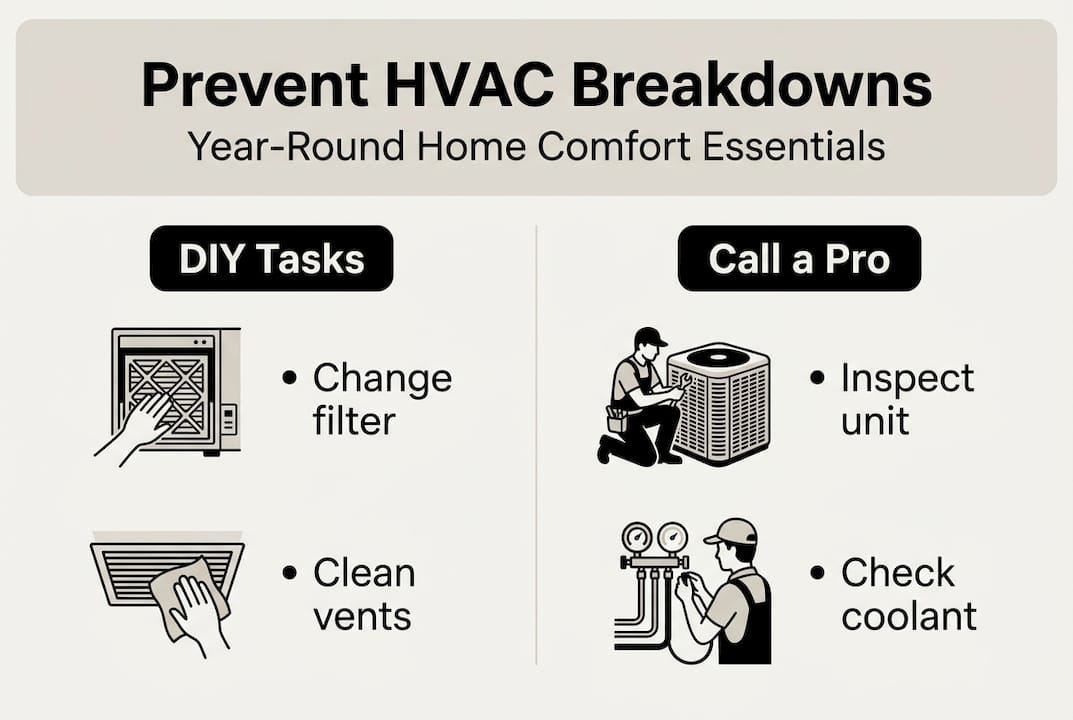
| Task | DIY or professional | Frequency |
|---|---|---|
| Air filter replacement | DIY | Every 1 to 3 months |
| Vent and register cleaning | DIY | Monthly |
| Condenser coil cleaning | DIY (exterior only) | Once per year |
| Refrigerant level check | Professional only | Annually |
| Electrical connection inspection | Professional only | Annually |
| Full system tune-up | Professional | Spring and fall |
Pro Tip: Schedule your professional checkups in March or April before summer heat arrives, and again in September or October before Kansas City winters set in. Booking early means you avoid the rush and get faster service. Following tips for HVAC maintenance from industry experts consistently points to timing as one of the most overlooked factors in system reliability. You can also review the full HVAC maintenance workflow to build a schedule that fits your home.
Verifying system health and when to call the pros
After completing your own maintenance, keep watch for developing issues and know when to rely on Kansas City HVAC professionals. Maintenance reduces risk, but it doesn’t eliminate it entirely. Staying alert to early warning signs is just as important as the tasks themselves.
Here’s how to verify your system is healthy after each maintenance session:
- Listen for unusual noises. Rattling, banging, squealing, or grinding sounds are not normal and signal a mechanical problem.
- Monitor airflow from vents. Weak or uneven airflow after cleaning suggests a deeper blockage or a failing blower motor.
- Watch your energy bills. A sudden spike in your monthly bill without a change in usage often means your system is working harder than it should.
- Check for moisture or leaks. Water pooling near your indoor unit or ice forming on the refrigerant lines are signs of a refrigerant or drainage issue.
“Delayed repairs can lead to major breakdowns and higher costs.”
Some problems go beyond what any homeowner should handle. Delaying repairs can escalate costs and turn a manageable fix into a full system replacement. Know these red flags that mean you need a professional right away:
- The system blows warm air when set to cool, or cold air when set to heat
- The unit won’t turn on at all, even after checking the thermostat and breaker
- You smell burning, musty, or chemical odors coming from the vents
- You hear grinding or screeching noises during operation
- The system short-cycles, meaning it turns on and off repeatedly in short bursts
Even if none of these red flags appear, a professional HVAC inspection twice a year is still the right call. Technicians use specialized tools to measure refrigerant pressure, test electrical components, and identify wear that isn’t visible to the naked eye. Knowing why to schedule HVAC maintenance regularly comes down to one simple fact: catching a $200 problem before it becomes a $2,000 emergency is always the smarter choice. The spring HVAC maintenance checklist from Consumer Reports reinforces this approach with practical seasonal guidance.
Get expert HVAC help in Kansas City
You now have a solid foundation for keeping your HVAC system reliable all year. But even the most diligent homeowner benefits from professional support, especially when Kansas City’s weather pushes your system to its limits.

At KC Air Control, we’ve been serving Kansas City homeowners for over 70 years. Whether you need emergency HVAC repairs when something goes wrong unexpectedly, or you want to book a preventive HVAC tune-up service before the next season hits, our certified technicians are ready to help. We offer flexible scheduling, transparent pricing, and the kind of reliable workmanship that Kansas City families have trusted for decades. Don’t wait for a breakdown to take action. Schedule your tune-up today and keep your home comfortable no matter what the weather brings.
Frequently asked questions
How often should I replace my HVAC air filter?
Replace your HVAC air filter every one to three months, depending on filter type, whether you have pets, and whether anyone in your home has allergies. Regular filter changes extend system life and reduce breakdown risk.
Is professional HVAC maintenance really necessary?
Yes. Seasonal tune-ups catch hidden issues and boost efficiency in ways that DIY maintenance simply cannot. Seasonal checkups can prolong HVAC system life and improve overall performance.
Are HVAC breakdowns more common in summer or winter?
Breakdowns spike during extreme temperatures in both seasons. Extreme Kansas City weather strains HVAC units harder during peak summer heat and deep winter cold, increasing the risk of failure at both ends of the year.
What is the biggest warning sign that my HVAC system needs immediate attention?
If your system blows warm air when set to cool, won’t turn on at all, or you hear grinding noises during operation, call a professional right away. Delayed repairs can make the damage significantly worse and far more expensive to fix.
Recommended
- HVAC Maintenance: Boosting Home Comfort and Savings – Air Control
- Why Schedule HVAC Maintenance: Protect Your Comfort – Air Control
- Emergency HVAC Troubleshooting: Restore Home Comfort Fast – Air Control
- Seasonal HVAC Maintenance Steps for Home Energy Savings – Air Control
- 7 Praktische tips voor dakonderhoud voor huiseigenaren