
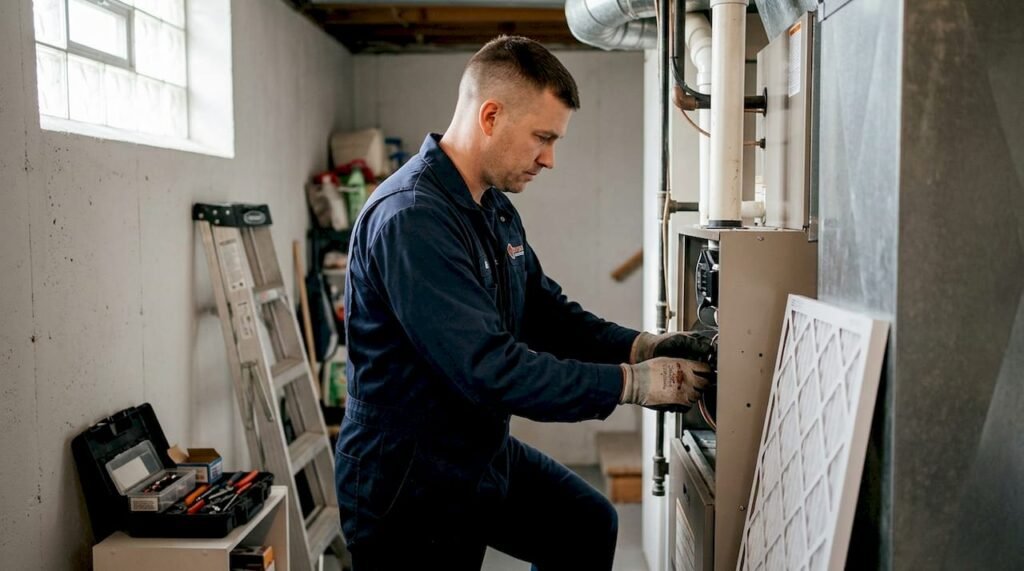
Your heating system suddenly blows cold air in January, or your AC struggles to cool during a July heatwave. These frustrating moments happen to Kansas City homeowners more often than you’d think. Understanding the root causes of common HVAC issues empowers you to take quick action, whether that means a simple filter swap or calling in professional help. This guide walks you through the most frequent problems, practical fixes you can try yourself, and clear signals that it’s time for expert intervention.
Table of Contents
- Key takeaways
- Common airflow problems and how to fix them
- Thermostat errors and refrigerant leaks: diagnosing and resolving
- Noises and mechanical failures: identifying causes and solutions
- Preventative maintenance tips to keep your HVAC running smoothly
- Get expert HVAC repairs and maintenance in Kansas City
- FAQ
Quick Guide to HVAC Problems, Fixes & Maintenance
| Point | Details |
|---|---|
| Maintenance matters | Regular maintenance like filter changes and seasonal tuneups prevents most emergency repairs. |
| DIY versus professional help | Knowing when to perform DIY fixes versus calling a professional saves money and protects your system. |
| Urgent red flags | Grinding noises, water leaks, or rapid cycling require immediate expert diagnosis. |
| Airflow basics | Check for dirty filters, blocked ducts, and open dampers to restore proper airflow. |
Common airflow problems and how to fix them
Weak airflow from your vents signals trouble brewing in your HVAC system. You might notice some rooms stay stuffy while others feel fine, or your system runs constantly without reaching the set temperature. Dirty filters and blocked ducts cause poor airflow leading to inefficient operation and genuine discomfort throughout your home.
The most common culprit sits right in your return air grille. Clogged filters force your system to work harder, strain the blower motor, and push your energy bills higher. Check your filter monthly and replace it when you see visible dust buildup or when light no longer passes through easily. Standard 1-inch filters need swapping every 30 days during peak seasons, while thicker 4-inch pleated versions last up to three months.
Beyond filters, obstructed vents and registers choke airflow before it reaches living spaces. Walk through your home and ensure furniture, curtains, or storage boxes aren’t blocking supply or return vents. Closed dampers in your ductwork also restrict flow, sometimes left shut after seasonal adjustments. Open all dampers fully and listen for balanced airflow from each vent.
Blower motor problems create airflow issues that DIY fixes can’t solve. If you hear squealing or notice weak flow even with a fresh filter, the motor bearings may be wearing out or the fan blade could be damaged. These mechanical failures need professional diagnosis and repair to prevent complete system shutdown.
Pro Tip: Mark your calendar with filter replacement dates every month. Set a phone reminder for the first day of each month so you never forget this simple task that prevents bigger problems.
Quick airflow checklist:
- Replace your air filter every 1 to 3 months depending on usage
- Clear all vents and registers of obstructions
- Check that supply and return vents aren’t blocked by furniture
- Verify all duct dampers are fully open
- Listen for unusual sounds from the blower compartment
Thermostat errors and refrigerant leaks: diagnosing and resolving
Your thermostat acts as mission control for your entire HVAC system. When it malfunctions, temperature swings and comfort problems follow quickly. Thermostat errors lead to temperature inconsistencies, while refrigerant leaks cause cooling inefficiency and system strain that can damage your compressor.
Thermostat troubleshooting starts with the basics. Dead batteries cause more service calls than actual equipment failures. Replace batteries annually, or switch to a smart thermostat that alerts you when power runs low. If your display looks dim or blank, batteries are the likely fix. Check that your thermostat sits level on the wall, away from direct sunlight, drafts, or heat sources that skew its temperature readings.
Calibration drift happens over time, especially with older mechanical thermostats. Test accuracy by taping a reliable thermometer to the wall next to your thermostat. Wait 15 minutes, then compare readings. If they differ by more than two degrees, recalibration or replacement makes sense. Modern programmable models eliminate this issue while cutting energy costs through scheduled temperature adjustments.
Refrigerant leaks present a different challenge entirely. Your AC relies on precise refrigerant levels to transfer heat effectively. Signs of low refrigerant include weak cooling, ice forming on refrigerant lines, hissing sounds near the outdoor unit, or the system running constantly without reaching the set temperature. Refrigerant doesn’t get used up like gas in a car. If levels drop, you have a leak that needs professional repair.
Follow these diagnostic steps for thermostat issues:
- Replace batteries and verify the display powers on clearly
- Check circuit breakers to ensure the HVAC system receives power
- Remove the thermostat cover and gently clean contacts with a soft brush
- Verify the thermostat is set to the correct mode (heat, cool, or auto)
- Test the system by adjusting temperature up or down five degrees
- If problems persist, call a technician to check wiring and compatibility
Refrigerant work requires EPA certification because of environmental regulations and safety concerns. Never attempt to add refrigerant yourself. Licensed technicians use specialized equipment to locate leaks, repair them properly, and recharge your system to manufacturer specifications. The repair process involves pressure testing, leak detection, and precise refrigerant measurement.
Pro Tip: Upgrade to a programmable or smart thermostat for better temperature control and energy savings. Many models learn your schedule automatically and adjust temperatures to maximize comfort and efficiency.
Noises and mechanical failures: identifying causes and solutions
Your HVAC system shouldn’t sound like a rock concert. Unusual noises tell you exactly what’s going wrong if you know how to listen. Unusual noises often signal mechanical wear or loose components requiring timely action to prevent bigger failures that leave you without heating or cooling.
Rattling sounds typically mean loose panels, screws, or components vibrating during operation. Start by inspecting access panels on your indoor and outdoor units. Tighten any loose screws you find and ensure panels sit flush. Sometimes small debris like leaves or twigs get sucked into the outdoor unit and rattle around the fan housing. Turn off power at the breaker, then carefully remove any visible debris.
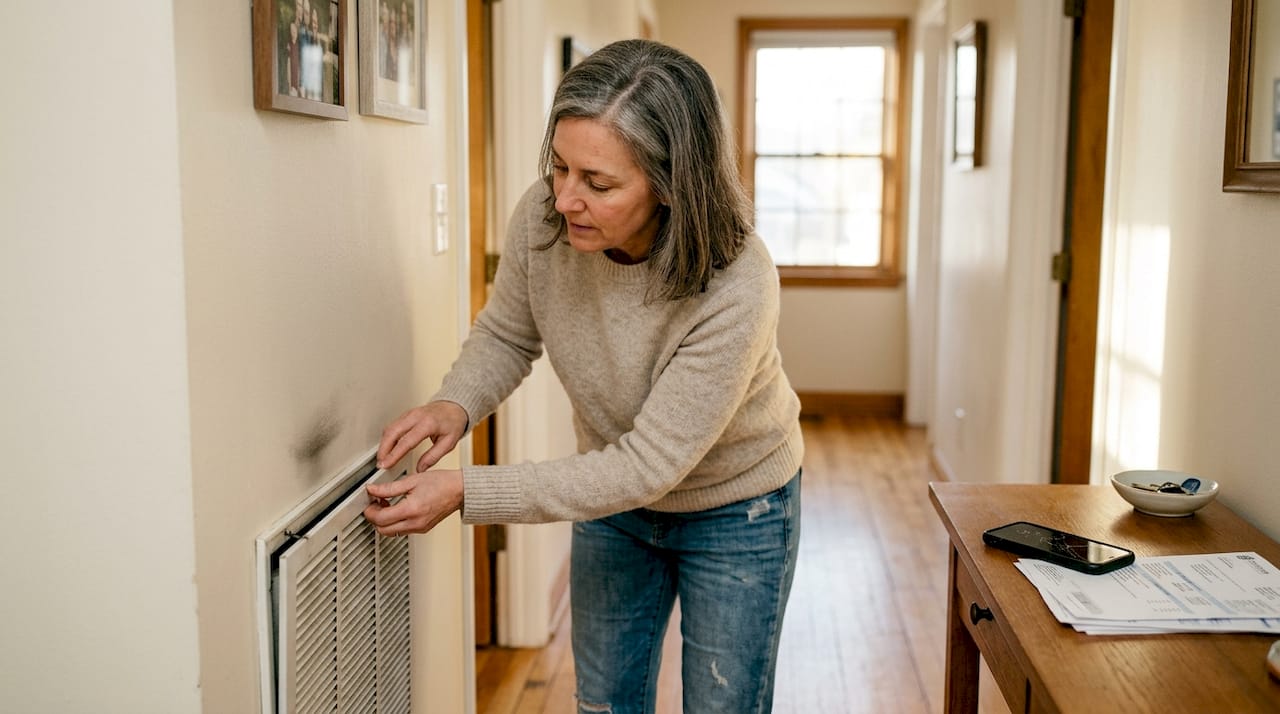
Grinding or screeching noises point to serious mechanical wear. Blower motor bearings dry out over time, creating a grinding sound that gets louder as damage progresses. Belt driven systems produce squealing when belts wear, crack, or slip on their pulleys. These issues need immediate professional attention because continued operation damages motors and other expensive components.
Buzzing or humming sounds often indicate electrical problems. Loose wiring, failing capacitors, or contractor issues create these noises. Electrical problems pose fire risks and should never be ignored. If you hear persistent buzzing accompanied by burning smells or tripped breakers, shut down your system and call for emergency service.
Common HVAC noises decoded:
- Rattling: Loose panels, debris in unit, or failing motor mounts
- Grinding: Worn bearings in blower motor or compressor
- Squealing: Worn or loose belt, dry bearings needing lubrication
- Buzzing: Electrical issue, failing capacitor, or loose wiring
- Banging: Ductwork expansion, loose blower wheel, or ignition problem
| Noise type | Likely cause | DIY solution | Professional needed |
|---|---|---|---|
| Rattling | Loose panels or debris | Tighten screws, remove debris | If noise persists |
| Grinding | Worn motor bearings | None | Yes, immediately |
| Squealing | Belt wear or dry bearings | None | Yes, before failure |
| Buzzing | Electrical or capacitor issue | None | Yes, safety risk |
| Banging | Duct expansion or ignition | Secure duct straps | If accompanied by other issues |
Early detection makes all the difference. A small squealing sound today becomes a burned out motor tomorrow if ignored. The repair cost jumps from $150 for a belt replacement to $800 for a new blower motor. Address noises promptly to keep repair bills manageable.
Pro Tip: Record unusual sounds on your smartphone and play them for your HVAC technician during the service call. This helps them diagnose problems faster and bring the right parts on the first visit.
Preventative maintenance tips to keep your HVAC running smoothly
Prevention beats repair every time. A well maintained HVAC system runs 25% more efficiently, lasts years longer, and breaks down far less often than neglected equipment. Regular maintenance including filter changes and tune-ups optimizes system efficiency and lowers repair costs significantly over your system’s lifetime.
Seasonal maintenance follows a predictable rhythm. Spring preparation focuses on your cooling system before summer heat arrives. Fall tasks ready your furnace for winter cold. This proactive approach catches small problems before they become expensive emergencies.
Follow this seasonal maintenance checklist:
- Spring cooling prep: Replace air filter, clean outdoor unit coils, clear vegetation within 2 feet of unit, test thermostat cooling mode, schedule professional AC tune-up
- Summer monitoring: Check filter monthly, listen for unusual noises, verify even cooling in all rooms, monitor energy bills for unexpected spikes
- Fall heating prep: Replace filter, test thermostat heating mode, inspect visible ductwork for gaps, schedule professional furnace inspection
- Winter monitoring: Check filter monthly, ensure vents stay clear of furniture and decorations, watch for ice buildup on outdoor unit during heat pump operation
| Maintenance task | Frequency | Homeowner DIY | Professional required |
|---|---|---|---|
| Replace air filter | Every 1 to 3 months | Yes | No |
| Clean outdoor coils | Twice yearly | Yes, carefully | Recommended |
| Check refrigerant levels | Annually | No | Yes |
| Inspect electrical connections | Annually | No | Yes |
| Lubricate moving parts | Annually | No | Yes |
| Test safety controls | Annually | No | Yes |
| Clean condensate drain | Annually | Yes | Recommended |
| Inspect ductwork | Every 3 to 5 years | Visual only | Yes for sealing |
Professional tune-ups catch problems you’d never notice yourself. Technicians measure refrigerant levels, test electrical components, clean internal parts, and verify safe operation. These inspections typically cost $80 to $150 but prevent repairs that run into thousands of dollars.
Duct cleaning deserves attention every few years, especially if you notice dust accumulation around vents or family members develop unexplained allergies. Clean ducts improve airflow and indoor air quality while reducing strain on your system. Professional duct cleaning removes years of accumulated dust, pet dander, and allergens that filters can’t catch.
The benefits stack up quickly. Regular maintenance cuts energy bills by improving efficiency. Your system reaches desired temperatures faster and runs fewer cycles. Equipment lasts 5 to 10 years longer with proper care compared to neglected systems. You’ll enjoy fewer emergency breakdowns and better indoor air quality for your family.
Pro Tip: Sign up for a maintenance plan with a local HVAC company. These plans include scheduled tune-ups, priority emergency service, and discounts on repairs. The peace of mind alone makes them worthwhile.
Get expert HVAC repairs and maintenance in Kansas City
When HVAC problems strike, you need reliable help fast. Kansas City winters and summers don’t wait for convenient repair schedules. Air Control brings over 70 years of experience solving heating and cooling emergencies for local homeowners who value comfort and dependability.

Our emergency repair services get your system running again quickly, often the same day you call. Whether your furnace quits on the coldest night or your AC fails during a heatwave, our technicians arrive prepared with common parts and diagnostic tools. We specialize in furnace repair that restores warmth and safety to your home without unnecessary upselling or hidden fees.
Preventative care keeps problems from starting. Our seasonal maintenance programs include comprehensive inspections, cleaning, and tune-ups that extend equipment life and maintain peak efficiency. We catch small issues before they become expensive emergencies, saving you money and stress throughout the year. Online scheduling makes booking service convenient, fitting professional care into your busy life without phone tag or waiting on hold.
FAQ
What causes my HVAC system to blow warm air instead of cold?
Warm air from your AC usually indicates low refrigerant levels or a malfunctioning thermostat. Refrigerant leaks prevent proper heat transfer, while thermostat errors send wrong signals to your system. Both issues require professional diagnosis. A technician will check refrigerant pressure, inspect for leaks, and verify thermostat calibration to restore cold air output.
How often should I replace my HVAC air filters?
Replace standard 1-inch filters every 30 days during heavy use seasons and every 90 days during mild weather. Homes with pets, allergies, or high dust levels need monthly changes year round. Thicker 4-inch pleated filters last up to three months. Regular filter replacement prevents airflow problems and maintains indoor air quality while protecting your equipment from dust damage.
When should I schedule professional HVAC maintenance?
Schedule professional maintenance twice yearly, ideally in spring before cooling season and fall before heating season begins. This timing catches problems before you need your system most. Annual tune-ups include safety checks, efficiency testing, and component cleaning that DIY maintenance can’t provide. Consistent professional care extends equipment life and prevents most emergency breakdowns.
What are signs that my HVAC system needs repair?
Watch for frequent on and off cycling, strange grinding or squealing noises, uneven temperatures between rooms, and unexpectedly high energy bills. Ice forming on refrigerant lines, water pooling near your indoor unit, and burning smells also signal serious problems. These warning signs indicate your system needs immediate professional attention to prevent complete failure and more expensive repairs.
Recommended
- Optimize your HVAC maintenance workflow for KC homes – KC Air Control – Heating & Cooling
- Common HVAC emergencies and repairs in Kansas City 2026 – KC Air Control – Heating & Cooling
- Signs you need HVAC repair: Kansas City expert tips – KC Air Control – Heating & Cooling
- HVAC inspections for Kansas City homeowners: 2026 guide – KC Air Control – Heating & Cooling
Pingback: Prevent HVAC Breakdowns: Homeowner’s Guide to Year-Round Comfort - KC Air Control - Heating & Cooling