
TL;DR:
- HVAC systems are legally required and essential for tenant comfort and safety in Kansas City.
- Regular maintenance and upgrades improve energy efficiency, tenant retention, and rental value.
- Proper documentation and compliance are crucial for passing inspections and avoiding legal liabilities.
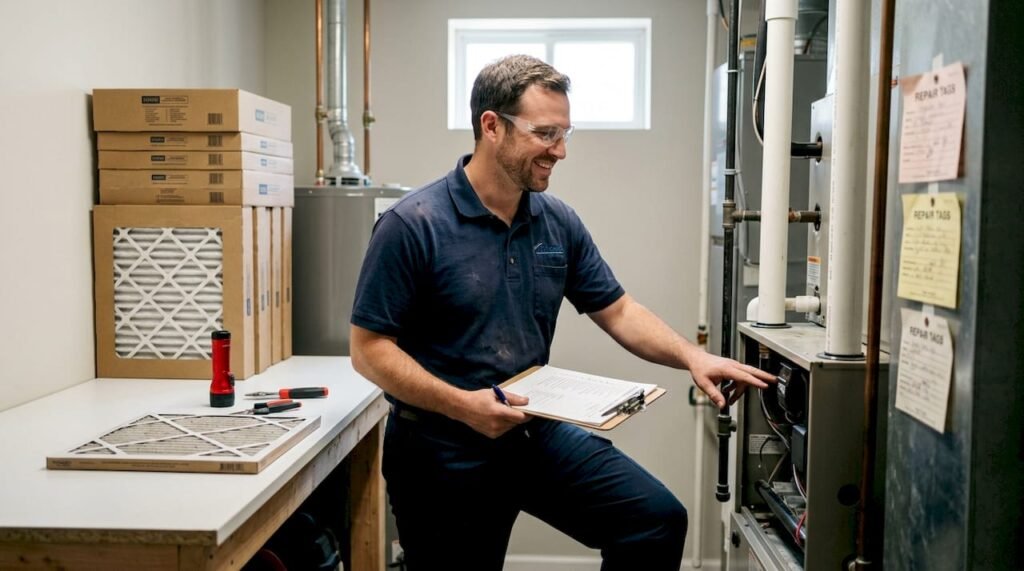
A single failed inspection or one urgent tenant call about a broken furnace can cost you far more than a routine service visit. For property managers and landlords in Kansas City, HVAC (heating, ventilation, and air conditioning) is not just a comfort feature. It is a legal requirement, a tenant retention tool, and a direct driver of your property’s financial performance. HVAC systems are essential for tenant comfort, indoor air quality, energy efficiency, and legal habitability in rental properties. This guide covers everything you need to know: what the law requires, how to boost your return on investment, and how to build a maintenance strategy that keeps tenants happy and your properties running smoothly.
Table of Contents
- Why HVAC systems matter for Kansas City rental properties
- Legal standards: HVAC compliance and inspection risks in KC
- Boosting ROI: Energy efficiency and the ‘split incentive’ challenge
- Maintenance strategies: Preventing breakdowns and keeping tenants happy
- The inconvenient truth: What most KC landlords miss about HVAC
- Expert HVAC support for Kansas City landlords
- Frequently asked questions
Quick Navigation: HVAC Tips for Kansas City Rental Properties
| Point | Details |
|---|---|
| HVAC is essential | Reliable HVAC is key for tenant comfort, legal compliance, and strong rental income in Kansas City. |
| Stay inspection ready | Meeting Kansas City’s Healthy Homes standards and documenting HVAC care reduces legal risks. |
| Invest in efficiency | Upgrading to energy-efficient HVAC enhances property value and attracts better tenants. |
| Proactive maintenance saves | Seasonal HVAC care prevents breakdowns, emergencies, and costly repairs. |
Why HVAC systems matter for Kansas City rental properties
Kansas City landlords deal with a climate that swings hard in both directions. Summers push into the upper 90s, and winters regularly drop well below freezing. That range puts serious stress on HVAC equipment and makes reliable systems non-negotiable for keeping tenants comfortable and your units occupied.
Poor indoor air quality, inconsistent temperatures, and high utility bills are among the top reasons tenants choose not to renew leases. When your HVAC system is underperforming, tenants feel it every day. That frustration translates directly into vacancy and turnover costs, which average far more than any preventive service call.
Here is what is really at stake when HVAC is overlooked in your Kansas City rental:
- Tenant comfort and satisfaction: Reliable heating and cooling directly affect how tenants feel about their home and whether they stay.
- Indoor air quality: Poorly maintained systems circulate dust, allergens, and pollutants, increasing tenant health complaints.
- Energy costs: Inefficient systems drive up utility bills, which affects tenant satisfaction in units where utilities are included.
- Legal habitability: Kansas City law requires working HVAC. A failing system can trigger inspection failures and legal liability.
Prioritizing heating reliability in KC’s variable climate is essential, especially for carbon monoxide safety, since cooling is not always legally mandated but heating always is.
Kansas City’s extreme winters make furnace performance the top priority. A heating failure in January is not just a comfort issue. It is a safety and legal emergency. Common Kansas City HVAC problems like clogged filters, aging heat exchangers, and refrigerant leaks are all preventable with the right approach. Investing in an energy-efficient HVAC guide can help you plan smarter upgrades that pay off over time.
The bottom line: your HVAC system is one of the highest-impact assets in your rental property. Treat it accordingly.
Legal standards: HVAC compliance and inspection risks in KC
Kansas City has clear legal expectations for rental property HVAC. Under the KC Healthy Homes Rental Inspection Program, landlords must ensure a working HVAC system that provides adequate heat and ventilation. Failing an inspection can result in fines, required repairs, and in serious cases, the property being declared uninhabitable.
Knowing who is responsible for what is critical. Here is a clear breakdown:
| Responsibility | Landlord | Tenant |
|---|---|---|
| System installation and replacement | Yes | No |
| Annual professional maintenance | Yes | No |
| Filter changes | Shared/educate tenant | Primary in most leases |
| Reporting system issues | No | Yes |
| Vent cleaning and airflow checks | Yes | Assist |
| Documentation of service | Yes | No |
As expert guidance confirms, tenants assist with filters and vents, but landlords are responsible for all major system maintenance and repairs. Keeping clear service records is your best legal protection.
Follow these steps to stay compliant before and after any inspection:
- Register your rental property with the city as required by KC ordinance.
- Schedule a professional HVAC inspection using this HVAC inspection scheduling resource before your Healthy Homes review.
- Use a complete Kansas City HVAC checklist to verify all systems meet code.
- Document every service call, repair, and filter change with dates and technician notes.
- Review HVAC inspection steps so you know exactly what inspectors look for.
Pro Tip: The most common compliance pitfall is not a broken system. It is missing documentation. Inspectors want proof of maintenance. A service log showing regular professional visits can make the difference between passing and failing, even if the system itself is in good shape.
Staying compliant is not just about avoiding fines. It is about protecting your tenants, your property, and your income.

Boosting ROI: Energy efficiency and the ‘split incentive’ challenge
Once your legal obligations are covered, the next question is how HVAC can actually improve your bottom line. The answer is clearer than most landlords expect, but there is a real obstacle to address first.
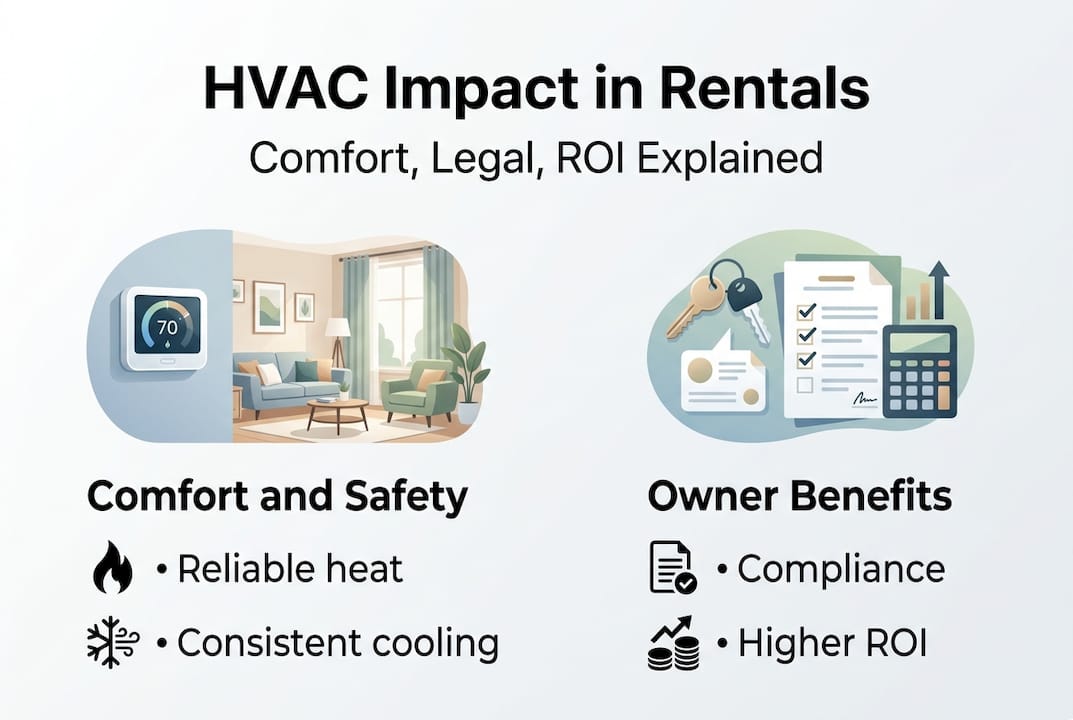
The “split incentive” problem is common in rentals. Tenants pay utility bills but landlords must fund HVAC upgrades, which creates a situation where the person who benefits from lower bills is not the person paying for the improvement. This leads many landlords to delay upgrades that would actually benefit everyone.
Here is what the data shows about the financial upside of upgrading:
| Upgrade type | Estimated benefit |
|---|---|
| Higher SEER rating system | 15-20% reduction in energy use |
| Improved tenant retention | Fewer turnovers, lower vacancy costs |
| Rental premium | 3-6% higher rents for efficient units |
| Resale value | Stronger appraisal and buyer appeal |
SEER stands for Seasonal Energy Efficiency Ratio. Higher SEER ratings mean the system uses less electricity to produce the same amount of cooling. Energy-efficient upgrades reduce consumption by 15 to 20 percent, lower costs through higher SEER ratings, and improve tenant retention.
To overcome the split incentive problem, consider these approaches:
- Apply for utility rebates: Evergy and other KC-area providers offer rebates on qualifying high-efficiency HVAC systems.
- Communicate the value: Tell tenants upfront that the upgraded system will lower their utility bills. This builds goodwill and supports lease renewals.
- Factor upgrades into rent: A modest rent increase tied to a documented efficiency upgrade is often accepted when tenants understand the benefit.
- Claim federal tax credits: The Inflation Reduction Act offers credits for qualifying HVAC equipment installed in rental properties.
Pro Tip: Before scheduling any upgrade, check current Evergy rebate programs and IRS guidance on energy credits. Stacking a utility rebate with a federal tax credit can significantly reduce your out-of-pocket cost on a new high-efficiency system.
Explore your options for HVAC efficiency upgrades and review seasonal energy savings strategies to make the most of every dollar you invest.
Maintenance strategies: Preventing breakdowns and keeping tenants happy
Efficiency upgrades matter, but even the best system fails without consistent maintenance. Proactive care is what separates landlords who get emergency calls at midnight from those who rarely hear from their tenants about HVAC at all.
Kansas City winters are demanding. February furnace tune-ups typically cost between $90 and $200 and should include a heat exchanger inspection and carbon monoxide check. For systems older than 15 years, you should be budgeting for replacement rather than hoping for one more season. Multi-unit properties benefit from zoning analysis and proper sizing using a Manual J calculation, which ensures each unit gets the right amount of heating and cooling.
Here are the top five preventive maintenance steps every KC landlord should follow:
- Schedule a professional furnace tune-up every fall before heating season begins. This catches issues before they become emergencies.
- Replace air filters every 1 to 3 months depending on the system and occupancy. Clogged filters reduce efficiency and strain the blower motor.
- Inspect and clean ductwork every 3 to 5 years to maintain airflow and indoor air quality across all units.
- Test carbon monoxide detectors during every HVAC service visit. This is both a safety and legal requirement.
- Check refrigerant levels and coil condition each spring before cooling season to avoid mid-summer failures.
When it comes to dividing tasks between you and your tenants, clarity prevents conflict:
- Landlord handles: Annual professional inspections, system repairs, duct cleaning, and equipment replacement.
- Tenant handles: Monthly filter checks, keeping vents unblocked, and reporting issues promptly.
- Shared: Setting reasonable thermostat expectations and communicating seasonal system changes.
Pro Tip: Keep a digital service log for each property with dates, technician names, and work performed. When an inspection comes up, you can produce that record in minutes. It also helps you spot patterns, like a system that needs service every six months, which signals it may be time for replacement.
Review the full KC furnace maintenance steps and consider building a consistent HVAC maintenance workflow across all your properties.
The inconvenient truth: What most KC landlords miss about HVAC
Here is what years of working with Kansas City property owners has taught us: meeting the legal minimum is not the same as running a profitable rental. Inspections enforce basic habitability. They do not measure tenant satisfaction, energy performance, or long-term asset value.
The landlords who see the best returns are not the ones who fix things when they break. They are the ones who invest before problems start. Efficient rental units command 3 to 6 percent higher rents in comparable markets, and that premium compounds over time through lower vacancy and fewer emergency repair costs.
We have seen landlords lose good tenants over a single summer of inconsistent cooling, even when the system technically “worked.” Tenants today expect comfort, not just code compliance. An aging, noisy, inefficient system signals to them that the property is not well cared for. That perception affects whether they renew and what they tell others.
Ignoring HVAC upgrades often costs more in the long run through property value erosion and avoidable emergency repairs. A proactive investment of a few hundred dollars per year is almost always cheaper than a crisis repair, a vacancy, or a failed inspection. The math is straightforward once you see it clearly.
Expert HVAC support for Kansas City landlords
Managing HVAC across one or more rental properties takes real expertise and reliable partners. At KC Air Control, we work directly with Kansas City landlords and property managers to handle every phase of rental property HVAC.

From routine maintenance for comfort and savings to urgent repairs and full system upgrades, our team has over 70 years of experience keeping Kansas City properties running right. Our furnace repair experts are ready when you need them most. Whether you need help preparing for a Healthy Homes inspection, upgrading to a high-efficiency system, or setting up a seasonal maintenance schedule for multiple units, we make it simple. Book your HVAC service online today and keep your rentals compliant, comfortable, and competitive.
Frequently asked questions
What HVAC systems are required by law in Kansas City rental properties?
Kansas City requires landlords to provide adequate heat and ventilation with a working HVAC system to pass Healthy Homes inspections. Cooling is not always legally mandated, but heating always is.
How often should HVAC maintenance be performed in a rental property?
Annual professional inspections and seasonal filter changes are the baseline, with additional furnace tune-ups recommended before Kansas City winters to catch heat exchanger and carbon monoxide issues early.
Who is responsible for changing HVAC filters in a Kansas City rental?
Tenants typically handle filter changes, but landlords are responsible for all major system maintenance. Educating tenants on filter schedules at move-in reduces problems significantly.
Do energy-efficient HVAC upgrades affect my rental’s value?
Yes. Efficient systems can yield 3-6% higher rents and improved tenant retention, and upfront costs are often offset by utility rebates and reduced turnover expenses.
Recommended
- HVAC maintenance affects financing for Kansas City homes – KC Air Control – Heating & Cooling
- Energy efficient HVAC: lower bills and better comfort – KC Air Control – Heating & Cooling
- HVAC inspections for Kansas City homeowners: 2026 guide – KC Air Control – Heating & Cooling
- HVAC Retrofitting: Boost Home Comfort and Efficiency – KC Air Control – Heating & Cooling