
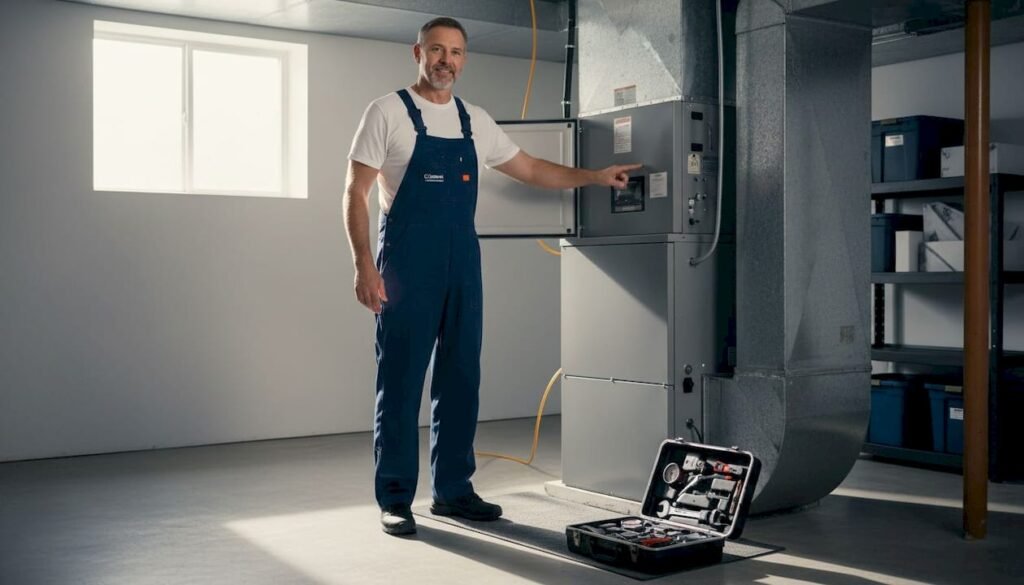
Most homeowners understand that regular HVAC maintenance keeps their systems running smoothly and reduces energy bills. What many don’t realize is that consistent upkeep directly influences home financing options, appraisal values, and access to equity. In Kansas City, where seasonal extremes demand reliable heating and cooling, your HVAC maintenance records can mean the difference between securing favorable financing terms or facing reduced home equity limits. This article explores how maintenance impacts system efficiency, home value, warranty compliance, and insurance claims, providing practical steps to leverage your HVAC care for better financing outcomes in the Kansas City market.
Table of Contents
- Key takeaways
- How regular HVAC maintenance boosts system efficiency and lowers energy costs
- The impact of HVAC condition on home value, appraisals, and financing access
- How maintenance records and warranties influence financing and insurance claims
- Kansas City-specific HVAC maintenance recommendations and their financing implications
- Why KC Air Control is your partner for HVAC maintenance and financing support
- FAQ
Quick Guide to HVAC Maintenance & Home Financing Topics
| Point | Details |
|---|---|
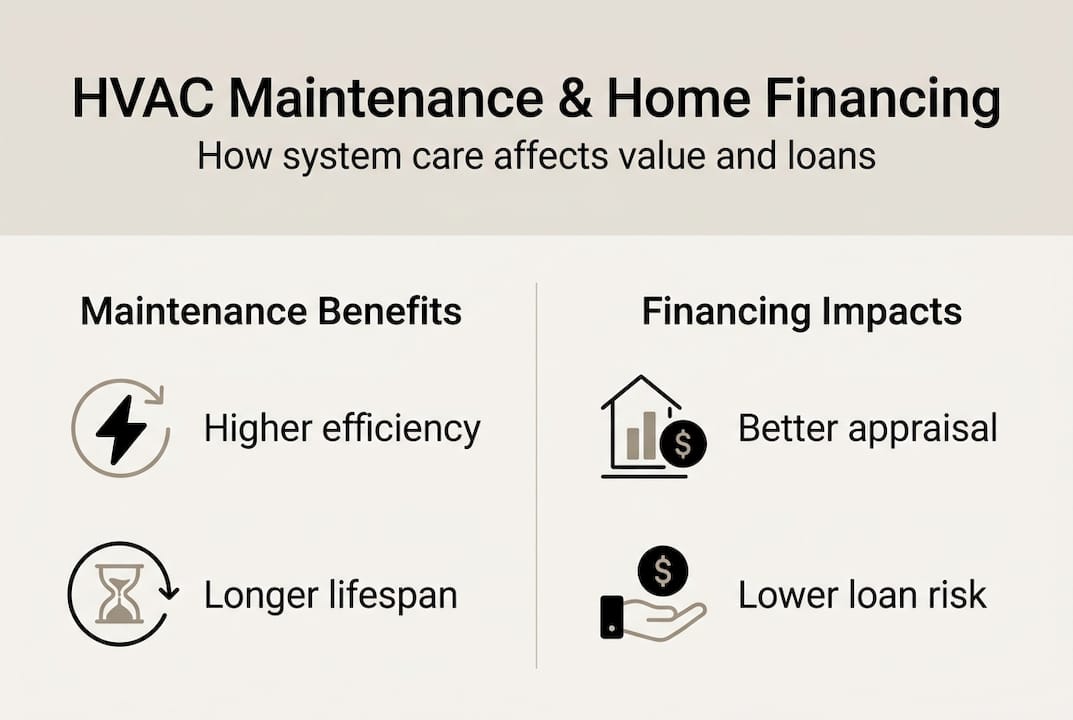
| Efficiency gains | Regular maintenance improves system efficiency by five to twenty percent, with simple filter changes delivering five to fifteen percent and annual tune ups up to twenty percent. |
| System longevity | Well maintained equipment lasts eighteen to twenty years instead of twelve to fifteen, saving replacement costs and signaling reliability to lenders and appraisers. |
| Financing impact | Energy savings from maintenance reduce monthly bills and can improve your debt to income ratio, helping you qualify for better loan terms. |
| Appraisal impact | Poor maintenance can trigger appraisal reductions ranging from five thousand to ten thousand dollars, while documented history can protect equity access. |
| Timing tip | Schedule your annual tune up in February or March to ensure peak efficiency before the spring and summer demand. |
How regular HVAC maintenance boosts system efficiency and lowers energy costs
Your HVAC system works harder when components accumulate dirt, filters clog, and refrigerant levels drop. Regular maintenance improves system efficiency by 5-20%, translating directly into lower monthly energy bills. Clean coils transfer heat more effectively, proper airflow reduces strain on blowers, and correct refrigerant charge ensures optimal cooling cycles.
Simple filter changes alone deliver 5-15% energy savings. When you combine filter maintenance with annual professional tune-ups that include coil cleaning, refrigerant checks, and electrical component inspection, total efficiency gains reach up to 20%. For Kansas City homeowners facing hot, humid summers and cold winters, these improvements mean substantial savings during peak demand months.
Maintenance extends equipment lifespan by 30-50%, delaying the need for costly replacements. A well-maintained system that lasts 18-20 years instead of 12-15 years saves you thousands in premature replacement costs. This longevity also signals to appraisers and lenders that your home’s mechanical systems are reliable investments.
Consider the financial impact on a typical Kansas City home. If your monthly energy bill averages $180 during summer months, a 15% efficiency gain saves $27 monthly or $162 over a six-month cooling season. Multiply that across heating and cooling seasons, and annual savings easily exceed $300. These reductions improve your debt-to-income ratio when applying for financing, making you a stronger borrower.
Pro Tip: Schedule your annual tune-up in February or March, before the spring rush. Early seasonal maintenance ensures your system operates at peak efficiency when Kansas City temperatures climb, maximizing your energy savings during the most expensive months.
Key efficiency improvements from regular maintenance:
- Clean air filters maintain proper airflow and reduce blower motor strain
- Refrigerant level checks prevent compressor damage and maintain cooling capacity
- Coil cleaning improves heat transfer efficiency by up to 30%
- Lubricated moving parts reduce friction and electrical consumption
- Calibrated thermostats prevent unnecessary cycling and energy waste
These efficiency gains create a foundation for better financing outcomes. When your regular AC tune-ups reduce operating costs and extend system life, you preserve home value and demonstrate responsible property stewardship to lenders and appraisers.
The impact of HVAC condition on home value, appraisals, and financing access
Home appraisers evaluate HVAC systems as critical components affecting overall property value. Poor maintenance leads to $5,000-$10,000 appraisal reductions, directly limiting your access to home equity lines of credit and refinancing options. When appraisers inspect your HVAC, they assess age, condition, maintenance history, and remaining useful life.
A well-maintained 12-year-old system with documented annual service records may appraise similarly to a newer system, while a neglected 8-year-old unit raises red flags. Appraisers note visible rust, unusual noises, inconsistent temperatures, and lack of maintenance documentation. These observations translate into value adjustments that affect your borrowing capacity.
New HVAC installations recoup 40-60% of their cost in immediate home value increases. However, maintaining your existing system protects that value without requiring major capital investment. Regular maintenance demonstrates that your mechanical systems receive proper care, reassuring appraisers and potential buyers about reliability.

HELOC limits tie directly to appraised home value. If poor HVAC condition reduces your appraisal by $8,000, and lenders typically allow 80-85% loan-to-value ratios, you lose $6,400-$6,800 in potential borrowing capacity. For homeowners planning renovations, debt consolidation, or emergency funding, this reduction significantly constrains financial flexibility.
| HVAC Condition | Appraised Value Impact | HELOC Limit (80% LTV) | Available Equity |
|---|---|---|---|
| Well-maintained with records | No reduction | Full equity access | Maximum borrowing |
| Average condition, some records | $2,000-$5,000 reduction | $1,600-$4,000 less | Moderate impact |
| Poor condition, no records | $5,000-$10,000 reduction | $4,000-$8,000 less | Significant constraint |
| Failed system needing replacement | $10,000-$15,000 reduction | $8,000-$12,000 less | Severe limitation |
Appraisers consider these HVAC factors during home evaluations:
- System age and expected remaining useful life
- Visible condition of outdoor condensers and indoor air handlers
- Presence of maintenance records and service documentation
- Operational performance during inspection visit
- Compliance with local building codes and permit requirements
- Energy efficiency ratings and modern features
Your HVAC inspection records serve as tangible proof of system condition. When you apply for financing, providing these documents supports your claimed home value and demonstrates property management competence. Lenders view documented maintenance as risk mitigation, potentially influencing interest rates and approval decisions.
Seasonal checkups protect your investment by catching minor issues before they become major failures. This proactive approach maintains appraisal values and preserves your access to home equity when financing needs arise.
How maintenance records and warranties influence financing and insurance claims
Documentation separates responsible homeowners from those who neglect critical systems. Maintenance records support higher equity access by verifying that your HVAC improvements and upkeep justify your home’s appraised value. When you apply for refinancing or a HELOC, providing organized service records strengthens your application.
Keep every invoice, permit, and service report. These documents prove consistent care and validate warranty compliance. Digital copies stored in cloud services ensure you never lose critical records during moves, renovations, or emergency situations. Organize files by year and service type for quick retrieval during appraisals or financing applications.
Warranties and home service plans require proof of regular maintenance. HVAC warranties often mandate annual professional service to maintain coverage. If your compressor fails and you cannot provide maintenance records, manufacturers may deny claims worth thousands of dollars. This risk extends to home warranty companies that exclude coverage for systems lacking documented upkeep.
Insurance providers increasingly scrutinize HVAC maintenance when processing claims. If a frozen pipe bursts because your furnace failed due to neglected maintenance, insurers may reduce payouts or deny claims entirely. Some carriers raise premiums for homes with deferred maintenance issues, viewing them as higher risk properties.
Maintenance documentation protects you in these scenarios:
- Warranty claims requiring proof of annual service
- Insurance disputes over maintenance-related failures
- Home sale negotiations where buyers request system records
- Appraisal reviews during refinancing or HELOC applications
- Permit inspections verifying code compliance for system modifications
Pro Tip: Create a dedicated email folder or cloud storage directory for all HVAC-related documents. Immediately save digital copies of every service invoice, inspection report, and warranty registration. This simple habit ensures you have instant access to records when HVAC inspections or financing applications require documentation.
Proper record-keeping also helps during home sales. Buyers and their inspectors request maintenance histories to assess system reliability. Comprehensive records justify asking prices and reduce negotiation leverage for buyers seeking concessions based on HVAC concerns. Your documentation demonstrates that the system received proper care, supporting your home’s market value.
When regular servicing includes detailed service reports, you build an audit trail that protects your financial interests. This documentation becomes especially valuable when unexpected repairs arise or when you need to demonstrate system condition to lenders, insurers, or buyers.
Kansas City-specific HVAC maintenance recommendations and their financing implications
Kansas City’s climate demands specific maintenance timing to maximize system performance and protect home value. Annual HVAC checks are recommended locally, with many professionals suggesting bi-annual service to address both heating and cooling system needs. Typical inspection and tune-up costs range from $90-$200 in the Kansas City area, a modest investment that preserves significantly larger home equity values.
Bi-annual maintenance schedules align with Kansas City’s distinct seasons. Spring tune-ups prepare air conditioning for hot, humid summers, while fall service ensures furnaces operate safely through cold winters. This timing prevents mid-season breakdowns that could lead to emergency repairs, warranty complications, or insurance claim issues.
Maintaining a consistent schedule supports multiple financial objectives simultaneously. Regular service keeps warranties valid, maintains appraisal values, satisfies homeowners insurance requirements, and provides documentation for financing applications. The relatively small annual cost delivers outsized returns through preserved home equity and avoided emergency expenses.
Follow these steps for an effective yearly maintenance schedule:
- Schedule spring AC tune-up in March or April before cooling season begins
- Request detailed service reports documenting all inspections and adjustments
- Save all invoices and reports in organized digital and physical files
- Schedule fall furnace inspection in September or October before heating season
- Review warranty requirements to ensure service frequency meets manufacturer standards
- Update home maintenance logs with service dates and provider information
- Provide copies of recent maintenance records during appraisals or financing applications
| Maintenance Frequency | Annual Cost | Efficiency Benefit | Financing Impact |
|---|---|---|---|
| No maintenance | $0 | 0% (declining over time) | $5,000-$10,000 appraisal reduction, warranty voids |
| Annual service | $90-$200 | 5-15% improvement | Maintains full home value, supports HELOC access |
| Bi-annual service | $180-$400 | 10-20% improvement | Optimal appraisal support, full warranty protection |
| Quarterly monitoring | $360-$800 | 15-20% sustained | Premium documentation, maximum financing support |
Kansas City homeowners benefit from establishing relationships with local HVAC professionals who understand regional climate challenges. Consistent service from the same provider creates comprehensive maintenance histories that carry more weight during appraisals than sporadic service from multiple vendors.
AC tune-up services and furnace tune-ups tailored to Kansas City conditions address specific seasonal demands. Spring service focuses on cooling system readiness, refrigerant levels, and condensate drainage. Fall maintenance emphasizes combustion safety, heat exchanger integrity, and ignition system reliability.
These seasonal checkups create documentation trails that satisfy lender requirements and support home value claims. When financing applications require proof of property maintenance, organized HVAC records demonstrate responsible homeownership and justify appraised values.
Why KC Air Control is your partner for HVAC maintenance and financing support
Protecting your home’s value and financing options requires consistent professional HVAC care. KC Air Control delivers expert maintenance and inspections designed specifically for Kansas City’s demanding climate, helping you build the documentation that supports appraisals and financing applications.

Our comprehensive AC tune-up and furnace maintenance services include detailed service reports that verify system condition for lenders and appraisers. We understand how maintenance records influence home equity access, and we provide the documentation you need to maximize your financing options. Our team’s 70 years of experience means we catch potential issues before they become costly repairs or appraisal red flags. Schedule your seasonal maintenance today and ensure your HVAC system supports your home’s full value. Our inspection services provide the comprehensive documentation that strengthens financing applications and protects your investment.
FAQ
How often should I maintain my HVAC to maximize financing benefits?
Bi-annual maintenance provides optimal financing support in Kansas City. Spring and fall service creates comprehensive documentation, maintains warranty coverage, and prevents the system deterioration that reduces appraisal values. Annual service meets minimum requirements, but twice-yearly checkups offer stronger protection for home equity access.
Can poor HVAC maintenance affect my home insurance premiums?
Yes, some insurance providers raise premiums for homes with deferred maintenance or may deny claims for failures resulting from neglect. Insurers view poorly maintained HVAC systems as higher risk, particularly for water damage from frozen pipes or mold growth from condensation issues. Regular maintenance protects your coverage and keeps premiums stable.
What documents do appraisers look for regarding HVAC maintenance?
Appraisers value service invoices showing dates, work performed, and provider information. They look for consistent annual or bi-annual maintenance patterns, recent refrigerant checks, and documentation of any major repairs or component replacements. Permit records for system installations or modifications also strengthen appraisal support.
Does HVAC maintenance influence interest rates on home equity loans?
Indirectly, yes. While maintenance itself doesn’t set rates, the higher appraised values resulting from well-maintained systems improve your loan-to-value ratio. Better LTV ratios often qualify you for lower interest rates and more favorable terms. Additionally, demonstrated property care may influence lender risk assessments.
Are there local incentives in Kansas City for regular HVAC maintenance?
Some Kansas City utility providers offer rebates for energy-efficient system upgrades and maintenance programs. Additionally, maintaining your system preserves eligibility for manufacturer warranties and home service plans that require documented upkeep. Check with your utility company and HVAC provider about available programs that reward consistent maintenance.
Recommended
- Optimize your HVAC maintenance workflow for KC homes – KC Air Control – Heating & Cooling
- Regular HVAC Servicing Cuts Kansas City Bills 30% in 2026 – Air Control
- Why seasonal HVAC checkups matter for Kansas City homes – KC Air Control – Heating & Cooling
- HVAC inspections for Kansas City homeowners: 2026 guide – KC Air Control – Heating & Cooling