
TL;DR:
- Upgrading systems over 15 years old improves energy efficiency and reduces monthly bills.
- A full heating upgrade includes new equipment, duct sealing, smart thermostats, and zoning systems.
- Benefits include better comfort, air quality, quieter operation, and increased home resale value.
If your furnace is more than 15 years old, there’s a good chance you’re paying significantly more than you should every single month. Older heating systems lose efficiency over time, and Kansas City winters don’t leave much room for error. The good news is that upgrading your heating system isn’t just about avoiding a breakdown. It’s about gaining real control over your comfort, your energy bills, and even the air your family breathes. This guide walks you through exactly what an upgrade means, what it costs, and how to know when the time is right.
Heating System Upgrade: Key Topics and Benefits
- What does upgrading your heating system really mean?
- The financial impact: Lower bills and real savings
- Comfort, health, and home value: The hidden benefits
- Is it time to upgrade? Key signs and when to act
- How to take action: Planning your heating system upgrade
- A Kansas City expert’s take: What most homeowners miss when upgrading
- Ready to upgrade? Trust Kansas City’s HVAC experts
- Frequently asked questions
Key Takeaways
| Point | Details |
|---|---|
| Lower energy bills | Upgrading to a high-efficiency heating system cuts utility costs by 15-30%. |
| Enhanced comfort | Modern systems deliver even warmth, reduce noise, and improve air quality throughout your home. |
| Clear upgrade signals | Frequent repairs, rising bills, and aging equipment are strong signs it’s time to upgrade. |
| Fast payback | Most homeowners recover upgrade costs quickly through energy savings and fewer repair bills. |
| Healthier home | Upgraded heating increases indoor air quality, benefiting allergy and asthma sufferers. |
What does upgrading your heating system really mean?
Now that we’ve seen the problem with outdated systems, let’s clarify what an upgrade actually involves. Many homeowners assume upgrading means swapping out a furnace and calling it done. In reality, the process can include several components working together to maximize efficiency and comfort.
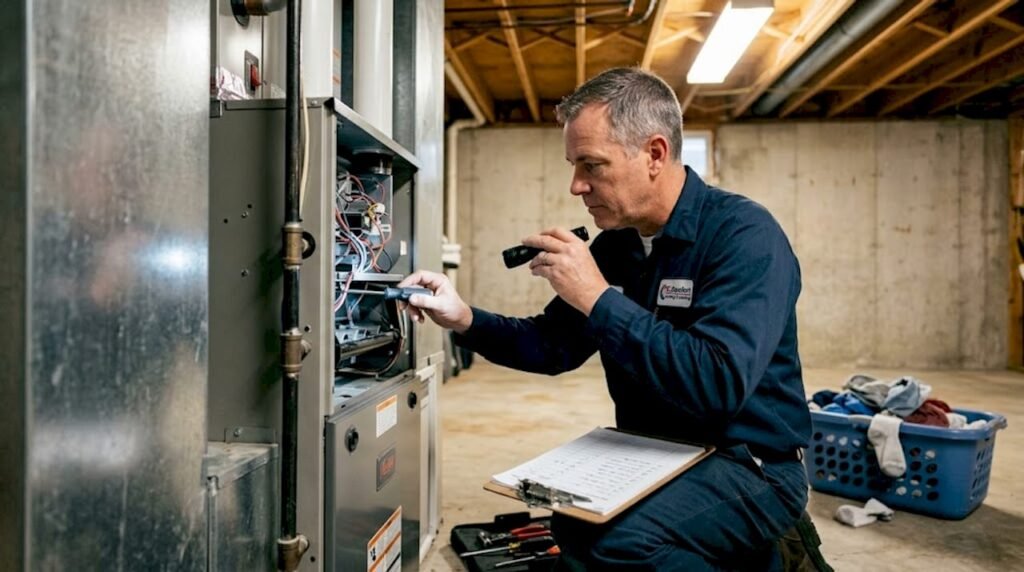
When you think about upgrading your HVAC, the most common step is replacing your furnace, boiler, or heat pump with a newer, higher-efficiency model. But a complete upgrade can go further than that. Here’s what a full heating upgrade might include:
- Furnace or heat pump replacement with a high-efficiency model
- Duct inspection and sealing to stop conditioned air from escaping
- Smart thermostat installation for better temperature control and scheduling
- Air sealing in attics, basements, and crawl spaces
- Zoning systems that let you heat different areas of your home independently
The Kansas City climate plays a big role here. Cold winters and variable shoulder seasons mean your heating system works hard for months at a time. That extended workload makes efficiency upgrades pay off faster here than in milder climates.
One important metric to understand is AFUE, which stands for Annual Fuel Utilization Efficiency. It measures what percentage of fuel your system actually converts to heat. Higher AFUE ratings mean less wasted energy and lower monthly bills. Older furnaces often rate between 70 and 80%, while modern systems regularly hit 95% or higher.
Before you schedule furnace tune-up services or a full replacement, it helps to know what you’re working with. A qualified technician can assess your current setup and tell you where the biggest inefficiencies are hiding.
Pro Tip: Leaky ducts can waste 20 to 30% of the heated air your system produces before it ever reaches your living spaces. Always ask your technician to inspect ductwork before finalizing any upgrade plan.
The financial impact: Lower bills and real savings
Once you understand what an upgrade includes, it’s vital to see how it hits your wallet in the short and long term. This is where the numbers get interesting.
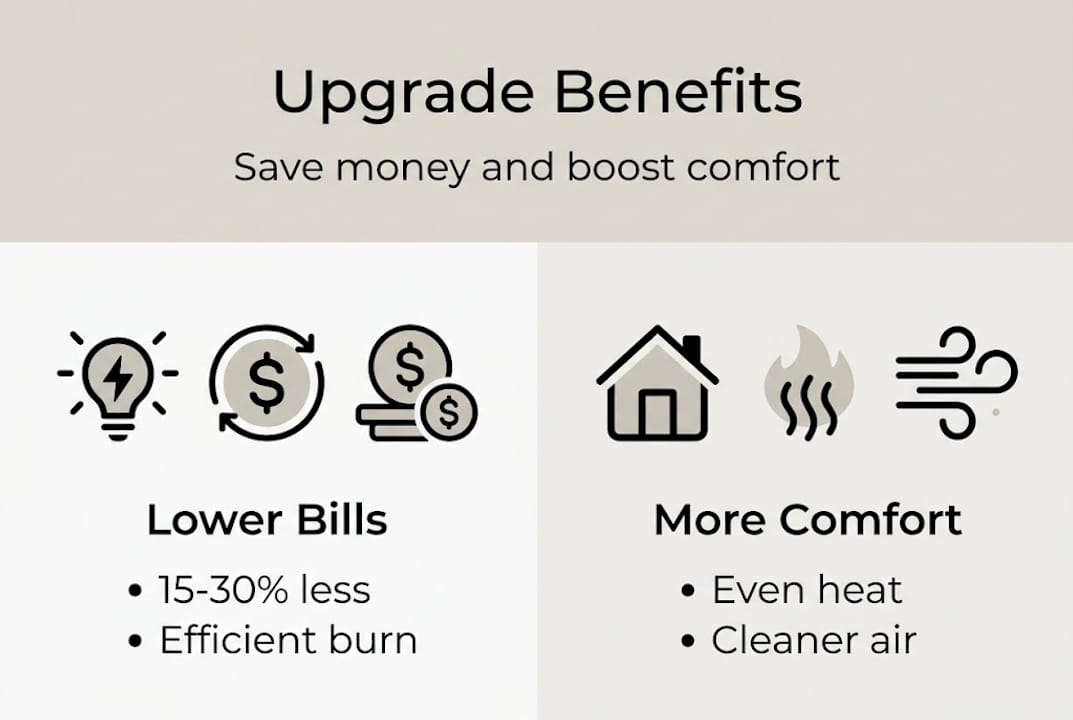
Modern furnaces achieve 90 to 98% AFUE compared to 70 to 80% in older models, reducing utility bills by 15 to 30%. For a Kansas City homeowner spending $1,500 per year on heating, that’s $225 to $450 back in your pocket every single year.
Here’s a straightforward cost comparison to put that in perspective:
| Factor | Old system (70-80% AFUE) | Upgraded system (95-98% AFUE) |
|---|---|---|
| Estimated annual heating cost | $1,500 | $1,050 to $1,275 |
| Annual savings | — | $225 to $450 |
| Average payback period | — | 6 to 10 years |
| System lifespan | Remaining 2 to 5 years | 15 to 20 years |
Those savings add up quickly, especially when you factor in that a new system won’t need the costly repairs an aging unit demands. An energy efficient HVAC system also tends to run more consistently, reducing wear and tear over time.
Here’s a simple way to think about the payback timeline:
- Calculate your current average annual heating bill
- Estimate your new bill after a 20% reduction
- Subtract the new bill from the old one to find your annual savings
- Divide the upgrade cost by annual savings to find your payback period
For example, moving from 80% to 95% AFUE can cut fuel consumption by roughly 20%, which means real dollars saved every month. Many Kansas City homeowners find the payback period lands between six and ten years, with the system lasting well beyond that. When you decide to replace your furnace, you’re making a long-term financial decision, not just fixing a short-term problem.
Comfort, health, and home value: The hidden benefits
Savings matter, but the benefits of upgrading go far beyond lower bills. The improvements you feel and breathe every day are just as important.
Modern heating systems distribute warmth more evenly throughout your home. That means no more cold spots in the bedroom or an overheated living room. Variable-speed blowers, which adjust output based on demand, are a key reason newer systems perform so much better in this area.
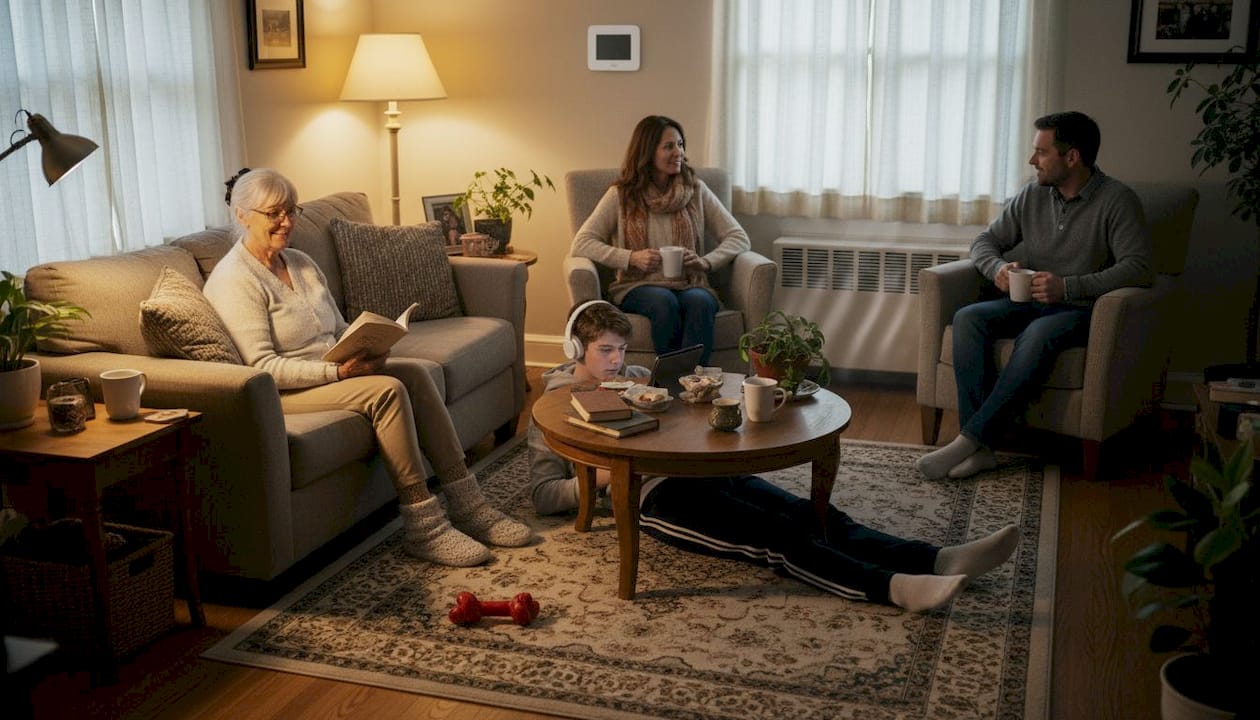
Upgrading heating systems reduces fuel waste, improving comfort and indoor air quality at the same time. Newer equipment paired with better filtration removes more dust, allergens, and airborne particles from your home’s air. For families with asthma or allergies, this is a meaningful quality-of-life improvement.
Here are some of the comfort and health benefits you can expect:
- Consistent temperatures from room to room
- Quieter operation compared to older, noisier units
- Improved humidity control that reduces dry air in winter
- Better air filtration that captures more dust and allergens
- Fewer system interruptions and emergency repairs
“A well-installed, high-efficiency heating system doesn’t just lower your bills. It changes how your home feels every single day.”
Pro Tip: If anyone in your household suffers from allergies or respiratory issues, ask about HEPA-compatible filtration options when planning your HVAC retrofitting for comfort. The difference in air quality can be significant.
There’s also a real estate angle worth considering. Homes with newer, efficient HVAC systems often sell faster and at better prices. Buyers notice updated systems, and a high-efficiency furnace is a concrete selling point. Reviewing an energy efficient HVAC guide can help you understand which upgrades add the most resale value for Kansas City homes specifically.
Is it time to upgrade? Key signs and when to act
After learning the benefits, you need a clear way to decide if upgrading is right for you right now. The answer usually comes down to a few specific signals.
Here’s a side-by-side look at what separates an aging system from a modern upgrade:
| Category | Old system | Modern upgrade |
|---|---|---|
| Age | 15 or more years | New installation |
| Efficiency (AFUE) | 70 to 80% | 90 to 98% |
| Monthly bill trend | Rising | Stable or decreasing |
| Comfort | Uneven, inconsistent | Steady and reliable |
| Noise level | Loud and irregular | Quiet and consistent |
| Repair frequency | Often | Rarely |
Systems achieving up to 98% efficiency make the upgrade decision straightforward once certain age and performance thresholds are crossed. If your system is showing two or more of the warning signs above, it’s time to act.
Here’s a numbered checklist to follow if you spot trouble:
- Note your system’s age and last service date
- Review your heating bills from the last two winters
- Walk through your home and check for uneven temperatures
- Listen for unusual noises like banging, rattling, or short cycling
- Count how many repairs you’ve needed in the last two years
- Schedule HVAC maintenance with a qualified technician for a professional assessment
- Ask your technician to compare repair costs against replacement value
A good rule of thumb: if a repair costs more than half the price of a new system, replacement is almost always the smarter move. A detailed furnace repair guide can help you understand what repairs are worth making versus when it’s time to move on.
How to take action: Planning your heating system upgrade
If you think it’s time for an upgrade, here’s exactly how to start making it happen. The process is more straightforward than most homeowners expect.
Follow these steps to move from evaluation to installation:
- Assess your current system. Note its age, model, AFUE rating, and recent repair history.
- Review your energy bills. Look for trends over the last two or three winters.
- Research high-efficiency models. Focus on systems rated 95% AFUE or higher for Kansas City’s climate.
- Get at least three quotes from licensed local HVAC contractors.
- Ask about rebates and financing. Many utility companies and manufacturers offer incentives for high-efficiency upgrades.
- Schedule your installation during fall or early spring to avoid peak-season delays.
When evaluating contractors, look for these qualities:
- Licensed and insured in Missouri or Kansas
- Clear written estimates with no hidden fees
- Experience with the specific brand or system you’re considering
- Willingness to perform a load calculation to size your system correctly
- Strong local reviews and a verifiable track record
Upgrading heating systems proactively increases both efficiency and comfort, especially when you plan ahead rather than react to a breakdown. Learning how to properly install HVAC system components is something professionals handle, but knowing the process helps you ask the right questions. When you’re ready, book an appointment with a trusted local expert to get a personalized assessment.
A Kansas City expert’s take: What most homeowners miss when upgrading
To close, here’s what years of helping KC homeowners upgrade has really taught us beyond the usual energy savings. The biggest mistake we see is waiting until a system completely fails before acting. At that point, you’re making a rushed decision under pressure, often in the middle of winter, with fewer options and less time to compare quotes.
Most homeowners focus almost entirely on the financial payback. But why comfort matters goes deeper than numbers. The peace of mind from knowing your system won’t fail on the coldest night of the year, the quieter house, the cleaner air your kids breathe every morning. These are real, daily benefits that don’t show up on a spreadsheet.
We also see homeowners underestimate resale value. A high-efficiency system installed within the last five years is a genuine selling point that buyers notice and appraise. Think of a heating upgrade as an investment in your home, your health, and your daily comfort, not just a line item on a utility bill.
Ready to upgrade? Trust Kansas City’s HVAC experts
If you’re ready for less stress and lower bills, expert help is a call or click away. At KC Air Control, we’ve been helping Kansas City homeowners heat their homes reliably and efficiently for over 70 years. Whether you need a full system replacement or just want a professional opinion on your current setup, we’re here to help.
Our team handles everything from furnace repair pros to full HVAC system installs, and we offer flexible financing options to make upgrades accessible for every budget. If your system goes down unexpectedly, our emergency HVAC repair team is ready to respond fast. Reach out today to schedule your personalized heating assessment and take the first step toward a more comfortable, efficient home.
Frequently asked questions
How much can I really save by upgrading my heating system?
Most Kansas City homeowners see 15 to 30% lower heating bills after upgrading to a high-efficiency system, since modern furnaces achieve 90 to 98% AFUE compared to the 70 to 80% common in older models.
How do I know if my heating system needs to be replaced?
If your unit is over 15 years old, needs frequent repairs, or your bills are climbing each winter, it’s time to consider an upgrade. Key upgrade signals include rising costs, uneven heating, and increasing repair frequency.
What is AFUE and why does it matter?
AFUE measures how efficiently your heating system converts fuel into heat. Higher AFUE ratings mean more heat from every dollar you spend on fuel, directly reducing your monthly energy bills.
Does upgrading my system improve indoor air quality too?
Yes. Modern heating upgrades often include better filtration systems that reduce dust, allergens, and airborne pollutants, making a noticeable difference in your home’s air quality.
How long does a heating upgrade take from start to finish?
Most heating system replacements in Kansas City are completed in one to three days once you’ve selected your new system and scheduled the installation with a qualified contractor.
Recommended
- Why upgrade your HVAC? Boost comfort & cut energy bills – KC Air Control – Heating & Cooling
- Why replace your furnace? Savings, comfort, and smart timing – KC Air Control – Heating & Cooling
- Energy efficient HVAC: lower bills and better comfort – KC Air Control – Heating & Cooling
- How HVAC systems optimize home comfort and energy efficiency – KC Air Control – Heating & Cooling