
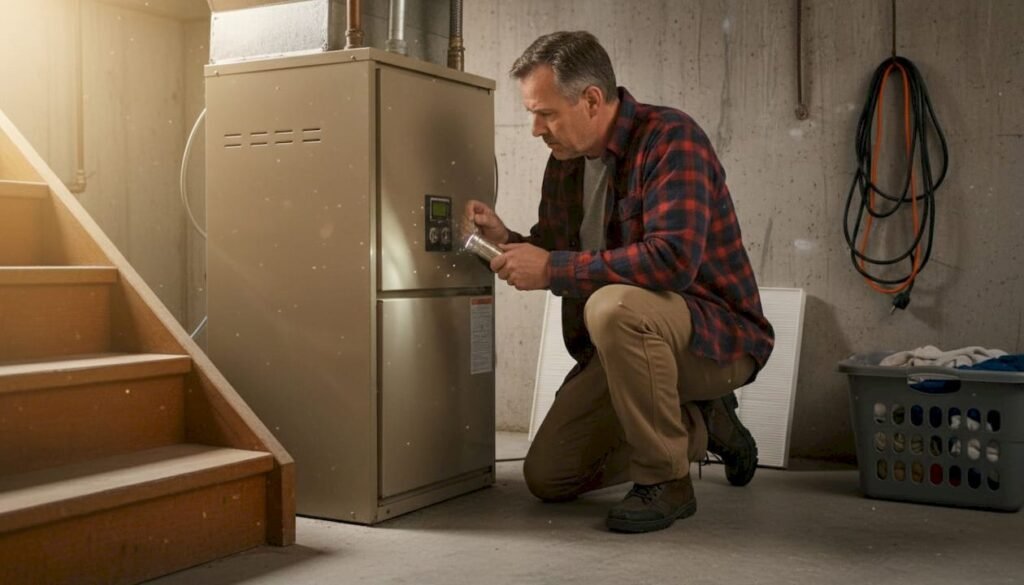
Your furnace may still be running, but that doesn’t mean it’s working well for you. Many Kansas City homeowners are spending hundreds of dollars more each year on heating bills simply because their furnace is old and inefficient. Pre-2005 models often fall below 80% AFUE (Annual Fuel Utilization Efficiency, meaning how much fuel actually becomes heat), while today’s best units hit 95 to 98% or higher. That gap translates directly into money leaving your wallet every winter. This guide walks you through age guidelines, warning signs, real savings numbers, and the steps to make a smart, confident decision about your furnace.
Table of Contents
- How furnace age and efficiency impact your home
- Real energy savings: What you gain by replacing your furnace
- Signs it’s time to replace, not repair
- What to expect: The furnace replacement process
- Why Kansas City homeowners trust professional furnace solutions
- Frequently asked questions
Quick Guide: Furnace Replacement Benefits, Process & FAQs
| Point | Details |
|---|---|
| Older units cost more | Aging furnaces lose efficiency and quietly drive up your heating costs. |
| Upgrades offer major savings | Modern furnaces can cut your energy bills by $200–$600 every year. |
| Timing beats breakdowns | Replacing early avoids costly emergencies and maximizes rebate opportunities. |
| Know the warning signs | Frequent repairs and uneven heat are clear signals it’s time to consider replacement. |
| Expert installation pays off | Professional replacement ensures safe, efficient operation and full warranty protection. |
How furnace age and efficiency impact your home
AFUE is the number that tells you how efficiently your furnace converts fuel into heat. A furnace rated at 80% AFUE wastes 20 cents of every dollar you spend on gas. A 96% AFUE unit wastes less than 4 cents. That difference adds up fast during a Kansas City winter.
According to the average service life report, most gas furnaces are designed to last 15 to 20 years. But efficiency doesn’t stay steady throughout that lifespan. Heat exchangers wear, burners degrade, and controls become less precise. Even with annual furnace tune-ups, an aging unit simply cannot perform the way a new one does.
| Feature | Older furnace (pre-2005) | New high-efficiency furnace |
|---|---|---|
| Typical AFUE | 60–80% | 95–98%+ |
| Estimated annual fuel cost | $1,200–$1,600 | $700–$1,000 |
| Expected remaining lifespan | 0–5 years | 15–20 years |
| Repair frequency | High | Low |
Here are the most common signs that your furnace is aging past its prime:
- Heating bills rising year over year without a change in usage
- Frequent repairs in the last two years
- Uneven heat throughout your home, with cold spots in certain rooms
- Unusual noises like banging, rattling, or popping during operation
- Yellow or flickering burner flame instead of a steady blue flame
- Excessive dust or dry air that worsens despite filter changes
- System age over 15 years, especially without recent major service
Pro Tip: Don’t wait for a complete breakdown to think about replacement. Upgrading before your furnace fails gives you time to compare options, apply for rebates, and schedule installation on your terms rather than in an emergency.
Now that you know old furnaces may quietly cost more than you think, let’s look at how age and upgrades translate directly to your energy bills.
Real energy savings: What you gain by replacing your furnace
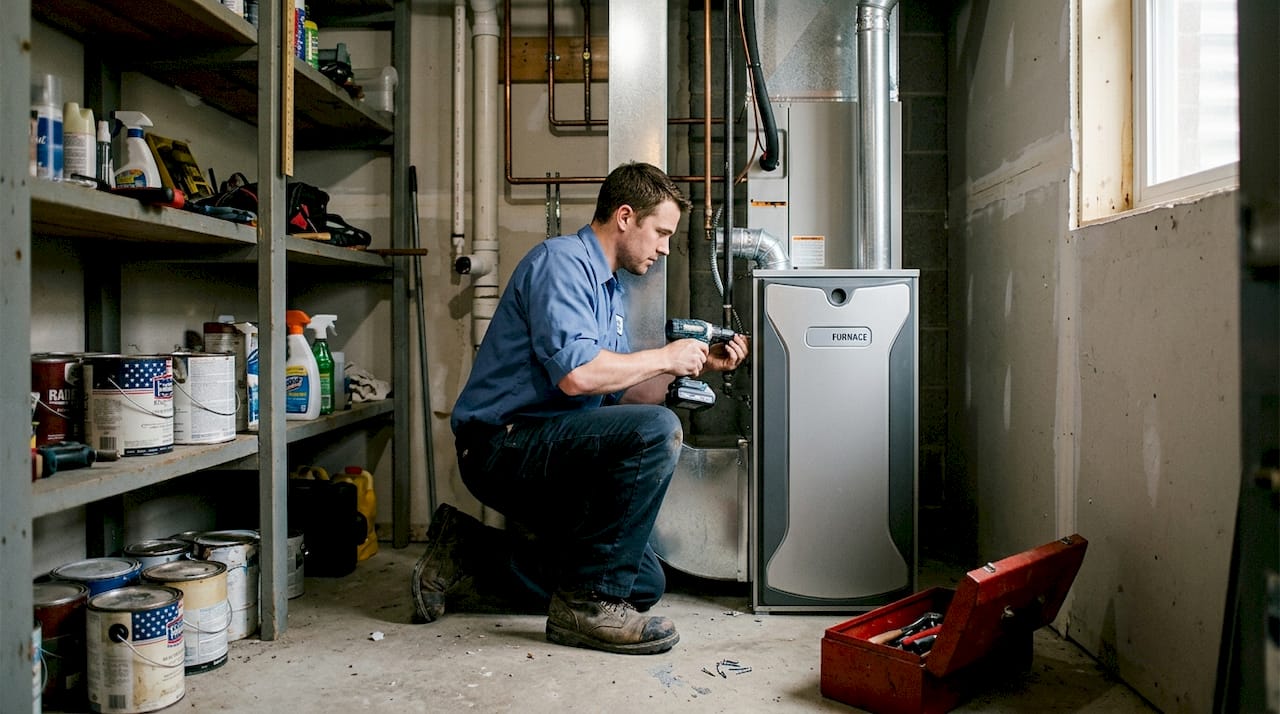
The financial case for replacing an aging furnace is strong. Upgrading to a high-efficiency unit can save Kansas City homeowners between $200 and $600 per year on heating costs, with a typical payback period of 3 to 10 years. Factor in available rebates and federal tax credits, and that payback window shrinks further.
| Scenario | Old furnace (78% AFUE) | New furnace (96% AFUE) |
|---|---|---|
| Annual gas bill | $1,400 | $850 |
| Estimated annual savings | — | $550 |
| Rebates/credits available | None | Up to $600+ |
| Payback period | — | 4–7 years |
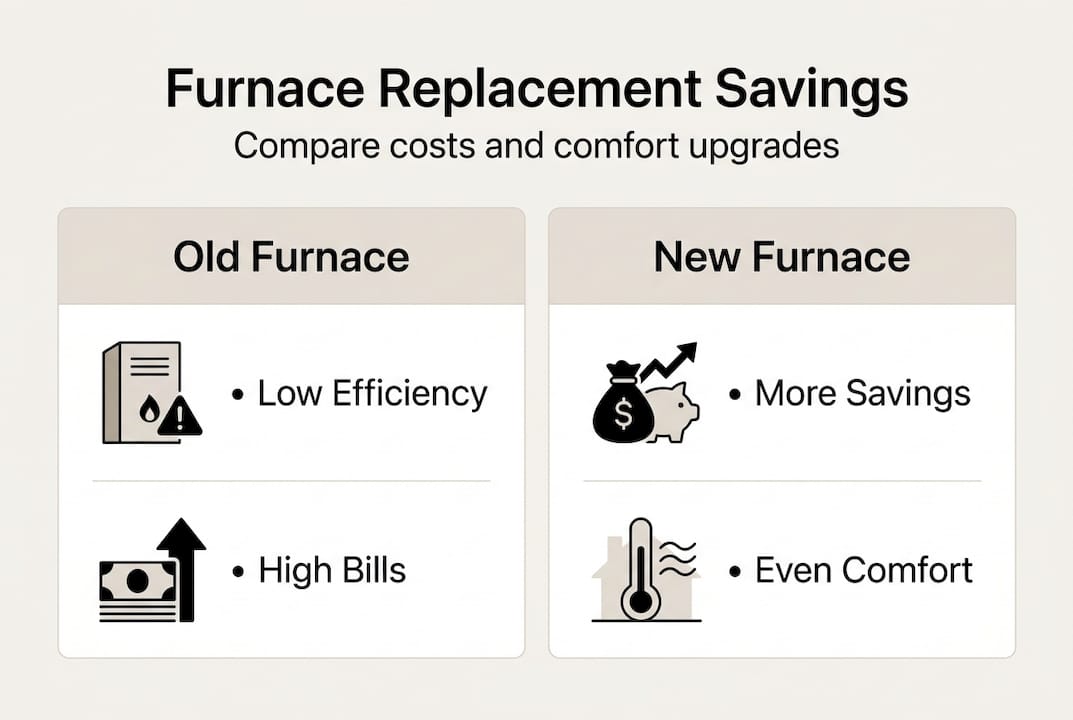
Many utility companies in the Kansas City area offer rebates for upgrading to high-efficiency equipment. The federal government also provides tax credits for qualifying HVAC upgrades. Upgraded HVAC systems often qualify for both, so it pays to ask your contractor before you buy.
Here’s how to estimate your own potential savings:
- Find your current AFUE. Check your furnace’s data plate or owner’s manual for the efficiency rating.
- Pull your last 12 months of gas bills. Add them up to get your annual heating spend.
- Calculate the efficiency gap. Divide your current AFUE by the new unit’s AFUE, then multiply by your annual bill to estimate the new cost.
- Subtract available rebates. Check your utility provider and the federal energy tax credit program for current offers.
- Compare to replacement cost. A typical furnace installation in Kansas City runs $3,000 to $6,000 depending on system size and complexity.
Pro Tip: Gas prices in Kansas City have trended upward over recent years. Even a modest increase in gas rates makes a high-efficiency furnace pay back faster. Factor in a 5 to 10% annual gas price increase when you run your numbers, and the case for upgrading gets even stronger. You can also explore heating cost savings strategies to stretch your investment further.
Understanding the numbers is key, but what about the warning signs that tell you it’s time to act before you face a no-heat emergency?
Signs it’s time to replace, not repair
Knowing when to stop repairing and start replacing is one of the most important decisions you’ll make as a homeowner. Repairs make sense for younger systems with isolated problems. But at some point, continued repairs are just delaying the inevitable while costing you more money.
Here are the clearest signs that replacement is the smarter move:
- Your furnace is 15 years or older, especially if efficiency has never been upgraded
- Repair costs exceed 50% of replacement cost, a widely used industry benchmark
- You’ve had two or more repairs in the past two years
- Your home has persistent cold spots that no amount of service seems to fix
- Your carbon monoxide detector has triggered, which can signal a cracked heat exchanger
- Your energy bills keep climbing even after tune-ups and filter changes
- Your system uses R-22 refrigerant or outdated components that are hard to source
Review the HVAC warning signs that indicate your system needs attention, and compare them honestly against your current situation. If several of these apply to your furnace, it’s time to have a professional evaluate your options.
The average service life data shows that while some well-maintained units exceed average lifespans, the expert consensus is clear: prioritizing efficiency and safety over squeezing out maximum years is the smarter long-term approach. Explore your furnace repair options with a trusted technician who can give you an honest assessment.
“A furnace that still turns on isn’t necessarily a furnace that’s working for you. When efficiency drops and repair costs climb, the most cost-effective decision is often a planned replacement rather than reactive fixes.”
Once you can spot the warning signs, the next step is understanding the replacement process and how to prepare for a smoother upgrade.
What to expect: The furnace replacement process
Replacing a furnace doesn’t have to be stressful. When you work with an experienced contractor, the process is straightforward and usually completed in a single day. Knowing what to expect helps you prepare and ask the right questions.
Here are the key steps from evaluation to final installation:
- Schedule a home evaluation. A qualified technician assesses your current system, measures your home’s heating load, and recommends the right size and efficiency level for your needs.
- Review your options. Your contractor should present multiple equipment options with clear pricing, efficiency ratings, and estimated annual operating costs.
- Confirm rebates and financing. Ask specifically about utility rebates, manufacturer promotions, and federal tax credits before signing anything.
- Prepare your home. Clear the area around your furnace and ensure the technician has easy access to your utility shutoffs.
- Installation day. A standard replacement typically takes 4 to 8 hours. The old unit is removed, the new system is installed and tested, and your home is left clean and warm.
- Final walkthrough. Your technician should explain how to operate the new system, set your thermostat correctly, and schedule your first maintenance visit.
Professional installation ensures you receive accurate information about expected savings and available rebates from the start. Always ask your contractor to pull the required permits and confirm the installation meets local Kansas City code requirements. This protects your warranty and your home’s resale value. For more on what the process involves, see our guide on installing a new HVAC system.
Working with a licensed, insured contractor also gives you access to HVAC installation services that include post-install support, which matters when questions come up after the job is done.
Why Kansas City homeowners trust professional furnace solutions
With everything we’ve covered, partnering with knowledgeable experts is your best path to comfort and peace of mind. Choosing the right team makes all the difference between a smooth upgrade and a frustrating experience.

At KC Air Control, we’ve been serving Kansas City homeowners for over 70 years. Whether you need a quick assessment of your current system, targeted furnace repair services, or a full system replacement, we handle it all under one roof. Our technicians are trained to match the right equipment to your home’s specific needs, help you capture every available rebate, and install your new system to code. We also offer flexible financing so cost doesn’t stand between you and a warm, efficient home. Explore all of our home comfort solutions or schedule your appointment today to get started.
Frequently asked questions
How long does a typical furnace last?
Most furnaces last 15 to 20 years, but efficiency drops after 15 years even with regular maintenance. If your unit is approaching that range, it’s worth having it evaluated.
What are the top warning signs of a failing furnace?
Frequent repairs, rising energy bills, uneven heating, odd noises, and a yellow burner flame are all key indicators. Review the full list of furnace repair signs to see how your system compares.
Will a new furnace save money on energy bills?
Yes. Replacing an old unit with a high-efficiency model can save you $200 to $600 per year depending on your home size and current gas rates.
Should I repair or replace my furnace if it’s over 15 years old?
Replacement is usually the better choice for units over 15 years old, particularly if efficiency is low or repairs are becoming frequent. The average service life data supports prioritizing efficiency and safety over extending a system’s maximum lifespan.
How long does it take to replace a furnace?
A standard furnace replacement is typically completed in one day, usually 4 to 8 hours depending on your home’s size and the complexity of the installation.