
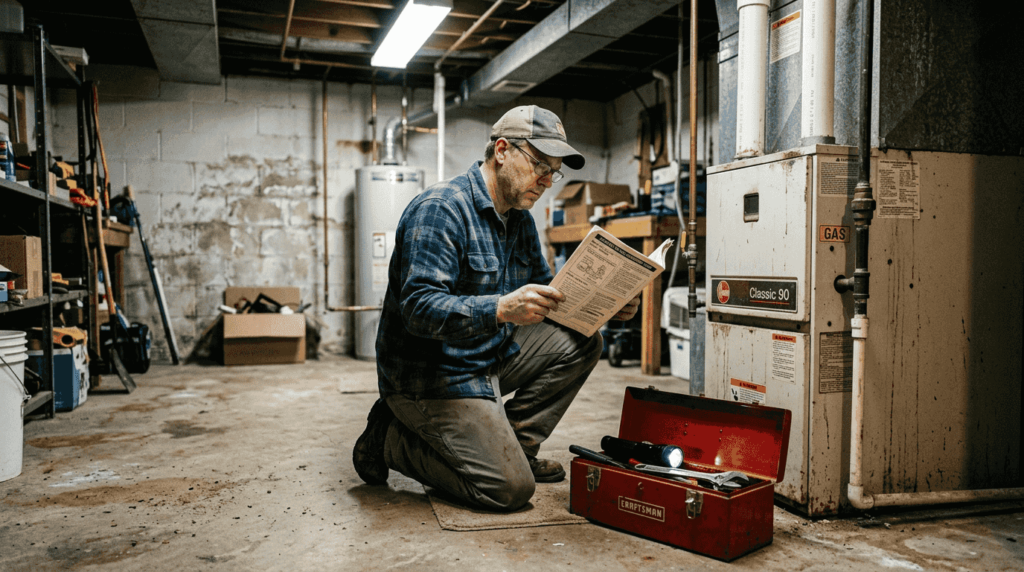
Your furnace works hard during Kansas City winters, but spotting problems early can prevent expensive breakdowns and keep your home safe. When homeowners recognize warning signs quickly, they avoid emergency repairs that cost significantly more than routine fixes. This guide reveals the ten most critical furnace repair signs every Kansas City homeowner should watch for, explains what each symptom means, and shows you when to call for professional help before minor issues become major headaches.
Table of Contents
- How To Identify Furnace Issues Early: Criteria For Recognizing Repair Signs
- Top 10 Furnace Repair Signs Kansas City Homeowners Should Watch
- Comparing Furnace Repair Signs: Urgency And Impact Checklist
- When To Call A Professional And Ensuring Effective Furnace Repair
- Get Expert Furnace Repair In Kansas City Today
Key takeaways
| Point | Details |
|---|---|
| Early detection saves money | Recognizing furnace problems before they escalate prevents costly emergency repairs and extends system lifespan. |
| Multiple warning signs exist | Strange noises, uneven heating, rising energy bills, and unusual odors all signal potential furnace issues. |
| Safety risks require urgency | Yellow pilot lights and gas odors indicate dangerous conditions needing immediate professional attention. |
| Professional inspection is essential | Certified technicians diagnose complex problems accurately and ensure repairs meet safety standards. |
How to identify furnace issues early: criteria for recognizing repair signs
You can catch furnace problems before they spiral out of control by staying alert to changes in your system’s behavior. Regular observation and maintenance reduce heating costs and emergency repairs by up to 15% annually. Start by paying attention to how your furnace sounds during normal operation. Any new or louder noises deserve investigation.
Check your home’s heating patterns weekly during winter months. Walk through each room and note temperature differences between spaces. Your furnace should deliver consistent warmth throughout your home without significant cold spots. If certain rooms feel noticeably cooler than others, your system may be struggling with airflow or component failures.
Monitor your monthly energy bills closely. Sudden spikes in heating costs without corresponding increases in usage often signal declining efficiency. Compare current bills to the same months in previous years to spot unusual patterns. These financial clues reveal hidden problems before they cause complete system failure.
Pro Tip: Keep a simple furnace log noting dates of unusual sounds, temperature inconsistencies, or filter changes. This record helps technicians diagnose problems faster and provides valuable maintenance history.
Inspect visible furnace components monthly:
- Check air filters for dirt buildup and replace every 1 to 3 months
- Look for dust accumulation around vents and registers
- Observe the flame color through viewing windows when safe
- Listen for changes in blower motor sounds
- Note any unusual smells when the system runs
Top 10 furnace repair signs Kansas City homeowners should watch
Recognizing specific symptoms helps you determine when your furnace needs professional attention. Common furnace symptoms include strange noises, uneven heating, yellow pilot flame, and frequent cycling that indicate mechanical or safety issues. Here are the ten most important warning signs:
Strange noises like banging, rattling, or screeching suggest loose components, worn bearings, or failing motors that need immediate inspection.
Uneven heating between rooms indicates ductwork problems, failing blower motors, or thermostat malfunctions affecting comfort throughout your home.
Yellow or flickering pilot light instead of steady blue flame signals incomplete combustion and potential carbon monoxide risks requiring urgent professional evaluation.
Frequent cycling where your furnace turns on and off repeatedly wastes energy and stresses components, often caused by thermostat issues or clogged filters.
Rising heating bills despite consistent usage patterns reveal declining efficiency from dirty components, aging parts, or system wear.
Unusual odors including burning smells, musty scents, or gas odors demand immediate attention as they may indicate electrical problems or dangerous gas leaks.
Excessive dust or soot near vents suggests combustion problems or dirty ductwork that reduces air quality and system performance.
Delayed heat delivery after thermostat activation points to ignition problems, sensor failures, or airflow restrictions needing diagnosis.
Thermostat malfunctions with inconsistent readings or unresponsive controls prevent proper temperature regulation and waste energy.
Furnaces over 15 years old showing multiple issues simultaneously often need replacement rather than continued repairs for cost effectiveness.
Each symptom provides clues about specific component failures. Multiple simultaneous signs typically indicate more serious problems requiring comprehensive inspection.
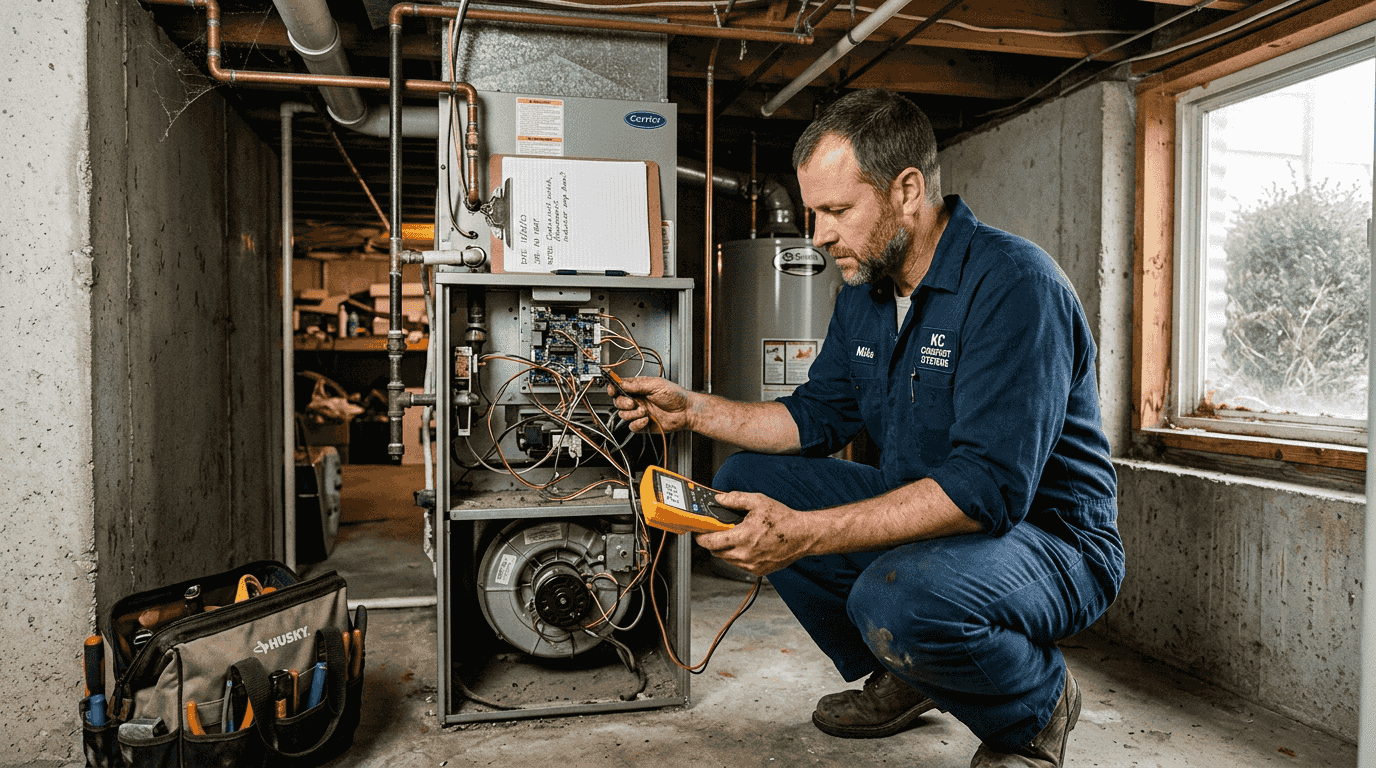
Comparing furnace repair signs: urgency and impact checklist
Understanding which symptoms demand immediate action versus those allowing scheduled repairs helps you prioritize safety and budget effectively. Early repairs correlate with fewer emergency calls and lower costs by preventing cascading failures.
| Repair Sign | Urgency Level | Safety Risk | Typical Impact |
|---|---|---|---|
| Yellow pilot light | Immediate | High (carbon monoxide) | System shutdown needed |
| Gas odor | Immediate | Critical (explosion risk) | Evacuate and call utility |
| Banging noises | High | Medium (component damage) | Schedule within 24 hours |
| Frequent cycling | Medium | Low | Repair within one week |
| Uneven heating | Medium | Low | Comfort reduction |
| Rising bills | Low | None | Schedule maintenance |
| Excessive dust | Low | Low (air quality) | Filter and duct cleaning |
Prioritize these signs requiring immediate professional response:
- Any gas smell or suspected leak
- Yellow, orange, or flickering pilot light flames
- Loud banging or metal grinding sounds
- Complete heating failure during extreme cold
- Visible smoke or burning smells
Pro Tip: Never ignore carbon monoxide detector alerts near your furnace. These devices provide critical early warning of combustion problems that yellow pilot lights also indicate.
Some symptoms like gradually rising energy bills signal creeping inefficiency rather than immediate danger. These issues still deserve attention but allow time for scheduled maintenance appointments. Addressing efficiency problems early prevents them from evolving into emergency situations during the coldest weeks of winter.
Safety risks always trump convenience. When you detect signs linked to gas leaks or carbon monoxide, shut off your furnace immediately and contact professionals. The cost of emergency service pales compared to health risks or property damage from delayed action.
When to call a professional and ensuring effective furnace repair
Knowing when DIY troubleshooting ends and professional service begins protects your safety and investment. Timely professional intervention improves furnace lifespan and home comfort by addressing root causes rather than temporary fixes.
Call certified HVAC technicians immediately for these conditions:
- Yellow or orange pilot light indicating combustion issues
- Any natural gas smell near the furnace
- Loud banging, grinding, or screeching noises
- Complete system failure during freezing weather
- Visible cracks in heat exchanger components
- Repeated tripping of electrical breakers
Before scheduling service, gather information that helps technicians diagnose efficiently. Note when symptoms first appeared, what conditions trigger problems, and any recent changes to your home or system. This background speeds repairs and may reduce diagnostic time charges.
Ask potential repair providers these essential questions:
- What certifications and licenses do your technicians hold?
- Do you provide written estimates before starting work?
- What warranties cover parts and labor?
- Can you explain the problem and repair options clearly?
- Do you offer maintenance plans for ongoing care?
Pro Tip: Schedule annual furnace tune ups immediately after repairs to maintain peak efficiency and catch developing problems early. Preventive maintenance costs far less than emergency fixes.
Verify that repair companies carry proper insurance and employ certified technicians trained on your furnace brand. Check online reviews focusing on responsiveness, pricing transparency, and work quality. Local companies familiar with Kansas City climate patterns often provide better service than national chains.
Quality repairs should include thorough testing after work completion. Technicians should verify proper ignition, airflow, temperature rise, and safety control operation before leaving your home. Request documentation of all work performed and parts replaced for your maintenance records.
Get expert furnace repair in Kansas City today
When you spot any of these warning signs, KC Air Control delivers fast, reliable furnace repair backed by over 70 years of heating expertise. Our certified technicians understand Kansas City winters and respond quickly to keep your home comfortable and safe. We diagnose problems accurately the first time, explain your options clearly, and complete repairs efficiently.
Facing a heating emergency? Our emergency HVAC troubleshooting team stands ready to restore your comfort fast. We offer transparent pricing, quality workmanship, and maintenance plans that prevent future breakdowns. Book online today for convenient scheduling that fits your busy life, or call us for immediate assistance with urgent furnace problems.
FAQ
What are the safest signs indicating urgent furnace repair?
Yellow or orange pilot light flames signal incomplete combustion and potential carbon monoxide buildup requiring immediate professional attention. Any natural gas odor near your furnace demands shutting off the system and calling both your utility company and HVAC technician right away. Loud banging or metal grinding noises suggest imminent component failure that could damage your entire system if ignored. Never delay addressing these critical safety symptoms.
How often should I schedule furnace maintenance to prevent repair?
Schedule professional furnace tune ups annually before heating season begins, typically in early fall. Regular maintenance extends furnace lifespan by 5 to 10 years while improving efficiency and catching small problems before they require expensive repairs. Kansas City’s temperature swings make consistent maintenance especially important for reliable winter performance.
Can I troubleshoot furnace problems before calling a technician?
Homeowners can safely check thermostat settings, replace air filters, and verify circuit breakers haven’t tripped before calling for service. You can also ensure vents remain unblocked and registers stay open throughout your home. However, symptoms like strange noises, gas odors, or heating failures require professional diagnosis and repair. Use this furnace troubleshooting checklist for safe preliminary steps, but never attempt repairs on gas lines, electrical components, or internal furnace parts.
How much does typical furnace repair cost in Kansas City?
Furnace repair costs vary widely based on the specific problem, ranging from $150 for simple fixes like thermostat replacement to $1,500 for major component failures. Most Kansas City homeowners pay between $300 and $600 for common repairs like blower motor replacement or ignition system fixes. Emergency service during nights or weekends typically adds $100 to $200 to standard rates. Getting multiple estimates helps ensure fair pricing for your specific situation.
Recommended
- Emergency furnace repair guide for Kansas City homeowners – KC Air Control – Heating & Cooling
- Common HVAC emergencies and repairs in Kansas City 2026 – KC Air Control – Heating & Cooling
- Emergency HVAC Repair Workflow KC: 35% Faster Fixes – Air Control
- What is emergency HVAC repair? Kansas City guide – KC Air Control – Heating & Cooling