

TL;DR:
- Regular HVAC maintenance and filter changes can save up to 15% on energy bills.
- Smart thermostats and proper controls optimize energy use during Kansas City’s seasonal swings.
- Sealing ducts and insulating homes reduce energy waste caused by leaks and poor insulation.
HVAC systems can account for up to 40% of a home’s energy expenses, and in Kansas City, where summers hit triple digits and winters bite hard, that number can climb even higher. Many homeowners want to cut costs but feel overwhelmed trying to figure out which steps actually move the needle. The good news: several proven strategies consistently lower utility bills and improve comfort. This guide walks you through the most effective HVAC energy saving actions, backed by real data and shaped by what works specifically for Kansas City homes.
Contents: Energy-Saving HVAC Tips for Kansas City Homeowners
- HVAC maintenance mastery: The keystone of energy savings
- Smart thermostat strategies for Kansas City’s swings
- Stop the leaks: Duct sealing, insulation, and the 20-30% problem
- When upgrades pay off: High-efficiency systems and bonus tips
- What most energy saving lists overlook: Local context and real-life results
- Unlock maximum savings with Kansas City’s HVAC experts
- Frequently asked questions
Key Takeaways
| Point | Details |
|---|---|
| Prioritize regular maintenance | Simple tasks like changing filters and getting seasonal tune-ups deliver fast energy savings and fewer repairs. |
| Use smart thermostat settings | Programming your thermostat for Kansas City’s peaks saves about 10 percent without sacrificing comfort. |
| Seal and insulate effectively | Stopping leaks and adding attic insulation cuts energy waste by 20 to 30 percent. |
| Consider high-efficiency upgrades | Modern HVAC systems plus water heater tweaks can slash annual bills by up to 30 percent. |
| Local adjustments work best | Kansas City’s climate demands tailored HVAC strategies, not one-size-fits-all solutions. |
HVAC maintenance mastery: The keystone of energy savings
With HVAC being such a significant part of your energy use, routine maintenance offers the easiest wins for savings. Most homeowners underestimate how much a dirty filter or skipped tune-up costs them each month. The reality is that regular HVAC maintenance can save 5 to 15% on energy bills, which adds up to real money over a Kansas City heating and cooling season.
Filter replacements are the simplest place to start. A clogged filter forces your system to work harder, consuming more energy to push air through your home. Replace filters every one to three months, more often if you have pets or allergy concerns. Beyond filters, annual professional tune-ups keep your system running at peak efficiency and catch small issues before they become expensive repairs.
Kansas City’s weather demands two seasonal checkups each year. Schedule a pre-summer tune-up before the heat arrives and a pre-winter checkup before you rely on your furnace. Our checkup importance guide explains why timing matters so much in this climate. Local utilities like Evergy also recommend seasonal tune-ups for Kansas City homeowners to stay ahead of demand and avoid peak-season breakdowns.
Here are the core maintenance steps every KC homeowner should follow:
- Replace air filters every 1 to 3 months
- Schedule a professional tune-up each spring and fall
- Clear debris from outdoor condenser units
- Check and clean evaporator coils annually
- Test thermostat calibration before each season
- Inspect refrigerant levels and electrical connections
Statistic: Neglecting maintenance doesn’t just raise bills. It shortens system lifespan and increases the risk of emergency breakdowns during the hottest and coldest days of the year.
Pro Tip: Don’t wait until your system struggles to book a tune-up. Pre-season appointments book fast in KC, and preventing costly repairs starts with scheduling early.
Smart thermostat strategies for Kansas City’s swings
Once your system is maintained, how you control it is the next critical factor. A programmable or smart thermostat is one of the most effective tools you have for managing energy use without sacrificing comfort. With the right settings, programmable thermostats can cut your energy bills by 10% annually.
For Kansas City’s climate, these settings deliver the best balance of comfort and savings:
- Set heating to 68°F when you’re home and active
- Drop heating to 60 to 62°F when you’re asleep or away
- Set cooling to 78°F when you’re home
- Raise cooling to 85°F when the house is empty
- Program weekday and weekend schedules separately to match your routine
- Use vacation mode during extended trips
Setback scheduling optimizes comfort during variable weather, especially in Kansas City where a morning can start cool and an afternoon turns sweltering. Smart thermostats with weather-tracking features handle these swings automatically.
There are a few exceptions to keep in mind. If you have a heat pump, avoid large temperature setbacks because reheating takes more energy than maintaining a steady temperature. If your home has significant air leaks, the thermostat alone won’t solve the comfort problem. Also, leaving the fan set to “On” instead of “Auto” runs the blower constantly and increases electricity use without improving comfort.
“A smart thermostat paired with a well-maintained system is the most cost-effective combination for managing Kansas City’s unpredictable weather.”
Many Kansas City homeowners also qualify for rebates when installing smart thermostats. Check your utility provider and explore our energy savings guide for current local incentives.
Pro Tip: Review your thermostat’s scheduling program at the start of each season. A schedule set for summer doesn’t automatically work for winter, and a quick five-minute update can save noticeably on your next bill.
Stop the leaks: Duct sealing, insulation, and the 20-30% problem
Even with controls dialed in, energy still goes to waste if it leaks from your home. Air leaks and poor insulation can waste 20 to 30% of HVAC energy in a typical house. In an older Kansas City home, that waste can be even higher.
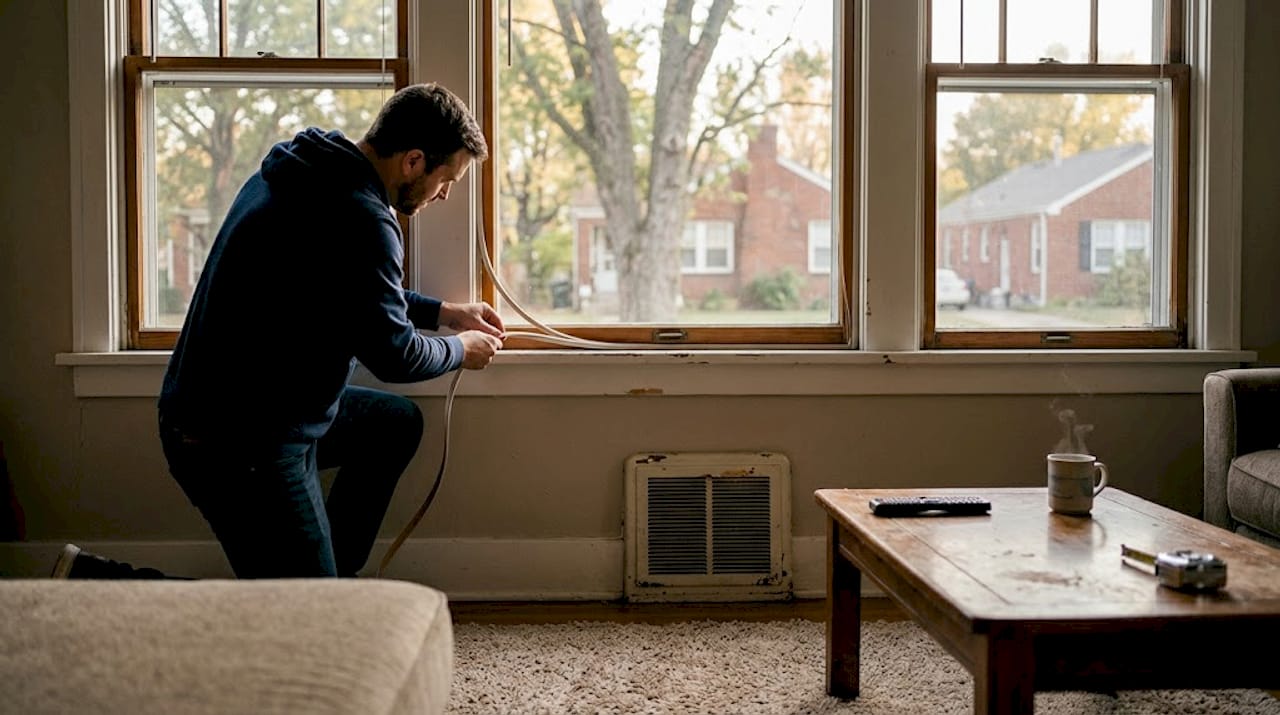
Ducts are often the biggest hidden drain. Leaky ducts send conditioned air into crawlspaces, attics, and wall cavities instead of your living spaces. Duct sealing with mastic and adding attic insulation to R-49 are among the top solutions recommended for homes in this climate.
Here are the most impactful air sealing steps you can take:
- Apply caulk around windows, door frames, and electrical outlets
- Install or replace weatherstripping on all exterior doors
- Seal duct joints with mastic tape or foil tape (not standard duct tape)
- Add insulation to the attic floor, basement walls, and around ducts in unconditioned spaces
- Check for gaps around pipes and wires entering the home
Insulation comparison for Kansas City homes:
| Insulation type | Best location | R-value per inch | DIY friendly |
|---|---|---|---|
| Fiberglass batts | Attic, walls | 2.2 to 2.7 | Yes |
| Blown-in cellulose | Attic floor | 3.2 to 3.8 | Rentable equipment |
| Spray foam | Crawlspaces, rim joists | 3.7 to 6.5 | Professional recommended |
| Rigid foam board | Basement walls, ducts | 3.8 to 6.5 | Yes |
For most homeowners, a combination of DIY air sealing and a professional duct inspection delivers the fastest payback. Our installation guide covers when professional help is worth the investment. The long-term savings on your lower bills more than offset the upfront cost of a thorough sealing project.
When upgrades pay off: High-efficiency systems and bonus tips
After improving the house envelope, some homeowners ask: when does upgrading equipment make sense? The short answer is that upgrading makes financial sense when your current system is more than 12 to 15 years old, needs frequent repairs, or has a low SEER or AFUE rating. Upgrading to ENERGY STAR or high SEER or AFUE-rated HVAC equipment can lower costs by 20 to 30%.
Efficiency comparison: Old vs. new HVAC systems
| System type | Older unit efficiency | Modern high-efficiency | Estimated annual savings |
|---|---|---|---|
| Central AC (SEER) | 8 to 10 SEER | 18 to 22 SEER | 30 to 45% on cooling |
| Gas furnace (AFUE) | 60 to 70% AFUE | 95 to 98% AFUE | 25 to 35% on heating |
| Heat pump (HSPF) | 7 to 8 HSPF | 10 to 13 HSPF | 20 to 30% on heating |
Kansas City homeowners can also reduce costs by adjusting water heater settings. Setting the water heater to 120°F reduces heating costs by up to 10%, particularly when integrated with a whole-home efficiency plan.
A few more often-overlooked savings moves worth adding to your routine:
- Use ceiling fans to feel cooler without lowering the thermostat
- Close blinds and curtains on south-facing windows during summer afternoons
- Run kitchen and bathroom exhaust fans sparingly so conditioned air doesn’t escape
- Have refrigerant levels checked if your AC struggles to cool efficiently
Pro Tip: Before purchasing a new system, explore our more energy-saving tips page to understand which rebates and financing options are currently available in the Kansas City area. Local utility rebates can significantly reduce upfront costs.
What most energy saving lists overlook: Local context and real-life results
Generic national energy-saving lists are a solid starting point, but they often miss the details that matter most for Kansas City homeowners. Here’s what we see repeatedly when working with local homes: Kansas City’s humidity and temperature swings require unique strategies that work in other regions don’t always apply here.
For example, a setback temperature that performs well in a dry Denver climate can cause moisture and comfort issues in Kansas City’s humid summers. Similarly, attic insulation levels adequate in moderate climates fall short here, where heat loads are intense for months at a time.
We’ve seen energy audits reveal that some KC homeowners spend money on efficiency upgrades in the wrong order, adding smart thermostats before fixing duct leaks, which limits the actual savings. The most effective approach is systematic: seal the envelope first, maintain the equipment second, and then optimize controls and consider upgrades.
Local expertise matters. Our team can help you winterize for KC conditions specifically and prioritize the steps that will move your bills the most. Generic advice is a starting point. Local knowledge is where the real savings live.
Unlock maximum savings with Kansas City’s HVAC experts
The tips in this article can make a measurable difference, but the results improve significantly when a qualified local professional confirms your system is operating at its best.

At KC Air Control, our professional HVAC maintenance services are built around Kansas City homes and the unique demands of this climate. Whether you need AC repair services to fix an efficiency-robbing problem or want to schedule furnace tune-ups before winter arrives, we’re here to help. With over 70 years of experience serving KC homeowners, we know exactly which solutions deliver real, lasting savings. Schedule your service today and put these energy-saving strategies to work for your home.
Frequently asked questions
How often should I replace my HVAC filter to save energy?
Change your HVAC filter every 1 to 3 months for best airflow and efficiency. Homes with pets or allergy sufferers should change filters closer to every month, since filter changes improve efficiency and can save up to 15% on energy costs.
What are the best thermostat settings for Kansas City’s weather?
Set to 68°F for heating and 78°F for cooling when you’re home, and adjust those settings when you’re away or asleep. Best thermostat setbacks optimize comfort and energy use, especially during Kansas City’s unpredictable seasonal transitions.
Does duct cleaning actually improve energy efficiency?
Duct sealing and cleaning can prevent major energy loss by improving airflow and reducing leaks throughout your system. Proper duct sealing can prevent 20 to 30% energy loss, making it one of the highest-impact improvements you can make.
How can I find local HVAC rebates in Kansas City?
Check Evergy and ENERGY STAR for current Kansas City HVAC rebates and incentives. Rebates for high-efficiency upgrades are available through local utilities, and the ENERGY STAR rebate locator helps you identify all programs you qualify for based on your ZIP code.
Recommended
- Energy efficient HVAC guide: Save 20-50% in KC – KC Air Control – Heating & Cooling
- 12 Essential Energy-Efficient HVAC Tips for Lower Bills – KC Air Control – Heating & Cooling
- Energy efficient HVAC: lower bills and better comfort – KC Air Control – Heating & Cooling
- Energy efficient HVAC installation guide for KC homeowners – KC Air Control – Heating & Cooling