
TL;DR:
- Neglected cooling systems often cause high energy bills and system failures, but most issues are preventable through regular maintenance. Homeowners should routinely check filters, condensate drains, outdoor unit clearance, and schedule professional tune-ups for optimal performance. Proper upkeep, including coil and drain line care, extends equipment lifespan and enhances home comfort reliability.
Your energy bills are climbing, your AC is running longer than it should, and then one August afternoon it stops working entirely. More often than not, a neglected cooling system is the culprit. The good news is that most of these problems are preventable. Following proven cooling system maintenance tips does not require an engineering degree or a large budget. It requires consistency and knowing what to check. This guide gives Kansas City homeowners a clear, practical path to a more efficient, reliable cooling system before the summer heat arrives.
Table of Contents
- How to evaluate your cooling system maintenance needs
- Top practical cooling system maintenance tips for homeowners
- Comparing DIY and professional cooling system maintenance
- When to schedule professional maintenance and what to expect
- Why ignoring evaporator coil and drain line maintenance hurts your system more than you think
- How KC Air Control helps Kansas City homeowners maintain efficient cooling systems
- Frequently asked questions
Key Takeaways
| Point | Details |
|---|---|
| Regular filter maintenance | Clean or replace AC filters every one to two months during the cooling season to keep airflow optimal. |
| Inspect evaporator coils | Have your evaporator coil professionally inspected and cleaned to maintain heat absorption and efficiency. |
| Clear condensate drains | Regularly clear condensate drain channels to prevent clogs that can cause system shutdown or water damage. |
| Annual professional tune-ups | Schedule a professional HVAC tune-up annually in early spring to ensure reliability and efficiency. |
| Know DIY limits | Perform basic upkeep yourself, but leave complex maintenance tasks to licensed HVAC professionals. |
How to evaluate your cooling system maintenance needs
Before applying any cooling system maintenance tips, you need to know what your system actually needs. Not every home or unit is in the same condition, and starting with an honest assessment saves you time and money.
Here are the key areas to evaluate:
- Filter condition: Pull your filter out and hold it up to the light. If you cannot see light through it, it needs to be replaced. A clogged filter is the single most common cause of reduced airflow and higher energy bills.
- Evaporator coil cleanliness: Located inside your air handler, the evaporator coil absorbs heat from your indoor air. Dust and grime build up on the coil over time, even if your filters look fine. Reduced heat absorption means your system works harder and cools less effectively.
- Condensate drain condition: Your AC produces condensation as it cools. That moisture drains through a small pipe, and if that pipe gets clogged, water can back up into the unit or overflow into your home. Check the drain pan under your indoor unit for standing water.
- Outdoor unit clearance: Walk outside and look at your condenser unit. Grass, weeds, leaves, and debris packed against the unit block airflow and force the compressor to work harder.
- Airflow from vents: Stand near several supply vents in your home while the system runs. Weak or inconsistent airflow often signals a filter or coil issue before any alarm sounds.
Following a consistent HVAC maintenance checklist for Kansas City is a reliable way to make sure none of these areas slip through the cracks. The Department of Energy confirms that regular maintenance of filters, coils, and drains is essential for efficient AC performance and comfort. And as property managers and owners know well, routine system cleaning and upkeep pays dividends in both performance and longevity.
Top practical cooling system maintenance tips for homeowners
With the assessment criteria in mind, here are specific maintenance tips to apply regularly throughout the cooling season. These are the actions that make the biggest difference for Kansas City homeowners.
-
Replace or clean your air filter monthly. During peak summer months, your system runs constantly. Clean or replace AC filters every month or two during the cooling season to maintain airflow and efficiency. If you have pets or live near a dusty road, lean toward monthly replacements.
-
Clear your condensate drain line every 30 to 60 days. Algae, mold, and debris collect in the drain line over time. Pouring a small amount of diluted bleach or white vinegar into the drain access port kills buildup before it becomes a blockage. Clearing AC unit drain channels prevents clogs that cause overflows and system shutdowns. For more involved blockages, these DIY drain clearing techniques can help you address the problem safely at home.
-
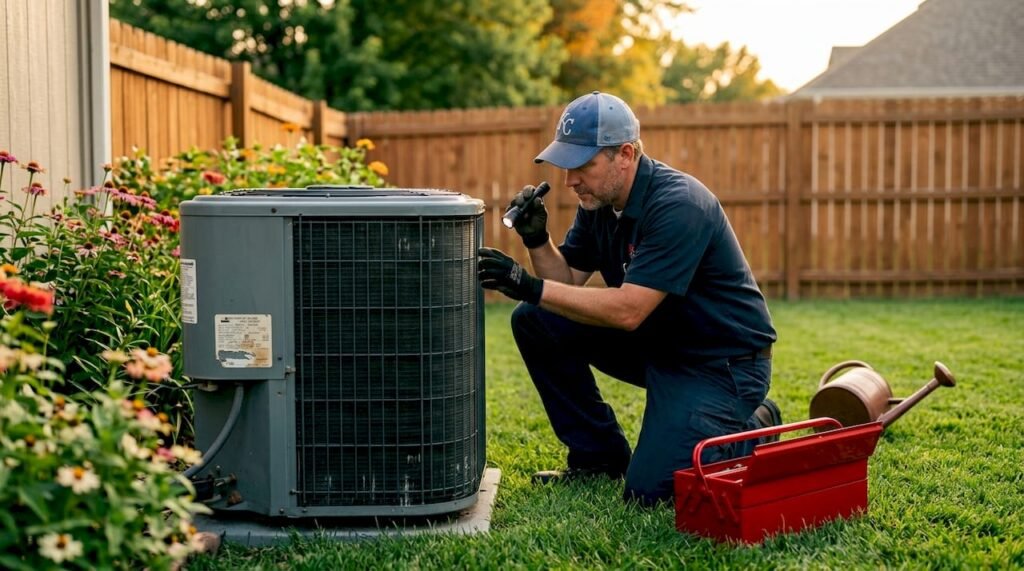
Keep the outdoor unit clear. Trim back any shrubs or plants to at least two feet around the condenser unit. After storms, remove leaves, grass clippings, and debris. Rinse the unit gently with a garden hose from the top down to clear dust from the fins. Never use a pressure washer.
-
Check your thermostat settings. If your thermostat is running on old batteries or is improperly calibrated, it can cause the system to short cycle (turn on and off too quickly) or run longer than necessary. This one is easy to miss and easy to fix.
-
Schedule a professional tune-up every spring. This is the most important item on the list. Before Kansas City summers kick in, a licensed technician should inspect your system top to bottom. The AC tune-up benefits go well beyond what any DIY checklist can cover. Reviewing seasonal HVAC maintenance tips before each season helps you stay ahead of the biggest issues.
Pro Tip: Set a recurring phone reminder every 30 days to check your filter. It takes two minutes and is the single easiest way to protect your system’s efficiency all season long.
Comparing DIY and professional cooling system maintenance
Understanding practical tips leads naturally to deciding which tasks you can handle yourself and which ones genuinely need a professional. Getting this wrong in either direction costs you money.
| Maintenance task | DIY appropriate | Requires professional |
|---|---|---|
| Filter replacement | Yes | No |
| Clearing drain line (basic) | Yes | No |
| Removing debris from outdoor unit | Yes | No |
| Checking thermostat operation | Yes | No |
| Evaporator coil cleaning | No | Yes |
| Condenser coil cleaning | No | Yes |
| Refrigerant level check | No | Yes |
| Electrical component inspection | No | Yes |
| Blower motor and belt inspection | No | Yes |
| Full system safety check | No | Yes |
DIY maintenance covers the surface level tasks that require no technical tools and carry no safety risks. But it stops well short of what a full tune-up delivers. DIY maintenance helps but cannot replace professional tune-ups that cover refrigerant checks and safety controls. Refrigerant handling, for example, is regulated by federal law and can only be performed by a certified technician.
Here is what a professional tune-up should include that you simply cannot replicate at home:
- Checking and adjusting refrigerant levels
- Cleaning evaporator and condenser coils
- Testing and tightening electrical connections
- Inspecting the blower motor and capacitor
- Verifying thermostat calibration
- Confirming safety shutoffs are functional
Understanding the benefits of regular AC tune-ups makes it clear why this investment pays off. A system that runs one season without professional attention can lose meaningful efficiency even if the filters stayed clean.
Pro Tip: Keep a folder with your tune-up receipts and filter replacement dates. Some manufacturer warranties require documented annual professional maintenance, and having that paper trail protects you if a covered component fails.
When to schedule professional maintenance and what to expect
Knowing when and why to schedule professional service rounds out your maintenance strategy. Timing matters more than most homeowners realize, especially in Kansas City where summer demand is high.
The right window for scheduling is early spring, ideally between late March and early May. Professional AC maintenance should be scheduled annually in early spring before the cooling season starts, and visits typically take one to two hours. Waiting until June means competing with every other homeowner who procrastinated, leading to longer booking delays and faster service if something breaks on a 95-degree day.
Here is what to expect during a professional maintenance visit:
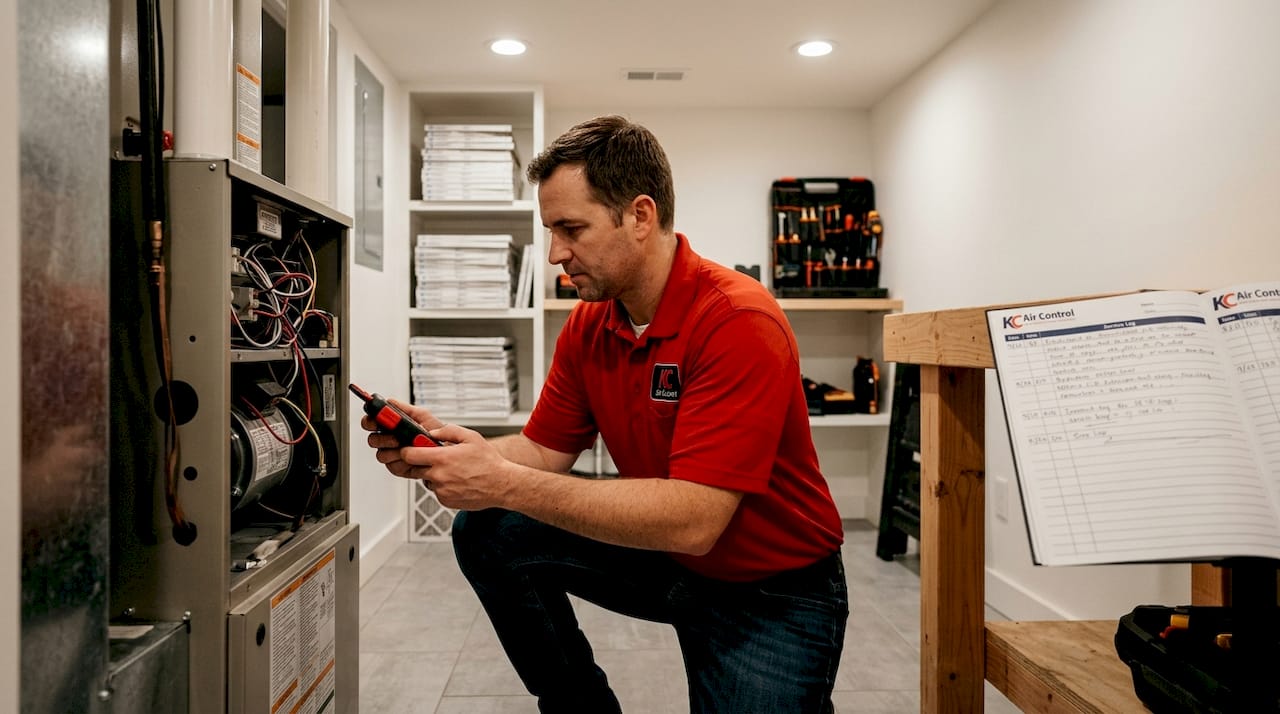
- Refrigerant check: Your technician will measure refrigerant levels and test for leaks. Low refrigerant forces your compressor to work harder and is a sign of a leak, not just normal depletion.
- Coil cleaning: Both the evaporator coil inside and the condenser coil outside will be inspected and cleaned. This directly improves the system’s ability to transfer heat.
- Electrical testing: Capacitors, contactors, and wiring connections are tested and tightened. Faulty electrical components are a leading cause of unexpected failures.
- Airflow measurement: The technician will check static pressure and airflow to identify duct issues or blower problems that reduce comfort.
- Overall efficiency rating: A good technician will tell you how your system is performing relative to its rated efficiency, giving you a factual baseline for future decisions.
Scheduling professional AC repair services through a trusted local provider ensures the work is done right with documentation you can rely on.
Why ignoring evaporator coil and drain line maintenance hurts your system more than you think
Most homeowners have heard about changing air filters. It is the most repeated piece of air conditioner maintenance advice in print. But in our experience working with Kansas City homes for over 70 years, filter education has created a blind spot. Homeowners who diligently change their filters every month still end up with struggling systems because they overlooked two far more consequential components: the evaporator coil and the condensate drain line.
Here is what surprises most people. Even with clean filters, evaporator coils accumulate dirt that reduces heat absorption and system efficiency. Filters catch the larger particles, but fine dust and biological material still pass through and coat the coil surface over time. A coil with even a thin layer of buildup loses meaningful capacity. The system runs longer to reach the same temperature, which drives up your energy bill and adds wear to the compressor.
The drain line issue is even more overlooked, and its consequences are more immediate. Clogged condensate drains not only reduce performance but can cause equipment shutdowns and water damage from overflow. We have seen Kansas City homeowners come home to soaked drywall, warped flooring, and mold growth because a $2 drain cleaning was skipped for a full season. Modern systems have a safety float switch that shuts the system off when the drain overflows, but that protection only prevents more water damage after the clog is already severe.
The honest truth is that filter maintenance is visible and easy to market. Coil and drain maintenance is less visible, which makes it easy to defer. But deferring these two items consistently is how a 15-year system becomes a 10-year system. If you want to actually extend your equipment’s life and protect your home, add evaporator coil and drain line care to your maintenance schedule as non-negotiables, not optional follow-ups. These are the tasks that separate homes with reliable cooling from those with repeated repair calls. Incorporating these into your home comfort maintenance routine is one of the smartest decisions you can make as a Kansas City homeowner.
How KC Air Control helps Kansas City homeowners maintain efficient cooling systems
After putting these cooling system maintenance tips into practice, having a trusted local team behind you makes all the difference when your system needs more than a filter change.

KC Air Control has served Kansas City homeowners for over 70 years, providing expert professional AC tune-up services that cover every component your system depends on. Our licensed technicians handle everything from coil cleaning and refrigerant checks to full electrical inspections, giving you confidence that your system is ready for summer. If an unexpected issue comes up, our emergency HVAC repair options are available when you need fast, reliable help. Scheduling is easy with our online booking tool, so you can lock in your spring tune-up appointment in minutes. Your comfort and your system’s longevity are worth it.
Frequently asked questions
How often should I replace or clean my AC filters?
Replace or clean your AC filters every one to two months during the cooling season, or more often if you have pets or dusty conditions, as frequent filter changes in dusty conditions are recommended to maintain airflow and efficiency.
Why is it important to have my evaporator coil cleaned professionally?
Evaporator coils accumulate dirt over time even when filters are clean, so professional cleaning restores proper airflow and heat absorption, keeping your system running at full efficiency.
What problems can a clogged condensate drain cause?
A clogged condensate drain can trigger an automatic system shutdown or cause water to overflow into your home, since clogged drains can cause equipment shutoff and water damage if not cleared promptly.
When is the best time to schedule professional AC maintenance?
Annual professional AC maintenance is recommended in early spring before hot weather begins, ensuring your system is ready before peak demand makes appointments harder to book.
Can I handle all cooling system maintenance tasks myself?
No. While filter changes and debris clearing are safe and easy DIY tasks, DIY maintenance cannot replace professional tune-ups that cover refrigerant levels, coil cleaning, and critical safety checks.
Recommended
- HVAC maintenance checklist for Kansas City homeowners 2026 – KC Air Control – Heating & Cooling
- Optimize your HVAC maintenance workflow for KC homes – KC Air Control – Heating & Cooling
- Practical HVAC energy saving tips for Kansas City homes – KC Air Control – Heating & Cooling
- Why seasonal HVAC checkups matter for Kansas City homes – KC Air Control – Heating & Cooling