
TL;DR:
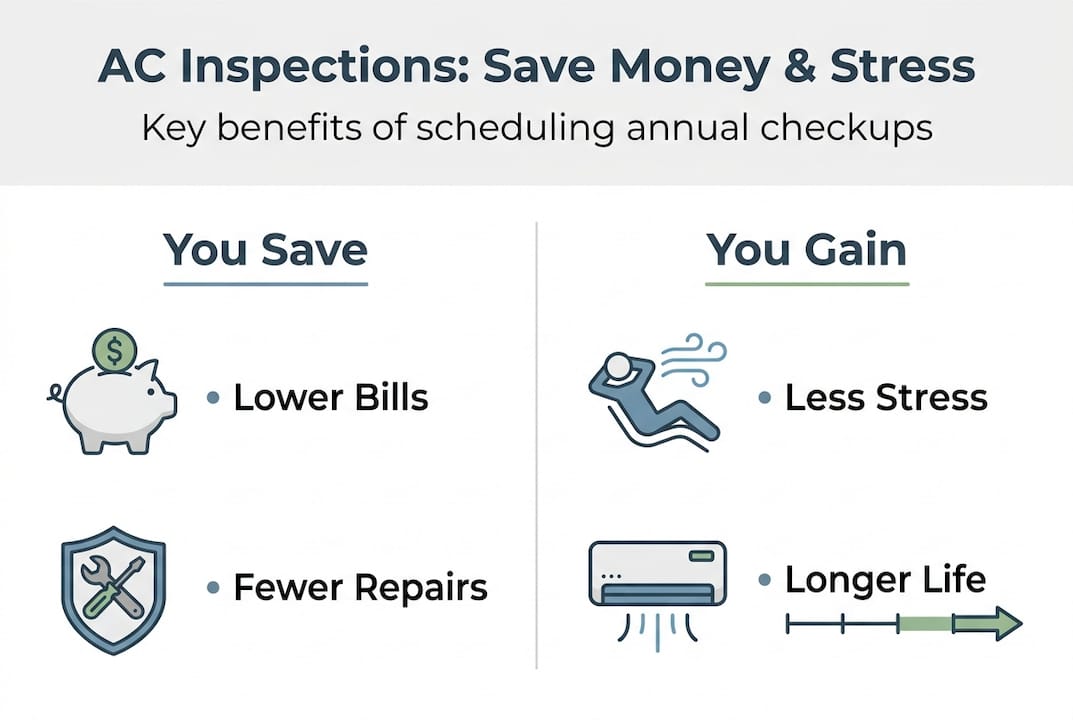
- Regular professional AC inspections extend system lifespan and improve efficiency.
- Skipping inspections increases risks of costly breakdowns and higher energy bills.
- Annual checkups before summer ensure optimal comfort and prevent emergency repairs.
Most Kansas City homeowners assume that skipping an annual AC inspection is a harmless way to cut costs. It feels like a reasonable choice, especially when your system seems to be running fine. But what looks like savings today often turns into a much larger bill down the road. Neglected systems break down sooner, run less efficiently, and drive up energy costs month after month. This article walks you through exactly what a professional inspection covers, what you risk by skipping one, and why regular checkups are one of the smartest investments you can make in your home’s comfort.
Table of Contents
- What happens in a professional AC inspection?
- The hidden costs of skipping AC inspections
- How scheduled AC inspections improve efficiency and comfort
- How often should Kansas City homeowners schedule AC inspections?
- Why waiting for your AC to fail is riskier than you think
- Kansas City’s trusted option for AC inspections and peace of mind
- Frequently asked questions
Key Takeaways
| Point | Details |
|---|---|
| Prevention saves money | Routine AC inspections cost less than surprise repairs and extend system life. |
| Boosts efficiency | A well-maintained AC uses less energy and cools your home more consistently. |
| Longer equipment lifespan | Regular inspections can add 5 or more years to your air conditioner’s lifespan. |
| Fewer breakdowns | Inspections catch problems early, reducing the risk of sudden, expensive failures. |
What happens in a professional AC inspection?
Now that you know there’s more to inspections than meets the eye, let’s look at what a professional checkup actually covers.
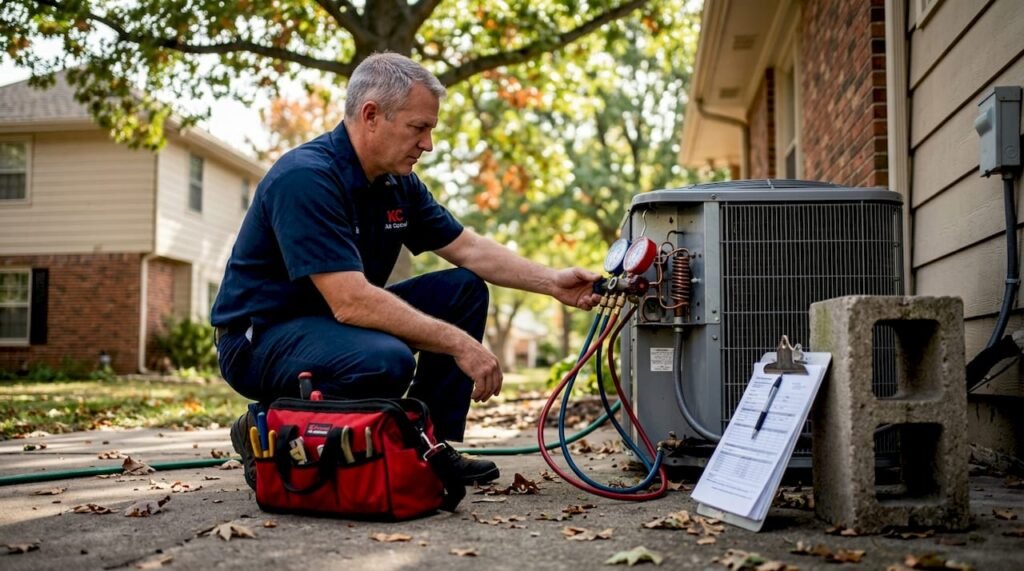
A professional AC inspection is not the same as a quick tune-up where a technician shows up, swaps out a filter, and leaves in 20 minutes. A real inspection is thorough, systematic, and designed to catch problems before they become expensive. Here is a clear picture of what our technicians check during a full AC maintenance visit:
- Air filter inspection and replacement. A clogged or dirty filter restricts airflow and forces your system to work harder. We check the filter condition and replace it if needed.
- Refrigerant level check. Low refrigerant means your system cannot cool your home properly. We measure levels and check for leaks that could be draining efficiency without any obvious warning signs.
- Electrical connections and components. Loose or corroded electrical connections are a serious safety hazard. We inspect wiring, capacitors, and contactors to make sure everything is tight and functioning correctly.
- Evaporator and condenser coil cleaning. Dirty coils reduce heat transfer, which means your system runs longer to reach the same temperature. Cleaning them restores efficiency and reduces strain on the compressor.
- Thermostat calibration. If your thermostat is even slightly off, your system could be cycling more than it needs to. We verify accuracy and recalibrate as necessary.
- Condensate drain line flush. A clogged drain line can cause water damage and humidity problems inside your home. We clear it during every inspection.
- Blower motor and belt inspection. These components move conditioned air through your home. If they are worn or dirty, airflow suffers noticeably.
- Overall system safety assessment. We look at the full picture, noting any signs of unusual wear, corrosion, or performance issues that could develop into bigger problems.
The difference between a quick tune-up and a thorough inspection comes down to depth. A tune-up might address a few surface items, while a full inspection evaluates the entire system from the inside out. According to the Better Business Bureau, regular inspections extend AC lifespan from the 10 to 15 year range for neglected systems to 15 to 20 years or more with consistent maintenance. That is a significant difference in the life you get out of your investment.
Pro Tip: Schedule your inspection in early spring before temperatures spike. Technicians find minor issues much more easily when the system has not been under heavy load, and you will have time to address repairs before the Kansas City summer hits full force.
The hidden costs of skipping AC inspections
Understanding what’s included in an inspection, it’s important to realize what you lose by skipping them.
Many homeowners think of an inspection as an optional extra. The reality is that skipping it introduces financial risks that tend to be far more expensive than the cost of the inspection itself. The savings from regular tune-ups become very clear when you compare what happens to maintained versus neglected systems over time.
| Factor | Maintained system | Neglected system |
|---|---|---|
| Average lifespan | 15 to 20+ years | 10 to 15 years |
| Annual energy cost | Lower (optimized efficiency) | Higher (degraded performance) |
| Repair frequency | Occasional minor repairs | Frequent, often major repairs |
| Risk of full breakdown | Low | High, especially in peak season |
| Refrigerant loss risk | Caught early, low cost | Often discovered late, high cost |
| Warranty compliance | Usually maintained | May be voided |
When a system is neglected, specific problems tend to develop quietly and then escalate quickly. Here are the most common repair issues we see in systems that have gone without regular inspections:
- Compressor failure. This is one of the most expensive repairs in any AC system, often running $1,000 or more. Dirty coils and low refrigerant are two leading causes, both of which are caught and corrected during routine inspections.
- Frozen evaporator coils. Restricted airflow from a dirty filter or blocked return vent causes coils to freeze, which stops cooling entirely.
- Electrical failures. Degraded wiring and failing capacitors go unnoticed without a professional check. When they fail, your system shuts down, often on the hottest day of the year.
- Drain line backups causing water damage. A clogged condensate line can overflow into walls, ceilings, or flooring, turning a $10 fix into a $1,000 water damage repair.
- Reduced airflow and uneven cooling. Dirty blower components cause hot spots throughout the home, reducing comfort and masking the underlying problem.
A key fact worth repeating: Regular maintenance adds 5 or more years to a system’s life. That could easily be worth $3,000 to $5,000 or more when you consider the cost of replacing a central AC unit early. Skipping a $100 to $200 annual inspection to potentially avoid that kind of expense is not a logical trade-off.
How scheduled AC inspections improve efficiency and comfort
Besides avoiding breakdowns, inspections offer immediate perks for your household.
There is a direct relationship between how clean and well-maintained your AC system is and how much it costs to run each month. A system that has been inspected and properly serviced does not have to work as hard to keep your home at the right temperature. That means better home comfort and lower energy use at the same time.
Here is a real-world look at what that means in numbers. Most residential central AC systems in the Kansas City area run at 3 to 5 tons of cooling capacity. A poorly maintained system can lose 10 to 15 percent of its efficiency over just a few years without proper care. If your monthly cooling bill is $180 in summer, a 15 percent efficiency loss adds about $27 per month to your bill. Across a five-month cooling season, that is $135 in unnecessary extra spending every year.
| Monthly cooling bill | Efficiency loss | Extra annual cost (5-month season) |
|---|---|---|
| $120 | 10% | $60 |
| $150 | 10% | $75 |
| $150 | 15% | $112.50 |
| $180 | 15% | $135 |
| $200 | 15% | $150 |
The benefits of staying on top of scheduled AC maintenance for comfort go beyond just energy bills. Homeowners report more consistent temperatures throughout the house, fewer humidity issues, and better overall air quality after a thorough inspection. Clean coils and a clear drain line also help control indoor moisture, which is especially relevant in Kansas City’s humid summers.
Here are the specific comfort improvements you can expect from a well-maintained system:
- More consistent cooling from room to room with no hot spots
- Lower indoor humidity because the system runs efficiently and is not short-cycling
- Quieter operation from a blower motor and belt in good condition
- Cleaner air circulation because filters and coils are clean
- Faster recovery time when outdoor temperatures spike suddenly
The BBB notes that maintained systems operate far more efficiently across their lifespan compared to those without regular care, reinforcing that energy savings are a direct, measurable result of keeping up with inspections.
Pro Tip: Ask your technician to walk you through the findings after the inspection. Understanding which parts are showing wear and what to watch for helps you plan ahead and avoid surprises.
How often should Kansas City homeowners schedule AC inspections?
You’re probably wondering now how often you need to schedule these checkups, especially living in our unique Midwestern weather.
The standard recommendation from HVAC professionals and major consumer organizations is straightforward: once a year, every year. For most Kansas City homeowners, the right time is spring, before the first stretch of hot weather arrives. That timing ensures your system is ready to handle our region’s heavy cooling demand from late May through September.
However, there are specific circumstances where more frequent checkups make sense:
- Your system is more than 10 years old. Older equipment develops wear at a faster rate. An inspection every six months, in spring and fall, gives you better visibility into components that may be approaching the end of their service life.
- You run your system year-round. Kansas City winters can push homeowners to rely on heat pumps or dual-system setups that share components with the cooling system. More use means more wear and more reason to inspect.
- You have noticed performance changes. If rooms are not cooling evenly, your bills have jumped unexpectedly, or you are hearing new sounds, do not wait for the annual date. Call for an inspection right away.
- You have pets or allergies in the home. Pet dander and allergens clog filters faster and accumulate on coils more quickly. More frequent inspections help keep indoor air quality at an acceptable level.
- You recently moved into a home. If you are not sure when the previous owners last had the system serviced, schedule an inspection immediately rather than waiting.
“An annual AC tune-up is not optional for homeowners in climates like Kansas City’s. The combination of hot, humid summers and cold winters puts real stress on HVAC equipment. Staying consistent with yearly inspections is the single most effective step a homeowner can take to protect their system.” — HVAC industry guidance consistent with BBB recommendations
The logic behind seasonal HVAC checkups is particularly relevant here in the Kansas City metro, where temperatures swing from the single digits in winter to over 100 degrees in summer. That thermal range puts significant stress on your equipment. Our comprehensive 2026 inspection guide for Kansas City homeowners outlines exactly what to expect in each season and how to time your checkups for maximum benefit.
The BBB advises homeowners that an annual inspection directly connects to the difference between a system that lasts 10 to 15 years under neglect and one that reaches 15 to 20 years or more with care. In practical terms, that is an extra five years of reliable cooling before you face a full system replacement.
Why waiting for your AC to fail is riskier than you think
We have seen the same pattern repeat itself over more than 70 years of serving Kansas City homeowners. A family goes several summers without scheduling an inspection. The system seems fine. Then, on the hottest weekend in July, it stops working entirely. By that point, the options are limited and the costs are high.
The uncomfortable reality is that emergency repair calls cost significantly more than scheduled maintenance visits. Parts that could have been replaced proactively for a fraction of the cost become emergency orders. Technicians are booked solid during heat waves, meaning families sometimes wait two or three days for service in dangerous heat. That is not a hypothetical risk. It happens every summer to homeowners who adopted a “wait and see” approach.
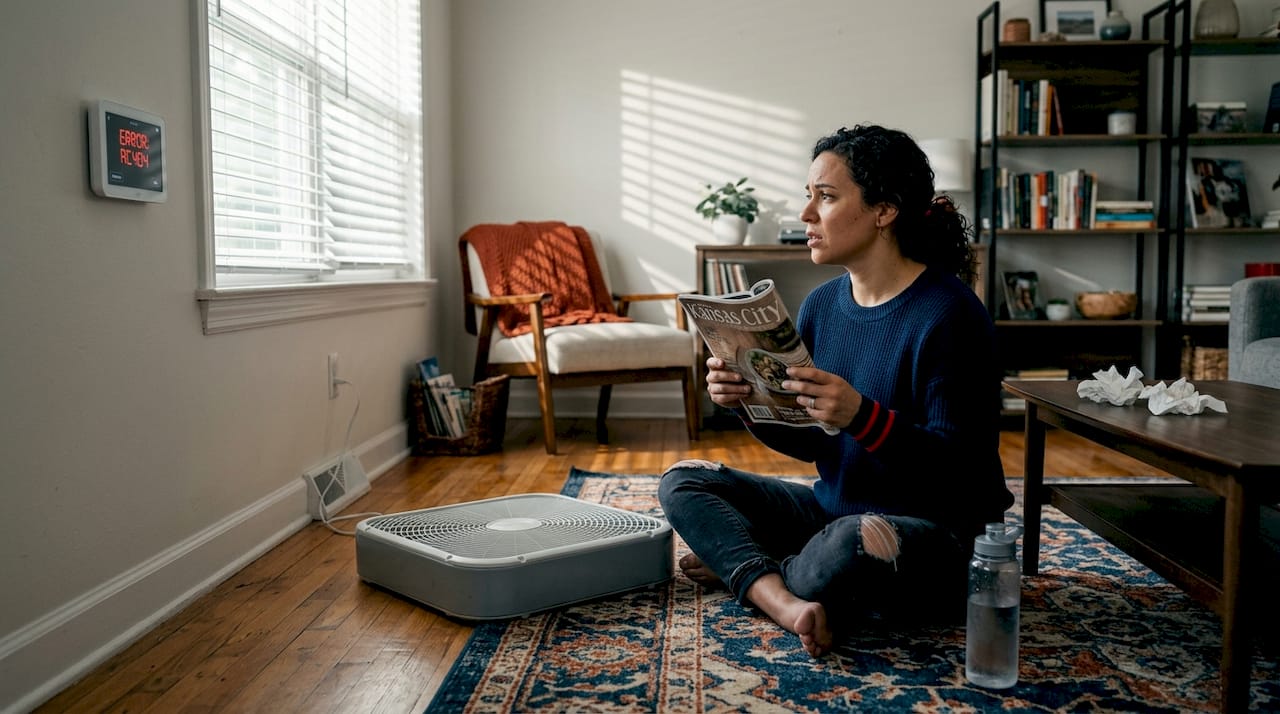
There is also a stress factor that does not show up on any invoice. Losing your AC in July is genuinely miserable, especially for families with young children, elderly relatives, or members with health conditions. The discomfort, the disrupted sleep, and the scramble to find a fast solution all come at a real personal cost that goes beyond money.
Homeowners who schedule regular inspections rarely face that scenario. By identifying wear patterns and replacing parts before they fail, we help you stay ahead of the problem. Our guide on avoiding HVAC breakdowns year-round covers exactly how proactive maintenance keeps emergency calls off your calendar.
One practical habit that makes a real difference: set a recurring calendar reminder for your annual inspection. Do not rely on memory. Put it in your phone right now for early April. That small step, done once, keeps your system on track every year without any added mental effort on your part.
Pro Tip: When you schedule your inspection, ask about a maintenance agreement. Many HVAC providers offer priority scheduling and discounted rates for members, which means faster service and lower costs over time.
Kansas City’s trusted option for AC inspections and peace of mind
Ready to protect your comfort and your investment in your home?
At KC Air Control, we have been helping Kansas City homeowners stay cool and comfortable for over 70 years. Our team knows this region’s climate, understands the specific demands it places on residential HVAC equipment, and takes a thorough, honest approach to every inspection we perform. We do not look for problems that are not there, and we do not overlook problems that are.

Scheduling a professional AC tune-up with us is straightforward. We offer online scheduling, flexible timing, and a clear explanation of what we find and what we recommend. If you run into an unexpected issue between scheduled visits, our emergency AC troubleshooting resources are available to help you assess the situation quickly. Whether you need a routine inspection or urgent support, we are here to make the process easy and the outcome reliable. Reach out today and let us help you get ahead of Kansas City’s summer heat.
Frequently asked questions
How much does a typical AC inspection cost in Kansas City?
AC inspections generally range from $75 to $200 in the Kansas City area, depending on the extent of the check and any added services. Many providers also offer maintenance plans that bring that cost down further.
Will an inspection really extend my AC’s life?
Yes. Regular inspections add 5 or more years to your AC system’s life by catching issues early and maintaining efficiency, extending service from the neglected range of 10 to 15 years up to 15 to 20 years or more.
What’s included in a professional AC inspection?
Inspections check filters, coils, refrigerant, electrical connections, and overall system safety, typically following a detailed checklist that covers every major component of your cooling system from top to bottom.
Is it better to schedule inspections in spring or fall?
Early spring is the best time so your system is fully ready before peak summer demand hits, but a fall inspection is also a smart option for preparing your equipment before winter begins.
Recommended
- Why Schedule HVAC Maintenance: Protect Your Comfort – Air Control
- Seasonal HVAC Maintenance: Boost Efficiency & Avoid Repairs – KC Air Control – Heating & Cooling
- Why schedule AC maintenance for better home comfort – KC Air Control – Heating & Cooling
- Why regular AC tune ups save Kansas City homeowners money – KC Air Control – Heating & Cooling