

TL;DR:
- The latest cold-climate heat pumps can now reliably operate down to -5°F, making them a viable year-round solution in Kansas City. Hybrid systems combining heat pumps with gas furnaces offer enhanced safety during extreme cold, automatically switching modes based on outdoor temperatures. Future HVAC advancements include geothermal and solar integration for maximum efficiency, though they require higher upfront investments and familiarity with evolving refrigerant regulations.
Kansas City homeowners have long assumed that heat pumps simply cannot handle a Missouri winter. That assumption is now outdated. The latest generation of cold-climate heat pumps, paired with smart controls, hybrid gas backups, and new refrigerant standards, is rewriting what is possible for year-round home comfort in Kansas City. Whether you are planning a full system replacement or just keeping an eye on where the industry is headed, understanding these 2026 HVAC trends can help you make smarter decisions, lower your energy bills, and future-proof your home before the next deep freeze arrives.
Table of Contents
- Why heat pumps lead HVAC innovation in 2026
- Hybrid systems: The practical approach for Kansas City’s climate
- Geothermal and solar-powered HVAC: Is it worth it?
- Regulatory, refrigerant, and labor challenges for KC homeowners
- Our take: What the industry won’t tell KC homeowners about HVAC upgrades
- Ready to upgrade? KC Air Control makes HVAC trends work for you
- Frequently asked questions
Key Takeaways
| Point | Details |
|---|---|
| Heat pumps outperform furnaces | Modern heat pumps cut heating energy use by up to 75% and reliably handle KC winters. |
| Hybrids offer backup in extreme cold | Hybrid systems balance efficiency and cost predictability in Kansas City’s climate. |
| Geothermal and solar boost savings | These systems lower energy use by up to 61% and grid reliance by 75%, but require higher upfront investment. |
| Regulations impact choices | New refrigerants and electrification mandates affect what HVAC systems homeowners can install. |
| Rebates increase ROI | Kansas City homeowners can access rebates that make energy-efficient upgrades more affordable. |
Why heat pumps lead HVAC innovation in 2026
Heat pumps have been around for decades, but the 2026 versions are a different animal entirely. The dominant trend this year is the rise of heat pumps as the primary heating and cooling solution, and the numbers back it up. Cold-climate models now perform reliably down to -5°F using inverter-driven compressors and vapor injection (EVI) technology. For Kansas City, where winter temperatures rarely drop below 0°F for extended periods, this means a modern heat pump can handle the vast majority of your heating season without any backup at all.
The key technology driving this leap forward is the inverter-driven compressor. Unlike older single-stage units that run at full blast or shut off completely, an inverter-driven compressor adjusts its speed continuously. It ramps up when temperatures drop and dials back when the home is nearly at the target temperature. This variable operation is what allows new HVAC technologies to achieve such dramatic efficiency gains across a wider temperature range.
Vapor injection, or EVI, takes this further. It injects a small amount of refrigerant vapor mid-cycle in the compressor, boosting heating capacity at low outdoor temperatures. The result is a system that holds its efficiency even when it is bitterly cold outside. Heat pumps using these combined technologies can reduce heating energy consumption by up to 75% compared to a traditional furnace, which is a real-world number that translates to hundreds of dollars per heating season for a typical KC home.
Here is what makes modern heat pumps stand out in 2026:
- Cold-weather performance: Reliable heating down to -5°F without auxiliary backup in most conditions
- Variable-speed operation: Quieter, more consistent temperatures throughout the home
- Humidity control: Because they run longer at lower stages, variable-speed systems manage indoor humidity far better than older on-off equipment
- Dual function: One system covers both heating and cooling, simplifying your setup and maintenance schedule
- Longer lifespan: Variable-speed components experience less wear than single-stage equipment
Pro Tip: When evaluating heat pumps, look for a COP (coefficient of performance) rating above 3.0 at 17°F. A COP of 3.0 means the system produces three units of heat for every one unit of electricity it consumes. That efficiency level at a low temperature is the benchmark for a genuinely capable cold-climate unit.
If you want to understand how to pair equipment selection with home efficiency improvements, the energy efficient HVAC guide for Kansas City homeowners is a solid starting point. You can also review practical HVAC energy saving tips to maximize what your new system delivers.
Hybrid systems: The practical approach for Kansas City’s climate
Heat pumps perform impressively across most of the KC heating season. But Kansas City does experience hard freezes, and that is where hybrid systems offer real peace of mind. A hybrid setup pairs a heat pump as the primary system with a gas furnace as the backup. Hybrid systems balance efficiency and cost in Kansas City’s four-season climate by letting the heat pump handle the majority of heating loads while the gas furnace kicks in only during extreme cold snaps below 0°F.
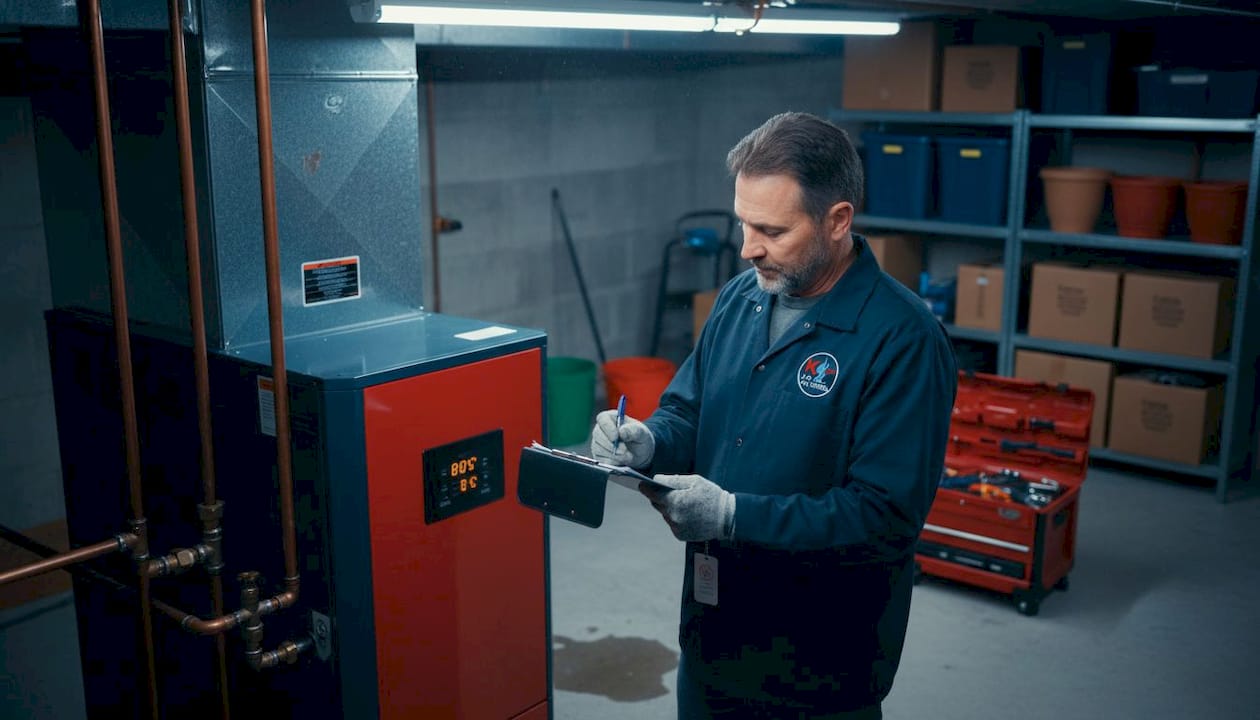
The switch between modes is not manual. Modern hybrid systems use an outdoor temperature sensor combined with real-time energy pricing data to determine which source is cheaper and more effective at any given moment. When the heat pump becomes less efficient in extreme cold, the system automatically transitions to gas. You do not have to think about it.
Here is a direct comparison of full electric versus hybrid system performance for KC homeowners:
| Feature | Full electric heat pump | Hybrid (heat pump + gas) |
|---|---|---|
| Efficiency in mild weather | Excellent | Excellent |
| Performance below 0°F | Requires cold-climate model | Gas backup handles it reliably |
| Monthly energy cost | Higher if grid rates spike | More predictable with gas backup |
| Upfront equipment cost | Moderate | Moderate to high |
| Carbon footprint | Lower (depends on grid) | Mixed |
| Rebate eligibility | Strong | Moderate |
Turning 2026 HVAC trends into profitable outcomes means matching system design to real climate conditions, not just marketing claims. For Kansas City homeowners, hybrid systems remain a strong choice because gas prices here can be competitive, and having that backup layer reduces the risk of discomfort during a stretch of extremely cold days.
If you are trying to decide whether a hybrid setup fits your home and budget, here is a straightforward process to follow:
- Review your current heating bills. If you heat primarily with gas, calculate what a 70% reduction in gas use would actually save per year.
- Check your home’s electrical panel. Heat pumps require adequate electrical capacity. Older homes may need a panel upgrade, which adds to the project cost.
- Assess your local gas pricing. If gas rates are low in your area, a hybrid system preserves that cost advantage during peak cold.
- Get a Manual J load calculation. This is the industry-standard sizing method. A properly sized hybrid system outperforms an oversized single-stage unit every time.
- Factor in rebates and incentives. Both federal and local utility rebates can shift the math significantly in favor of upgrading now.
Pro Tip: Budget for annual gas furnace maintenance even if the backup only runs a few weeks per year. A furnace that sits idle most of the season still needs a seasonal checkup to confirm it is safe and ready when temperatures drop hard.
For budget-focused planning, our smart HVAC budgeting tips page walks through the full cost picture, and our HVAC estimates guide gives you realistic numbers for 2026 installations.
Geothermal and solar-powered HVAC: Is it worth it?
For homeowners who want maximum efficiency and long-term savings, geothermal and solar-integrated HVAC systems represent the top tier of residential climate control. The trade-off is straightforward: higher upfront investment, lower long-term operating costs.
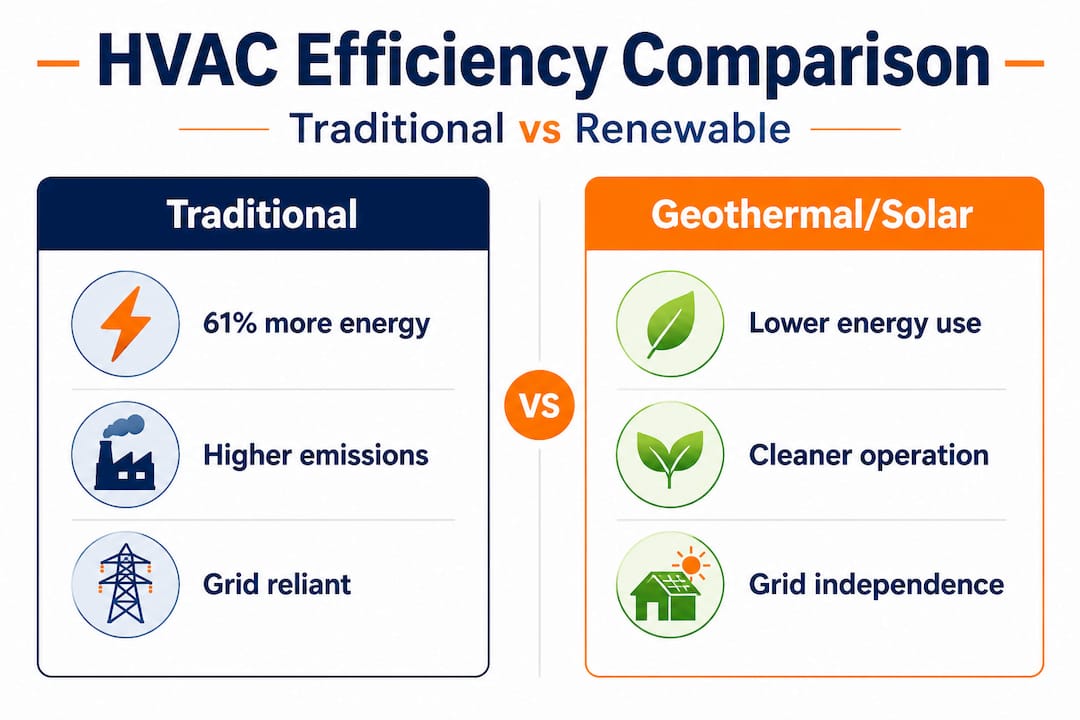
Geothermal systems use 61% less energy than conventional HVAC by drawing stable heat from the ground below the frost line rather than from outdoor air. The ground temperature in Kansas City stays around 55°F year-round at sufficient depth, which means a geothermal heat pump operates far more efficiently than any air-source unit during winter. Solar integration takes this further by cutting your reliance on the grid by up to 75%, dramatically reducing the electricity needed to run even a high-efficiency air-source heat pump.
Smart HVAC platforms have delivered ROI of 155% within three years when combined with capable systems and competent installation. Kansas City full system replacement costs currently range from $5,200 to $13,000 depending on system type, size, and any required electrical or structural work.
“For homeowners planning to stay in their Kansas City home for 10 or more years, geothermal and solar integration are not luxury choices. They are the highest-confidence investments in long-term energy cost stability available today.”
Here is a data summary to help you compare the options:
| System type | Estimated install cost | Avg. payback period | Available rebates | Energy savings |
|---|---|---|---|---|
| Geothermal heat pump | $15,000 to $30,000 | 7 to 12 years | Federal tax credit (30%) | Up to 61% vs. conventional |
| Solar + air-source heat pump | $12,000 to $22,000 | 5 to 9 years | Federal + utility rebates | Up to 75% grid reduction |
| Standard cold-climate heat pump | $5,200 to $13,000 | 4 to 7 years | Utility + federal | Up to 75% vs. furnace |
Pros and cons worth knowing before you decide:
- Geothermal pros: Highest long-term efficiency, very low operating noise, longest equipment lifespan (20 to 25 years for indoor unit)
- Geothermal cons: Requires yard space for ground loops, high installation disruption, long permitting timeline
- Solar pros: Reduces electricity bills broadly, not just for HVAC, increases home resale value
- Solar cons: Requires adequate south-facing roof area, performance drops in prolonged overcast periods
- Both: Strong rebate eligibility improves the return significantly, especially when bundled through the same contractor
If you want to explore what incentives apply to your specific situation, the HVAC rebates and offers page and our energy efficient HVAC installation guide explain both federal tax credits and local utility programs available to KC homeowners.
Regulatory, refrigerant, and labor challenges for KC homeowners
While the technology side of HVAC in 2026 is exciting, the regulatory and labor landscape adds real complexity that Kansas City homeowners need to understand before scheduling an upgrade.
The biggest change on the regulatory side involves refrigerants. The industry is moving away from R-410A, the refrigerant used in most residential HVAC equipment for the past two decades. Two replacements are now in active use. R-454B is a transitional refrigerant that performs similarly to R-410A and is compatible with many existing system designs, making it the default choice for most manufacturers currently building for the U.S. market. R-32 is more efficient and is already the global standard in many regions, but it requires updated equipment designs and technician training.
“Regulations are accelerating electrification across the HVAC industry, but the pace of that shift is outrunning the available pool of trained and certified technicians in many markets, including Kansas City.”
This labor shortage is not theoretical. It is affecting scheduling and installation quality right now. High demand for HVAC upgrades, combined with a limited number of certified technicians who understand the newest systems, means longer wait times and, in some cases, installations performed by contractors who do not yet have deep experience with the newest technology.
Here is how to protect yourself as a homeowner navigating this environment:
- Schedule maintenance and installations early. Do not wait for a system failure during peak season. The busiest weeks for HVAC in KC are the hottest and coldest days of the year, and that is exactly when technician availability is lowest.
- Ask about refrigerant type before purchasing. Confirm whether the new equipment uses R-454B or R-32 and that your technician is certified to work with it.
- Verify contractor certification. Look for NATE (North American Technician Excellence) certification, which confirms that the technician has passed industry-standard competency testing on specific equipment categories.
- Understand your rebate timeline. Some utility and federal rebates require pre-approval before installation begins. Missing that step can forfeit your incentive.
- Request documentation on sizing. Any reputable contractor should provide a Manual J load calculation before recommending a specific system size.
For homeowners considering an upgrade from older equipment, our HVAC retrofitting options resource explains how to modernize your system without necessarily replacing every component at once.
Our take: What the industry won’t tell KC homeowners about HVAC upgrades
After more than 70 years of serving Kansas City homeowners, we have seen a consistent pattern. Homeowners often focus entirely on upfront cost and projected monthly savings, and they underestimate the value of comfort, reliability, and future-proofing. The honest truth is that an HVAC upgrade rarely pays for itself purely through energy savings in the first three years. It pays off through consistent comfort, fewer emergency repairs, lower risk of system failure during extreme weather, and a home that is better positioned for resale.
Rebates are real, but they require strategy. We regularly see homeowners leave federal tax credits and utility incentives unclaimed because they did not know to ask before the installation started. Used correctly, rebates can reduce your net cost by 25% to 30%, which changes the payback math dramatically.
The most common pitfall we see is cheap installation. A high-efficiency system installed incorrectly will underperform from day one and often fails earlier than it should. Proper duct sealing, correct refrigerant charge, and accurate system sizing are not optional extras. They are the foundation of every successful upgrade. Explore our professional HVAC installation process to understand what a complete, properly executed installation looks like.
Smart controls and connected platforms genuinely deliver ROI, but only when the underlying equipment is capable and correctly installed. Do not invest in smart thermostats and monitoring platforms to compensate for an undersized or poorly installed system.
Ready to upgrade? KC Air Control makes HVAC trends work for you
Understanding where HVAC technology is headed is the first step. Taking action is what actually improves your home’s comfort and reduces your energy costs. At KC Air Control, we have been helping Kansas City homeowners navigate heating and cooling decisions for over 70 years, and we bring that experience to every project we handle in 2026.

Whether you need urgent furnace repair services before a cold snap, need to explore emergency HVAC repair options when your system goes down unexpectedly, or are ready to plan a full upgrade with our energy efficient HVAC installation team, we are here to guide you through every step. Our team is trained on the latest cold-climate heat pump technology, current refrigerant standards, and available rebate programs so you get the right system at the right price. Schedule your consultation today and let us put 2026’s best HVAC solutions to work in your home.
Frequently asked questions
Can heat pumps reliably heat Kansas City homes in winter?
Yes, modern cold-climate heat pumps now perform reliably down to -5°F using inverter-driven compressors and vapor injection technology, making them fully capable of handling typical Kansas City winter conditions.
What is the average cost to replace an HVAC system in Kansas City in 2026?
Full system replacement in KC ranges from $5,200 to $13,000 depending on system type, size, and installation complexity, and available rebates can significantly reduce that net cost.
How do geothermal and solar HVAC systems compare to traditional options?
Geothermal systems use 61% less energy than conventional HVAC, and solar integration can cut grid reliance by up to 75%, but both require a higher upfront investment and longer payback periods than standard heat pump installations.
Are there rebates or incentives for upgrading HVAC in Kansas City?
Yes, federal tax credits and local utility rebates are available for qualifying systems and can reduce your total installation cost by 25% to 30% when applied correctly before installation begins.
What new refrigerants are used in KC HVAC systems in 2026?
R-454B and R-32 are replacing R-410A as the industry standard, with R-454B serving as the transitional option for most U.S. equipment and R-32 being the more efficient global standard increasingly adopted in newer system designs.
Recommended
- Energy efficient HVAC guide: Save 20-50% in KC – KC Air Control – Heating & Cooling
- Practical HVAC energy saving tips for Kansas City homes – KC Air Control – Heating & Cooling
- Smart HVAC budgeting: save money and boost comfort in Kansas City – KC Air Control – Heating & Cooling
- HVAC strategies to optimize indoor comfort in KC homes – KC Air Control – Heating & Cooling