
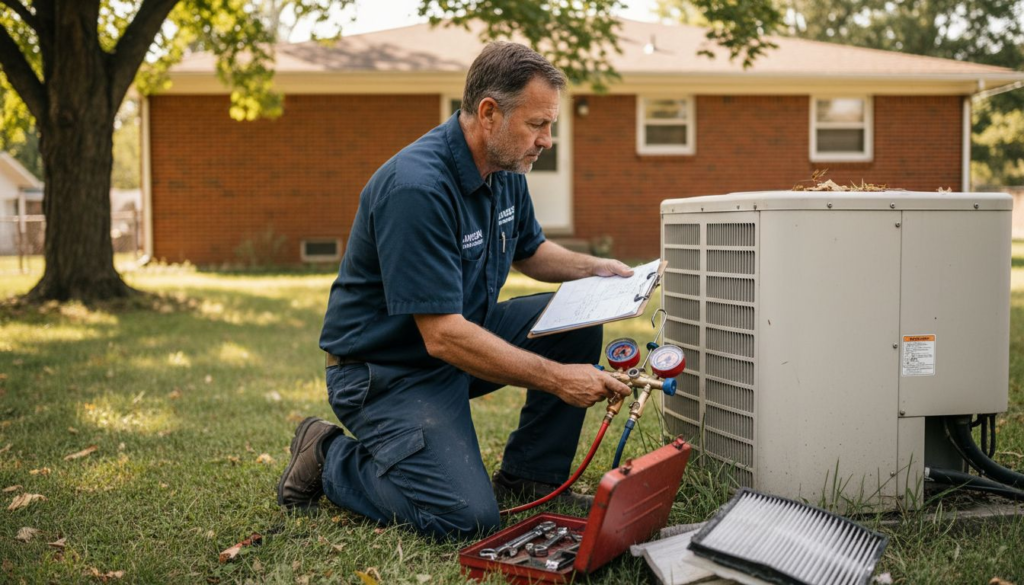
Your home’s HVAC system works hard year-round to keep your family comfortable, but knowing when it needs professional attention can be challenging. Recognizing early warning signs helps you avoid unexpected breakdowns during extreme weather and prevents minor issues from becoming expensive emergencies. This guide walks you through the most common indicators that your heating and cooling system requires repair, helping Kansas City homeowners make informed decisions about maintenance and service calls.
Table of Contents
- Common Signs You Need HVAC Repair
- Why Electrical Issues Are A Leading Cause Of HVAC Problems
- Mechanical Wear And Aging Increase HVAC Repair Needs
- Simple Fixes And Preventive Steps Homeowners Can Take
- Keep Your Kansas City Home Comfortable With Expert HVAC Repair
- Frequently Asked Questions
Quick Navigation: Kansas City HVAC Repair Tips & FAQs
| Point | Details |
|---|---|
| Electrical failures dominate | HVAC capacitors and electrical parts often fail first, affecting system start-up and reliability |
| Filter neglect causes damage | Dirty air filters reduce airflow and can cause compressor strain and premature system failure |
| Age increases risk | Mechanical wear increases failure risk as HVAC systems age beyond 10 years |
| Maintenance prevents breakdowns | Deferred maintenance causes nearly half of all system breakdowns |
| Early action saves money | Detecting problems early and scheduling professional repair preserves comfort and reduces costs |
Common signs you need HVAC repair
Your HVAC system communicates its health through visible and audible signals that homeowners can learn to recognize. Understanding these warning signs empowers you to take action before small problems escalate into complete system failures. Deferred maintenance contributes to roughly 45-60% of system breakdowns, making early detection critical for Kansas City homes.
Watch for these common indicators that signal repair needs:
- Weak or inconsistent airflow from vents suggests blocked ducts, failing blower motors, or clogged filters
- Strange noises like grinding, squealing, or banging point to loose belts, worn bearings, or mechanical failures
- Frequent cycling on and off indicates thermostat problems, refrigerant leaks, or electrical issues
- System fails to start or requires multiple attempts to begin operation
- Rising utility bills without increased usage reveal declining efficiency from worn components
- Unusual odors like burning smells or musty scents signal electrical problems or mold growth
- Inconsistent temperatures between rooms show ductwork issues or zoning failures
These symptoms rarely resolve themselves and typically worsen over time. Addressing them promptly through scheduled HVAC maintenance prevents emergency breakdowns during peak heating or cooling seasons. Your system’s performance directly impacts your family’s comfort and your monthly energy costs, making attention to these signs a smart investment.
Regular filter changes and visual inspections help you catch problems early, but professional diagnosis remains essential for complex issues. Understanding how HVAC maintenance preserves home comfort helps you prioritize service scheduling and budget for necessary repairs before they become emergencies.
Why electrical issues are a leading cause of HVAC problems
Electrical components form the nervous system of your HVAC equipment, controlling everything from compressor operation to fan speed. When these parts fail, your entire system can stop working or operate erratically. Capacitors often fail due to exposure to heat and electrical stress, causing motor start problems that leave homeowners without heating or cooling.
Capacitors store electrical energy and provide the initial power surge needed to start motors in your compressor and blower. These cylindrical components degrade from constant heat exposure and electrical cycling, eventually losing their ability to hold a charge. When a capacitor fails, you might hear a humming sound as the motor tries unsuccessfully to start, or the system may not respond at all to thermostat commands.
Contactors act as electrical switches that control power flow to major components. Over thousands of cycles, the metal contacts inside these relays pit and corrode, creating resistance that prevents proper operation. A failing contactor causes intermittent shutdowns, where your system runs briefly then trips off, repeating this frustrating cycle throughout the day.
Common electrical problems homeowners encounter include:
- Blown fuses or tripped breakers indicating short circuits or overloaded components
- Corroded wire connections causing power interruptions and safety hazards
- Faulty thermostats sending incorrect signals to the HVAC control board
- Control board failures preventing proper system sequencing and operation
- Loose electrical connections creating arcing and potential fire risks
Capacitor replacements resolve 40-60% of motor start problems, making them one of the most common and cost-effective repairs technicians perform. However, electrical work requires specialized knowledge and tools, making professional service essential for safety and proper diagnosis.
Pro Tip: If your system hums but won’t start, or if you notice a burning smell near the outdoor unit, turn off power at the breaker and call for emergency HVAC troubleshooting immediately. Continuing to attempt starts with a failed capacitor can damage the compressor, turning a simple repair into a major expense.
Mechanical wear and aging increase HVAC repair needs
Mechanical components in your HVAC system experience constant friction, vibration, and stress during operation. Over years of service, this wear accumulates and eventually leads to reduced performance or complete failure. Failure rates double for systems older than 15 years due to mechanical and electrical degradation, making age a significant factor in repair frequency.
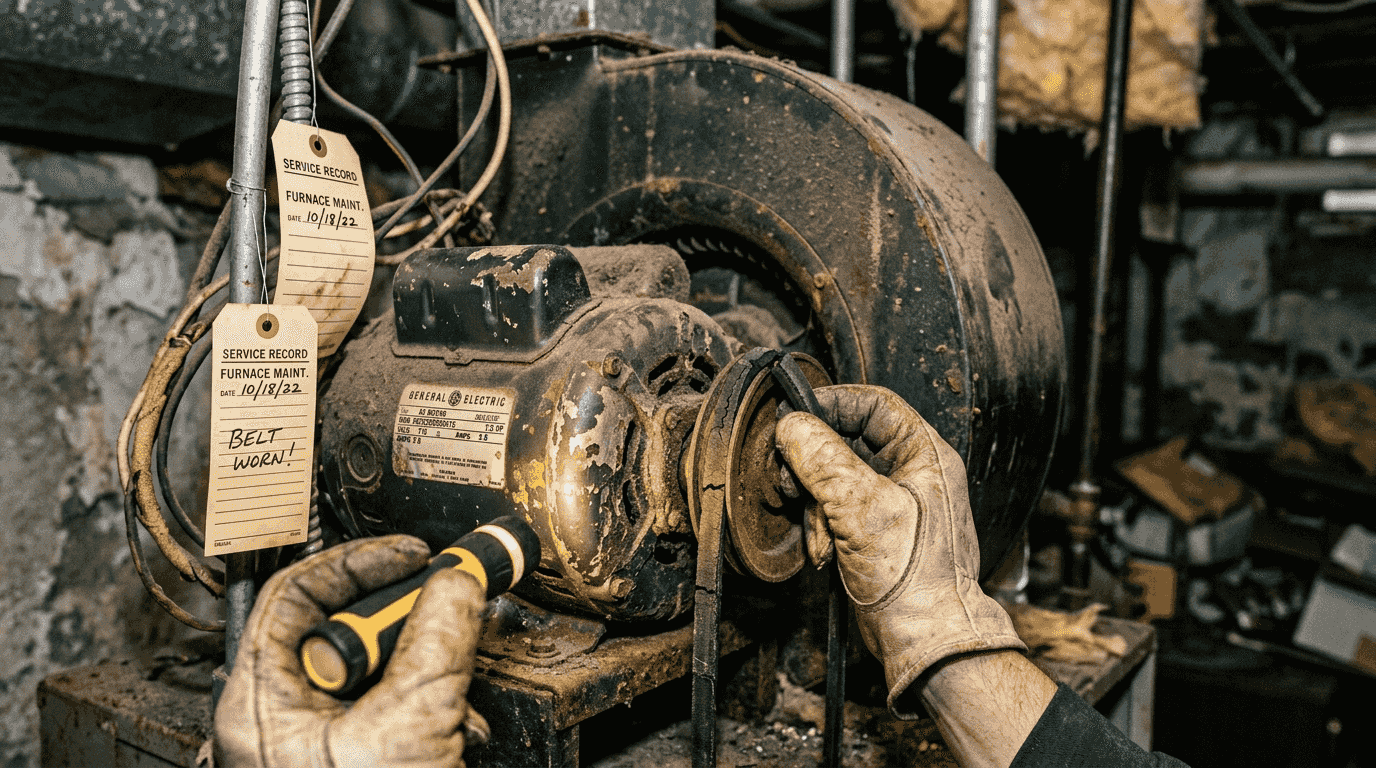
Compressors contain precision bearings and pistons that compress refrigerant thousands of times daily. These moving parts gradually wear, causing reduced cooling capacity and increased noise. Belts that drive blower motors crack and fray from heat exposure and constant flexing, eventually snapping and stopping airflow completely. Bearings in fan motors develop play and roughness, creating grinding sounds that signal imminent failure.
Refrigerant leaks often develop at connection points and coil joints as metal expands and contracts with temperature changes. Even small leaks reduce system capacity by 10-30%, forcing your equipment to run longer cycles to maintain temperature. This extended operation accelerates wear on all components and drives up energy costs significantly.
Key mechanical issues that develop with age:
- Compressor valve failures reducing cooling capacity and causing loud knocking sounds
- Blower wheel imbalance creating vibration and premature bearing wear
- Coil fin damage restricting airflow and reducing heat transfer efficiency
- Ductwork separation allowing conditioned air to escape into unconditioned spaces
- Drain line clogs causing water backup and potential property damage
Scheduled component replacement around the 10-15 year mark extends system life and prevents unexpected failures. Many homeowners face the decision between investing in major repairs or replacing aging equipment entirely. Understanding furnace repair signs Kansas City homeowners should watch for helps you plan ahead and budget appropriately.
| Component | Typical Lifespan | Common Failure Signs |
|---|---|---|
| Compressor | 12-15 years | Hard starting, reduced cooling, loud operation |
| Blower Motor | 10-15 years | Weak airflow, squealing, overheating |
| Capacitor | 5-10 years | Humming without starting, intermittent operation |
| Thermostat | 10-15 years | Incorrect readings, unresponsive controls |
| Heat Exchanger | 15-20 years | Cracks, carbon monoxide risk, inconsistent heat |
Pro Tip: Keep maintenance records showing when major components were last serviced or replaced. This documentation helps technicians diagnose problems faster and provides valuable information when deciding between repair and replacement options for aging systems.
Simple fixes and preventive steps homeowners can take
Not every HVAC problem requires professional intervention immediately. Understanding basic troubleshooting and maintenance tasks empowers you to resolve simple issues and prevent many common failures. Many HVAC failures stem from easily fixed issues like dirty air filters and thermostat problems that homeowners can address themselves.
Air filters trap dust, pollen, and debris before they enter your system’s sensitive components. A clogged filter forces your blower motor to work harder, reducing airflow and straining the entire system. Replacing filters every 30-90 days depending on usage prevents this unnecessary stress and maintains indoor air quality. Check your filter monthly and replace it when you can no longer see light through it clearly.
Thermostat issues cause many service calls that homeowners can resolve without professional help. Dead batteries, incorrect settings, or poor placement near heat sources create temperature control problems that mimic serious system failures. Before calling for service, verify your thermostat displays correctly, check battery status, and ensure settings match your desired operation mode.
Follow these preventive maintenance steps:
- Replace air filters regularly based on manufacturer recommendations and household conditions
- Clear debris, leaves, and vegetation at least 2 feet around outdoor condenser units
- Check and clean condensate drain lines quarterly to prevent water backup
- Inspect visible ductwork for gaps, tears, or disconnected sections
- Listen for unusual sounds during operation and note when they occur
- Monitor energy bills for unexplained increases indicating declining efficiency
- Schedule professional inspections twice yearly before heating and cooling seasons
Know your limits when attempting DIY fixes. Electrical work, refrigerant handling, and internal component repairs require specialized training, tools, and licensing. Attempting these repairs yourself risks injury, equipment damage, and voiding manufacturer warranties. When you encounter problems beyond basic maintenance, emergency HVAC troubleshooting guides help you decide when professional help becomes necessary.
Pro Tip: Take photos of your system’s model and serial number plates and store them on your phone. This information helps technicians prepare for service calls and order parts in advance, reducing repair time and getting your system running faster. You can easily book HVAC service online with this information ready.
Keep your Kansas City home comfortable with expert HVAC repair
Recognizing repair signs early protects your investment and keeps your family comfortable year-round. When problems exceed basic troubleshooting, professional service ensures safe, effective repairs that restore your system’s performance.
KC Air Control brings over 70 years of experience to every service call, diagnosing issues quickly and implementing lasting solutions. Our emergency HVAC repair workflow reduces downtime by 35%, getting your heating or cooling back online when you need it most. We understand Kansas City’s climate demands and how critical reliable HVAC operation is for your home.
Whether you’re experiencing strange noises, weak airflow, or complete system failure, our certified technicians provide honest assessments and transparent pricing. We help you understand your options and make informed decisions about repairs versus replacement. Emergency troubleshooting guidance available on our site helps you take immediate action while waiting for service.
Don’t wait until a minor issue becomes a major emergency. Book your HVAC service online today and experience the peace of mind that comes with professional care from Kansas City’s trusted HVAC experts.
Frequently asked questions
How do I know when my HVAC needs repair?
Watch for weak airflow, unusual noises like grinding or squealing, frequent cycling, difficulty starting, or rising energy bills without increased usage. These signs indicate developing problems that require professional diagnosis. If your system fails to maintain comfortable temperatures or produces strange odors, schedule an inspection promptly to prevent complete failure.
Can I fix HVAC issues myself before calling a technician?
You can safely replace air filters, check thermostat batteries and settings, clear debris around outdoor units, and verify circuit breakers haven’t tripped. However, avoid attempting electrical repairs, refrigerant work, or internal component replacement without proper training. These tasks require specialized tools and knowledge to perform safely and effectively.
How often should HVAC systems be inspected to prevent repairs?
Schedule professional maintenance twice yearly, ideally before heating and cooling seasons begin. Spring and fall inspections catch developing problems before they cause failures during peak usage periods. Regular service extends equipment life, maintains efficiency, and often costs less than emergency repairs from neglected systems.
What costs are involved with common HVAC repairs?
Capacitor replacements typically cost between $150-$400, while blower motor repairs range from $300-$600. Refrigerant leak repairs vary widely from $200-$1,500 depending on location and severity. Compressor replacement represents a major expense at $1,500-$3,000, often prompting replacement discussions for older systems. Exact costs depend on your system type, part availability, and labor requirements.
What should I do during an HVAC emergency?
Turn off your system at the thermostat and circuit breaker if you smell burning, see smoke, or hear loud banging sounds. These situations require immediate professional attention to prevent safety hazards or major damage. For less urgent issues like weak cooling, try basic troubleshooting steps first, then contact emergency HVAC services if problems persist. Keep your service provider’s contact information easily accessible for quick response when emergencies occur.
Recommended
- Top 10 furnace repair signs Kansas City homeowners need in 2026 – KC Air Control – Heating & Cooling
- What is emergency HVAC repair? Kansas City guide – KC Air Control – Heating & Cooling
- Emergency HVAC Repair Workflow KC: 35% Faster Fixes – Air Control
- Why emergency HVAC service matters for Kansas City homes – KC Air Control – Heating & Cooling