

TL;DR:
- Managing HVAC systems proactively in Kansas City reduces emergency repairs, lowers costs, and improves tenant satisfaction. Scheduling regular inspections ahead of seasonal changes ensures systems operate efficiently during peak demand periods. Training tenants and maintaining detailed records further safeguard against costly failures and legal liabilities.
Managing rental properties in Kansas City without a solid HVAC plan is a risky approach. Temperatures here swing from single digits in January to the upper 90s in August, and that kind of demand puts serious stress on heating and cooling systems. When a furnace dies at 11 p.m. in February or an AC unit quits during a late-July heat wave, your phone starts ringing, your tenants get frustrated, and your repair costs spike fast. The good news is that a structured, preventive approach to HVAC management keeps those emergencies rare, keeps tenants comfortable, and protects your operating budget season after season.
Table of Contents
- Schedule preventive HVAC maintenance by the Kansas City leasing calendar
- Build a structured preventive maintenance program
- Train tenants on HVAC basics to prevent common issues
- Document, track, and respond to HVAC issues and emergencies
- Experience matters: Why structured HVAC management beats ‘call-when-it-breaks’
- Make Kansas City HVAC management stress-free: Next steps
- Frequently asked questions
Key Takeaways
| Point | Details |
|---|---|
| Plan maintenance by season | Schedule professional HVAC checkups before Kansas City’s high-demand months to avoid emergencies. |
| Structure your program | Use a clear, consistent preventive routine for servicing, record-keeping, and assigning tenant tasks. |
| Engage tenants proactively | Teaching residents basic HVAC care and prompt reporting reduces problems and ensures comfort. |
| Document everything | Keep detailed service history and emergency protocols to streamline fixes and minimize disputes. |
| Be emergency-ready | Define clear response plans and temporary solutions to keep tenants safe and happy year-round. |
Schedule preventive HVAC maintenance by the Kansas City leasing calendar
After outlining the risks of reactive HVAC, let’s explore why timing maintenance to the local calendar is crucial.
Kansas City’s seasons are not gradual. Spring shifts to summer quickly, and fall can turn to deep cold within weeks. That timing matters enormously for rental properties because HVAC systems that have not been serviced since the previous season often fail right when demand peaks. Contractors also book out fast once temperatures change, meaning a delayed inspection can turn into a weeks-long wait for service.
The good news is that you can get ahead of all of this with deliberate scheduling. Late February through early April is the ideal window to complete HVAC work ahead of the April through August peak leasing period. That timing gives you a cushion before summer heat arrives and keeps your units ready for incoming tenants.
Here is a numbered checklist to keep your spring service cycle on track:
- Book HVAC inspections for all units by the first week of February.
- Confirm each unit’s air filter is replaced and document the size and brand used.
- Schedule professional cleaning and inspection of AC coils, refrigerant levels, and drain lines.
- Test thermostats in all rental units and replace batteries where needed.
- Check all supply and return vents for obstructions or damage.
- Inspect outdoor condenser units for debris, damage, or improper clearance.
- Review any warranty or service agreements that may cover upcoming work.
- Repeat a parallel checklist in September to prepare furnaces before heating season begins.
The seasonal HVAC maintenance benefits go beyond comfort. Units that receive twice-yearly attention run more efficiently, consume less energy, and last years longer than neglected systems. That translates directly to lower utility costs for tenants and fewer capital replacement decisions for you.
“Scheduling HVAC service before the seasonal rush gives property managers first access to available technicians and keeps tenants comfortable from day one of their lease.” — Local HVAC service insight
Pro Tip: Book your spring and fall service visits in January and August respectively. Contractors fill their schedules fast once temperatures shift, and locking in early almost always means faster completion and better pricing.
Following the steps for energy-saving HVAC tune-ups during those scheduled visits also makes it easier to spot parts that are wearing out before they cause a full system failure.
Build a structured preventive maintenance program
Once you’ve set your calendar, a structured preventive approach is your strongest safeguard against mid-season emergencies.
A preventive HVAC maintenance program for single-family rentals should include twice-yearly professional servicing paired with routine occupant-facing tasks like filter changes, issue reporting, and documentation. That combination gives you two layers of protection: professional oversight and daily resident attention.
Below is a comparison to help you decide between a basic and an advanced preventive maintenance program:
| Feature | Basic program | Advanced program |
|---|---|---|
| Professional service visits | Twice yearly | Twice yearly plus as-needed visits |
| Filter changes | Tenant-managed | Scheduled by property manager |
| CO detector checks | Annual | Each service visit |
| Documentation | Paper log | Digital records with photos |
| Tenant reporting system | Phone call only | App or written form |
| Heat exchanger inspection | Occasional | Every heating season |
HVAC safety for rental properties specifically emphasizes carbon monoxide checks and heat exchanger inspections as non-negotiables during maintenance visits. A cracked heat exchanger can leak CO into living spaces, which is both a serious health risk and a significant liability issue for property managers.
Here is a yearly task list to guide your program:
- Spring: AC inspection, coil cleaning, refrigerant check, thermostat test.
- Spring: Replace all air filters, document dates and filter types used.
- Spring: Test smoke detectors and CO detectors in every unit.
- Fall: Furnace inspection, burner cleaning, heat exchanger inspection.
- Fall: Check flue and exhaust vents for blockages or corrosion.
- Fall: Inspect ductwork for leaks, especially in attic or crawl space areas.
- Year-round: Confirm tenant filter change compliance during routine property visits.
- Year-round: Log all service calls, repairs, and part replacements in a central record.
Your property manager HVAC checklist should align with these tasks to keep every unit on the same standard. Following maintenance checklist best practices also helps when onboarding new tenants or handing properties to a new management team.
Pro Tip: When working with multiple HVAC contractors across your portfolio, provide a written scope of work document to every vendor. Standardizing what each visit must cover removes variability and makes comparing service quality fair and consistent.
Train tenants on HVAC basics to prevent common issues
With a routine maintenance plan in place, your next win is activating tenants as partners in HVAC care.
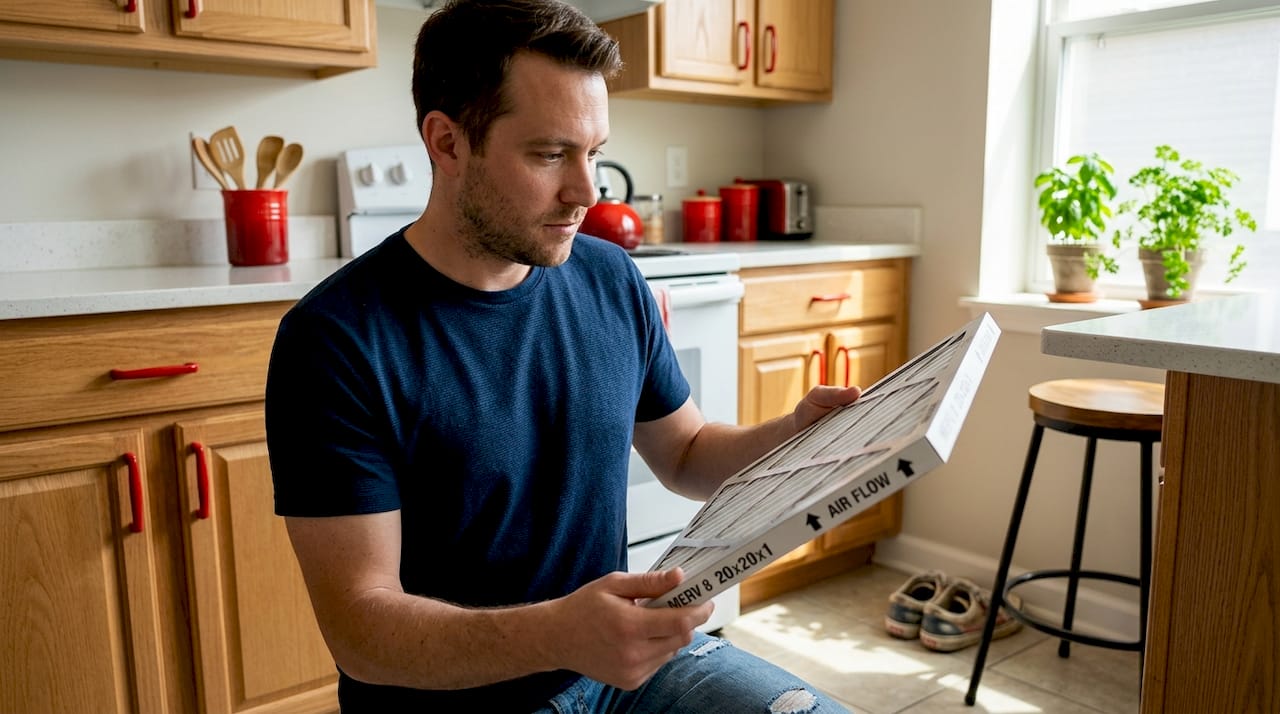
Tenants are in your rental units every day. They notice when airflow changes, when a system sounds different, or when a room stops heating properly. When trained well, they become your earliest warning system. When left uninformed, they often ignore small problems until they become expensive emergencies.
Start with the filter. Most tenants do not know how often to change it or what size to buy. Instruct them clearly at move-in: filters should be replaced every 1 to 3 months depending on pets, allergies, or dust levels in the home. Provide the correct filter size in writing. Some property managers even leave two extra filters in the unit at move-in to remove any friction from the process.
Here are the most important resident actions to communicate clearly:
- Replace air filters on schedule and save the old filter until the next one is installed, so you have a reference for how dirty it was.
- Keep a two-foot clearance around all outdoor condenser units. Shrubs, furniture, and stored items block airflow and reduce efficiency.
- Set thermostats consistently and avoid dramatic swings, like dropping from 75 to 60 degrees overnight, which strains the system.
- Report unusual noises, odors, or inconsistent temperatures promptly, within 24 hours if possible.
- Never block supply or return vents with furniture or rugs, as restricted airflow causes the system to work harder and wear out faster.
- Keep closet doors open when HVAC equipment is housed inside them to prevent heat buildup.
“When tenants understand their role in maintaining HVAC systems, the number of preventable service calls drops significantly, and both comfort and trust improve across the board.” — Property management HVAC guidance
You can share HVAC tips for tenants as part of your welcome package or lease addendum. A one-page seasonal tip sheet sent before summer and winter also reinforces good habits without requiring a formal conversation.
Pro Tip: Send a brief seasonal HVAC reminder by email or text to every tenant in March and October. Keep it to three bullet points. A simple reminder about filter changes and thermostat settings reduces calls dramatically and shows tenants you are invested in their comfort.
Document, track, and respond to HVAC issues and emergencies
Even with strong preventive routines, clear documentation and emergency readiness prepare you for the inevitable HVAC surprises.
Documentation is not just good practice. It is your protection. If a tenant disputes a repair charge, files a habitability complaint, or makes an insurance claim, your service records are your first line of defense. Organized documentation also speeds up warranty claims, supports capital planning, and helps you identify which units or systems are approaching end of life.
Here is a comparison of three common documentation methods property managers use:
| Method | Pros | Cons |
|---|---|---|
| Spreadsheet | Free, familiar, easy to share | Manual entry, no reminders, easy to lose |
| Property management app | Automated reminders, photo storage, tenant-linked | Monthly cost, learning curve |
| Paper log | No tech required, easy to store on-site | Hard to search, easy to misplace |
Property managers should document all HVAC work and service history as a standard operational discipline, not just for disputes. Recording system age, model numbers, service dates, and technician contact information in one place saves time during every future service call.
Emergency preparedness is equally important. Clear emergency response protocols should define what qualifies as an emergency, who tenants call first, expected response timelines, and after-hours coverage. Without that structure, tenants make unpredictable decisions, and you lose control of response costs.
Here is a step-by-step emergency response protocol to put in place:
- Define emergencies clearly in the lease or addendum (loss of heat below 50 degrees inside, AC failure above 90 degrees inside, CO alarm activation, visible gas smell).
- Provide tenants with a dedicated after-hours contact number for HVAC emergencies separate from routine maintenance requests.
- Establish a 24-hour response window for true emergencies and communicate it in writing at move-in.
- Identify a licensed HVAC contractor with emergency service availability and keep their contact information accessible to all team members.
- If permanent repair will take more than 24 hours, consider deploying a temporary solution to maintain tenant comfort.
Temporary HVAC rentals are a practical bridge option when systems fail and permanent repairs are underway. Portable cooling or heating units can be placed in the rental within hours, keeping tenants comfortable and reducing the legal and relational risk of leaving them in extreme temperatures.
Check the most common HVAC emergencies that Kansas City properties face so your emergency plan covers the right scenarios from the start.
Experience matters: Why structured HVAC management beats ‘call-when-it-breaks’
Tying everything together, let’s consider the big-picture takeaway from years of managing Kansas City rentals.
Here is the honest truth that most property managers learn the hard way: reactive HVAC management is not just more expensive than preventive maintenance, it is far more stressful. A midnight emergency call during a snowstorm, a tenant threatening to break a lease because the furnace hasn’t worked for three days, or a repair bill that arrives right before property taxes are due, all of these are predictable outcomes when you wait for systems to break before paying attention to them.
Kansas City properties face a specific wear pattern that makes this even more critical. The region’s dramatic temperature swings mean HVAC systems cycle on and off heavily twice a year. That mechanical stress accelerates wear on components like capacitors, belts, and heat exchangers, which are inexpensive to replace during a scheduled service visit but often cause full system failures if ignored. A $40 capacitor replacement during a spring tune-up can prevent a $3,500 emergency call three months later.
Tenant retention is another factor that rarely makes it into HVAC cost calculations. Studies consistently show that responsive, well-maintained housing is a primary reason tenants renew leases. When a tenant calls about an HVAC issue and it gets resolved quickly because you have a protocol in place and a contractor on call, they notice. That kind of reliability builds loyalty and reduces turnover costs, which are typically far higher than the cost of a professional service visit.
The combination of deep checklists and tenant engagement also catches problems that neither party would notice alone. A tenant might report that a room feels warmer than usual, which prompts a technician visit that reveals a refrigerant leak before a full compressor failure occurs. That kind of early detection only happens when both systems, the professional schedule and the resident partnership, are running at the same time.
“Preventive action on HVAC systems saves Kansas City property managers multiples in cost compared to after-hours emergency calls and tenant turnover caused by unlivable conditions.” — Field-tested property management wisdom
We’ve seen it consistently across Kansas City rental portfolios: managers who invest in HVAC maintenance workflow tips and stick to a structured program spend less, retain more tenants, and experience fewer late-night emergencies. Discipline in this area is one of the clearest differentiators between stress-filled and smoothly-run rental portfolios.
Make Kansas City HVAC management stress-free: Next steps
Ready to make HVAC headaches a thing of the past? Here’s how to simplify your Kansas City property management workflow.
KC Air Control has supported Kansas City property owners and managers for over 70 years, and we understand the specific demands your rental portfolio faces season after season. From structured service plans to rapid-response repairs, we provide the reliability and expertise you need to keep every unit comfortable and every tenant satisfied.
Start with our landlord HVAC maintenance checklist to build your program around proven, field-tested standards. When emergencies do arise, our emergency HVAC repair options are available to protect your tenants and your property. And for seasonal cooling needs across your rental units, our AC repair services keep systems running efficiently all summer long. Schedule a consultation today and take the reactive stress out of managing Kansas City HVAC.
Frequently asked questions
How often should HVAC units in Kansas City rentals be serviced?
Twice-yearly professional servicing is the industry standard, with one visit in spring before cooling season and one in fall before heating season, giving you the best reliability and tenant comfort year-round.
What actions should tenants take to help maintain HVAC systems?
Tenants should replace air filters every 1 to 3 months, keep the outdoor unit clear of debris and vegetation, and report issues promptly rather than waiting to see if a problem resolves on its own.
What qualifies as an HVAC emergency in a rental property?
Loss of heat when indoor temperatures drop below safe levels in winter, AC failure during extreme heat, or a CO alarm activation are clear emergencies. Your emergency response protocols should define these situations in writing so tenants know exactly when and how to reach you.
Why is HVAC documentation important for property managers?
Detailed records of all HVAC service history protect you in warranty claims, insurance situations, and tenant disputes while also supporting long-term capital planning decisions for your portfolio.
Are temporary HVAC solutions available if a system fails?
Yes. Portable and rental HVAC units can be deployed quickly to maintain tenant comfort while permanent repairs are being completed, reducing both liability and the risk of lease termination.
Recommended
- HVAC impact on Kansas City rentals: comfort, compliance, ROI – KC Air Control – Heating & Cooling
- Practical HVAC energy saving tips for Kansas City homes – KC Air Control – Heating & Cooling
- Optimize your HVAC maintenance workflow for KC homes – KC Air Control – Heating & Cooling
- HVAC maintenance checklist for Kansas City homeowners 2026 – KC Air Control – Heating & Cooling