
TL;DR:
- Proper assessment and maintenance of ductwork and insulation are essential before upgrading HVAC systems.
- High-efficiency systems with rebates and credits can significantly reduce long-term energy costs.
- Budgeting should include multiple quotes, contingency funds, and consideration of local climate-specific solutions.
Kansas City winters can push temperatures well below freezing, and summers routinely hit the upper 90s. That combination puts serious pressure on your heating and cooling system, and it puts serious pressure on your wallet too. When a furnace quits in January or an AC unit fails in July, many homeowners make rushed, expensive decisions without a real budget in place. This guide walks you through a practical, step-by-step approach to planning your HVAC upgrade, from evaluating what your system actually needs to finding rebates, financing, and the right equipment for Kansas City’s demanding climate.
Table of Contents
- Assessing your home’s HVAC needs
- Estimating HVAC upgrade costs in Kansas City
- Reducing costs with incentives, rebates, and smart planning
- Step-by-step budgeting for your HVAC upgrade
- A realistic Kansas City homeowner’s approach to HVAC upgrades
- Expert HVAC help for Kansas City homeowners
- Frequently asked questions
Key Takeaways
| Point | Details |
|---|---|
| Don’t skip home assessment | A thorough home and ductwork assessment determines what truly needs upgrading and avoids unnecessary costs. |
| Incentives cut costs | Stacking rebates and tax credits can cut up to 20% off your HVAC upgrade expenses in Kansas City. |
| Balance price with savings | High-efficiency systems cost more upfront, but Kansas City’s climate means you often see meaningful payback. |
| Budget step by step | Follow a clear process: assess, quote, plan for incentives and maintenance, then choose the right financing or payment method. |
Assessing your home’s HVAC needs
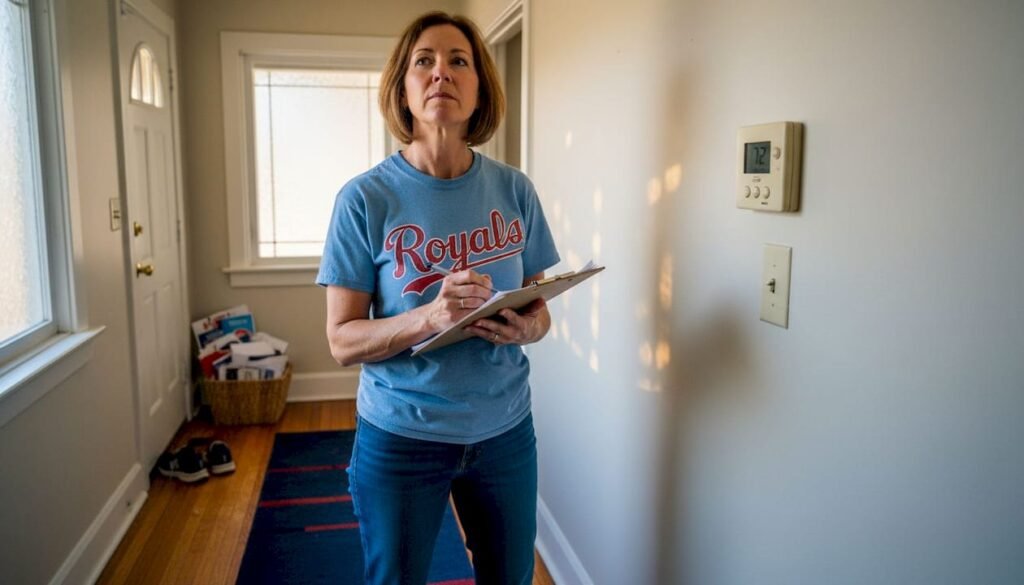
Before you start collecting quotes or browsing new equipment, take stock of what you actually have and what it genuinely needs. This is where most homeowners skip ahead too fast and end up overspending.
Not every aging system needs a full replacement right away. An older furnace or AC unit that still runs efficiently and reliably may only need targeted repairs or tune-ups. However, systems that are consistently underperforming, breaking down regularly, or driving up monthly utility bills deserve a closer look. Good HVAC maintenance best practices can extend a healthy system’s life significantly, which is worth remembering before you commit to a full replacement.
Start your assessment with these four steps:
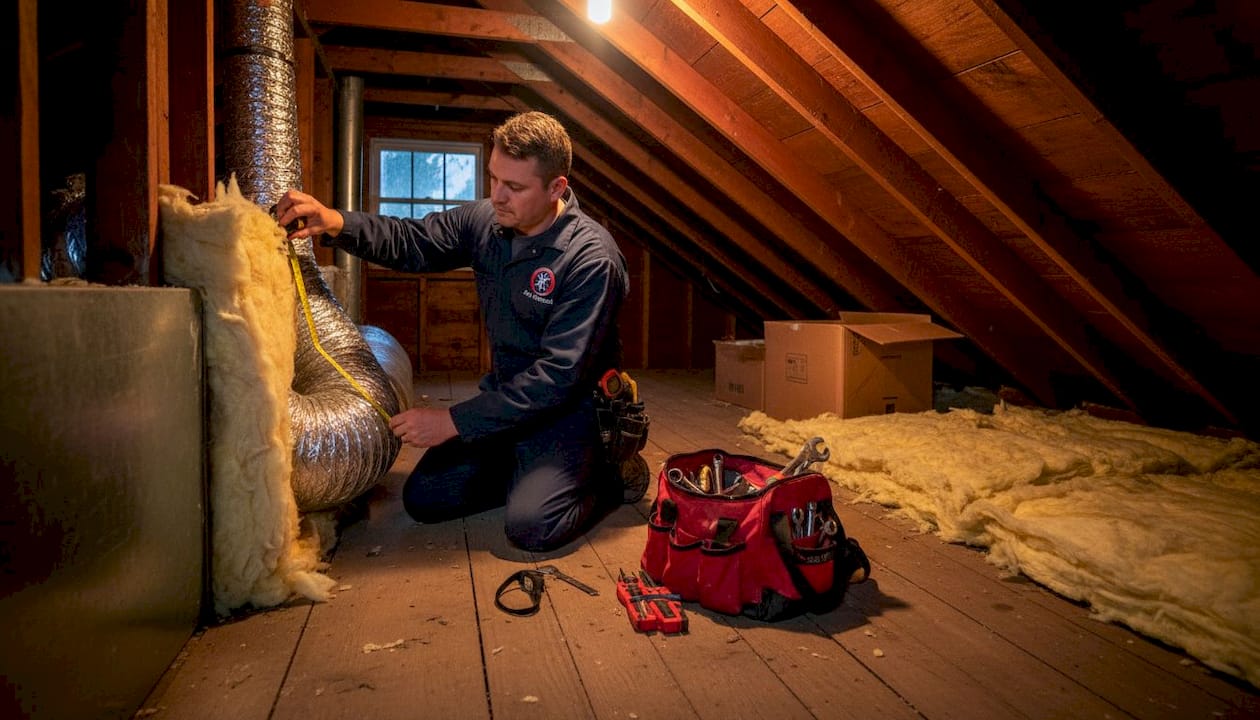
- Check your ductwork first. Leaky or poorly insulated ducts can waste 20 to 30 percent of conditioned air before it even reaches your living spaces. Fixing duct problems before buying new equipment means you get far more out of every dollar you spend on a new system.
- Evaluate your insulation. Walls, attics, and crawl spaces that lack adequate insulation force your HVAC to work harder. Better insulation lowers your heating and cooling load, which can mean you need a smaller, less expensive system.
- Request a Manual J load calculation. A Manual J calculation is a precise engineering method that determines the exact heating and cooling your home needs based on square footage, ceiling heights, window types, insulation levels, and local climate data. Sizing by square footage alone is a guess, and an oversized system short-cycles (turns on and off too frequently), wastes energy, and wears out faster.
- Track your repair history. Write down what repairs you have paid for over the last three years. If annual repair costs are climbing and the system is over 15 years old, replacement often makes more financial sense than continuing to patch things.
A well-maintained HVAC system can last 15 to 25 years, but bundling an AC and furnace upgrade at the same time can save you 5 to 15 percent compared to replacing them separately. Planning both replacements together also means only one installation visit and one set of labor fees.
Knowing which reasons to upgrade your HVAC apply to your situation helps you make a confident, informed decision rather than a reactive one.
Pro Tip: Before calling any contractor, pull together your last 12 months of utility bills. Spikes in your heating or cooling costs often point directly to where your system is losing efficiency, and that data helps a technician give you a more accurate assessment.
Estimating HVAC upgrade costs in Kansas City
Once you know what your home needs, you need a realistic picture of what it will cost. Kansas City’s climate, with its sharp seasonal swings, means local pricing can differ from national averages in meaningful ways.
Here is a general breakdown of system costs you are likely to encounter:
| System type | Estimated installed cost | Efficiency rating | Best for |
|---|---|---|---|
| Standard central AC | $3,500 to $5,500 | 13 to 15 SEER2 | Moderate budgets, mild use |
| High-efficiency central AC | $5,500 to $9,000 | 16+ SEER2 | KC’s hot summers, daily use |
| Standard gas furnace | $2,500 to $4,500 | 80% AFUE | Lower upfront cost |
| High-efficiency gas furnace | $4,000 to $7,500 | 96%+ AFUE | KC winters, lower bills |
| Heat pump (standard) | $4,000 to $7,000 | Varies | Moderate climates |
| Heat pump (high-efficiency) | $6,500 to $12,000 | 16+ SEER2 | Long-term efficiency |
All costs include equipment and professional installation. Prices vary by home size, brand, and contractor.
High-efficiency systems rated 16+ SEER2 or 96%+ AFUE cost $3,000 to $7,000 more upfront than standard models but typically save $150 to $400 per year on energy bills. In Kansas City’s climate, which includes brutally cold winters and extended hot summers, those annual savings add up steadily and justify the higher investment over a system’s lifetime.
Key cost factors to keep in mind:
- Equipment brand and model affect price significantly. Premium brands typically offer longer warranties and better reliability.
- Home size and layout determine how powerful a system you need, which directly affects cost.
- Existing infrastructure matters. If your home already has compatible ductwork, installation costs drop. If ductwork needs replacement or modification, budget an additional $1,500 to $5,000 depending on the scope.
- Seasonal timing affects labor rates. Spring and fall installations often cost less than emergency summer or winter replacements.
Bigger is not always better when it comes to HVAC equipment. An oversized air conditioner, for example, cools your home so quickly that it never runs long enough to remove humidity. You end up with a home that feels cold but clammy, and the constant on-off cycling wears down components faster. Properly sized energy efficient HVAC systems deliver consistent comfort and lower bills without the drawbacks of oversizing.
If your home has older ductwork or poor insulation, consider HVAC retrofitting options that address the building envelope alongside the mechanical system. This approach gives you the highest efficiency return on your investment.
Reducing costs with incentives, rebates, and smart planning
Understanding the real cost of an upgrade naturally leads to the question every homeowner asks: how much of that cost can I recover through rebates, credits, or smart timing?
The answer is: quite a bit, if you know where to look.
Federal tax credits are currently available for qualifying high-efficiency equipment. Homeowners who install ENERGY STAR certified heat pumps or air conditioning systems may qualify for federal tax credits ranging from $600 to $2,000. These credits come directly off your federal tax bill, not just as a deduction, which makes them genuinely valuable.
Evergy rebates are available to Kansas City area utility customers. Evergy offers rebates of several hundred to more than $1,000 for high-efficiency heating and cooling equipment. When you stack local utility rebates on top of federal tax credits, you can realistically cut 20 percent or more off your total out-of-pocket upgrade cost.
Here is a quick comparison to help you prioritize where to look:
| Incentive type | Potential value | How to access |
|---|---|---|
| Federal tax credit (heat pump/AC) | $600 to $2,000 | IRS Form 5695 at tax filing |
| Evergy high-efficiency rebate | $100 to $1,500+ | Evergy’s online rebate portal |
| Manufacturer rebate | $100 to $500 | Through your contractor |
| Utility equipment loan | Low or zero interest | Contact Evergy directly |
Steps to maximize your savings:
- Check eligibility early. Visit dsireusa.org to find every available state and federal incentive for your zip code before you buy.
- Confirm equipment qualifies. Not every high-efficiency system meets rebate criteria. Ask your contractor to confirm ENERGY STAR certification before purchase.
- Plan your upgrade sequence carefully. Seal and insulate your ducts first. Then replace equipment. This order ensures your new system is properly sized for an already-efficient home.
- Time your purchase. Off-season installations (fall and spring) often come with lower labor costs and faster scheduling.
Our guide to saving on HVAC covers these programs in more detail and can help you build an accurate savings estimate before you commit to any project.
Pro Tip: Always ask your HVAC contractor to provide documentation confirming equipment model numbers and efficiency ratings. You will need that paperwork to claim both federal tax credits and utility rebates. Missing paperwork is the most common reason homeowners miss out on thousands in savings.
Step-by-step budgeting for your HVAC upgrade
With your needs assessed, costs estimated, and savings opportunities identified, you are ready to build a real budget. Here is a practical process for Kansas City homeowners.
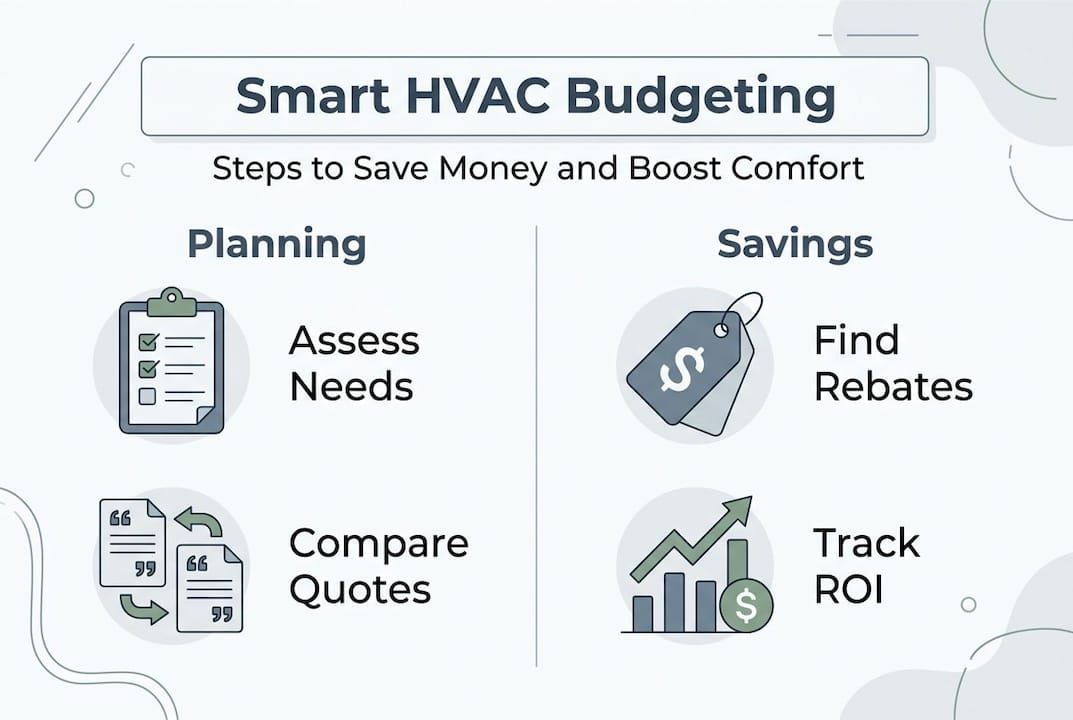
Step 1: Gather at least three quotes.
Never accept a single estimate. Get written quotes from at least three licensed HVAC contractors. Each quote should include equipment model and efficiency ratings, labor costs, warranty terms, and any rebates the contractor will help you file. Compare apples to apples, not just bottom-line prices.
Step 2: Add a contingency buffer.
Budget an additional 10 to 15 percent above your highest quote. Older Kansas City homes often reveal surprises once work begins, including outdated electrical panels, corroded refrigerant lines, or code compliance issues. A contingency fund keeps you from scrambling mid-project.
Step 3: Subtract your verified incentives.
Once you have confirmed which rebates and tax credits you qualify for, subtract those amounts from your total budget. This gives you your realistic out-of-pocket number.
Step 4: Evaluate financing options.
If the remaining cost is still beyond your current cash reserves, several financing paths are worth considering:
- HVAC-specific financing offered by many contractors, often with promotional 0% interest periods of 12 to 18 months.
- Home improvement loans through your bank or credit union, which typically carry lower rates than credit cards.
- Utility on-bill financing, available through Evergy, which lets you repay the cost through your monthly utility bill.
- Home equity lines of credit, which carry lower interest rates and may offer additional tax benefits.
Step 5: Track your return on investment annually.
High-efficiency system upgrades in Kansas City make the most sense when you plan to stay in your home long enough to recover the upfront cost difference. Track your energy bills year over year after the upgrade. If you are saving $300 per year on a $5,000 premium for a high-efficiency system, your payback period is about 16 to 17 years. That math works well if repairs on the old system would have cost you $500 to $1,000 per year anyway.
If annual repairs are already exceeding 50 percent of the cost of a new system, planning for HVAC improvements and replacing the equipment becomes the obvious financial choice. Pouring money into a failing system rarely pays off.
Keep a simple spreadsheet that logs your annual energy costs, maintenance expenses, and repair bills. Review it every fall before heating season. Over time, that record becomes a powerful decision-making tool.
A realistic Kansas City homeowner’s approach to HVAC upgrades
Here is something we see repeatedly after working with Kansas City homeowners for over 70 years: most budgeting mistakes are not about spending too much. They are about spending in the wrong order.
Homeowners focus on high-efficiency equipment, which is not wrong, but they skip the foundational work. Leaky ducts and poor insulation silently drain efficiency from even the best new system. A 96% AFUE furnace pushing conditioned air through ducts that leak 25 percent of that air into unconditioned spaces is not performing at 96% in your home. It is performing far less efficiently than that. Fixing seasonal HVAC maintenance and infrastructure issues first always delivers better returns.
We also see budgets fail because homeowners underestimate ongoing costs after the upgrade. A new system needs regular filter changes, annual tune-ups, and periodic inspections to maintain its warranty and efficiency. Skipping those steps in the first few years often leads to the same frustration all over again.
Finally, not every trendy upgrade pays off in Kansas City specifically. Geothermal systems and certain advanced heat pump configurations can be excellent investments in some climates. But in Kansas City’s extreme winter cold, a dual-fuel system (heat pump paired with a gas furnace backup) often delivers better reliability and comfort than a heat pump alone. Local climate knowledge matters enormously, and it is something that national comparison sites simply cannot provide.
Expert HVAC help for Kansas City homeowners
Taking your upgrade from plan to reality is much easier with a trusted local partner. At KC Air Control, we bring more than 70 years of experience in Kansas City’s unique climate to every assessment, installation, and maintenance visit.

Our team helps you identify exactly what your home needs, confirm rebate eligibility, and choose equipment that fits your budget and comfort goals. Whether you need emergency HVAC repair in the middle of a KC winter or are researching the best furnace repair services for a planned upgrade, we are ready to help. Visit KC Air Control to schedule your assessment, explore financing options, and get a clear, honest picture of what your HVAC upgrade will cost and save you over time.
Frequently asked questions
What HVAC incentives are available for Kansas City homeowners in 2026?
Kansas City homeowners can stack federal tax credits up to $2,000 and Evergy rebates ranging from $100 to $1,500 for qualifying high-efficiency HVAC systems, potentially cutting 20 percent or more off total upgrade costs.
How much should I budget for a high-efficiency HVAC upgrade?
Plan for an additional $3,000 to $7,000 upfront compared to a standard system, but high-efficiency equipment typically saves $150 to $400 per year on energy bills, making it a smart long-term investment in Kansas City’s extreme climate.
Is ductwork or insulation more important than a new HVAC unit?
Upgrading ductwork and insulation first is often more cost-effective because leaky ducts lose 20 to 30 percent of conditioned air, and fixing them before new equipment installation means your new system is sized and performing correctly from day one.
How do I know if I should repair or replace my HVAC system?
Track your repair costs over time. If cumulative repairs exceed 50 percent of a new system’s replacement cost, replacement is almost always the smarter financial choice, especially for systems over 15 years old.
What is a Manual J calculation and why is it important?
A Manual J calculation is a professional engineering measurement of your home’s exact heating and cooling requirements, preventing the costly problems of oversizing or undersizing your equipment and ensuring maximum efficiency and comfort year-round.
Recommended
- Practical HVAC energy saving tips for Kansas City homes – KC Air Control – Heating & Cooling
- Energy efficient HVAC: lower bills and better comfort – KC Air Control – Heating & Cooling
- Energy efficient HVAC guide: Save 20-50% in KC – KC Air Control – Heating & Cooling
- Smart HVAC explained: boost comfort, cut energy bills – KC Air Control – Heating & Cooling