
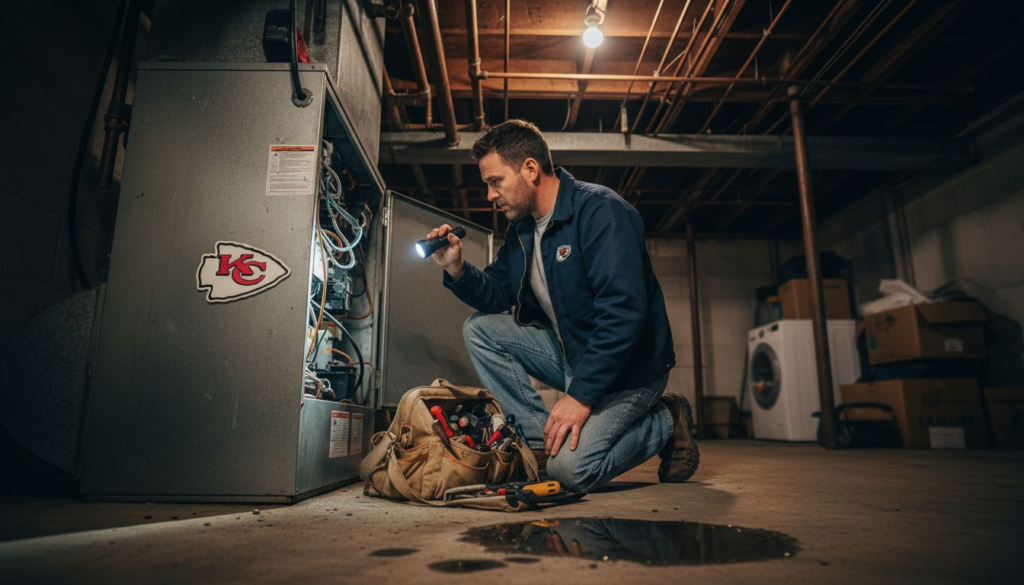
When your furnace dies on the coldest January night or your air conditioner quits during a brutal July heatwave, you’re facing more than inconvenience. HVAC emergencies threaten your family’s comfort and safety. Knowing the warning signs and understanding your repair options helps you act fast. This guide walks Kansas City homeowners through the most common HVAC emergencies, their causes, and how to get reliable help when you need it most.
Essential Guide to Common HVAC Emergencies & Repairs in Kansas City
- How To Evaluate HVAC Emergencies: Key Criteria For Homeowners
- Common Types Of HVAC Emergencies In Kansas City
- Comparing HVAC Emergencies: Urgency, Causes, And Homeowner Actions
- Preventing HVAC Emergencies: Maintenance And Professional Service Tips
- Trusted Emergency HVAC Repair Services In Kansas City
Key takeaways
| Point | Details |
|---|---|
| Major HVAC emergencies | Carbon monoxide leaks, system breakdowns in extreme weather, and refrigerant failures top the list of urgent issues. |
| Recognize warning signs | Loss of heating or cooling, strange odors, unusual noises, and physical symptoms like dizziness signal emergencies. |
| Prevention saves money | Regular maintenance cuts HVAC breakdowns by 30 to 40 percent, reducing emergency repair costs. |
| Choose qualified pros | Licensed, insured, NATE-certified technicians ensure safe, effective emergency repairs. |
How to evaluate HVAC emergencies: key criteria for homeowners
Not every HVAC hiccup qualifies as an emergency, but certain situations demand immediate action. Understanding the difference keeps your family safe and prevents minor issues from becoming major disasters.
Start by identifying symptoms. Loss of heating during freezing temperatures or cooling during extreme heat creates urgent discomfort and potential health risks. Strange smells, particularly the rotten egg odor of natural gas or a chemical scent, require immediate attention. Unusual sounds like grinding, screeching, or banging indicate mechanical failures that could worsen quickly.
Timing amplifies urgency. A broken air conditioner on a mild spring day is inconvenient. The same failure during a 100-degree heatwave becomes dangerous, especially for children, elderly family members, or anyone with health conditions. Winter furnace failures carry similar risks when temperatures drop below freezing.
Health symptoms elevate any HVAC issue to emergency status. Symptoms of carbon monoxide poisoning include dizziness, nausea, and headache, requiring immediate evacuation and a 911 call. Never ignore these warning signs.
Pro Tip: Test your carbon monoxide detectors monthly and replace batteries twice yearly. Set reminders when you change clocks for daylight saving time. A working detector provides the first line of defense against this invisible killer.
When you spot these red flags, understanding emergency HVAC service importance helps you make informed decisions about calling for help. The carbon monoxide poisoning risks documented in Kansas City demonstrate why quick action matters.
Common types of HVAC emergencies in Kansas City
Kansas City’s extreme seasonal swings create specific HVAC challenges. You’ll encounter four primary emergency types throughout the year, each with distinct causes and warning signs.
Carbon monoxide leaks represent the deadliest HVAC emergency. Faulty furnaces with flue pipe issues cause dangerous CO buildup in Kansas City homes. Cracked heat exchangers, blocked vents, or improper combustion allow this colorless, odorless gas to seep into living spaces. If your CO detector sounds or anyone experiences headaches, nausea, or confusion, evacuate immediately and call 911. Return only after professionals clear your home.
Air conditioner failures spike during summer months when Kansas City temperatures soar. Capacitor failure, compressor issues, or refrigerant leaks cause most breakdowns. You’ll notice warm air blowing from vents, ice forming on refrigerant lines, or the system cycling on and off rapidly. These failures aren’t just uncomfortable. Extended exposure to extreme heat poses serious health risks, particularly for vulnerable family members.
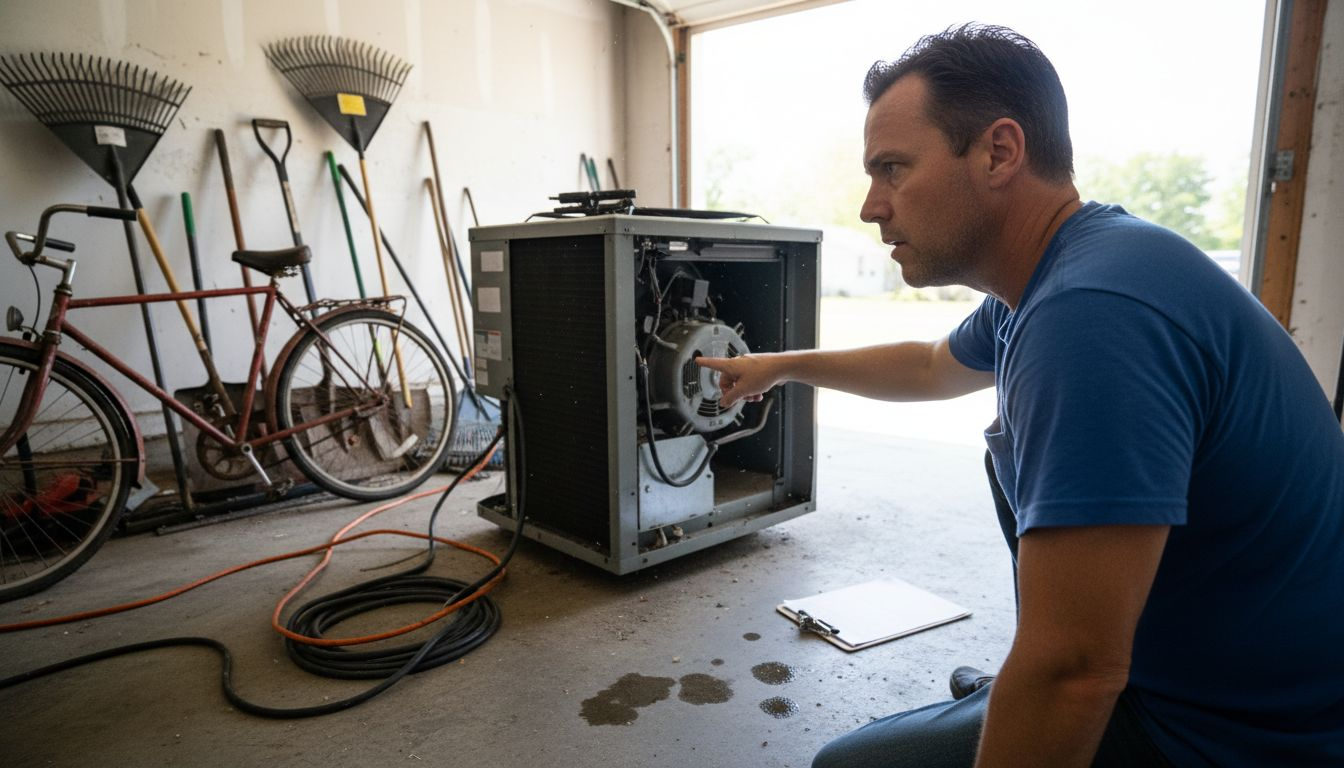
Furnace breakdowns create winter emergencies when temperatures plummet. Ignition, flame sensors, or blower motor failures account for most cold weather crises. Your furnace might fail to start, produce inadequate heat, or shut down repeatedly. Without heat, pipes can freeze and burst, causing thousands in water damage beyond the discomfort of a freezing home.
Refrigerant leaks harm both your comfort and the environment. You’ll spot reduced cooling capacity, hissing sounds near the outdoor unit, or ice buildup on refrigerant lines. Beyond degrading system performance, refrigerant releases contribute to ozone depletion and require professional recovery and repair.
Recognizing these common HVAC emergencies KC homeowners face helps you respond appropriately. When furnace problems arise in winter, this emergency furnace repair guide provides specific steps. The environmental impact of refrigerant leaks extends beyond your home, making prompt repair essential.
Comparing HVAC emergencies: urgency, causes, and homeowner actions
Different emergencies require different responses. This comparison helps you prioritize actions and understand what you’re dealing with when disaster strikes.
| Emergency Type | Urgency Level | Common Causes | Key Symptoms | Homeowner Actions |
|---|---|---|---|---|
| Carbon monoxide leak | Immediate life threat | Cracked heat exchanger, blocked flue, improper combustion | Headache, dizziness, nausea, detector alarm | Evacuate immediately, call 911, do not re-enter until cleared |
| AC failure (summer) | High during heatwave | Failed capacitor, compressor breakdown, refrigerant leak | No cool air, ice on lines, frequent cycling | Turn off system, call emergency HVAC service, use fans safely |
| Furnace breakdown (winter) | High during freezing temps | Ignition failure, bad flame sensor, blower motor issues | No heat, insufficient warmth, repeated shutdowns | Check thermostat and breaker, call emergency repair, prevent pipe freezing |
| Refrigerant leak | Moderate to high | Corroded connections, physical damage, age-related wear | Reduced cooling, hissing sounds, ice buildup, higher bills | Turn off AC, schedule immediate professional repair, avoid system use |
This framework guides your response when systems fail. For deeper insight into handling various scenarios, review this emergency HVAC repair guide KC professionals recommend.
Understanding urgency levels prevents panic while ensuring appropriate action. Life-threatening situations like CO leaks demand immediate evacuation. Equipment failures during extreme weather require quick professional help but allow time for safe troubleshooting steps like checking your thermostat or circuit breaker.
Preventing HVAC emergencies: maintenance and professional service tips
Prevention beats emergency repairs every time. Regular maintenance catches small problems before they become expensive disasters.
Annual inspections form the foundation of prevention. Schedule furnace checks each fall before heating season and air conditioner tune-ups each spring before cooling demands spike. Professional technicians identify worn parts, test safety controls, and optimize efficiency during these visits.
Routine homeowner tasks make a difference too:
- Change air filters every one to three months depending on usage and household factors like pets or allergies
- Keep outdoor units clear of debris, leaves, and vegetation that restrict airflow
- Ensure supply and return vents remain unblocked by furniture or drapes
- Listen for unusual sounds that signal developing problems
- Monitor energy bills for unexplained increases indicating inefficiency
Neglect shows up in predictable ways. Frequent breakdowns, strange noises, inconsistent temperatures, and climbing utility costs all point to deferred maintenance catching up with your system. Regular maintenance reduces HVAC breakdowns by 30 to 40 percent, making prevention far more affordable than emergency repairs.
Choosing qualified service providers matters enormously. Look for licensed, insured contractors with NATE certification. These credentials demonstrate technical competence and commitment to industry standards. Ask about emergency availability, response times, and whether they service your specific equipment brand.
Pro Tip: Track every service call and repair in a simple notebook or phone app. Document the problem, diagnosis, repair performed, and cost. Pattern recognition helps you spot recurring issues and makes informed decisions about repair versus replacement. Up to 80 percent of compressor failures result from inadequate maintenance or misdiagnosed problems, making good records valuable.
Timely refrigerant leak repairs protect more than your comfort. Modern refrigerants carry significant environmental impact, and proper recovery during repairs prevents atmospheric damage. Professional service ensures compliance with EPA regulations while restoring system performance.
The importance of HVAC maintenance extends beyond preventing emergencies to improving efficiency, extending equipment life, and maintaining warranty coverage. For comprehensive preparation, this 2026 HVAC inspections guide covers what to expect during professional service.
Trusted emergency HVAC repair services in Kansas City
When emergencies strike, you need fast, reliable help from professionals who understand Kansas City’s unique HVAC challenges. KC Air Control’s specialized emergency HVAC repair workflow reduces downtime by 35 percent through expert diagnostics and proven repair protocols.

Our licensed technicians respond quickly to restore your comfort and safety. We handle everything from carbon monoxide emergencies to system failures during extreme weather, bringing over 70 years of HVAC expertise to every call. Quick diagnostics identify problems accurately, preventing unnecessary repairs and getting your system running faster.
Homeowners gain additional support through our emergency HVAC troubleshooting guides and convenient online booking for scheduled service. Don’t let HVAC emergencies compromise your family’s comfort or safety. Contact KC Air Control’s emergency service team today.
FAQ
What are the most dangerous HVAC emergencies?
Carbon monoxide leaks pose the greatest immediate danger because this odorless gas causes poisoning that can be fatal. Evacuate your home and call 911 if you suspect CO exposure. Furnace failures during extreme cold and AC breakdowns during dangerous heat also create serious safety risks, though they’re less immediately life threatening.
How can I recognize carbon monoxide poisoning symptoms?
Watch for headache, dizziness, nausea, weakness, vomiting, chest pain, and confusion in household members. Symptoms often mimic flu but without fever. If you or family members experience these signs, especially if multiple people are affected, evacuate immediately and call 911. Move to fresh air and don’t re-enter until emergency responders clear your home.
How often should HVAC systems be inspected to avoid emergencies?
Schedule professional inspections annually, ideally before each major season change. Fall furnace checks and spring AC tune-ups catch developing problems before they cause failures. These preventive visits identify worn components, test safety systems, and optimize performance. Regular inspections dramatically reduce emergency breakdowns. For detailed preparation, review this HVAC inspections 2026 guide.
What should I do if my HVAC system fails during extreme weather?
Turn off your system if you notice burning smells, smoke, or other safety concerns to prevent further damage. Contact professional emergency HVAC service immediately to restore climate control quickly. While waiting for help, use fans during heat or space heaters during cold cautiously, following all safety guidelines. Never use outdoor equipment like grills indoors for heating. This emergency HVAC troubleshooting resource helps you take appropriate first steps.
Recommended
- What is emergency HVAC repair? Kansas City guide – KC Air Control – Heating & Cooling
- Emergency HVAC Repair Workflow KC: 35% Faster Fixes – Air Control
- Why emergency HVAC service matters for Kansas City homes – KC Air Control – Heating & Cooling
- Emergency furnace repair guide for Kansas City homeowners – KC Air Control – Heating & Cooling