
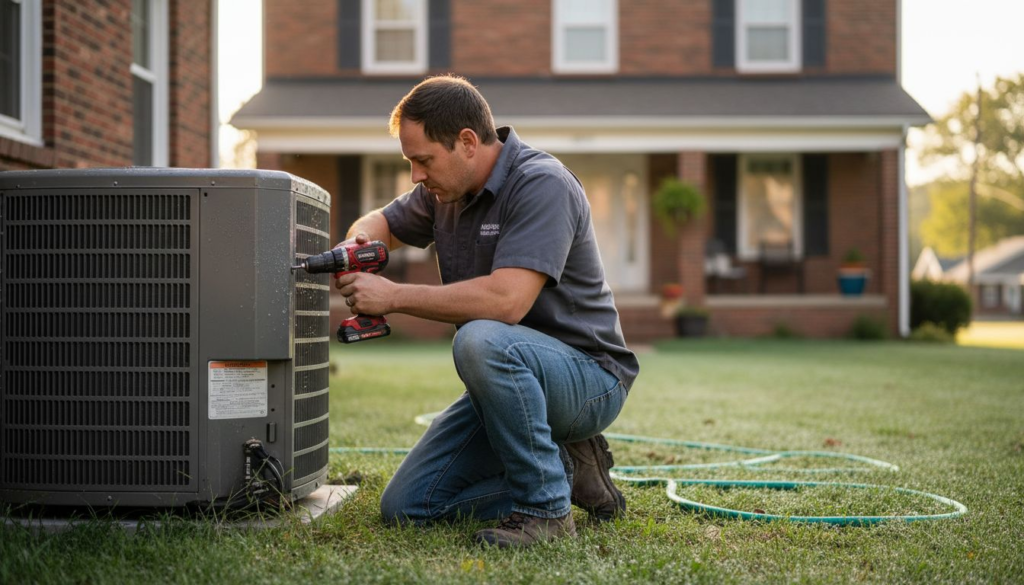
Skipping regular HVAC maintenance can increase your energy costs by up to 30%, leaving Kansas City homeowners struggling with high utility bills and unexpected breakdowns. A professional HVAC tune-up optimizes your heating and cooling system, improves indoor air quality, and prevents costly emergency repairs. This guide reveals how tune-ups deliver tangible savings, extend equipment life, and keep your home comfortable year-round through Kansas City’s temperature extremes.
Table of Contents
- Introduction To HVAC Tune-Ups
- How HVAC Tune-Ups Enhance Efficiency And Reduce Costs
- Preventing Breakdowns: The Role Of Regular Maintenance
- The Tune-Up Process: What To Expect From A Professional Service
- Health And Indoor Air Quality Benefits Of HVAC Tune-Ups
- Addressing Common Misconceptions About HVAC Tune-Ups
- Local Climate Considerations And Scheduling Tune-Ups
- Conclusion: Maximizing Your HVAC Investment Through Tune-Ups
- Maintain Your HVAC System With Expert Tune-Ups
HVAC Tune-Up Topics Overview: A Quick Guide
| Point | Details |
|---|---|
| Efficiency gains | Regular tune-ups improve HVAC energy efficiency by up to 15%, cutting utility bills significantly. |
| Breakdown prevention | Systems without maintenance face 85% higher breakdown risk during peak seasons. |
| Air quality boost | Professional tune-ups reduce indoor particulate matter by up to 30% through filter and duct cleaning. |
| Professional advantage | Expert tune-ups include refrigerant checks, motor lubrication, and safety tests beyond DIY scope. |
| Climate timing | Kansas City homeowners benefit most from bi-annual tune-ups scheduled before summer and winter extremes. |
Introduction to HVAC tune-ups
An HVAC tune-up is preventive maintenance designed to optimize your heating and cooling system’s performance before problems develop. Unlike emergency repairs that fix failures after they occur, tune-ups proactively identify wear, clean components, and adjust settings to keep equipment running efficiently.
Professional technicians inspect and service multiple critical components during tune-ups:
- Air filters and ductwork for proper airflow
- Evaporator and condenser coils to maximize heat transfer
- Refrigerant levels and pressure for cooling capacity
- Motors, belts, and bearings requiring lubrication
- Electrical connections and safety controls
- Thermostats and system calibration
Many Kansas City homeowners only think about their HVAC system when it stops working. Rising energy bills often signal efficiency loss from dirty coils or restricted airflow. Inconsistent temperatures between rooms suggest ductwork issues or refrigerant problems. Without regular attention, minor issues escalate into expensive repairs or complete system failure during the hottest or coldest days when you need comfort most.
How HVAC tune-ups enhance efficiency and reduce costs
Regular HVAC tune-ups improve efficiency by up to 15%, translating directly into lower monthly utility bills. When coils accumulate dirt and dust, your system works harder to transfer heat, consuming more electricity for the same comfort level. Professional cleaning restores optimal heat exchange, letting your equipment cool or heat your home using less energy.
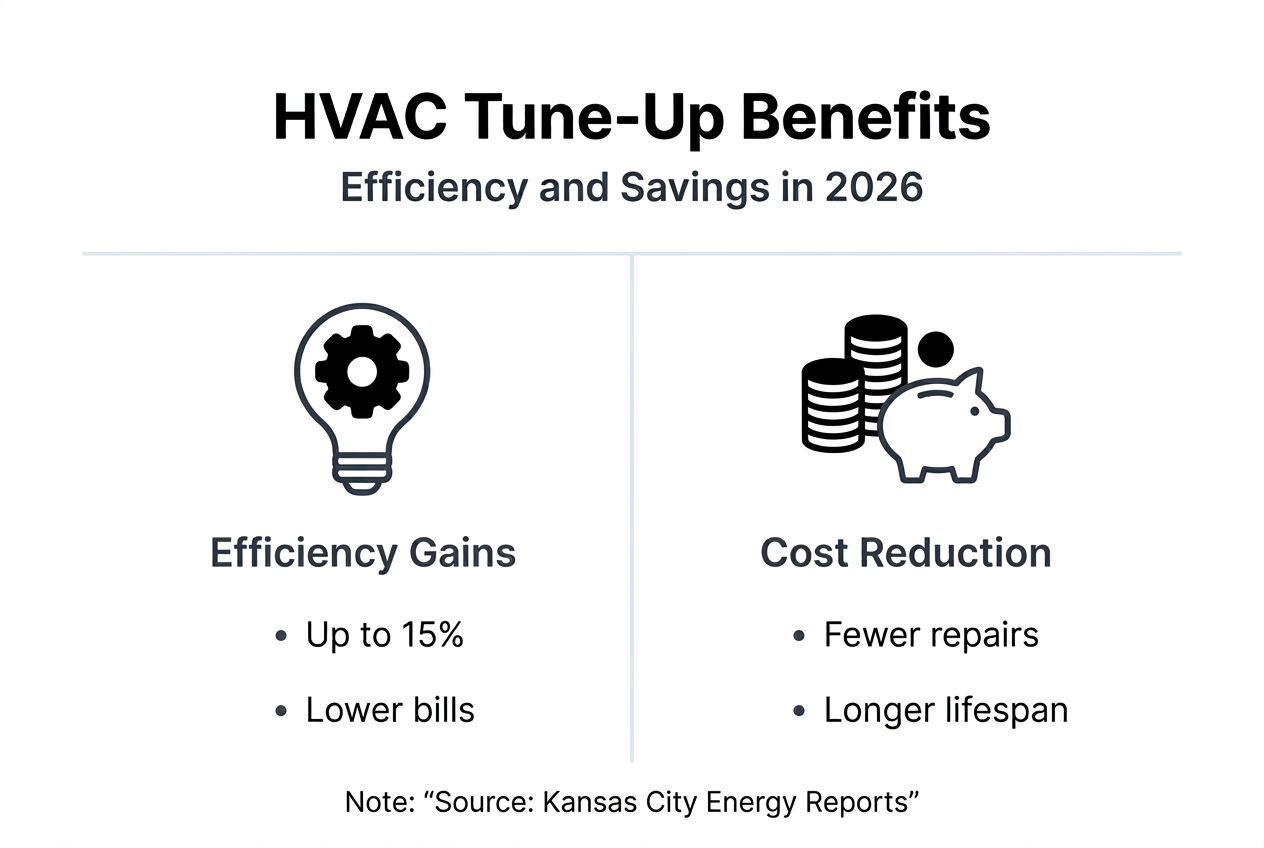
Lubrication of moving parts reduces friction in motors and fans. This seemingly small task prevents components from overheating and drawing excess power. Technicians also tighten electrical connections that can loosen over time, eliminating resistance that wastes energy as heat.
Without maintenance, you could see energy costs rise 30% or more compared to a well-tuned system. Restricted airflow from clogged filters forces your blower motor to run longer cycles. Low refrigerant levels mean your compressor runs continuously without achieving target temperatures. These efficiency losses compound over months, turning minor neglect into hundreds of dollars in wasted electricity.
Key tune-up tasks that slash energy waste include:
- Cleaning evaporator and condenser coils to restore heat transfer capacity
- Replacing or cleaning air filters for unrestricted airflow
- Checking refrigerant charge and repairing leaks before they worsen
- Calibrating thermostats to eliminate temperature overshoot
- Inspecting ductwork for leaks that waste conditioned air
- Testing capacitors and contactors that affect motor efficiency
Pro Tip: Schedule your tune-up in spring before cooling season starts. Technicians can address efficiency issues before summer heat drives up your usage, maximizing savings when bills typically peak.
Investing in professional HVAC servicing delivers measurable savings through improved efficiency and reduced operating costs. The Energy Department confirms that proper maintenance keeps systems running at peak performance, preventing the gradual efficiency decline that occurs without professional attention.
Preventing breakdowns: the role of regular maintenance
Neglected HVAC systems face 85% higher breakdown risk during peak usage periods when Kansas City temperatures hit extremes. Emergency repairs during July heat waves or January freezes cost significantly more than preventive tune-ups, both in service fees and the discomfort of waiting for repairs.
Regular maintenance catches problems early before they cascade into failures. A worn belt detected during inspection costs $50 to replace. That same belt breaking mid-summer can damage the blower motor, turning a minor fix into a $500 repair plus emergency service charges.
Tune-up tasks that prevent common failures include:
- Inspecting electrical connections for corrosion or looseness that causes shorts
- Testing capacitors and contactors before they fail and disable motors
- Lubricating bearings to prevent motor seizure from friction damage
- Checking refrigerant levels to avoid compressor damage from running low
- Cleaning drain lines to prevent water damage from overflow backups
- Tightening mounting hardware that vibrates loose and causes noise or damage
Homeowners who maintain systems regularly reduce emergency repair costs by approximately 25% compared to those who skip preventive service. Planned maintenance during off-peak seasons also means better technician availability and no premium charges for urgent calls.
Tune-ups extend equipment lifespan by addressing wear before it becomes damage. Motors running with proper lubrication last years longer than neglected ones. Clean coils prevent compressor strain that shortens the most expensive component’s life. Regular HVAC maintenance keeps your home comfortable by ensuring reliable operation when you need it most.
Pro Tip: Keep maintenance records showing tune-up dates and work performed. Many manufacturers require proof of professional maintenance to honor warranty claims, and documentation helps technicians spot recurring issues faster.
Understanding why scheduling HVAC maintenance matters transforms your approach from reactive repairs to proactive care. The reliability gains and cost avoidance make tune-ups one of the best investments in home comfort and budget protection.
The tune-up process: what to expect from a professional service
Professional HVAC tune-ups follow a systematic process ensuring no critical components get overlooked:
- Inspection: Technicians examine all visible components, checking for wear, damage, corrosion, or loose connections that could cause problems.
- Cleaning: Coils, blower components, and drain lines get thoroughly cleaned to remove buildup that restricts airflow and efficiency.
- Lubrication: Moving parts including motors, bearings, and fan assemblies receive proper lubrication to reduce friction and prevent premature wear.
- Testing: Electrical components, refrigerant pressures, airflow volumes, and safety controls undergo measurement against manufacturer specifications.
- Adjustment: Thermostats get calibrated, dampers balanced, and settings optimized for your home’s specific comfort and efficiency needs.
Common tasks performed during comprehensive tune-ups include coil cleaning with specialized solutions, refrigerant level verification using gauges and manifolds, filter replacement with properly sized media, condensate drain flushing to prevent clogs, electrical connection inspection with voltage and amperage testing, and blower component cleaning for optimal air movement.
Professional tune-ups differ substantially from DIY maintenance in scope and capability:
| Check/Task | Professional Tune-up | DIY Maintenance |
|---|---|---|
| Filter replacement | Correct size and MERV rating selection | Basic filter swap only |
| Refrigerant service | Pressure testing, leak detection, charging | Not accessible |
| Electrical testing | Voltage, amperage, capacitance measurement | Visual inspection only |
| Coil cleaning | Chemical treatment and deep cleaning | Surface dusting at best |
| Safety controls | Testing all limit switches and sensors | Not testable without tools |
| Efficiency verification | Airflow and temperature differential measurement | No measurement capability |
Homeowners can handle basic filter changes and outdoor unit clearing, but professional technicians bring specialized tools, training, and diagnostic equipment. Refrigerant work requires EPA certification. Electrical testing needs meters and knowledge to interpret readings safely.
Following a comprehensive HVAC maintenance checklist ensures nothing gets missed during service. Understanding what AC maintenance includes helps you recognize quality service and ask informed questions when scheduling tune-ups.
Health and indoor air quality benefits of HVAC tune-ups
Properly maintained HVAC systems reduce indoor particulate matter by up to 30% through regular filter replacement and duct cleaning. Your heating and cooling system circulates air throughout your home constantly, either filtering out pollutants or recirculating them depending on maintenance condition.
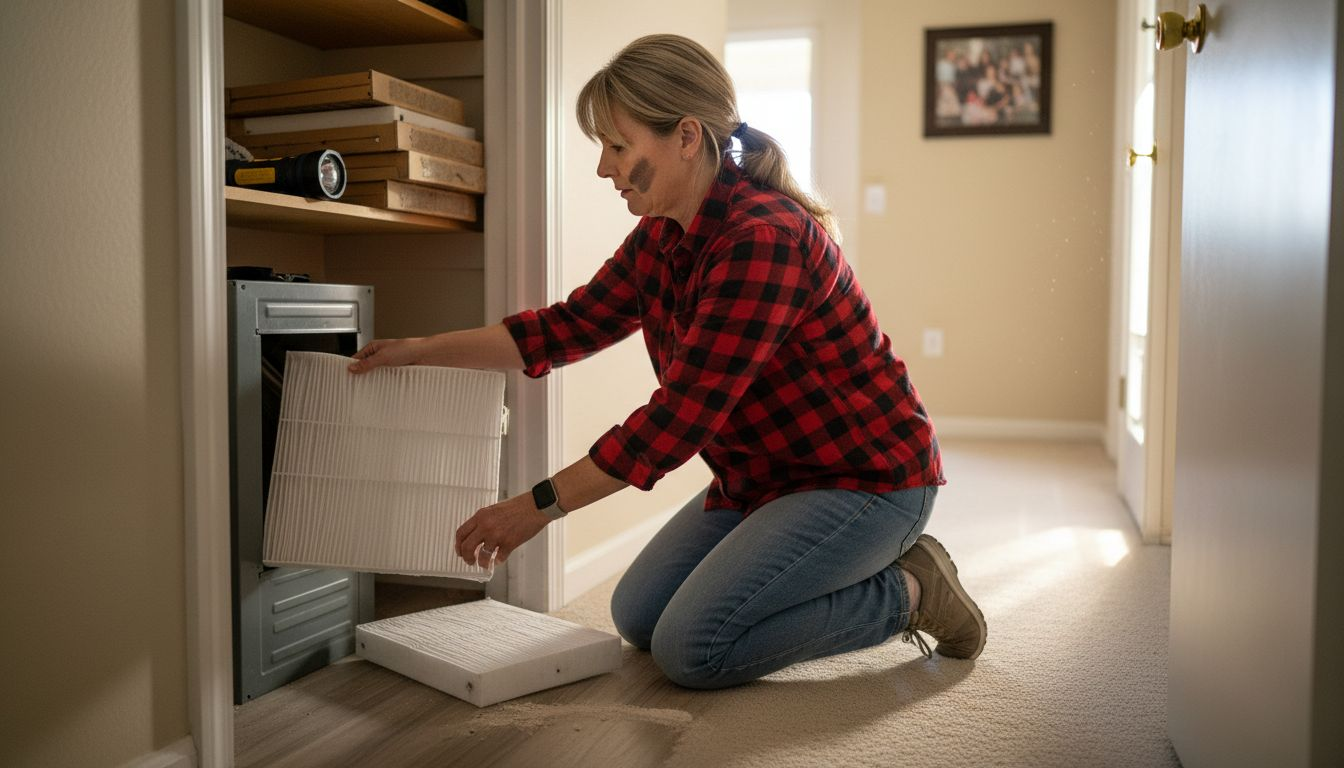
Dirty filters lose effectiveness, allowing dust, pollen, pet dander, and mold spores to bypass filtration and circulate through living spaces. Neglected systems show 20% higher allergen concentrations indoors compared to well-maintained equipment. For family members with asthma or allergies, this difference significantly impacts daily comfort and health.
Tune-ups improve indoor air quality through several mechanisms:
- Filter replacement with proper MERV-rated media captures smaller particles effectively
- Coil cleaning eliminates mold growth areas that release spores into airflow
- Drain line maintenance prevents standing water where bacteria and mold thrive
- Ductwork inspection identifies leaks pulling unfiltered attic or crawlspace air into your home
- Blower cleaning removes accumulated dust that can blow into rooms during operation
Beyond allergen reduction, proper maintenance ensures adequate ventilation and humidity control. Systems running efficiently maintain consistent airflow that prevents stuffiness and removes indoor pollutants. Balanced humidity levels discourage mold growth while keeping air comfortable.
Professional indoor air quality services address ventilation, filtration, and humidity control comprehensively. The Environmental Protection Agency emphasizes that HVAC maintenance plays a central role in healthy indoor environments, particularly for homes in areas with high pollen counts or humidity like Kansas City.
Healthier air means fewer respiratory irritants triggering coughing, sneezing, or breathing difficulties. Better airflow creates more consistent comfort without hot or cold spots. Reduced dust accumulation means less cleaning and better protection for electronics and furnishings.
Addressing common misconceptions about HVAC tune-ups
Many homeowners believe tune-ups only matter when something breaks, but this reactive approach costs more and risks comfort. Preventive maintenance identifies issues before failure, avoiding emergency repairs during temperature extremes when you need your system most and technicians charge premium rates.
The misconception that DIY maintenance suffices ignores critical service needs beyond homeowner capability. While changing filters helps, you cannot check refrigerant pressures, test electrical components safely, or calibrate controls without specialized training and equipment. Professional inspections catch problems DIY efforts miss entirely.
Kansas City’s climate demands more frequent attention than moderate regions. Temperature swings from below freezing winters to 100°F summers stress HVAC components harder than mild climates. Systems working through these extremes accumulate wear faster, making bi-annual tune-ups necessary rather than excessive.
Common underestimations about tune-up value include:
- Assuming new systems don’t need maintenance (manufacturer warranties often require it)
- Believing tune-ups only clean filters (comprehensive service includes 20+ checkpoints)
- Thinking maintenance is purely preventive (it also optimizes current efficiency and comfort)
- Expecting systems to show obvious signs before needing service (efficiency loss occurs gradually)
Manufacturers design equipment expecting professional maintenance. Operating manuals specify service intervals because engineering testing shows when wear occurs. Skipping recommended maintenance voids warranties and shortens equipment life regardless of initial quality.
Understanding what AC maintenance truly involves corrects misconceptions about tune-up scope and value. Recognition that professional service delivers benefits impossible through DIY efforts alone helps homeowners make informed maintenance decisions.
Local climate considerations and scheduling tune-ups
Kansas City’s variable climate with hot, humid summers and cold winters creates ideal conditions for bi-annual HVAC tune-ups. Spring service prepares cooling systems before heat arrives, while fall maintenance readies heating equipment before freezing temperatures demand reliable operation.
Temperature extremes increase system wear through extended run times and thermal stress on components. Air conditioners working through July heat waves and furnaces running continuously during January cold snaps accumulate significantly more operating hours than equipment in moderate climates. This accelerated wear makes preventive maintenance more critical.
Seasonal scheduling recommendations for Kansas City homeowners:
- Spring tune-ups (March-April): Service air conditioning before cooling season starts, avoiding June rush when everyone needs repairs simultaneously
- Fall tune-ups (September-October): Prepare heating systems before cold weather, ensuring reliable operation during first freeze
- Avoid peak seasons: July and January bring service delays and emergency pricing when systems fail under maximum demand
- Plan around holidays: Schedule before major holidays when you’ll host guests and need guaranteed comfort
Proper timing delivers consistent home comfort by ensuring systems operate efficiently when you need them most. Professional HVAC servicing cuts Kansas City bills by maintaining peak efficiency before seasonal demand drives up usage and costs.
Benefits of climate-appropriate tune-up scheduling include avoided breakdowns during temperature extremes when replacement parts may be scarce, lower energy bills from systems running efficiently during highest-use months, better technician availability with shorter wait times for service appointments, and reduced wear from proactively addressing stress before it causes damage.
Regular AC tune-ups save Kansas City homeowners money specifically because local climate conditions demand reliable, efficient operation. Following seasonal HVAC maintenance steps tailored to regional weather patterns maximizes equipment performance and longevity.
Conclusion: maximizing your HVAC investment through tune-ups
Regular HVAC tune-ups deliver measurable benefits through efficiency improvements up to 15%, breakdown risk reduction of 85%, and indoor air quality gains of 30% or more. These advantages translate into lower utility bills, fewer emergency repairs, extended equipment lifespan, and healthier indoor environments for your family.
Professional maintenance twice yearly suits Kansas City’s climate demands, preparing systems before seasonal extremes stress components. The modest investment in preventive tune-ups returns substantial savings through avoided repairs, reduced energy consumption, and maximized equipment longevity.
Scheduling bi-annual professional service protects your comfort investment while delivering ongoing cost savings. Make tune-ups a regular priority rather than waiting for problems to develop.
Maintain your HVAC system with expert tune-ups
Now that you understand how professional tune-ups boost efficiency, prevent breakdowns, and improve air quality, consider expert services tailored for Kansas City homes. KC Air Control offers comprehensive AC tune-up service and furnace tune-up service designed to keep your system running optimally through every season.

Our experienced technicians perform thorough inspections, cleaning, and adjustments that maximize efficiency and reliability. Convenient online scheduling makes protecting your HVAC investment simple. Pro Tip: Book your spring cooling tune-up in March and fall heating tune-up in September to avoid peak season delays and ensure your system is ready before temperature extremes arrive.
FAQ
How often should Kansas City homeowners schedule HVAC tune-ups?
Bi-annual tune-ups aligned with spring and fall seasons work best for Kansas City’s climate. Service your air conditioner in March or April before summer heat, then tune your furnace in September or October before winter cold arrives.
Can I perform HVAC tune-ups myself instead of hiring a professional?
DIY maintenance handles basic tasks like filter replacement and outdoor unit cleaning, but professional tune-ups include critical services beyond homeowner capability. Refrigerant testing, electrical diagnostics, and safety control verification require specialized tools and EPA certification that prevent costly failures.
What are the signs my HVAC system needs a tune-up?
Rising energy bills without usage changes signal efficiency loss from dirty components or worn parts. Uneven heating or cooling between rooms suggests airflow problems or refrigerant issues. Unusual noises, frequent cycling, or increased allergy symptoms all indicate maintenance needs before complete failure occurs.
How do HVAC tune-ups improve indoor air quality?
Tune-ups reduce dust and allergens by replacing filters with proper MERV-rated media and cleaning coils where mold grows. Professional service also clears drain lines preventing standing water, inspects ductwork for leaks, and removes accumulated debris from blower components, lowering indoor particulate matter up to 30%.