

TL;DR:
- HVAC service agreements are contracts that specify maintenance, coverage, and emergency response between homeowners and providers. The most common types include full-coverage, preventive, labor-only, time and materials, subscription, and tiered plans, each suited for different needs and risk tolerances. Proper selection depends on equipment age, budget, and whether the homeowner values priority service and comprehensive coverage.
An HVAC service agreement is a formal contract between a homeowner or property manager and a heating and cooling provider that defines maintenance schedules, coverage levels, and response commitments. Understanding the types of HVAC service agreements available helps you avoid overpaying for coverage you don’t need or underprotecting a system that could fail at the worst time. The industry term for these contracts is “HVAC maintenance agreements” or “HVAC service contracts,” and they range from basic tune-up schedules to full-coverage plans that include parts, labor, and emergency response. Choosing the right one depends on your equipment age, budget, and how much repair risk you want to carry.
1. What are the most common types of HVAC service agreements?
Six main HVAC service contract types cover the market in 2026. Each transfers a different level of risk from the homeowner to the contractor.
- Full-coverage contracts cover parts, labor, and emergency response. Annual premiums run $300–$600 or more depending on system size. These plans transfer the most repair risk to the vendor and suit homeowners with older systems or low risk tolerance.
- Preventive maintenance agreements include scheduled seasonal tune-ups and labor only. Parts are the homeowner’s responsibility. These are the most common entry-level residential HVAC contracts.
- Labor-only agreements cover technician time but not replacement parts. You pay for any components needed during a repair visit. This works well for newer systems still under manufacturer warranty.
- Time and materials (T&M) plans charge per service call at a set hourly rate plus parts cost. There is no annual commitment. T&M suits homeowners who prefer flexibility over predictability.
- Subscription or membership models charge a flat monthly fee, typically $19–$29 per month, and include tune-ups, priority scheduling, and discounts on repairs. These plans avoid a large lump-sum payment and have grown significantly in popularity.
- Tiered plans (Bronze, Silver, Gold) bundle increasing levels of coverage at each tier. Middle-tier plans anchor 60% of customers in 2026, reflecting a preference for balanced coverage without full-coverage premiums.
Pro Tip: If your system is under five years old and still under manufacturer warranty, a preventive maintenance or labor-only agreement often delivers the best value. Save the full-coverage upgrade for when the warranty expires.
2. How do pricing models and coverage features compare?
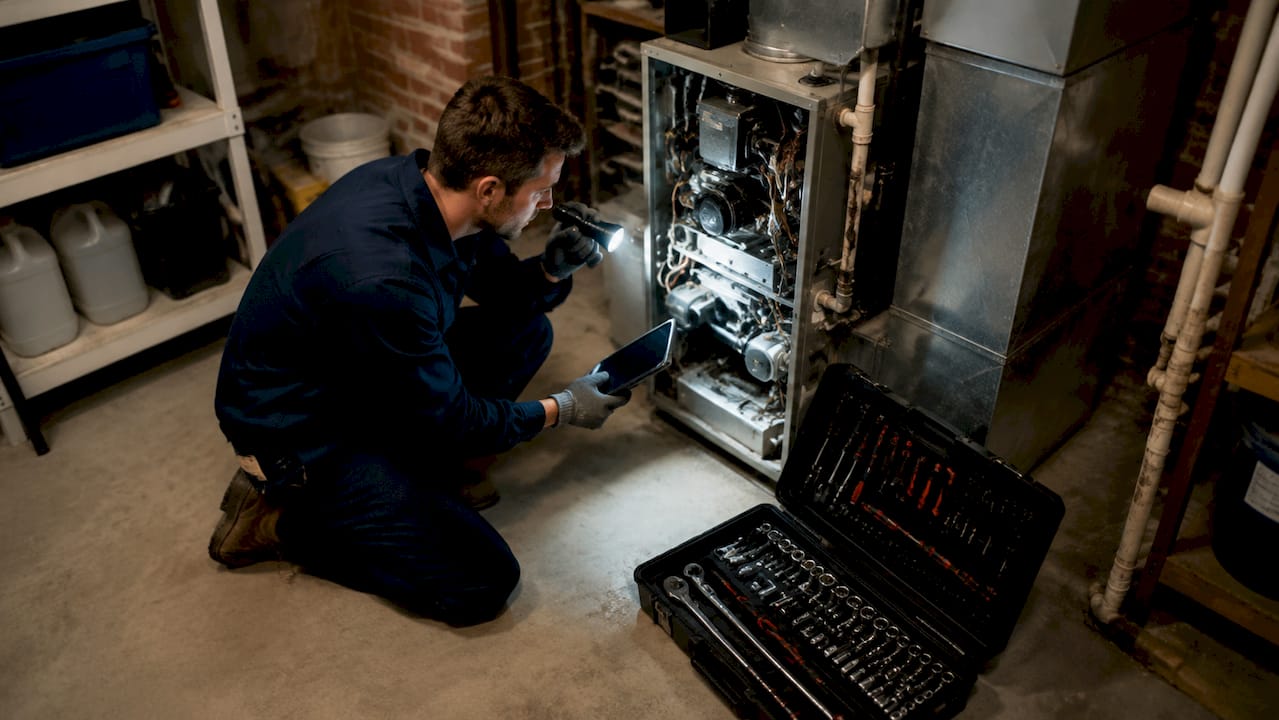
Cost and coverage vary widely across HVAC service agreement types. Knowing what each tier actually includes prevents surprises when you file a service request.
Standard residential maintenance plans cost $150–$300 annually and include two seasonal tune-ups. That price range covers most preventive-only agreements. Full-coverage contracts start at $300 and can exceed $600 per year for larger or multi-zone systems.
| Agreement Type | Typical Annual Cost | Parts Covered | Labor Covered | Emergency Response |
|---|---|---|---|---|
| Preventive maintenance | $150–$300 | No | Yes (tune-ups) | No |
| Labor-only | $100–$200 | No | Yes | Limited |
| Time and materials | Pay per visit | No | Per hour | No |
| Subscription/membership | $228–$348/yr | Discounted | Yes | Priority |
| Full-coverage contract | $300–$600+ | Yes | Yes | Yes |
| Tiered (Gold/Silver/Bronze) | Varies by tier | Varies | Yes | Higher tiers only |
Add-on features worth evaluating include priority dispatch, filter delivery, and waived diagnostic fees. True cost-effectiveness comes from waived diagnostic fees and priority repairs during peak seasons, not just the scheduled tune-ups themselves. A waived $85–$150 diagnostic fee alone can offset the cost of a mid-tier annual plan.
Pro Tip: Ask your contractor to itemize the diagnostic fee waiver and priority dispatch value separately. Those two benefits often exceed the plan’s annual cost in a single peak-season service call.
3. What factors should homeowners and property managers consider?
The right HVAC service agreement depends on four factors: equipment age, risk tolerance, property scale, and contract terms.
- Equipment age and condition directly affect which plans you can access. Older systems may not qualify for comprehensive parts coverage because vendors price based on anticipated failure rates. A 15-year-old furnace will likely be excluded from full-coverage parts protection or priced at a premium.
- Risk tolerance separates the right plan from the wrong one. Homeowners who cannot absorb a $1,500–$3,000 emergency repair bill benefit most from full-coverage or Gold-tier contracts. Homeowners with newer systems and emergency savings can carry more risk with a preventive-only plan.
- Priority service during peak seasons is a practical benefit that many homeowners undervalue. Members often receive same-day resolution instead of waiting 3–5 days during a July heat wave or a January cold snap in Kansas City.
- Multi-unit or multi-system discounts apply when you bundle two or more systems into a single agreement. Second-unit plans typically cost 30–50% less than standalone plans. Property managers with multiple units should always negotiate a bundle rate.
- Contract exclusions matter as much as what is covered. Full-coverage contracts often exclude certain refrigerant components, and those exclusions can mean a significant out-of-pocket cost on a repair you assumed was covered. Read the exclusions section before signing.
Understanding why preventive maintenance matters for your specific system helps you match the right plan to your actual risk profile.
4. How do residential and commercial HVAC agreements differ?
Residential and commercial HVAC service agreements share the same basic structure but differ significantly in scope, performance expectations, and pricing.
Residential contracts focus on scheduled tune-ups, seasonal readiness, and repair response. A typical annual HVAC agreement for a single-family home covers one furnace and one air conditioner with two visits per year. The goal is comfort and reliability for the household.
Commercial HVAC agreements often include performance-based KPIs like uptime targets or energy intensity goals. A commercial contract for an office building or retail space may specify a 99% uptime requirement or a maximum response time of four hours for critical failures. That level of accountability does not appear in residential contracts.
| Feature | Residential Agreement | Commercial Agreement |
|---|---|---|
| Equipment scale | Single system | Multiple units, rooftop systems |
| Visit frequency | 2x per year | Quarterly or monthly |
| Performance KPIs | Rare | Common (uptime, energy goals) |
| Emergency response | Priority dispatch | Contractual SLA with penalties |
| Pricing basis | Flat annual or monthly | Square footage or equipment count |
Property managers overseeing multi-family buildings or commercial spaces should treat HVAC agreements as operational contracts, not just maintenance schedules. Commercial facility managers prioritize system uptime and energy performance metrics in ways that residential homeowners typically do not. That shift in priority changes which contract type delivers the most value.
5. Best practices for negotiating and selecting HVAC service agreements
Getting full value from an HVAC service contract requires more than picking a tier. These practices separate informed buyers from homeowners who overpay or under-protect.
Inspect your equipment before signing a full-coverage contract. A contractor will assess your system’s condition before offering comprehensive parts coverage. If your system has known issues, address them first. Signing a full-coverage plan on a failing compressor rarely ends in your favor.
Negotiate bundle discounts for multiple units. Bundling multiple HVAC units can save 30–50% compared to separate contracts. Most contractors offer this discount but rarely advertise it. Ask directly during the quote process.
Understand the service level agreement (SLA) on emergency response. A plan that promises “priority service” without defining response time is not a guarantee. Ask for a written commitment: same-day, next-day, or within a specific number of hours.
Leverage membership benefits beyond tune-ups. Maintenance agreements deliver real value through waived diagnostic fees and faster technician arrival. Calculate those savings against the annual plan cost before deciding.
Do not treat a maintenance plan as repair insurance. Many homeowners mistakenly view maintenance plans as repair insurance, but they are proactive service schedules. The real value is preventing failures before they happen, not replacing a warranty. For true repair cost protection, a full-coverage contract is the correct product.
Pro Tip: Request a copy of the contractor’s standard exclusions list before your first visit. Reviewing it takes ten minutes and prevents the most common disputes about what a plan actually covers.
Regular HVAC maintenance improves home comfort and reduces utility bills, which makes the plan’s cost easier to justify year over year.
Key takeaways
The most effective HVAC service agreement matches your equipment’s age and condition to the right coverage level, with full-coverage contracts for older systems and preventive plans for newer ones.
| Point | Details |
|---|---|
| Six main agreement types | Options range from T&M pay-per-visit to full-coverage contracts with parts and emergency response. |
| Pricing by coverage level | Preventive plans cost $150–$300 annually; full-coverage contracts run $300–$600 or more. |
| Bundle discounts save money | Multiple units on one agreement typically cost 30–50% less than separate standalone plans. |
| Priority dispatch is undervalued | Members often get same-day service instead of waiting 3–5 days during peak seasons. |
| Read exclusions before signing | Full-coverage contracts often exclude refrigerant components, which affects real repair costs. |
What I’ve learned about HVAC agreements after years in the field
Most homeowners pick a plan based on price alone. That is the wrong starting point. The right question is: what does a single emergency repair cost me without coverage, and how likely is that repair given my system’s age?
A 10-year-old furnace in Kansas City running through a January cold snap is not the same risk profile as a two-year-old system still under manufacturer warranty. Treating them the same way costs money in one direction or the other.
The benefit I see most consistently undervalued is priority dispatch. When temperatures drop below zero and every HVAC contractor in the metro is booked three days out, a membership that guarantees same-day service is worth far more than its annual cost. That is not a marketing claim. It is a practical reality that plays out every winter.
For property managers with multiple units, the bundle discount conversation is the single most overlooked negotiation in the industry. Contractors expect it. Most clients never ask. A 30–50% reduction on a second or third unit adds up fast across a portfolio.
My recommendation: match the contract to the equipment, not to the budget. If the budget does not support a full-coverage plan on an aging system, that is a signal to evaluate whether the system itself is worth keeping. A maintenance agreement on a system near end-of-life is not a financial solution. It is a delay.
— AB
Kcaircontrol’s HVAC service agreement options for Kansas City homeowners
Kcaircontrol has served Kansas City homeowners for over 70 years, and that experience shapes how we build our service agreements. We offer plans designed around your system’s actual condition, not a one-size-fits-all price sheet.
Whether you need a straightforward preventive maintenance plan or a full-coverage contract with priority emergency response, Kcaircontrol matches the agreement to your equipment and your risk tolerance. Our membership holders receive priority scheduling, which matters most when Kansas City summers and winters push every HVAC system to its limit. If your system needs immediate attention, our emergency HVAC repair options are available to restore your home’s comfort fast. Contact Kcaircontrol to review your current system and find the plan that fits.
FAQ
What is an HVAC service agreement?
An HVAC service agreement is a contract between a homeowner and an HVAC contractor that defines scheduled maintenance visits, coverage for parts and labor, and emergency response terms. It is also called an HVAC maintenance agreement or service contract.
How much does a residential HVAC service agreement cost?
Standard residential plans cost $150–$300 annually for preventive maintenance, while full-coverage contracts with parts and emergency response typically run $300–$600 or more per year.
What is the difference between a maintenance plan and a full-coverage contract?
A maintenance plan covers scheduled tune-ups and labor; a full-coverage contract also includes replacement parts and emergency response. Full-coverage plans transfer more repair risk to the contractor.
Are HVAC service agreements worth it for newer systems?
For systems under five years old still under manufacturer warranty, a preventive maintenance or labor-only agreement usually delivers the best value. Full-coverage contracts become more cost-effective as systems age past the warranty period.
Can property managers get discounts for multiple HVAC units?
Yes. Bundling multiple units into a single agreement typically reduces the cost of each additional unit by 30–50% compared to separate standalone contracts. Most contractors offer this discount when asked directly.