
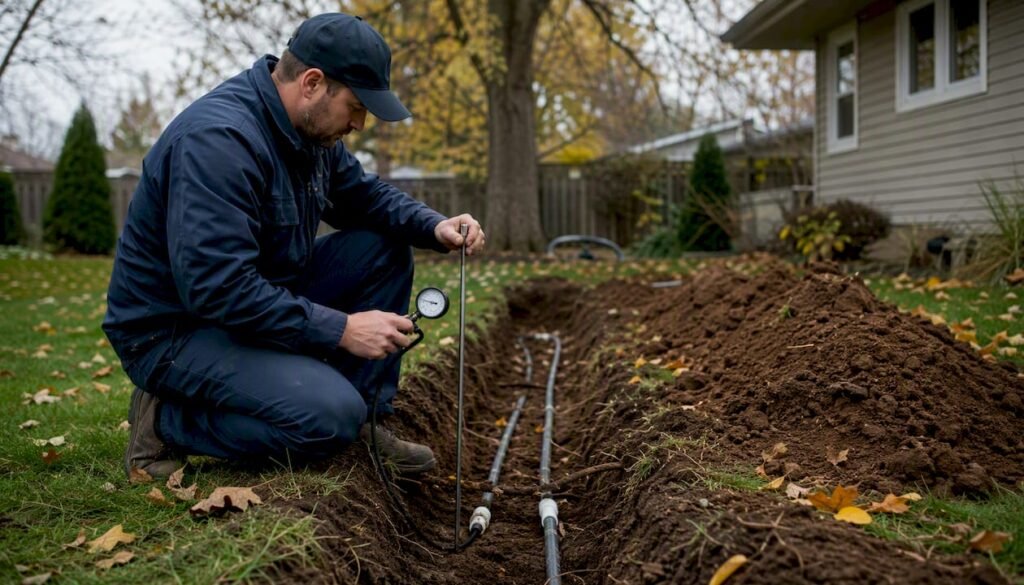
Hire a qualified local installer, get at least three written estimates, and schedule a site feasibility visit before you sign anything. That is the short answer for anyone searching for ground source heat pump installation near me. A professionally installed geothermal heat pump, the industry term for what most homeowners call a ground source system, delivers year-round heating and cooling by moving heat between your home and the earth below, typically at multiple times the efficiency of a conventional furnace and air conditioner combined. The system lasts roughly two decades for the indoor equipment and several decades for the buried loop, making installer quality the single most important variable in your decision.
This week, take these three steps:
- Schedule a site feasibility visit. A qualified installer will assess your lot size, soil conditions, and existing distribution system before quoting anything. Kansas City homeowners can contact Kcaircontrol directly to book that first visit.
- Pull together your last 12 months of utility bills. Installers use this data to size the system correctly alongside a Manual J load calculation.
- Clear yard access. Drilling rigs and trenching equipment need a clear, stable path to your work area. Know where your underground utilities are located before the crew arrives.
Pro Tip: Call 811 before any site visit. The free utility-locate service marks buried gas, electric, and water lines so your installer can plan the loop field safely.
Key Takeaways
Hiring a qualified local installer and requiring a Manual J load calculation plus a written loop design are the two most important steps in a successful geothermal heat pump project.
| Point | Details |
|---|---|
| Require Manual J and loop design | Every written estimate must include a Manual J and a loop design with soil assumptions stated. |
| Verify certifications and insurance | Check IGSHPA certification, state contractor license, and insurance before signing anything. |
| Budget for the full installed cost | Residential geothermal systems typically cost $15,000–$30,000 or more; loop type and drilling depth are the biggest variables. |
| Claim available incentives | The federal Residential Clean Energy Credit covers 30% of qualifying installed costs; check your state and utility for additional rebates. |
| Kcaircontrol for Kansas City | Kcaircontrol handles end-to-end geothermal installation in the Kansas City area, including permitting, commissioning, and financing assistance. |
Table of Contents
- How do you compare local ground-source heat pump installers?
- What is a ground source heat pump and how does it work?
- What does a professional geothermal installation look like step by step?
- What does geothermal installation cost, and what incentives are available?
- How do you choose the right geothermal installer near you?
- What warranties and maintenance does a geothermal system need?
- Why does installer quality determine your system’s real-world performance?
- What should you expect at your first estimate and how do you move forward?
- A local installer’s perspective on what the process actually looks like
- Kcaircontrol serves Kansas City homeowners from feasibility to commissioning
- Sources
How do you compare local ground-source heat pump installers?
Getting three written estimates is only useful if those estimates cover the same scope. Most homeowners discover too late that one quote includes permitting and commissioning while another stops at equipment. Use the table below as a checklist when you request bids.
Mass Save documents that participating contractors must show proof of EPA certification and training to join its Heat Pump Installer Network, yet it still advises customers to evaluate contractors on experience, references, and pricing. Participation in a network is a floor, not a ceiling.
When you review proposals, require these four items in every estimate:
- A completed Manual J load calculation specific to your home
- A written loop design with soil thermal conductivity assumptions stated
- Permitting and utility-locate costs itemized separately
- A commissioning checklist with measurable acceptance criteria
Pro Tip: Weight certifications and loop-design documentation more heavily than brand names when scoring proposals. A well-designed loop on a mid-tier unit outperforms a premium brand on an undersized loop every time.
To verify a contractor’s references, ask for two completed projects in your county from the past two years, then call those homeowners and ask one question: “Did the system hit the efficiency numbers the installer promised?”
What is a ground source heat pump and how does it work?
A ground source heat pump, also called a geothermal heat pump, moves heat between your home and the earth rather than generating it by burning fuel. In winter, fluid circulating through a buried loop absorbs heat stored in the ground and carries it to the heat pump, which concentrates that heat and delivers it to your home’s distribution system. In summer, the process reverses: the system pulls heat from your indoor air and deposits it into the cooler earth below.
The ground loop is the defining feature. Your installer’s choice of loop type depends on your lot, soil, and budget. Read our homeowner’s guide to heat pumps for a deeper look at how heat pump technology compares to conventional systems.
Common loop configurations:
- Horizontal closed-loop: Pipes buried in trenches 4–6 feet deep across a large yard. Lower drilling cost, but requires significant open land.
- Vertical borehole: Pipes inserted into boreholes drilled 150–400 feet deep. Ideal for smaller lots; requires a heavy drilling rig and a stable staging area.
- Pond or lake loop: Coiled pipes sunk to the bottom of an on-site body of water. Low installation cost when a suitable water body is available.
- Open-loop: Groundwater pumped directly through the heat pump and discharged. Highly efficient where water quality and local regulations permit it.
The basic flow looks like this: ground loop fluid absorbs or releases heat in the earth, the heat pump concentrates or disperses that energy, and your home’s forced-air ducts or radiant floor system delivers the conditioned air or water. Understanding heating system controls helps you see how the heat pump integrates with your existing distribution.
Pro Tip: Vertical boreholes require a heavy drilling rig and a stable, flat staging area of roughly 30 by 50 feet. If your yard has steep grades, mature trees near the work zone, or limited street access, tell your installer before the site visit so they can plan equipment access.
| Loop type | Lot requirement | Relative install cost | Best soil/site condition |
|---|---|---|---|
| Horizontal closed-loop | Large open yard | Lower | Soft, easily trenched soil |
| Vertical borehole | Small lot acceptable | Higher | Rocky or limited yard space |
| Pond/lake loop | On-site water body | Lowest | Sufficient depth and acreage |
| Open-loop | Adequate groundwater | Moderate | Good water quality, local permits |
What does a professional geothermal installation look like step by step?
A full residential geothermal installation moves through six distinct phases. Knowing each one helps you hold your installer accountable and spot a proposal that skips critical steps.
- Initial inquiry and utility bill review. The installer reviews your last 12 months of energy use and asks about your existing distribution system (forced air, radiant, or hydronic) to determine whether geothermal is a practical fit.
- Site feasibility and Manual J load calculation. The installer visits your property, evaluates soil conditions and lot access, and completes a Manual J to determine your home’s true heating and cooling load. This step drives every sizing decision that follows. Our guide to HVAC load calculations explains what to expect from this process.
- Loop design and permitting. The installer submits loop field drawings and equipment specifications to your local building department. Permit timelines vary widely by jurisdiction, from one week to six weeks in some Kansas City suburbs.
- Loop installation. Trenching crews or drilling rigs install the ground loop. Physical loop work typically takes a few days once the site is prepped and permits are in hand, though complex vertical borehole projects on tight lots can run longer.
- Indoor equipment installation. The heat pump unit, air handler or hydronic distribution components, and controls are installed and connected to the loop.
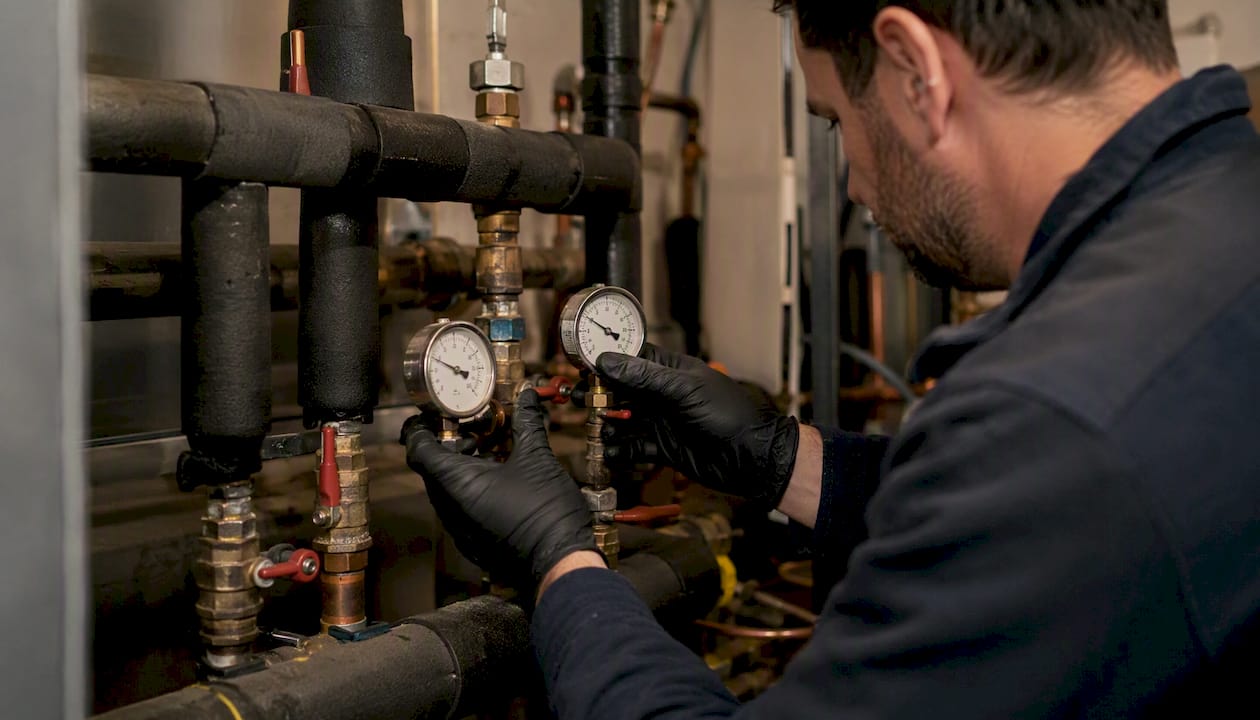
- System commissioning and final paperwork. The installer measures loop pressure, entering and leaving fluid temperatures, and airflow or hydronic delivery against the design targets. You receive a written commissioning report before final payment.
Common causes of project delays:
- Permit review backlogs at the local building department
- Drilling rig scheduling during peak spring and fall seasons
- Unexpected rock formations requiring borehole redesign
- Distribution system upgrades needed before the heat pump can operate correctly
Pro Tip: Ask your installer for the permit application number before work begins. You can track its status directly with your local building department and catch delays before they push your project back by weeks.
What does geothermal installation cost, and what incentives are available?
Residential geothermal heat pump systems carry higher upfront costs than conventional HVAC, but lower operating costs and a long system life change the math over time. Installed costs for a typical U.S. home generally fall within a broad range depending on loop type, drilling depth, home size, and whether your distribution system needs upgrades. Vertical borehole systems typically cost more than horizontal trenched systems because drilling is generally more expensive than trenching.
Primary cost drivers:
- Loop type and depth: Vertical boreholes in hard rock cost significantly more than horizontal trenches in soft soil.
- Home size and load: A larger Manual J load requires more loop footage and a larger heat pump unit.
- Distribution system changes: Homes with existing forced-air ductwork are typically easier to adapt than those requiring new radiant or hydronic systems.
- Local permitting and inspection fees: These vary by county and municipality.
Federal tax credit: The Residential Clean Energy Credit currently allows homeowners to claim a significant portion of the installed cost of a qualifying geothermal heat pump system as a federal income tax credit. Verify current eligibility rules and income limits with IRS guidance or a qualified tax professional before signing a contract, as rates and terms are subject to legislative change.
Many states and utilities offer additional rebates on top of the federal credit. Mass Save in Massachusetts is one of the most structured examples: its installer network connects homeowners with rebate-eligible contractors who have met minimum training and insurance requirements. Check your own state’s energy office and local utility for equivalent programs. Your installer should be able to identify which rebates apply to your project and assist with the paperwork.
Financing options to discuss with your installer:
- Unsecured home improvement loans: Fast approval, no equity required, but typically higher interest rates.
- PACE financing (Property Assessed Clean Energy): Repaid through your property tax bill; availability varies by state and municipality.
- Manufacturer or dealer financing: WaterFurnace and ClimateMaster both offer financing programs through their dealer networks; terms vary.
- Home equity loan or HELOC: Lower interest rates when home equity is available.
Pro Tip: When comparing financing offers, calculate the total cost of ownership over 10 years, not just the monthly payment. A lower monthly payment on a longer loan term can cost more than a shorter loan at a slightly higher rate.
How do you choose the right geothermal installer near you?
The installer you hire matters more than the brand of equipment they install. ACCA stresses that precise Manual J load calculations and site-specific loop design, including accounting for soil thermal conductivity, are critical to a successful ground-source heat pump installation. A great unit on a poorly designed loop will underperform for its entire service life.
Evaluate every candidate on these criteria:
- IGSHPA certification. The International Ground Source Heat Pump Association certifies installers in ground-source system design and installation. Ask for the certification number and verify it on the IGSHPA website.
- NATE certification. North American Technician Excellence certification confirms HVAC competency beyond geothermal-specific training.
- State contractor license and insurance. Request the license number and verify it with your state contractor licensing board. Ask for a certificate of general liability and workers’ compensation insurance naming your address.
- Demonstrated loop expertise. Ask how many vertical borehole or horizontal trench systems the installer has completed in your county in the past three years.
- Written scope with Manual J and loop sizing. Any proposal missing these two documents is incomplete.
- Warranty and commissioning terms. Confirm what is covered, for how long, and what the commissioning handover includes.
Questions to ask on your first call:
- “Do you perform the Manual J in-house or subcontract it?”
- “Who drills the boreholes, and are they licensed in Missouri or Kansas?”
- “Can you provide two references from completed geothermal projects in my zip code?”
- “What does your commissioning report include, and do I receive a copy?”
- “Which rebate programs do you participate in, and do you assist with the paperwork?”
Red flags that should stop a conversation:
- No Manual J offered or “we size by rule of thumb”
- Vague loop specs (“we’ll figure out the loop once we start”)
- Unwillingness to provide references or proof of insurance
- No written commissioning checklist in the proposal
- Pressure to sign before a site visit is completed
What warranties and maintenance does a geothermal system need?
A geothermal system involves three separate warranty layers, and you should have all three in writing before you pay the final invoice.
The three warranties to secure:
- Manufacturer unit warranty: WaterFurnace, ClimateMaster, and Bosch each offer equipment warranties on their heat pump units. Terms vary by model and registration requirements, so confirm the registration deadline with your installer.
- Loop and groundwork warranty: The buried loop field should carry a separate warranty, typically 25–50 years on the pipe itself. Confirm whether the drilling or trenching subcontractor’s work is covered under the installer’s warranty or separately.
- Workmanship warranty: Your installing contractor should warrant their own labor and connections for a minimum of one year, with reputable contractors offering two to five years.
Recommended annual maintenance tasks:
- Inspect and clean the air filter or coil (every 1–3 months during heavy use)
- Check loop fluid pressure and top off if needed
- Verify entering and leaving fluid temperatures against commissioning baseline
- Inspect electrical connections and controls
- Check condensate drain and pan
- Review thermostat and smart control settings for the coming season
Annual professional maintenance for a geothermal system typically runs in the same range as conventional HVAC service, though loop pressure checks add a step not present in standard furnace tune-ups. Our HVAC maintenance guide covers the broader seasonal checklist that applies to geothermal systems as well.
Pro Tip: Keep your original commissioning report in a dedicated home file alongside your warranty documents. When a technician visits for annual service, they compare current loop pressure and fluid temperatures against those baseline numbers. Without the baseline, deviations go undetected.
Why does installer quality determine your system’s real-world performance?
The brand name on the heat pump unit is a secondary factor. ACCA guidance is direct: installer and system design quality are the biggest determinants of real-world geothermal performance. A system that is oversized runs short cycles, loses efficiency, and struggles with humidity control. One that is undersized leaves rooms cold in January. Both failures trace back to the same root cause: a Manual J that was skipped or done carelessly, and a loop field sized by guesswork rather than soil thermal conductivity data.
What a professional commissioning report should document:
Loop pressure at design flow rate, entering and leaving fluid temperatures under load, measured airflow or hydronic delivery against design targets, refrigerant charge verification, and thermostat and controls calibration. If your installer cannot hand you a report with these measurements at project closeout, the commissioning was not completed.
A thorough site feasibility visit from a qualified installer covers more than a yard walkthrough. It includes reviewing your existing ductwork or hydronic system for compatibility, identifying underground utility conflicts, assessing soil conditions for loop sizing, and confirming drilling or trenching access. The HVAC trends shaping Kansas City homes in 2026 include tighter integration between geothermal systems and smart controls, which makes distribution compatibility an increasingly important feasibility question.
What to require in your contract before work begins:
- Signed Manual J results with your home’s specific inputs
- Loop field design drawing with soil thermal conductivity assumptions
- Permitting responsibility assigned to the installer
- Commissioning checklist with measurable acceptance criteria
- Written warranty terms for unit, loop, and workmanship
Pro Tip: Request that commissioning measurements be taken at both heating and cooling mode during startup. A system commissioned only in one mode may have undetected issues in the other.
What should you expect at your first estimate and how do you move forward?
Your first estimate visit is also a feasibility screening. Come prepared, and you will get a more accurate proposal.
What to have ready for the installer:
- Last 12 months of gas and electric utility bills
- House floor plans or square footage by floor and zone
- Age and condition of your existing distribution system (ducts, radiant, hydronic)
- Any known soil or drainage issues on your property
- Preferred timeline and budget range
How to compare written estimates quickly:
- Confirm each proposal includes a Manual J with your home’s specific inputs, not a generic rule-of-thumb sizing.
- Check that loop design is specified by type, depth or length, and pipe diameter, not just “ground loop included.”
- Verify permitting is included in the price and assigned to the contractor, not left to you.
- Compare commissioning terms: does each proposal define what measurements will be taken and what constitutes a passing result?
- Review warranty terms side by side: unit, loop, and workmanship, with coverage periods clearly stated.
- Check timeline: when does each installer estimate permit approval, loop installation start, and commissioning completion?
Immediate next actions:
- Schedule feasibility visits with your top two or three candidates within the next two weeks.
- Ask each installer for two local references from completed geothermal projects and call them before you decide.
- Request written warranty terms with your written estimate, not after you sign.
- Confirm which rebate programs each installer participates in and whether they handle the application on your behalf.
A useful model for what a thorough installer evaluation looks like in practice comes from this curated installer guide, which demonstrates how local listings present territory coverage, typical services, and what homeowners should request from initial estimates and site visits. The evaluation criteria translate directly to the U.S. market.
A local installer’s perspective on what the process actually looks like
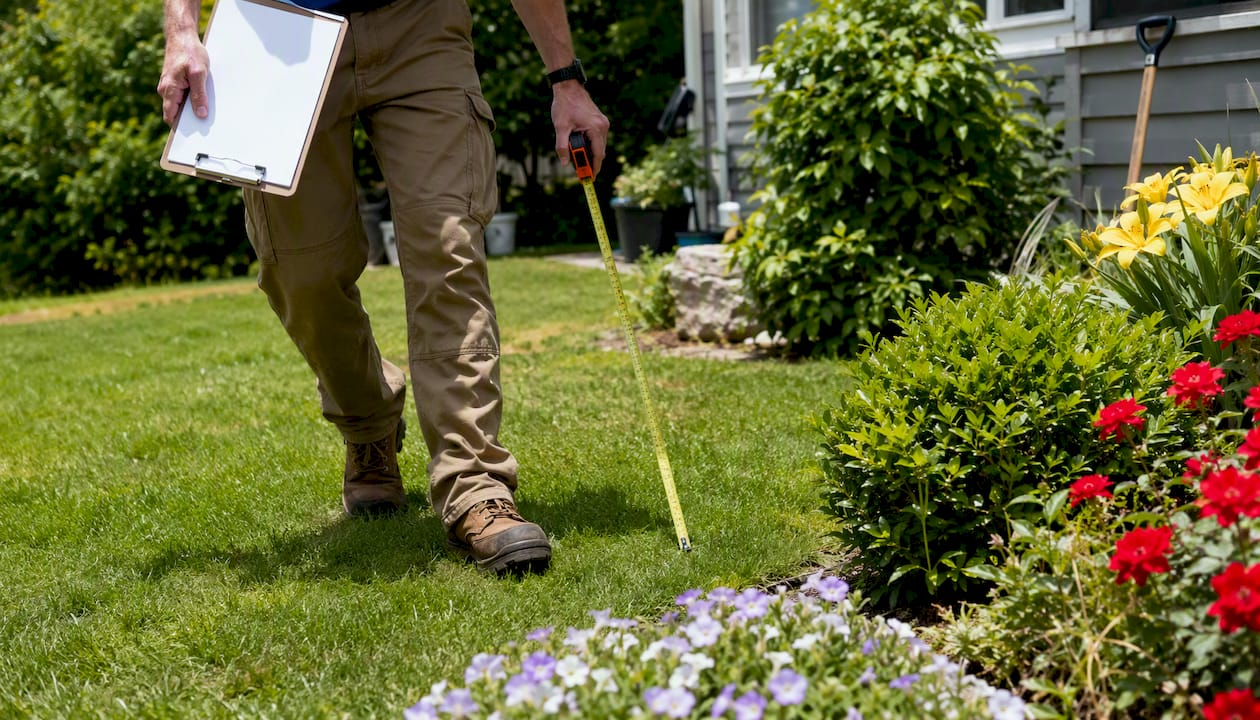
At Kcaircontrol, we have been serving Kansas City homeowners for over 70 years, and geothermal feasibility visits follow a consistent pattern regardless of neighborhood. We start by walking the property with the homeowner, mapping the yard for loop field access, noting any grade changes, mature trees, or outbuildings that affect trenching or drilling routes. Then we pull up the utility bills together and walk through what the Manual J will show before we run the numbers formally.
Kansas City properties present a specific set of access considerations. Many homes in Johnson County and the Northland have finished basements with mechanical rooms that are easy to work with, but lot sizes vary considerably, and some older neighborhoods have utility easements that limit horizontal trench routes. In those cases, vertical boreholes become the practical answer, which changes the cost conversation. We tell homeowners that upfront rather than after the permit is filed.
Transparent communication at every phase, from feasibility through commissioning, is how we protect both the homeowner’s investment and our own workmanship warranty. When we hand over a commissioning report with measured loop pressures and entering and leaving temperatures, you have documented proof that the system was installed to design. That document is yours to keep.
Kcaircontrol serves Kansas City homeowners from feasibility to commissioning
Kcaircontrol brings over 70 years of local HVAC experience to every geothermal project in the Kansas City area. Where other routes leave you coordinating between a drilling subcontractor, an equipment dealer, and a separate service company, Kcaircontrol manages the full project: site feasibility, Manual J, permitting, loop installation, equipment installation, commissioning, and ongoing maintenance.

Flexible financing options are available, and our team actively assists with federal tax credit documentation and local rebate applications so you capture every dollar available to you. We also offer service and maintenance plans that keep your system performing to its commissioning baseline year after year.
Before you sign any contract, request a written scope that includes Manual J results, loop design specifications, and a commissioning checklist. That is the standard we hold ourselves to, and it is the standard you should expect from any installer you hire.
Ready to schedule your feasibility visit? Contact Kcaircontrol to book your on-site assessment and get a written estimate that covers every phase from loop design to commissioning.
Sources
Use these resources when vetting installers and verifying incentives before committing to a project.
Industry certifying bodies and standards
- ACCA
- Mass Save — Heat Pump Installer Network
- Best Ground Source Heat Pump Installers in London (2026)
Rebate programs and federal incentives:
Further reading for homeowners who want the technical details:
This article is general information, not a substitute for advice from a qualified financial advisor. Consult a qualified financial professional about your own circumstances before acting on anything here.