
TL;DR:
- A heat pump moves existing heat from outside to inside a home, providing efficient heating and cooling. It operates year-round by reversing refrigerant flow, even in cold weather, and is more energy-efficient than traditional systems. Installation costs typically exceed $10,000 but are offset over time by energy savings and government rebates.
A heat pump is defined as an electric device that moves heat from one place to another rather than generating heat through combustion. That single distinction makes it fundamentally different from a furnace or a boiler. The U.S. Department of Energy recognizes heat pumps as one of the most efficient ways to heat and cool a home because they transfer existing thermal energy instead of burning fuel to create it. One system handles both heating in winter and cooling in summer, which means you replace your furnace and air conditioner with a single unit. For homeowners and renters in Kansas City and across the country, understanding what a heat pump is and how it works is the first step toward making a confident decision about home comfort.
What is a heat pump and how does it work?
A heat pump works by circulating refrigerant through a closed loop to absorb heat from one location and release it in another. The refrigeration cycle is the same basic process your kitchen refrigerator uses, just applied to your entire home. In winter, the system pulls heat from outdoor air and moves it inside. In summer, it reverses and pulls heat from inside your home and releases it outdoors.
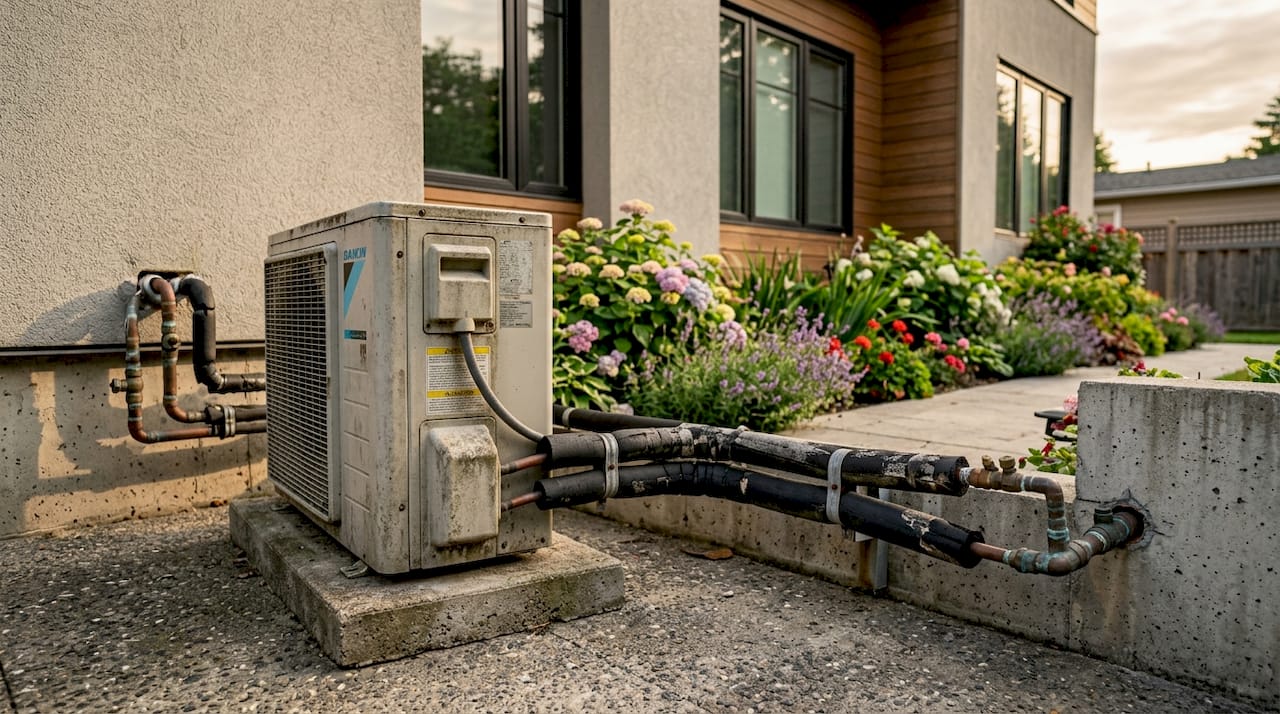
The key component that makes this reversal possible is the reversing valve. This valve switches between heating and cooling modes by changing the direction refrigerant flows through the system. Without it, a heat pump would only work in one season.
Here is a step-by-step look at how the heating cycle works:
- Evaporation: Refrigerant absorbs heat from outdoor air, even in cold weather, and turns into a gas.
- Compression: A compressor pressurizes the gas, raising its temperature significantly.
- Condensation: The hot gas releases its heat into your home through an indoor coil, then turns back into a liquid.
- Expansion: The refrigerant passes through an expansion valve, cools down, and the cycle repeats.
One common misconception is that heat pumps stop working when temperatures drop below freezing. Modern systems extract heat in freezing temperatures, maintaining effective heating well below zero degrees. That makes them a practical option even in colder climates.
Pro Tip: Set your thermostat to a consistent temperature rather than adjusting it frequently. Heat pumps are most efficient when they maintain a steady indoor temperature rather than recovering from large swings.
What are the main types of heat pumps?
Heat pump technology comes in three primary configurations. Each type suits a different home setup, budget, and climate.
Air-source heat pumps are the most common choice for residential homes. They pull heat from outdoor air and are the most affordable to install. Modern air-source models also improve indoor comfort through better dehumidification than standard air conditioners during summer months.
Ground-source heat pumps, also called geothermal heat pumps, extract heat from the ground rather than the air. Soil temperature stays relatively stable year-round, which makes these systems highly efficient. The tradeoff is a higher upfront cost and the need for ground excavation or drilling during installation.
Water-source heat pumps draw heat from a nearby body of water such as a pond or well. They are less common in residential settings because they require reliable access to a water source.
| Type | Heat Source | Efficiency | Upfront Cost |
|---|---|---|---|
| Air-source | Outdoor air | High | Moderate |
| Ground-source (geothermal) | Ground/soil | Very high | High |
| Water-source | Pond or well | High | Varies |
| Absorption | Gas or solar thermal | Moderate | High |
A fourth option, the absorption heat pump, uses thermal energy from natural gas or solar heat instead of electricity. These are less common in standard homes but are growing in interest as energy costs rise.
For most homeowners, an air-source heat pump offers the best balance of performance and cost. Ground-source systems make sense when you plan to stay in your home long-term and want the lowest possible operating costs.
Are heat pumps efficient, and what do they cost?
Heat pumps are among the most efficient heating and cooling systems available for residential use. Modern heat pumps reduce heating energy use by up to 75% compared to electric resistance heaters. That is a substantial reduction in energy consumption that shows up directly on your monthly utility bill.
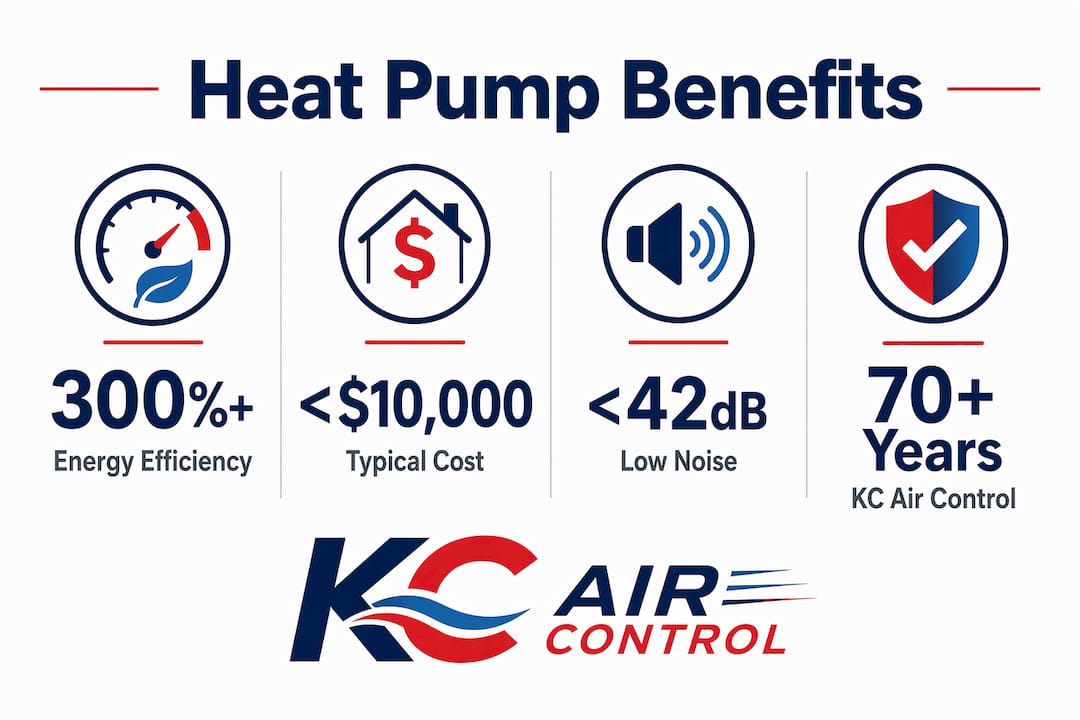
The efficiency advantage comes from the physics of heat transfer. A heat pump delivers about 3 units of heating for every 1 unit of electricity it consumes. A standard electric resistance heater delivers exactly 1 unit of heat per unit of electricity. That 3:1 ratio is why heat pumps consistently outperform traditional electric heating on energy costs.
Noise is another practical consideration. New heat pump models operate below 42dB, which is comparable to a kitchen refrigerator. Older models had noise issues that required planning permission in some areas, but current designs meet strict residential noise standards.
On the cost side, installing a full residential heat pump system can exceed $10,000 in upfront costs. That figure includes equipment, labor, and any modifications to existing ductwork or electrical systems. Federal tax credits and utility rebates are available in many areas and can meaningfully offset that initial investment.
| Cost Factor | Typical Range |
|---|---|
| Equipment and installation | Exceeds $10,000 |
| Federal tax credit (IRA) | Up to 30% of cost |
| Annual operating savings | Varies by climate and usage |
| System lifespan | 15–20 years |
Pro Tip: Check the ENERGY STAR database and your local utility’s rebate portal before signing any installation contract. Stacking a federal tax credit with a utility rebate can reduce your net cost significantly.
What should you consider before installing a heat pump?
The decision to install a heat pump involves more than picking a model. Several practical factors determine whether a system will perform well in your specific home.
- Climate suitability: Heat pumps work in cold climates, but performance varies by model. Look for systems rated for low-temperature operation if you live in an area with harsh winters.
- Home insulation: A poorly insulated home forces any heating system to work harder. Sealing air leaks and upgrading insulation before installation improves efficiency and comfort.
- Existing HVAC compatibility: Many homes can use existing ductwork with a new heat pump. Homes without ducts may need a ductless mini-split system instead.
- Outdoor unit space: Air-source systems require an outdoor unit with adequate clearance for airflow. Placement affects both performance and noise levels.
- Electrical capacity: Heat pumps require a dedicated electrical circuit. Older homes may need a panel upgrade before installation.
Professional assessment is not optional. A licensed HVAC technician evaluates your home’s load requirements, duct condition, and electrical setup before recommending a system. Skipping this step leads to undersized or oversized equipment, both of which reduce efficiency and shorten system life.
Ongoing HVAC maintenance is also part of the equation. Heat pumps need filter changes, coil cleaning, and annual inspections to maintain peak performance. Homeowners who follow a seasonal maintenance schedule consistently see lower operating costs and fewer repair calls over the life of the system.
Key Takeaways
A heat pump is the most energy-efficient way to heat and cool a home because it moves existing heat rather than generating it, delivering up to 3 units of output for every 1 unit of electricity consumed.
| Point | Details |
|---|---|
| Core definition | A heat pump moves heat using electricity, replacing both a furnace and an air conditioner. |
| Efficiency advantage | Heat pumps deliver a 3:1 output-to-input ratio, cutting heating energy use by up to 75%. |
| Types available | Air-source, ground-source, and water-source systems suit different budgets and home setups. |
| Upfront cost | Installation often exceeds $10,000, but federal tax credits and rebates reduce the net cost. |
| Cold-weather performance | Modern heat pumps extract heat below freezing, making them viable in most U.S. climates. |
Why heat pumps are worth taking seriously right now
After years of working alongside homeowners on HVAC decisions, I have noticed one consistent pattern: people underestimate heat pumps because they do not fully understand what they are replacing. A furnace burns fuel to create heat. A heat pump simply moves heat that already exists in the air or ground. That distinction sounds small, but it changes everything about operating costs and environmental impact.
The misconception I hear most often is that heat pumps cannot handle cold winters. That was true of older technology. Current models are engineered specifically for low-temperature performance, and they hold up well in climates far colder than Kansas City. The homeowners I see hesitate the longest are often the ones who would benefit most from switching.
The financial case has also gotten stronger. Federal incentives through the Inflation Reduction Act make 2026 one of the better years to act on a heat pump installation. Pairing those credits with lower monthly energy bills creates a payback period that is shorter than most homeowners expect. My honest view: if you are already replacing an aging furnace or air conditioner, a heat pump deserves a serious look before you default to a like-for-like replacement.
— AB
Kcaircontrol is ready to help with your heat pump questions
Kcaircontrol has served Kansas City homeowners for over 70 years, and heat pump systems are a core part of what we do. Whether you are weighing your first installation or need a professional assessment of your current setup, our team brings the experience to get it right the first time.

We handle the full process from system selection and installation to ongoing maintenance and repairs. If your heat pump or any other part of your HVAC system needs attention, our emergency HVAC repair team is available when you need us most. Contact Kcaircontrol today to schedule a consultation and find out which system fits your home and budget.
FAQ
What is a heat pump in simple terms?
A heat pump is an electric device that moves heat from outside your home to inside it in winter, and reverses the process in summer for cooling. It replaces both a furnace and an air conditioner with one system.
How does a heat pump differ from a furnace?
A furnace burns fuel to generate heat, while a heat pump transfers existing heat using electricity. Heat pumps are significantly more energy-efficient because they move heat rather than create it.
Do heat pumps work in cold climates?
Modern heat pumps extract heat below freezing temperatures and maintain effective heating in very cold weather. Performance varies by model, so choosing a system rated for low-temperature operation matters in colder regions.
How loud is a heat pump?
Current heat pump models operate below 42dB, which is roughly the noise level of a kitchen refrigerator. Modern designs meet strict residential noise standards and are quieter than older systems.
Are heat pumps expensive to install?
Full residential installation often exceeds $10,000, but federal tax credits and utility rebates are available to offset the upfront cost. Long-term energy savings typically make the investment worthwhile over the system’s lifespan.
Recommended
- What Is HVAC and Why Home Comfort Depends on It – Air Control
- Common Heating System Problems: A Homeowner’s Guide
- How to Choose a Heating System for Your Home – KC Air Control Heating & Cooling – Expert HVAC Services – Kansas City, MO
- What Is a Humidifier for HVAC? A Homeowner’s Guide – KC Air Control – Heating & Cooling