

TL;DR:
- Preventive maintenance involves scheduled HVAC service that extends system lifespan and maintains efficiency. It saves homeowners 12 to 18% annually and prevents costly emergency repairs caused by neglected equipment. Regular, documented upkeep reduces downtime, enhances reliability, and protects warranty rights.
Preventive maintenance is defined as scheduled service performed on HVAC equipment before failure occurs, with the goal of preserving efficiency and extending system life. The US Department of Energy’s Federal Energy Management Program identifies regular HVAC servicing as one of the highest-return investments a property owner can make. Reactive maintenance costs 3 to 5 times more than preventive care when you factor in emergency labor, expedited parts, and collateral damage. For homeowners and landlords in Kansas City and beyond, understanding why preventive maintenance matters is the difference between a reliable, efficient system and a string of expensive surprises.
Why preventive maintenance matters for your wallet
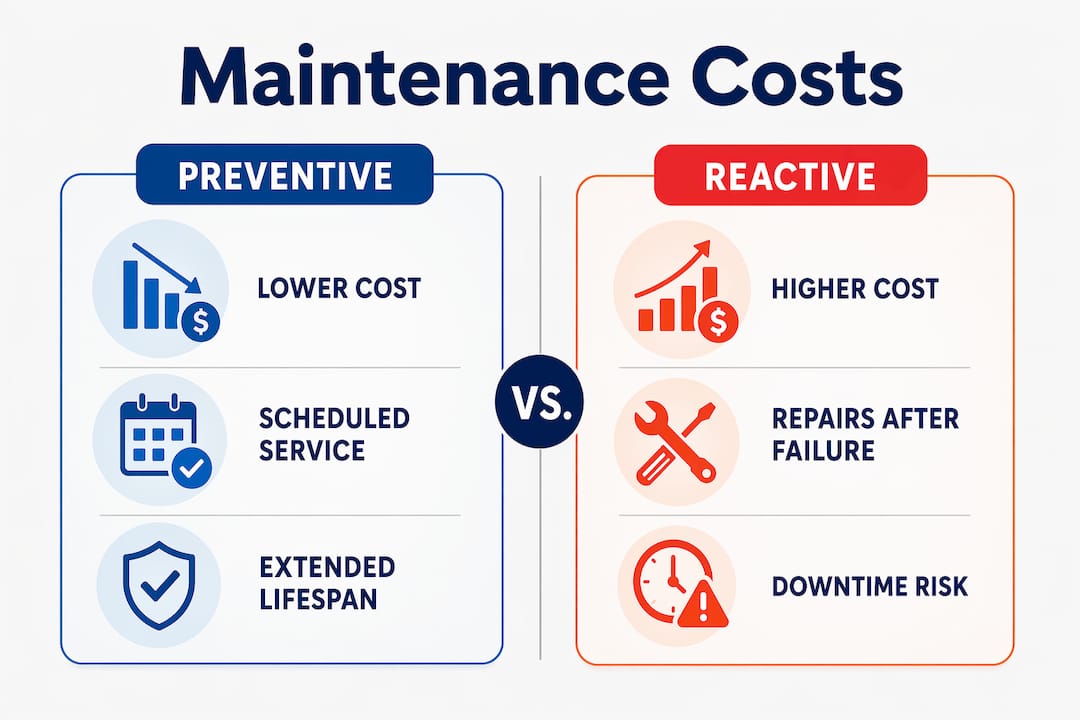
The cost argument for preventive maintenance is straightforward. Preventive programs deliver 12 to 18% savings annually compared to reactive-only approaches. That means a homeowner spending $300 per year on scheduled tune-ups can realistically avoid $1,500 or more in emergency repair bills.
The hidden costs of reactive maintenance are what most people miss. The most expensive costs come from downtime and secondary damage, not the repair invoice itself. A failed compressor caused by a dirty condenser coil does not just cost you the compressor. It can damage the refrigerant lines, the blower motor, and the electrical controls in a single failure event.
Pro Tip: Keep a simple log of every service visit, filter change, and repair. This record protects your warranty and gives any technician a clear picture of your system’s history before they touch a single component.
The table below shows the real difference between the two approaches:
| Category | Preventive maintenance | Reactive maintenance |
|---|---|---|
| Average annual cost | Lower, predictable budget | Higher, unpredictable spikes |
| Labor rates | Standard scheduled rates | Emergency premium rates |
| Parts availability | Ordered in advance | Expedited shipping costs |
| Secondary damage risk | Minimal | High, cascading failures |
| System downtime | Rare, brief | Frequent, extended |
The numbers make a clear case. Reactive maintenance feels cheaper because you only pay when something breaks. The reality is that each breakdown carries a multiplier effect on cost that scheduled service simply does not.
How does preventive maintenance improve HVAC efficiency and lifespan?
Structured preventive maintenance programs extend equipment lifespan by 20% to 40%. For an HVAC system with a typical lifespan of 15 to 20 years, that translates to 3 to 8 additional years of reliable service before replacement. That is a significant return on a modest annual investment.
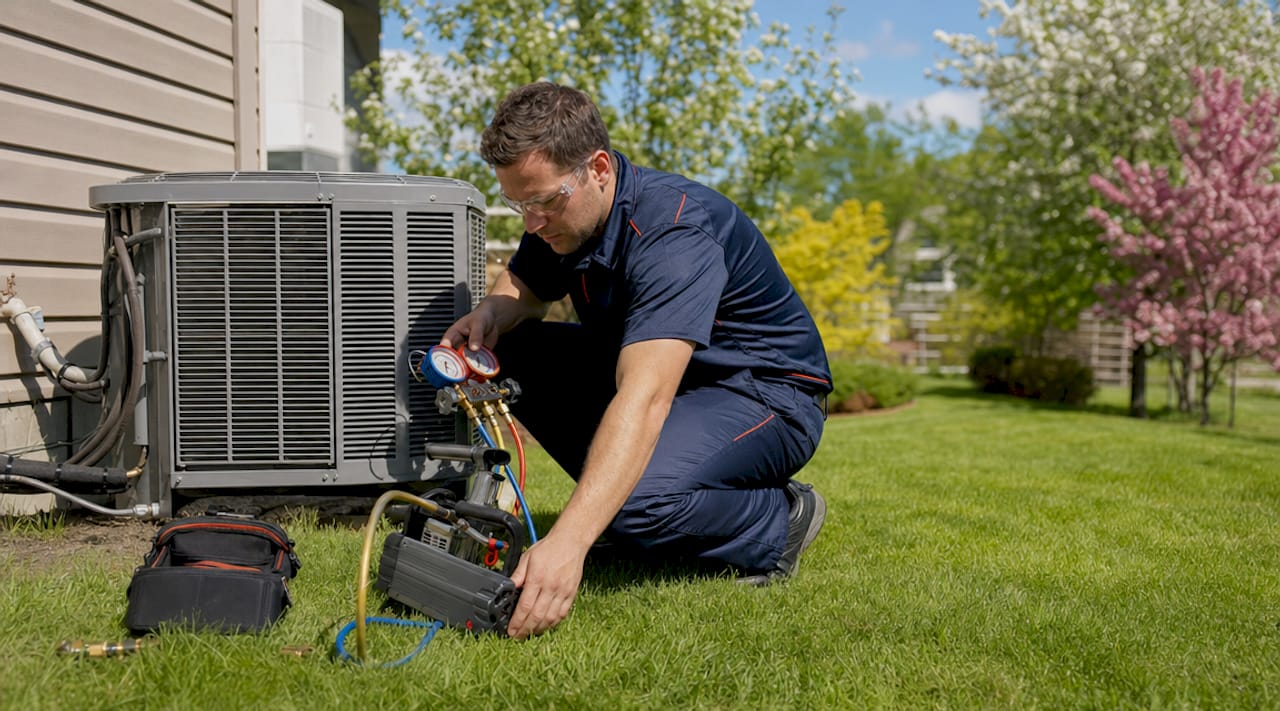
The efficiency gains are equally real. A dirty air filter forces your blower motor to work harder, raising energy consumption without improving comfort. A coil coated in dust and debris loses its ability to transfer heat efficiently, pushing your system to run longer cycles to reach the same temperature. These are not theoretical problems. They show up directly on your monthly utility bill.
Preventive maintenance reduces unplanned downtime by 25% to 50%, which matters most during Kansas City’s peak summer heat and winter cold. A system that fails on the hottest day of July is not just uncomfortable. It can be a health risk for elderly residents, young children, and pets. Facilities with structured PM programs experience 44% fewer unplanned downtime events on average, a figure that reflects consistent, documented servicing rather than occasional attention.
Common HVAC preventive maintenance tasks that directly affect efficiency and longevity include:
- Air filter replacement every 1 to 3 months, depending on household dust levels and pet ownership
- Condenser and evaporator coil cleaning at least once per year to maintain heat transfer efficiency
- Refrigerant level checks to confirm the system is operating within manufacturer specifications
- Blower motor lubrication and belt inspection to reduce mechanical wear
- Thermostat calibration to confirm the system responds accurately to temperature settings
- Drain line flushing to prevent moisture buildup and mold growth inside the air handler
Seasonal HVAC maintenance tailored to home use patterns enhances energy savings and system reliability beyond what a single annual visit can achieve. Splitting your maintenance into a spring cooling check and a fall heating check aligns service with the demands your system faces each season.
Pro Tip: Schedule your spring AC tune-up in March or April, before the first heat wave hits. Technician availability is higher, wait times are shorter, and you avoid the rush that comes when everyone’s system fails at once in June.
Common misconceptions about preventive HVAC maintenance
Many homeowners treat preventive maintenance as a simple checklist to tick off once a year. Treating PM as a static, compliance-only activity rather than a dynamic reliability strategy leads to over-maintaining non-critical components while under-maintaining the ones that actually affect comfort and cost. Here are the most common mistakes to avoid:
-
Assuming manufacturer schedules are always right. Manufacturer maintenance intervals are set for average operating conditions. A home with three pets, a dusty basement, or a system running 12 hours a day needs more frequent attention than the manual suggests. Maintenance experts recommend annual review of PM schedules to fit specific operating conditions.
-
Over-servicing low-risk components. Replacing filters weekly or cleaning coils every month does not improve performance and can introduce new problems. Excessive handling of refrigerant connections, for example, increases the risk of small leaks. This is what reliability engineers call iatrogenic maintenance: damage caused by the maintenance itself.
-
Skipping documentation. Without documented service records, warranties may be voided and repair leverage lost. If a compressor fails at year 7 of a 10-year warranty, your claim depends on proving the system was properly maintained. A folder of service receipts is your evidence.
-
Confusing preventive maintenance with predictive maintenance. Preventive maintenance follows a fixed schedule. Predictive maintenance uses sensor data and performance monitoring to service equipment only when indicators suggest it is needed. For most homeowners, preventive maintenance is the practical and cost-effective choice. Predictive tools like smart thermostats from Ecobee or Nest can add a layer of monitoring without requiring full predictive infrastructure.
-
Treating all HVAC components as equally critical. Your compressor and heat exchanger are far more critical than your return air grille. Prioritizing maintenance based on asset criticality ensures your time and money go toward the components that most affect comfort and energy bills.
How to implement preventive maintenance as a homeowner or landlord
A practical preventive maintenance plan does not require expensive software or a facilities management team. It requires consistency, documentation, and the right professional support at the right intervals.
Start with a written schedule. Divide your tasks into monthly, seasonal, and annual categories. Monthly tasks include filter checks and visual inspections of the outdoor unit. Seasonal tasks include coil cleaning, drain line flushing, and refrigerant checks. Annual tasks include a full professional tune-up covering all mechanical and electrical components.
For landlords managing multiple properties, a landlord HVAC maintenance checklist standardizes your approach across units and creates the documentation trail that protects you in tenant disputes and warranty claims. Properly maintained systems provide documented reliability that is attractive to tenants and buyers alike, which directly supports property value.
Here is a practical comparison of maintenance approaches for homeowners versus landlords:
| Consideration | Homeowner | Landlord |
|---|---|---|
| Maintenance frequency | Seasonal plus annual tune-up | Same, multiplied per unit |
| Documentation need | Warranty protection | Tenant disputes and compliance |
| Priority components | Comfort and energy bills | Reliability and liability reduction |
| Professional visits | Once or twice per year | At least once per year per unit |
| Tracking method | Paper log or phone app | Digital log or property management software |
Digital tracking tools make consistency easier. Apps like Centriq or HomeZada let you log service dates, upload receipts, and set reminders for upcoming tasks. For landlords, property management platforms like Buildium include maintenance tracking features that connect directly to tenant communication.
PM compliance targets above 90 to 95% are needed for the program to be effective. Missing or delaying scheduled service increases failure risk in a measurable way. Set calendar reminders, use a service contract with a trusted HVAC provider, or both. The goal is to make maintenance automatic rather than reactive.
Regular HVAC maintenance also supports indoor air quality, which affects tenant health and satisfaction in rental properties. Clean coils, clear drain lines, and fresh filters reduce mold spores, dust, and allergens circulating through the home.
Key takeaways
Preventive maintenance is the single most cost-effective strategy for extending HVAC lifespan, reducing energy costs, and avoiding the multiplied expense of emergency repairs.
| Point | Details |
|---|---|
| Cost advantage is real | Preventive programs save 12 to 18% annually compared to reactive-only maintenance approaches. |
| Lifespan extends significantly | Structured maintenance can add 20 to 40% more years to your HVAC system’s service life. |
| Documentation protects you | Service records preserve warranty rights and provide leverage in repair or tenant disputes. |
| Schedules need regular review | Manufacturer defaults do not account for your home’s specific usage patterns and conditions. |
| Seasonal timing matters | Splitting maintenance into spring and fall visits aligns service with peak system demand. |
What I’ve learned from watching homeowners skip this step
After years of observing how homeowners and landlords handle HVAC care, one pattern stands out clearly. The people who resist preventive maintenance almost always cite the upfront cost. They see a $150 tune-up as optional spending. Then they spend $2,800 on a compressor replacement two summers later and wonder what happened.
The uncomfortable truth is that the biggest barrier to preventive maintenance is the invisibility of reactive costs until a failure occurs. You cannot see the money you saved by cleaning a coil before it caused a compressor to overheat. You only see the bill when you did not.
For landlords, the stakes are even higher. A failed HVAC system in a rental unit creates tenant dissatisfaction, potential legal exposure, and emergency repair costs that eat directly into your return. Documented maintenance routines enhance resale value and tenant appeal in ways that are hard to quantify but very real when you go to sell or re-lease.
My honest recommendation is to treat your HVAC system the way you treat your car. You would not skip oil changes and wait for the engine to seize. The same logic applies to your heating and cooling equipment. A consistent, documented maintenance schedule is not an expense. It is how you protect an asset worth thousands of dollars that your family depends on every day.
— AB
How Kcaircontrol supports your preventive maintenance plan
Kcaircontrol has served Kansas City homeowners and landlords for over 70 years, and preventive HVAC maintenance is at the core of what we do. We offer seasonal tune-ups, full system inspections, filter replacements, coil cleaning, and complete maintenance plans tailored to your home or rental property.
When a system does fail despite best efforts, our team responds fast. We offer emergency HVAC repair options designed to minimize downtime and get your home comfortable again quickly. Whether you need a one-time tune-up or an ongoing maintenance agreement, Kcaircontrol is ready to help. Contact us today to schedule your next service visit and start protecting your system before the next season hits.
FAQ
What does preventive maintenance mean for an HVAC system?
Preventive maintenance for HVAC systems means scheduled service performed before a failure occurs, including filter changes, coil cleaning, refrigerant checks, and mechanical inspections. The goal is to keep the system running efficiently and catch small problems before they become expensive repairs.
How often should I schedule preventive HVAC maintenance?
Most homeowners and landlords should schedule a professional HVAC tune-up at least once per year, with many experts recommending a spring cooling check and a fall heating check. Monthly filter inspections and visual checks of the outdoor unit round out a complete maintenance routine.
Does preventive maintenance actually save money?
Yes. Preventive maintenance programs save 12 to 18% annually compared to reactive-only approaches, and reactive repairs cost 3 to 5 times more when emergency labor, parts, and secondary damage are included.
Why is documentation important for HVAC maintenance?
Service records protect your warranty, support insurance claims, and give technicians the history they need to diagnose problems accurately. Without documented records, manufacturers can void warranties and you lose repair leverage if equipment fails prematurely.
What is the difference between preventive and reactive maintenance?
Preventive maintenance follows a fixed schedule to service equipment before failure. Reactive maintenance addresses problems only after they occur. Reactive maintenance consistently costs more and results in longer system downtime, making it the less reliable and more expensive long-term strategy.