
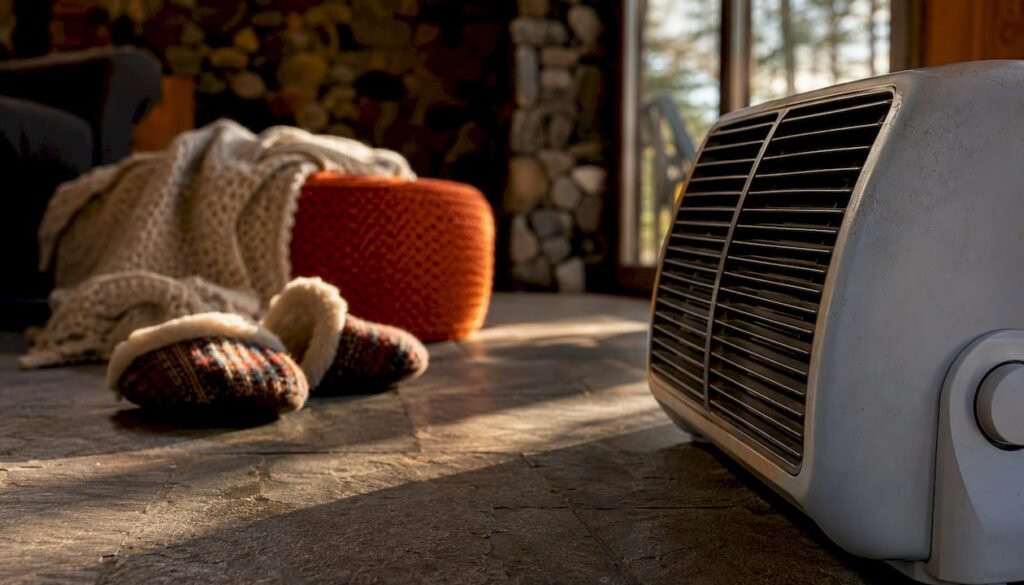
Most portable space heaters last several years, though a government regulatory study puts the average useful life at around eight years, with a range depending on heater type, usage intensity, and maintenance. The single most important signal that it’s time to replace yours: any safety-related symptom, including burning smells, sparking, or repeated breaker trips, means the heater comes out of service immediately, regardless of age.
Here’s a quick look at typical lifespans by heater type:
- Oil-filled radiators: tend to last significantly longer due to no fan and sealed oil reservoir, resulting in minimal wear
- Infrared/quartz heaters: have a moderate lifespan influenced by element durability
- Micathermic and panel heaters: generally last longer owing to no moving parts and low mechanical stress
- Ceramic fan-forced heaters: typically have shorter lifespans due to fan motor wear
- Fan-forced convection heaters: share similar motor-wear limitations as ceramic types
- Propane/kerosene portable heaters: have variable lifespans affected by combustion wear and maintenance
Key stat: The regulatory estimate of average useful life assumes typical residential use, with heavier use expected to reduce lifespan significantly.
Table of Contents
- What actually shortens a space heater’s life?
- Signs your space heater is failing or unsafe
- Is it safe to leave a space heater on overnight?
- How much does it cost to run a space heater?
- Warranties and when to replace your space heater
- When should you call an HVAC professional?
- Key Takeaways
- The real cost of waiting too long to replace
- Kcaircontrol keeps Kansas City homes warm the right way
- Useful sources
What actually shortens a space heater’s life?
Usage patterns, environment, and basic care all play a measurable role in how long your heater lasts. Some factors are within your control; others aren’t.
Usage intensity is the most direct variable. A heater running 8–10 hours a day, seven days a week, accumulates wear far faster than one used for a few hours on cold evenings. HVACOptimizer notes that high usage frequency is one of the primary reasons heaters reach replacement time well before the 10-year mark.
Environmental conditions matter just as much. Dust is the biggest enemy of fan-forced heaters: it coats the motor, restricts airflow, and causes the unit to overheat. High humidity can corrode internal components over time. Physical drops or impacts can crack heating elements or damage internal wiring in ways that aren’t immediately visible.
Here’s what you can do to extend your heater’s life:
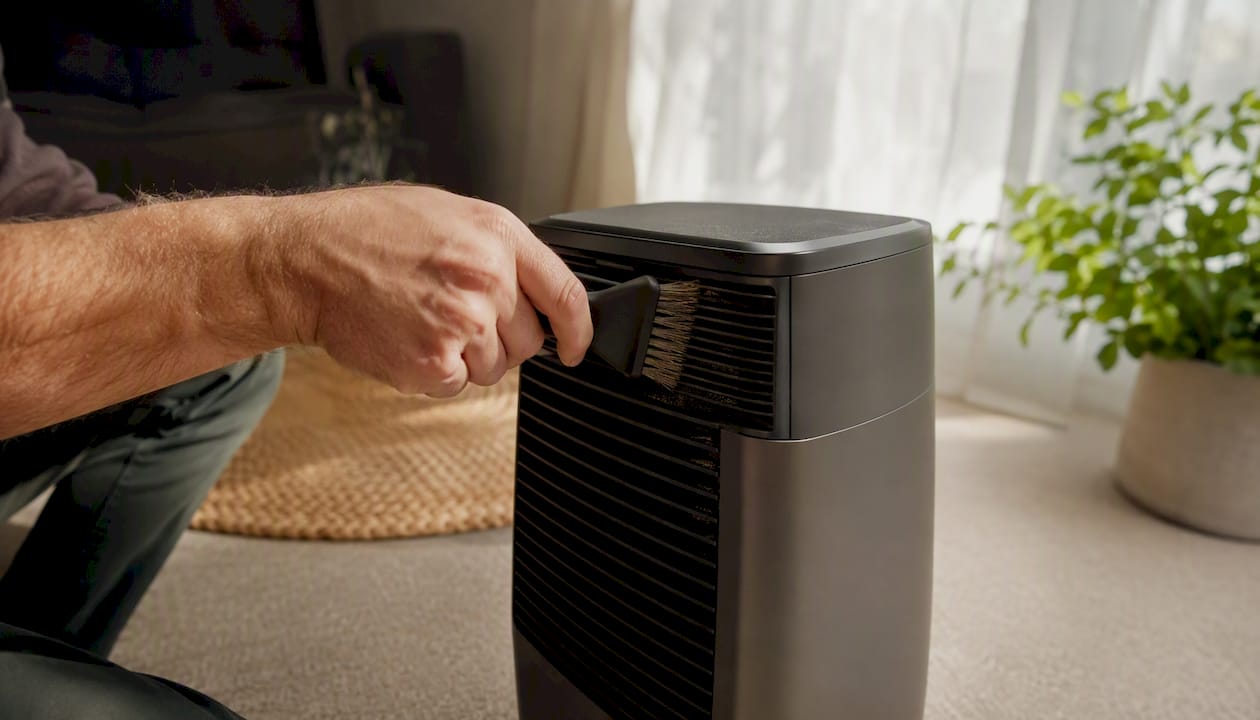
- Vacuum or brush the intake and exhaust vents every 2–4 weeks during heavy use.
- Store the heater in a dry, dust-free location during off-season months.
- Never wrap the cord tightly around the unit during storage; it stresses the insulation.
- Keep the heater on a flat, stable surface to prevent tip-overs that stress internal components.
- Avoid running the heater at maximum output continuously; cycling between settings reduces thermal stress.
Energy.gov’s guidance on maintaining heating and cooling systems reinforces that preventative care is the most reliable way to extend the service life of any heating equipment.
Pro Tip: For fan-forced heaters, the single best maintenance habit is cleaning the air intake vents monthly. A clogged intake forces the motor to work harder, and motor overheating is the leading cause of premature failure in ceramic and convection models.
Signs your space heater is failing or unsafe
Some warning signs mean you should stop using the heater immediately. Others signal that the unit is wearing out and replacement is coming soon. Knowing the difference keeps your household safe.
Stop use immediately if you notice any of these:
- A burning smell, especially one that smells like melting plastic or electrical insulation
- Visible sparks or smoke from the unit, cord, or plug
- The housing feels hot to the touch in areas that should stay cool
- The power cord or plug shows discoloration, melting, or physical damage
- The heater trips your circuit breaker more than once
Signs the heater is declining but not yet an emergency:
- Inconsistent heat output (cycling on and off more than usual, or failing to reach set temperature)
- Loud rattling, grinding, or clicking noises from a fan-forced unit
- The unit takes noticeably longer to warm a room than it used to
- The thermostat no longer holds temperature accurately
Safety first: The NFPA reports that heating equipment is a leading cause of home fires in the United States. A space heater showing electrical symptoms is not a “wait and see” situation. Unplug it, remove it from the room, and do not plug it back in.
Quick pre-use inspection checklist:
- Check the power cord from plug to unit for cracks, fraying, or discoloration.
- Look at the plug prongs for corrosion or burn marks.
- Inspect the heater housing for cracks or melted areas.
- Confirm the intake and exhaust vents are clear of dust and debris.
- Test the tip-over switch by gently tilting the unit before placing it in use.
For a broader look at signs you need HVAC repair, the same diagnostic logic applies: unusual sounds, smells, and inconsistent performance are always worth investigating before they become bigger problems.
Pro Tip: Run a new-season test before you need the heater: plug it in outdoors or in a garage for 10 minutes and check for any smell, noise, or heat irregularity. Catching a problem before the first cold night is far safer than discovering it at midnight.
Is it safe to leave a space heater on overnight?
The short answer is no. Most heater manufacturers and fire safety organizations advise against leaving portable space heaters running while you sleep or when you leave the room. The risk isn’t just fire; it’s also carbon monoxide with combustion models and the cumulative thermal stress that accelerates wear.
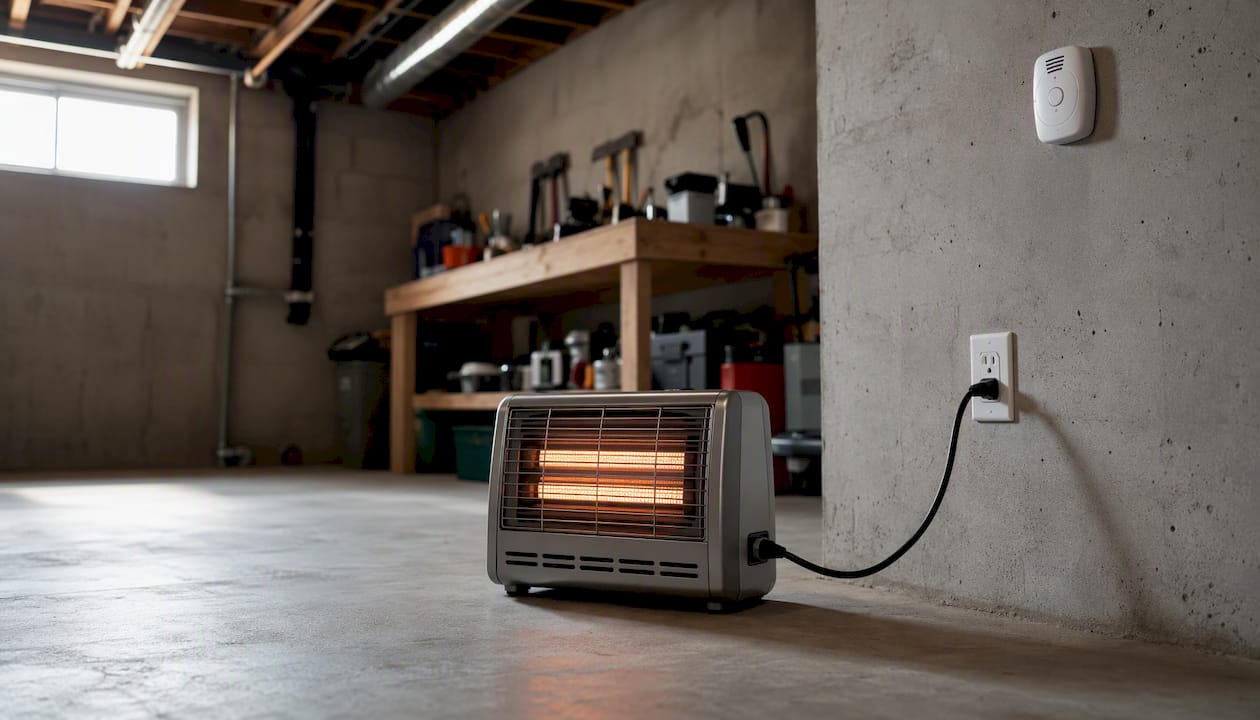
Modern electric heaters include tip-over switches and overheat cutoffs, which do reduce risk. But these are failsafes, not permission to run the heater unattended for hours. A tip-over switch activates only after the unit falls; it doesn’t prevent a cord fault or a failing heating element from causing a problem while the heater is upright.
Safe-use checklist for space heaters:
- Keep at least 3 feet of clearance on all sides; never place near curtains, bedding, or upholstered furniture.
- Plug directly into a wall outlet, never into an extension cord or power strip.
- Never use a space heater in a bathroom or other wet area unless the unit is rated for that environment.
- Turn off and unplug the heater when you leave the room or go to bed.
- For combustion heaters (propane, kerosene), always follow the EPA’s indoor air quality guidance on ventilation; these units produce combustion byproducts that require fresh air exchange.
- Never use a space heater as the primary heat source for an infant’s or young child’s room overnight.
Pro Tip: Pair your electric space heater with an outlet timer or a smart plug. Set it to cut power after 2–3 hours. You get the warmth you need without the risk of forgetting to turn it off, and you reduce the cumulative wear that shortens the heater’s life.
How much does it cost to run a space heater?
Most portable electric space heaters draw 750–1,500 watts. At 1,500 watts, a heater running on high consumes 1.5 kilowatt-hours (kWh) per hour. With the U.S. average residential electricity rate around $0.16 per kWh, that works out to roughly $0.24 per hour, or about $2.40 for a 10-hour day.
Simple cost calculation:
- Find your heater’s wattage (printed on the label or in the manual).
- Divide by 1,000 to convert to kilowatts (kW).
- Multiply by your local electricity rate (check your utility bill).
- That’s your cost per hour.
Typical wattage by heater type:
| Heater Type | Typical Wattage | Estimated Cost/Hour* |
|---|---|---|
| Oil-filled radiator | 750–1,500 watts | up to about $0.24 |
| Ceramic fan-forced | 750–1,500W | up to about $0.24 |
| Infrared/quartz | 750–1,500 watts | up to about $0.24 |
| Micathermic/panel | 1,000–1,500W | $0.16–$0.24 |
| Fan-forced convection | 750–1,500W | up to about $0.24 |
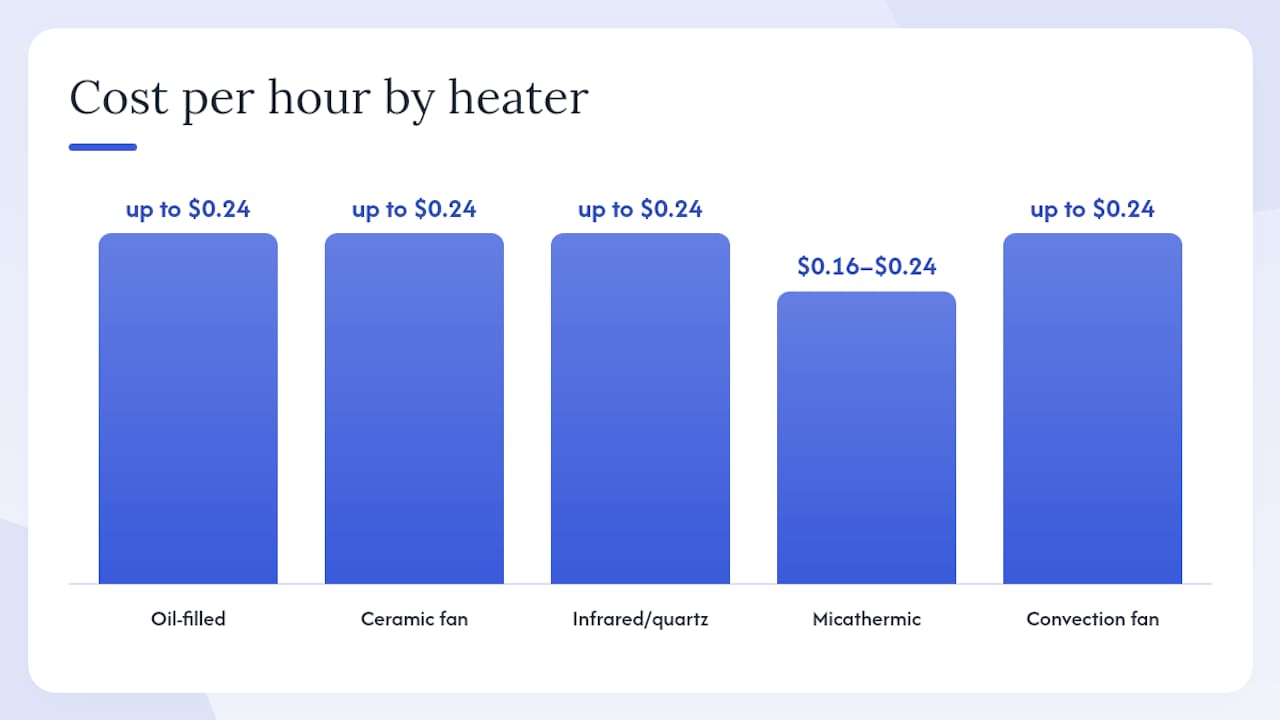
*Based on $0.16/kWh U.S. average.
The regulatory study on portable electric space heaters highlights that these units are among the highest-consuming portable appliances in the home. Running a 1,500W heater 8 hours a day for a full winter month adds roughly $57 to your electric bill, before any rate adjustments.
Three ways to reduce running costs without compromising safety:
- Use the heater’s built-in thermostat to cycle rather than running at full output continuously.
- Practice zone heating: warm only the room you’re in rather than supplementing whole-home heat.
- Lower your central thermostat by a few degrees and use the space heater as a targeted supplement.
Pro Tip: An aging heater that runs longer to reach the same temperature is costing you more per degree of warmth than a new, efficient model. If your energy bill has crept up and the heater seems to work harder than it used to, that’s a replacement signal, not just a maintenance one.
Warranties and when to replace your space heater
Most portable space heaters carry manufacturer warranties of 1–3 years, according to Business Insider’s heater guide. A few premium models extend to 5 years, but that’s the exception. A warranty covers manufacturing defects; it doesn’t mean the heater will fail the day after it expires. It does, however, tell you something about what the manufacturer expects from the unit.
The practical replacement window, supported by HVACOptimizer and I’ll Just Fix It Myself, is every 5–10 years for most electric portable heaters. For oil-filled radiators, you can push that to 15–20 years with good maintenance.
Replace your space heater if:
- It shows any of the immediate safety warning signs listed above (burning smell, sparking, damaged cord).
- It’s more than 10 years old and showing any performance decline.
- The repair cost exceeds roughly half the price of a new unit.
- It lacks modern safety features like a tip-over switch or overheat cutoff.
- It’s running noticeably longer to heat the same space, driving up your energy bill.
- The thermostat no longer holds temperature accurately.
For a practical look at the repair vs. replacement decision, the same principle applies to portable heaters as it does to larger systems: when safety features are compromised or repair costs approach replacement cost, replacement wins every time.
Pro Tip: Keep your purchase receipt or note the purchase date somewhere accessible. Knowing the exact age of your heater removes guesswork when you’re deciding whether a repair is worth it.
When should you call an HVAC professional?
A portable space heater is a stopgap, not a permanent heating solution. When the problems you’re seeing go beyond the heater itself, or when you’re relying on a space heater to cover for a failing central system, it’s time to call a professional.
Call an HVAC technician when:
- Your space heater repeatedly trips the same circuit breaker (this points to an electrical issue in the home, not just the heater).
- You’re using multiple space heaters to compensate for a furnace that isn’t keeping up.
- You want to evaluate a permanent zone-heating solution like a ductless mini-split or electric baseboard heater.
- You smell gas or combustion odors in the home that aren’t clearly coming from the portable heater.
- You’re considering a whole-home heating upgrade and want an efficiency assessment.
Professional alternatives that outlast portable heaters:
| Heating Option | Typical Lifespan | Best For |
|---|---|---|
| Gas furnace | 15–20 years | Whole-home heating |
| Ductless mini-split | 15–20 years | Zone heating without ductwork |
| Electric baseboard heater | 20+ years | Supplemental room heating |
| Heat pump | 15–20 years | Heating and cooling combined |
Fontenot’s AC & Heating notes that gas heating systems typically last 10–15 years, and whole-home systems consistently outlast portable electric heaters when properly maintained. For a direct comparison of electric wall heaters vs. furnace systems, the efficiency and lifespan gap becomes clear at the whole-home level.
Before you call a technician, have this information ready: the age of your current heating system, a description of the symptoms you’re seeing (sounds, smells, performance issues), and the square footage of the area you’re trying to heat. That 60-second prep makes the diagnostic call faster and more accurate.
Pro Tip: If you’re in the Kansas City area and your furnace is struggling to keep up, a furnace tune-up before winter can restore efficiency and reduce your reliance on supplemental portable heaters entirely.
Key Takeaways
Most portable space heaters last 5–10 years, with oil-filled radiators reaching 20 years and fan-forced ceramic models often failing by year 5; safety symptoms override age as the primary replacement trigger.
| Point | Details |
|---|---|
| Lifespan by type | Oil-filled: 10–20 years; infrared/panel: about 8–10 years; ceramic/fan-forced: 3–5 years. |
| Average useful life | A regulatory study estimates the average at 8 years, within a 5–12 year range. |
| Top replacement triggers | Burning smell, sparking, damaged cord, or repeated breaker trips mean replace immediately. |
| Maintenance extends life | Monthly vent cleaning and proper off-season storage are the two highest-impact habits. |
| Kcaircontrol can help | For Kansas City homeowners, Kcaircontrol offers furnace repair, tune-ups, and whole-home heating alternatives when a portable heater is no longer enough. |
The real cost of waiting too long to replace
Most homeowners replace a space heater only after something goes wrong. That’s understandable, but it’s the wrong trigger. The smarter move is to treat the 8–10 year mark as a scheduled evaluation point, not a deadline. Check the cord, test the safety features, and compare your current energy cost per hour against what a newer, more efficient model would run.
The type-by-type lifespan data in this article makes one thing clear: not all heaters age the same way. A ceramic fan-forced heater at year 4 deserves more scrutiny than an oil-filled radiator at year 8. Design matters more than calendar age. And when the heater’s symptoms point to electrical or combustion risk, no amount of remaining useful life justifies keeping it plugged in.
For homeowners who’ve been relying on portable heaters to cover for an underperforming furnace, that’s the conversation worth having with a professional. A common heating system problem that gets patched with a space heater tends to get worse, not better, and the energy cost of running multiple portable units usually exceeds the cost of a proper repair.
Kcaircontrol keeps Kansas City homes warm the right way
When a portable space heater has reached the end of its life, or when you’re tired of relying on one to cover for a furnace that isn’t performing, Kcaircontrol is the professional answer for Kansas City homeowners. With over 70 years of experience, the team handles furnace repair, system installations, HVAC tune-ups, and duct cleaning, giving you a permanent, safe, and efficient heating solution instead of a stopgap.

Whether you need a safety inspection, a repair estimate, or a consultation on upgrading to a ductless mini-split or new furnace, Kcaircontrol makes it straightforward. Schedule your HVAC maintenance visit online today and stop depending on a portable heater to do a whole-home heating system’s job.
Useful sources
These sources informed the guidance in this article. Each is worth bookmarking if you want to dig deeper into heater safety, lifespan data, or energy costs.
- Energy.gov – Maintaining your heating and cooling systems
- EPA – Improving indoor air quality
- Business Insider — Best space heater guide
- Appendix 63 – Portable Electric Space Heaters
- Space Heater Lifespan: What to expect — BestSpaceHeater.com
- Lifespan of space heaters — I’ll Just Fix It Myself
- How long does a heater last? — Fontenot’s Air Conditioning & Heating
- How Often Should You Replace a Space Heater — HVACOptimizer