
TL;DR:
- Cleaning air vents removes dust, mold spores, allergens, and debris to improve indoor air quality and HVAC performance.
- It also reduces energy consumption by up to 40 percent and prolongs the lifespan of heating and cooling systems.
- Professional cleaning is recommended when visible mold, pests, or heavy debris are present, but routine filter changes are more effective for maintenance.
Cleaning air vents is defined as the removal of dust, allergens, mold spores, and debris from your home’s HVAC ductwork and vent grilles to protect indoor air quality and system performance. Most homeowners don’t think about their air vents until something goes wrong. A musty smell, a spike in the energy bill, or a family member’s worsening allergies are often the first signs that the ducts need attention. Understanding why clean air vents matter, and when to act on that knowledge, puts you in control of your home’s comfort and your family’s health.
What are the benefits of cleaning air vents for indoor air quality?
Dirty air vents recirculate contaminants through every room in your home every time the HVAC system runs. Dust, pet dander, pollen, and mold spores settle inside ductwork over time. When your furnace or air conditioner kicks on, those particles get pushed back into the air you breathe.
Indoor pollutant levels during household activities can reach 1,000 times higher than outdoor levels. That number reflects how effectively a sealed home traps what gets stirred up inside it. Cooking, cleaning, and even walking across carpet release particles that your HVAC system then pulls in and redistributes.
The indoor air quality impact is especially significant for households with allergy or asthma sufferers. Removing accumulated mold spores and pollen from ducts reduces the volume of triggers circulating through living spaces. It won’t cure allergies, but it does reduce the load on your respiratory system.
Odors are another clear benefit. Cleaning vents removes odor-causing contaminants from mold, smoke, and moisture buildup, leaving your home smelling noticeably fresher. If you’ve ever walked into a house and noticed a stale or musty smell that no candle could fix, contaminated ductwork was likely the source.
Key air quality benefits of clean vents:
- Reduced circulation of dust, pet dander, and pollen
- Lower mold spore counts in living spaces
- Fewer odor-causing contaminants from moisture and smoke residue
- Improved conditions for allergy and asthma sufferers
Pro Tip: Change your air filter before scheduling a duct cleaning. A fresh filter prevents newly loosened debris from immediately recontaminating the system.
How does cleaning air vents improve HVAC efficiency and reduce costs?
Clogged vents and dirty ducts force your HVAC system to work harder to move the same volume of air. That extra strain shows up directly on your energy bill and shortens the life of your equipment.
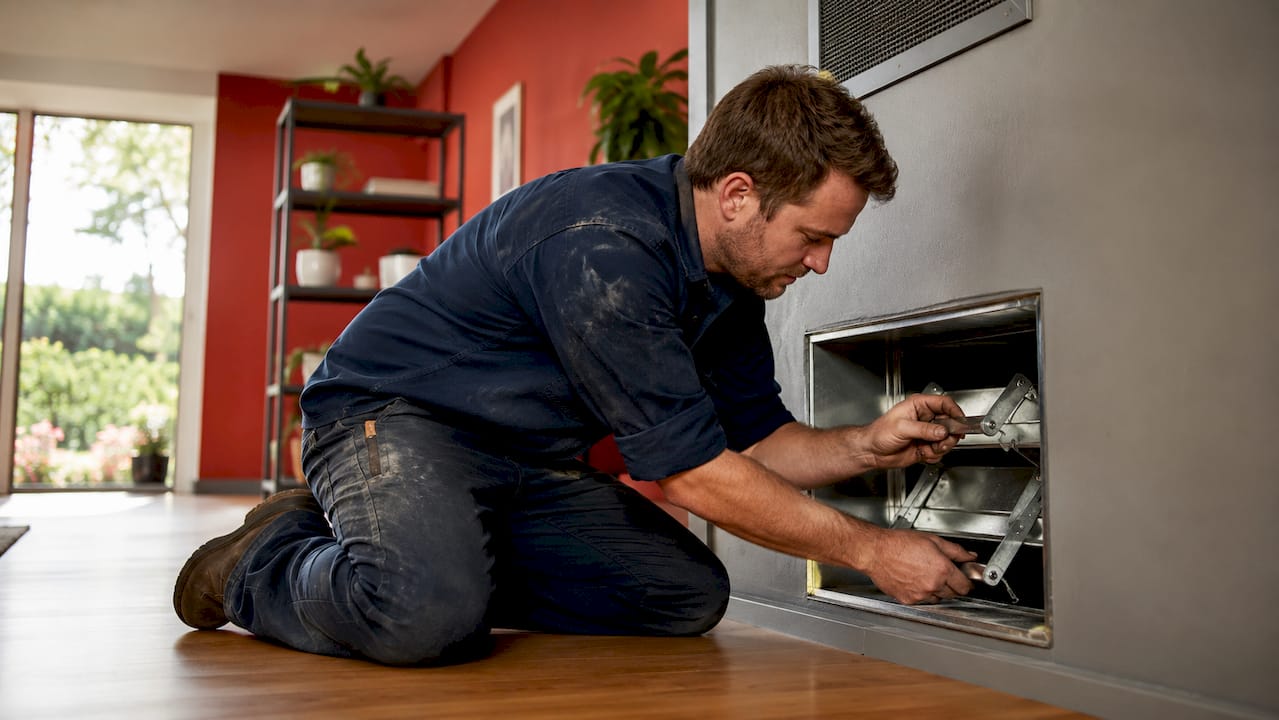
Dirty ducts increase energy consumption because the system compensates for restricted airflow by running longer cycles. Longer cycles mean higher electricity or gas use, and more wear on the blower motor, heat exchanger, and coils. The compounding effect over months and years is significant.
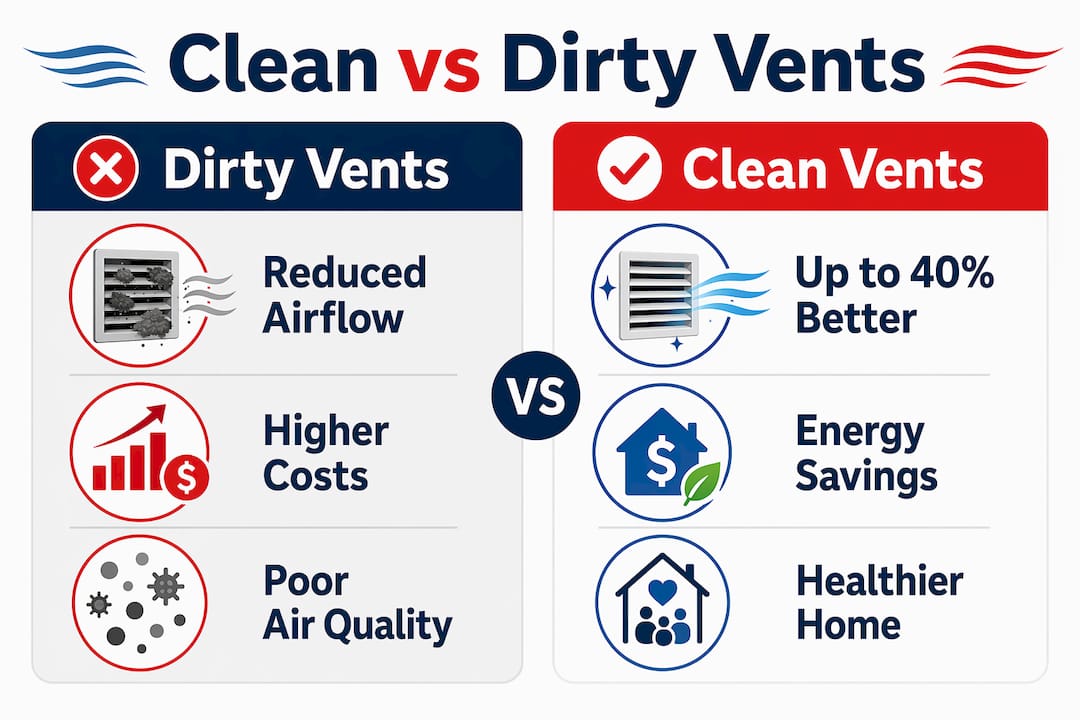
Cleaning HVAC systems can improve airflow efficiency by up to 40%, according to NADCA data. A 40% efficiency gain means your system reaches your target temperature faster and shuts off sooner. That translates directly to lower monthly costs and less mechanical wear.
Vent cleaning as preventive maintenance also protects your equipment investment by reducing strain on blower motors and preventing coil damage. An HVAC system is one of the most expensive components in any home. Protecting it with periodic cleaning is far less costly than replacing it early.
| Factor | Dirty vents | Clean vents |
|---|---|---|
| Airflow efficiency | Reduced, uneven | Up to 40% improvement |
| Energy consumption | Higher, longer cycles | Lower, shorter cycles |
| Equipment wear | Accelerated | Reduced |
| System lifespan | Shortened | Extended |
Pro Tip: After a professional duct cleaning, have a technician check your duct sealing. Leaky ducts waste more energy than dirty ones, and cleaning is a good time to catch both problems at once.
When and how often should you clean your air vents?
The EPA does not recommend routine duct cleaning on a fixed schedule. Cleaning is best when specific conditions exist, not simply because a certain number of years have passed. This is an important distinction because many homeowners pay for cleaning they don’t need.
Clean your air vents when you notice one or more of these triggers:
- Visible mold growth inside ducts or on vent covers requires immediate professional attention. Mold spreads through the air every time the system runs.
- Pest infestation leaves behind droppings, nesting material, and debris that contaminate airflow and create health risks.
- Excessive dust buildup on vent grilles that returns quickly after cleaning suggests significant debris inside the ductwork.
- Post-renovation debris is a serious trigger. After major home renovation with the HVAC system operational, construction dust can severely degrade air quality and requires professional cleaning.
- Musty or stale odors that persist after filter changes point to contaminants deeper in the duct system.
- Moving into an older home with unknown maintenance history warrants a thorough duct cleaning to establish a clean baseline.
Between these trigger events, the most effective way to maintain air quality is consistent filter maintenance. Changing high-efficiency MERV 11 or 13 filters every 60–90 days removes far more airborne particles than duct cleaning alone. Controlling indoor humidity also reduces mold growth inside ducts, cutting the frequency of cleaning needed.
Professional vs. DIY air vent cleaning: which is right for you?
DIY cleaning and professional duct cleaning are not the same service. Understanding the difference helps you choose the right approach for your situation.
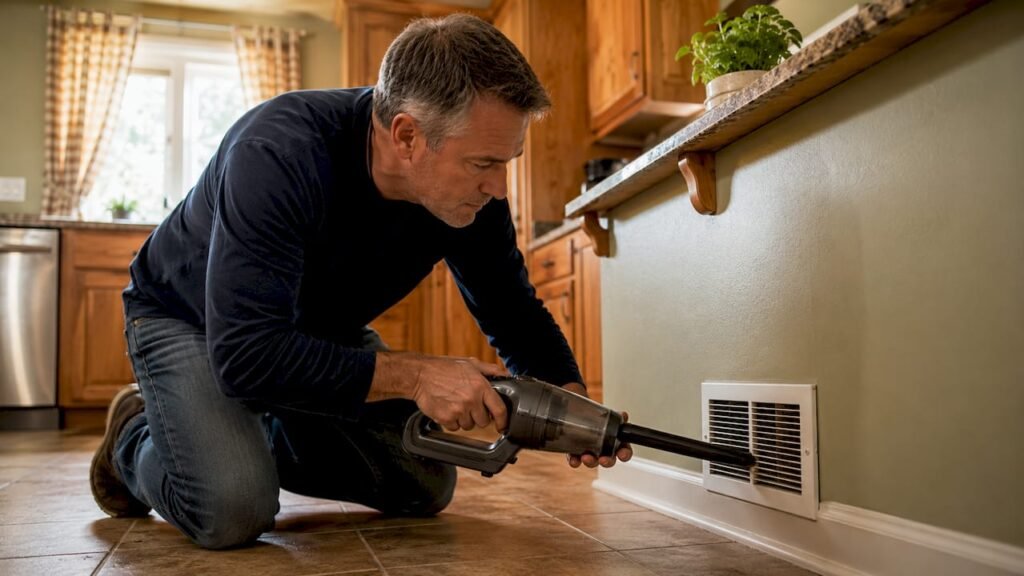
DIY air duct cleaning generally reaches only the last 10 feet of duct and can redistribute dust rather than remove it. A vacuum and brush at the vent grille will clean the surface you can see. The debris packed further into the system stays in place, and the disturbance can actually push particles into the air temporarily.
Professional duct cleaning uses truck-mounted vacuums, rotary brushes, and negative pressure systems to access and clean the full duct network. This is the only method that addresses debris deep in the system, mold remediation, or post-pest contamination. Professional air duct cleaning costs range from $450 to $1,000 depending on home size and condition. That cost is justified when a confirmed problem exists.
| Cleaning type | Scope | Best for | Cost |
|---|---|---|---|
| DIY grille cleaning | Surface only | Routine dust removal | Minimal |
| Professional cleaning | Full duct system | Mold, pests, heavy debris | $450–$1,000 |
One caution worth noting: poorly performed duct cleaning can temporarily increase contaminant levels and is not proven to prevent health problems in the absence of a specific issue. Choose a contractor certified by NADCA (National Air Duct Cleaners Association) to avoid this outcome. Also be cautious of services that offer chemical biocides or sealants inside ducts. These treatments are not always recommended or necessary, and their long-term effects are not fully established.
Pro Tip: Get at least two quotes from NADCA-certified contractors and ask each one to inspect the ducts before recommending cleaning. A reputable company will tell you if cleaning isn’t needed.
Key Takeaways
Cleaning air vents delivers real benefits for indoor air quality and HVAC efficiency, but the strongest results come from targeting specific problems rather than following a rigid routine schedule.
| Point | Details |
|---|---|
| Air quality improvement | Clean vents reduce dust, mold spores, and allergens circulating through your home. |
| HVAC efficiency gain | Removing debris can improve airflow efficiency by up to 40%, lowering energy costs. |
| Cleaning triggers matter | Act on visible mold, pest activity, post-renovation debris, or persistent odors. |
| Filter changes are foundational | Replacing MERV 11 or 13 filters every 60–90 days provides more consistent air quality than cleaning alone. |
| Professional scope is broader | DIY cleaning reaches only vent surfaces; professionals clean the full duct system. |
What I’ve learned after years of HVAC maintenance calls
Most homeowners call about duct cleaning for the wrong reason. They’ve seen an ad, or a neighbor mentioned it, and they assume it’s something you do on a schedule like an oil change. The reality is more nuanced, and understanding it saves you money.
Duct cleaning alone rarely resolves problems like uneven heating or chronic allergies. The root cause is usually a duct leak, improper system sizing, or a filter that hasn’t been changed in a year. Cleaning the ducts without fixing those underlying issues is like mopping the floor while the faucet is still running.
What I tell every homeowner is this: cleaning is a targeted intervention, not a routine task. If you have a confirmed trigger, get it done by a certified professional and pair it with a full system inspection. If you don’t have a confirmed trigger, invest that money in a quality MERV 13 filter and a preventive HVAC maintenance plan instead.
The most effective air quality improvement comes from filter replacements and humidity control, not from cleaning ducts that aren’t actually dirty. That’s not a popular message for companies that sell cleaning services, but it’s the honest one. When cleaning is warranted, it makes a real difference. When it isn’t, you’re paying for peace of mind that a good filter could have given you for $30.
— AB
Ready to find out if your ducts need attention?
If you’ve noticed musty odors, rising energy bills, or worsening allergy symptoms in your Kansas City home, the answer isn’t always a guess. Kcaircontrol offers professional duct cleaning services backed by over 70 years of HVAC experience, along with filter replacement, system inspections, and full HVAC maintenance to keep your home comfortable year-round. Our technicians assess your system first and recommend cleaning only when it’s genuinely needed. No pressure, no unnecessary services.

Schedule your inspection today and get a clear picture of what your ductwork actually needs. Book online in minutes and let our team handle the rest.
FAQ
Why should you clean air vents in the first place?
Cleaning air vents removes accumulated dust, mold spores, allergens, and debris that your HVAC system recirculates through your home. Dirty vents also restrict airflow, forcing the system to work harder and consume more energy.
How often should air vents be cleaned?
The EPA recommends cleaning only when specific conditions exist, such as visible mold, pest infestation, or heavy debris buildup, rather than on a fixed schedule. Regular filter changes every 60–90 days are more effective for routine air quality maintenance.
Can dirty air vents make you sick?
Dirty vents can worsen symptoms for allergy and asthma sufferers by circulating dust, pollen, and mold spores. However, the EPA notes no conclusive evidence that routine cleaning prevents health problems in the absence of a confirmed contamination issue.
What is the difference between cleaning vent grilles and cleaning ducts?
Cleaning vent grilles removes surface dust from the covers you can see. Professional duct cleaning uses specialized equipment to clean the full duct network, which DIY methods cannot reach beyond the first 10 feet.
Does duct cleaning lower energy bills?
Yes, when debris is restricting airflow. Clean ducts can improve HVAC airflow efficiency by up to 40%, which reduces how long the system runs and lowers monthly energy costs.