
TL;DR:
- A thermostat is crucial for regulating home comfort and minimizing energy costs by controlling heating cycles based on temperature setpoints. Proper placement, calibration, and choosing advanced models like smart thermostats can significantly improve efficiency and reduce bills. Regular inspections and timely upgrades ensure optimal performance and long-term savings on heating expenses.
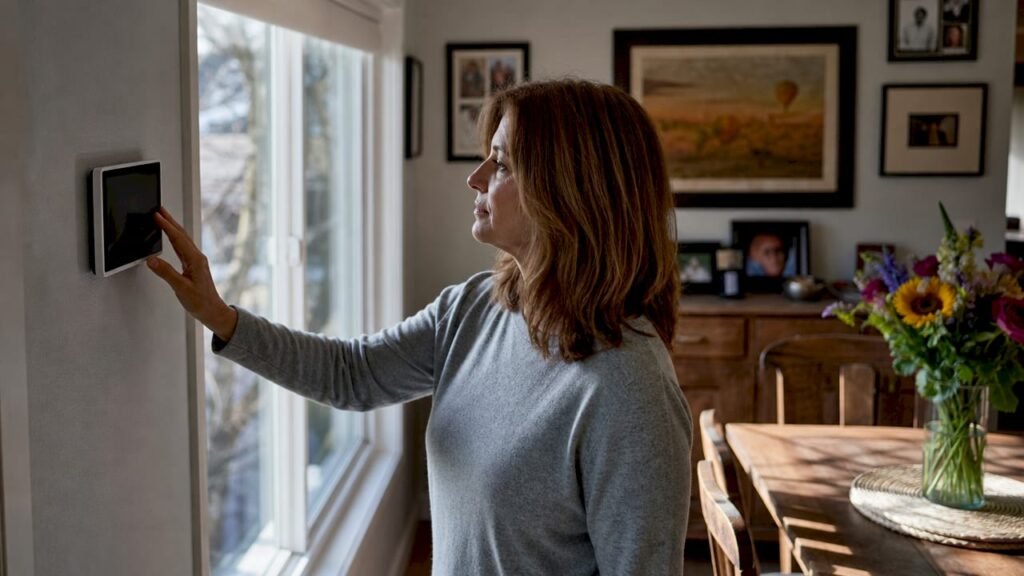
A thermostat is defined as the temperature control device that tells your heating system when to turn on and off, making it the single most influential component in your home’s comfort and energy costs. Without it, your furnace or boiler would run continuously or not at all. Understanding how thermostats regulate heat gives you direct control over both your comfort and your monthly bills. The role of thermostat in heating goes far beyond a simple dial on the wall.
How does a thermostat regulate heat in your home?
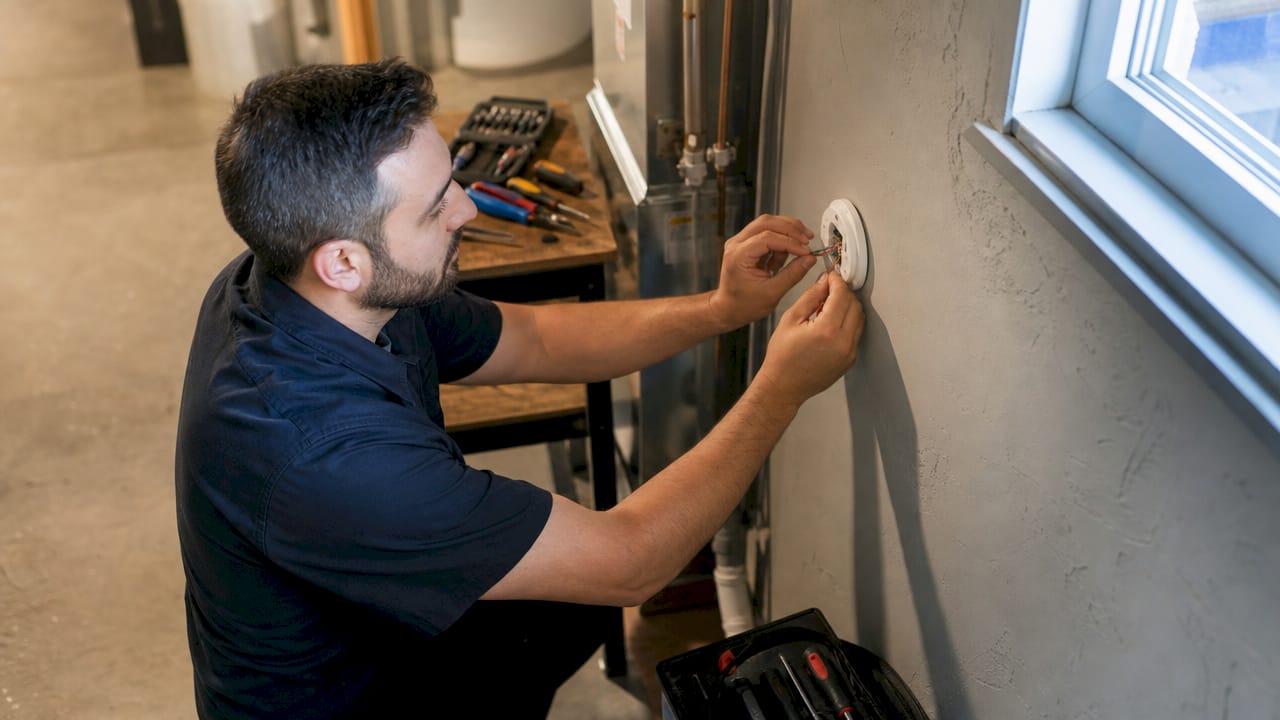
A thermostat works by continuously measuring the air temperature near its sensor and comparing that reading to your chosen setpoint. When the room drops below your target, the thermostat sends an electrical signal to your furnace, boiler, or heat pump to begin a heating cycle. Once the sensor detects the room has reached the setpoint, it cuts the signal and the system shuts off. This on/off cycle repeats throughout the day to keep your home within a narrow comfort range.
One of the most common misunderstandings homeowners have is that raising the setpoint speeds up how fast a room warms. It does not. Your furnace operates at its designed output regardless of how high you set the temperature. Setting it too high only prolongs the run time and risks overshooting your comfort zone, wasting energy in the process.
Here is what happens during a standard heating cycle:
- The thermostat sensor detects a temperature drop below the setpoint
- A low-voltage signal travels from the thermostat to the furnace control board
- The furnace ignites and the blower distributes warm air through the ductwork
- The sensor reads the rising temperature and compares it to the setpoint
- When the setpoint is reached, the signal stops and the furnace shuts down
Pro Tip: Set your thermostat to one consistent temperature during occupied hours rather than repeatedly adjusting it up and down. Frequent manual adjustments cause short-cycling, which wastes energy and puts unnecessary wear on your furnace.
What types of thermostats affect heating efficiency?
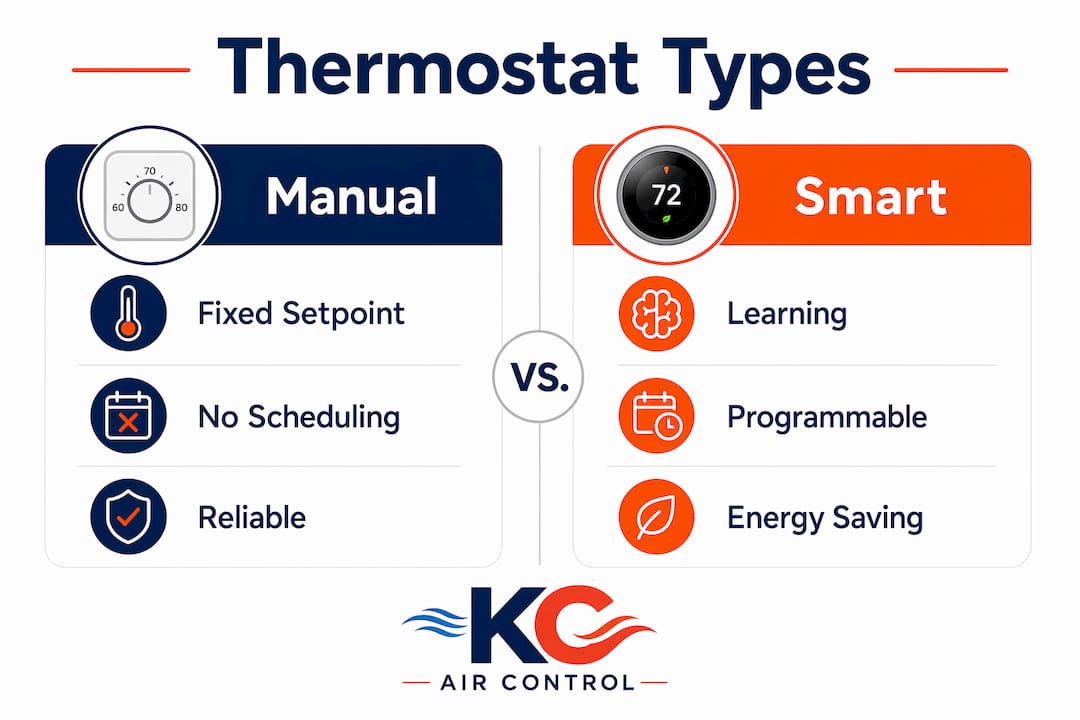
The type of thermostat you use has a direct impact on how efficiently your heating system performs. The three main categories are manual, programmable, and smart thermostats, and each one handles temperature control devices differently.
| Thermostat type | Key feature | Best for |
|---|---|---|
| Manual (analog) | Fixed setpoint, no scheduling | Renters, simple setups |
| Programmable | Pre-set schedules by time/day | Households with regular routines |
| Smart | Learning, remote access, occupancy sensing | Homeowners seeking maximum savings |
| Two-stage | Dual-capacity furnace control | Homes with variable heating loads |
Manual thermostats hold a fixed temperature and require you to adjust them by hand. They are reliable but offer no automation. Programmable thermostats, such as those meeting ENERGY STAR criteria, let you set different temperatures for different times of day, which is where real savings begin.
Smart thermostats, including models like the Google Nest Learning Thermostat and Ecobee SmartThermostat, go further by learning your schedule, sensing occupancy, and allowing remote control through a smartphone app. A 2026 Nature Energy study found that manual thermostat control results in indoor temperatures averaging 2.3°F warmer in winter compared to smart automation. That gap translates directly into higher energy bills.
Two-stage thermostats pair with two-stage furnaces to run the system at roughly 60 to 70 percent capacity during mild weather, only ramping to full power when temperatures drop sharply. This reduces short cycling and improves overall efficiency compared to single-stage systems that always fire at full blast.
Smart thermostats can reduce heating bills by 10 to 20 percent annually, with most homeowners recouping the cost within one to three years. That payback period makes upgrading one of the most cost-effective home improvements available.
How does thermostat placement and calibration influence heating performance?
Where you mount your thermostat matters as much as which model you choose. A thermostat placed in the wrong location reads a temperature that does not reflect the actual comfort level in your living spaces, causing your heating system to cycle incorrectly.
Follow these placement rules to get accurate readings:
- Mount the thermostat on an interior wall, away from exterior walls that lose heat quickly
- Keep it out of direct sunlight, which artificially warms the sensor and tells the furnace to shut off too soon
- Avoid locations near heat-producing appliances like lamps, televisions, or kitchen vents
- Position it away from drafty windows, doors, and air supply vents that skew readings cold
- Place it at roughly five feet from the floor, where occupied air temperature is most representative
Incorrect thermostat placement causes false readings that lead to uneven heating and wasted energy throughout the home. A sensor sitting in a sunny hallway may read 72°F while your living room is actually 65°F, leaving you cold and confused about why your heating feels inadequate.
Calibration is equally important. Over time, sensors drift and the thermostat may read one to three degrees off from actual room temperature. Even a two-degree offset forces your furnace to run longer than necessary, adding measurable cost to your annual heating bill. Many digital thermostats include a calibration offset setting in their menus, which lets you correct small inaccuracies without replacing the unit.
Pro Tip: If you notice your thermostat requires constant adjustments to stay comfortable, that is a sign of sensor inaccuracy or poor placement rather than a personal preference issue. Have a qualified HVAC technician inspect the installation.
What are the best thermostat settings and habits to optimize heating?
The U.S. Department of Energy confirms that setting back 7 to 10°F for eight hours per day can save up to 10 percent annually on heating costs. That is a meaningful reduction achievable simply by adjusting your schedule, not your equipment.
Here are the settings and habits that deliver the most consistent results:
- During occupied hours: Set your thermostat to 68°F. This temperature balances comfort with efficiency for most households.
- During sleep hours: Drop the setpoint to 60 to 65°F. Your body generates heat under blankets, so the lower setting goes unnoticed.
- During unoccupied hours: Lower the setpoint to 60°F or use a programmable away mode. Heating an empty home to full comfort temperature is pure waste.
- Avoid cranking it up: Setting the thermostat to 80°F when you come home cold does not heat the house faster. It only extends the run time and overshoots your target.
- Use scheduling features: Programmable and smart thermostats automate these setbacks so you never have to think about them.
Smart thermostats like Ecobee and Google Nest handle this automatically by detecting when you leave and arrive, adjusting the schedule without any manual input. This removes the most common reason homeowners skip setback schedules: forgetting to change the setting. For more strategies on reducing your heating costs, the home heating savings guide from Kcaircontrol covers additional techniques worth reviewing.
How do thermostats integrate with modern heating systems and zoning?
Modern heating systems and thermostats work together in ways that go well beyond simple on/off control. The thermostat function in heating has expanded to include multi-stage furnace coordination, zoned temperature management, and full HVAC system connectivity.
| System type | Thermostat requirement | Efficiency benefit |
|---|---|---|
| Single-stage furnace | Standard programmable | Basic setback savings |
| Two-stage furnace | Two-stage compatible thermostat | Reduced cycling, lower energy use |
| Zoned system | Multiple thermostats or zone controller | Room-level temperature control |
| Heat pump | Heat pump specific thermostat | Optimized heating and cooling modes |
Zoning is one of the most practical applications of advanced thermostat technology. Pairing a central thermostat with thermostatic radiator valves prevents whole-house heating when only specific rooms need warmth. A home office used during the day does not need the same heat as a bedroom used only at night. Zoning addresses this directly and cuts unnecessary run time.
Smart thermostats with multi-room sensors, such as the Ecobee with SmartSensors, provide tighter temperature control by averaging readings from multiple locations rather than relying on a single wall sensor. This prevents the common problem of one room being too warm while another stays cold. For homeowners curious about how two-stage systems work in practice, the operational benefits extend to both heating and cooling seasons.
The thermostat is described by HVAC professionals as the central nervous system of home comfort, dictating furnace run time, cycling frequency, and long-term equipment wear. A well-matched thermostat and heating system combination reduces strain on the furnace, extends its service life, and keeps your energy costs predictable year after year.
Key takeaways
The thermostat controls every aspect of heating performance, from cycle frequency to energy costs, making proper selection, placement, and settings the most direct path to home comfort and savings.
| Point | Details |
|---|---|
| Thermostat controls heating cycles | It signals the furnace on and off based on setpoint comparison, not heating speed. |
| Smart thermostats cut costs | Upgrading to a smart model can reduce annual heating bills by 10 to 20 percent. |
| Placement determines accuracy | Mount on an interior wall away from sunlight, drafts, and heat sources for reliable readings. |
| Setback schedules save 10% | Lowering the setpoint 7 to 10°F for 8 hours daily delivers measurable annual savings. |
| Zoning improves efficiency | Multiple thermostats or smart sensors prevent heating unused rooms unnecessarily. |
Why your thermostat deserves more attention than it gets
Most homeowners replace a thermostat only when it stops working. That is a mistake I see repeatedly, and it costs people real money every winter. A thermostat that is five or more years old, poorly placed, or never calibrated is quietly inflating your heating bill without giving you any obvious warning signs.
The upgrade from a manual or basic programmable unit to a smart thermostat is one of the few home improvements that pays for itself within a couple of heating seasons. The learning and occupancy features alone eliminate the guesswork that leads to overheated homes and wasted fuel. I have seen Kansas City homeowners cut their winter gas bills noticeably just by making this single change.
What I tell every homeowner is this: treat your thermostat like the control center it actually is. Have it inspected during your annual furnace maintenance visit. Check its placement. Verify its calibration. If you are still manually adjusting it multiple times a day, that habit is costing you more than you realize. For a practical starting point, the winter furnace maintenance tips from Kcaircontrol include thermostat checks as part of a full seasonal review.
Investing in the right thermostat and using it correctly is not a luxury. It is the most accessible lever you have for controlling what you spend on heat every single month.
— AB
How Kcaircontrol can help with your thermostat and heating system

Kcaircontrol has served Kansas City homeowners for over 70 years, and thermostat installation, calibration, and smart upgrades are a core part of what we do. Whether your current thermostat is giving inaccurate readings, your furnace is short-cycling, or you are ready to upgrade to a smart system, our certified technicians handle it all. We also provide full furnace repair and maintenance services to make sure your heating system performs reliably when temperatures drop. Schedule your thermostat inspection or furnace tune-up online today and let us help you stay comfortable and in control this winter.
FAQ
What is the main role of a thermostat in heating?
A thermostat measures indoor air temperature and signals the heating system to turn on or off to maintain your chosen setpoint. It controls the duration and frequency of heating cycles, directly affecting both comfort and energy use.
Does turning the thermostat up higher heat the house faster?
No. Raising the setpoint does not increase heating speed because your furnace operates at its designed output regardless of the target temperature. Setting it too high only extends the run time and wastes energy.
Where should a thermostat be placed for accurate heating control?
Mount the thermostat on an interior wall at about five feet from the floor, away from direct sunlight, drafts, heat-producing appliances, and exterior walls. Poor placement causes false readings that lead to uneven heating and higher energy costs.
How much can a programmable or smart thermostat save on heating?
Setting back the temperature 7 to 10°F for eight hours daily saves up to 10 percent annually on heating costs according to U.S. DOE data. Smart thermostats with learning and occupancy features can reduce annual heating bills by 10 to 20 percent.
How often should a thermostat be inspected or replaced?
Have your thermostat checked during your annual furnace maintenance visit to verify calibration and sensor accuracy. Most thermostats last 10 years or more, but upgrading to a smart model sooner delivers efficiency gains that offset the replacement cost quickly.