

TL;DR:
- Dirty HVAC systems lead to poor indoor air quality and should be cleaned when specific signs appear. Indicators include rapid dust reappearance, persistent odors, increased energy bills, uneven room temperatures, pest evidence, mold growth, and post-renovation debris. Regular professional inspections based on these signs improve air quality, system efficiency, and home health.
Dirty HVAC systems are the leading cause of poor indoor air quality in American homes. Knowing the signs your HVAC needs cleaning helps you act before small problems become expensive repairs. The EPA recommends cleaning only when specific conditions exist, such as visible mold, vermin infestations, or debris that blocks airflow. This guide covers eight concrete indicators that your system needs professional attention, along with expert thresholds and practical next steps you can take today.
1. Signs your HVAC needs cleaning start with visible dust
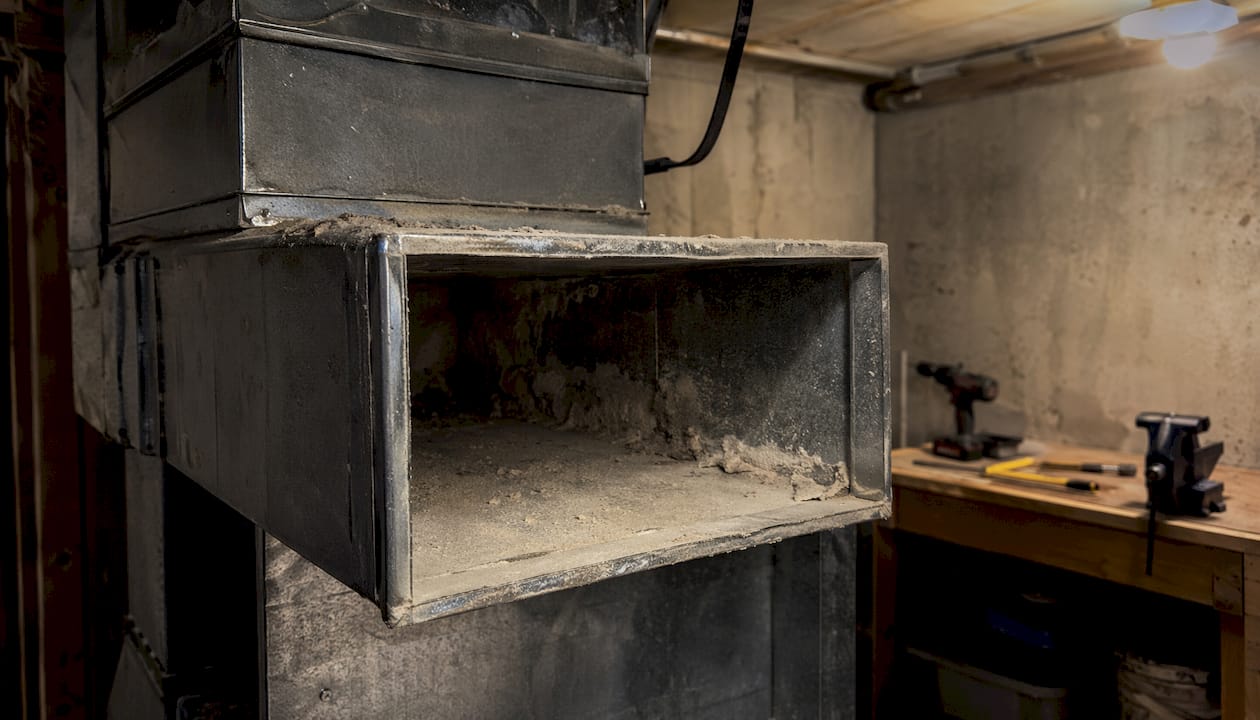
Dust on your vents is the most visible dirty HVAC symptom, but not all dust means your ducts are contaminated. The real red flag is how fast dust returns after you clean. Dust that reappears within 48 hours after a filter change signals heavy duct contamination, not just surface buildup. That speed tells you the problem is inside the ductwork, not just on the grille.
Look for these specific signs when inspecting your vents:
- Dark gray or black streaks radiating outward from the vent opening
- Visible clumps of debris inside the duct when you remove the register
- Dust that settles on furniture within a day or two of cleaning
- A visible gray film coating the inside of the duct walls
Pro Tip: Use a high-powered flashlight and remove a register to inspect your ducts directly. If light doesn’t pass clearly through the duct opening, your coils or duct walls are clogged and need professional cleaning.
A dirty vent face alone does not confirm duct contamination. Dirty-looking vents can reflect the room environment rather than the duct system. Focus on what you find inside the duct, not just what you see on the outside.
2. Persistent musty or unusual odors from your system
Odors coming from your HVAC vents are a clear indicator for HVAC maintenance. A musty smell points to microbial growth inside the ducts or on the coils. A “dirty sock” smell often signals bacterial buildup on the evaporator coil. An animal smell may mean a pest has entered the ductwork.
Watch for these odor types:
- Musty or moldy: Moisture has collected inside ducts or on coils, creating conditions for mold growth
- Dirty sock or sour: Bacterial buildup on the evaporator coil, common after the system sits idle
- Ammonia or urine smell: Possible pest infestation or nesting material inside the ductwork
- Burning or chemical smell: Debris near heat exchangers or electrical components, which requires immediate attention
Rule out other odor sources first, such as a dirty drain pan or a clogged condensate line. If the smell persists after you address those, the ducts need professional cleaning. Persistent musty odors require scheduling cleaning within 30 days unless the situation is an emergency, in which case two weeks is the target.
3. Rising energy bills without another clear cause
An unexplained spike in your monthly utility bill is one of the most overlooked HVAC cleaning signs. Debris buildup inside ducts restricts airflow, which forces your system to run longer to reach the set temperature. That longer runtime burns more energy and raises your bill. Energy bill spikes exceeding 15% compared to the same month last year, adjusted for weather, indicate restricted airflow caused by deep debris buildup.
Pro Tip: Pull your utility bills from the same month last year and compare them. A 15% or greater increase with no change in usage habits or weather is a strong signal that your ductwork efficiency has dropped and cleaning may restore it.
Sealing duct leaks during a cleaning visit delivers even larger energy savings than cleaning alone. If your technician finds gaps or disconnected sections, addressing those at the same time gives you the best return on the service call.
4. Uneven heating or cooling across rooms
When one room feels significantly warmer or cooler than the rest of the house, your ducts may be blocked or leaking. A temperature difference greater than 5°F between rooms in the same zone is a practical threshold worth noting. That gap usually means airflow is restricted somewhere between the air handler and the affected room.
Common causes of uneven performance include:
- Debris or dust clogs partially blocking a duct branch
- Collapsed or disconnected duct sections reducing flow to one area
- Leaks in the duct system pulling conditioned air into unconditioned spaces like attics or crawl spaces
- Dirty coils reducing the system’s ability to condition air before it enters the ducts
Cleaning the ducts and inspecting for leaks together solves most uneven airflow problems. If cleaning alone does not fix the temperature difference, a duct inspection will identify whether a physical repair is needed. Learning when to clean HVAC systems versus when to repair them saves you from paying for the wrong service.
5. Recent home renovations that produced heavy dust
Construction work is one of the most direct causes of duct contamination. Drywall dust, insulation fibers, and demolition debris enter the duct system through open registers during a renovation. Renovation dust coats duct walls and reduces equipment efficiency, shortening the life of your system if left in place.
Schedule duct cleaning after these types of projects:
- Drywall installation or removal: Fine gypsum dust penetrates deep into duct branches
- Insulation work: Fiberglass or cellulose particles coat coils and restrict airflow
- Flooring replacement: Sawdust and adhesive particles enter open registers
- Major demolition: Plaster, concrete dust, and debris contaminate the entire duct system
- Attic or crawl space work: Disturbed insulation and debris fall into duct connections
The best time to schedule cleaning is within two weeks of completing the renovation. Waiting longer allows fine particles to settle deeper into the system and onto the coils, making extraction harder and more expensive.
6. Evidence of pests or vermin in your ductwork
Pest infestations inside ductwork require immediate professional cleaning. Rodents and insects leave behind droppings, nesting material, and dander that circulate through your home every time the system runs. The health risk from contaminated air is significant, and the structural damage from gnawed duct sections compounds the problem.
Look for these warning signs:
- Droppings near registers or inside ducts when you remove a grille
- Nesting material such as shredded insulation or paper visible inside a duct
- Scratching, rustling, or squeaking sounds coming from the duct system
- A strong ammonia or urine odor from one or more vents
- Unexplained allergy or respiratory flare-ups in household members
Visible vermin infestation requires cleaning within two weeks, not 30 days. Cleaning without addressing the entry point first will result in re-infestation. A professional technician will identify where pests entered and recommend sealing those gaps before or during the cleaning visit.
7. Worsening allergy or respiratory symptoms at home
Your HVAC system circulates air through every room in your home. When ducts carry allergens, mold spores, or pest dander, your indoor air quality drops and your body reacts. Common dirty HVAC symptoms linked to contaminated ducts include sinus congestion, persistent coughing, eye irritation, and unexplained fatigue.
The most reliable self-test is what professionals call the “relief test.”
“Sinus congestion, coughing, or fatigue that improves when you leave the house and returns when you come back is a strong indicator that your HVAC system is the source. Indoor allergy symptoms that improve significantly when away from home point directly to HVAC contamination.”
If your symptoms follow that pattern, schedule a professional inspection before assuming the cause is seasonal allergies or another source. Cleaning the ducts and replacing the filter with a higher-MERV-rated option often produces noticeable improvement within days. Regular filter changes and consistent HVAC maintenance reduce how often most homes need full duct cleaning.
8. Visible mold growth near vents or inside ducts
Visible mold is the most urgent HVAC cleaning sign on this list. The EPA advises cleaning when visible mold is confirmed inside ducts or on system components. Mold spores spread through the air every time the system cycles, reaching every room in the house.
Cleaning mold without fixing the moisture source causes it to return. A professional technician will identify whether a leaking duct, a clogged condensate drain, or high indoor humidity is feeding the growth. Addressing the root cause at the same time as the cleaning is the only way to prevent recurrence. Skipping that step means paying for the same service again within months.
Key Takeaways
Recognizing dirty HVAC symptoms early protects your indoor air quality, keeps energy costs in check, and extends the life of your system.
| Point | Details |
|---|---|
| Dust reappearance is the key test | Dust returning within 48 hours of a filter change signals duct contamination, not surface buildup. |
| 15% energy bill increase is the threshold | A spike above 15% compared to the same month last year points to restricted airflow from debris. |
| Odors and health symptoms need a 30-day response | Musty smells and allergy flare-ups warrant professional cleaning within 30 days. |
| Pests and mold require immediate action | Vermin evidence or visible mold requires cleaning within two weeks to protect health. |
| Renovation work always warrants cleaning | Drywall and demolition dust coat ducts and reduce efficiency; clean within two weeks of finishing. |
What I’ve learned after years of HVAC cleaning calls
The homeowners who call us in the worst shape are almost never the ones who ignored obvious mold or a pest problem. They are the ones who cleaned their vents regularly, changed their filters on schedule, and assumed the system was fine because it still ran. The system running is not the same as the system running well.
The sign I find most underrated is the energy bill comparison. Homeowners rarely pull last year’s bills and do the math. When they do, a 20% increase with no change in habits is a clear signal. That number tells you more than a visual inspection in most cases.
My honest advice: do not clean your ducts on a fixed schedule just because someone told you to do it every three to five years. Clean them when the signs are there. Moderate dust with no odors, no health symptoms, and stable energy bills does not need a cleaning visit. Spending money on unnecessary cleaning is just as wasteful as ignoring a real problem. What does deliver consistent value is combining a cleaning visit with a duct leak inspection. Sealing leaks during the same appointment gives you better airflow, lower bills, and a longer system life. That combination is worth every dollar.
— AB
Kcaircontrol’s professional duct cleaning for Kansas City homeowners
If you recognized more than one of these signs in your home, a professional inspection is the right next step. Kcaircontrol has served Kansas City homeowners for over 70 years, with transparent pricing and technicians who assess your system before recommending any service.

Professional whole-house duct cleaning typically costs between $300 and $800, depending on system size and duct accessibility. Kcaircontrol provides upfront quotes so you know exactly what you are paying before work begins. If your system shows signs of a more urgent problem, the team also handles HVAC repair needs with the same reliability. Schedule your inspection online and get your home’s air quality back on track.
FAQ
How often should I have my HVAC ducts cleaned?
The EPA does not recommend routine duct cleaning on a fixed schedule. Clean your ducts when specific signs appear, such as visible mold, pest evidence, heavy dust reappearance, or a significant energy bill increase.
Can dirty ducts make my family sick?
Yes. Contaminated ducts circulate allergens, mold spores, and pest dander through your home. Symptoms that improve when you leave the house and return when you come back are a strong indicator that your HVAC system is the source.
What is the fastest way to check if my ducts need cleaning?
Remove a register and use a flashlight to inspect the duct interior. If you see heavy dust buildup, debris, or discoloration, or if dust returns within 48 hours of a new filter, your ducts likely need professional cleaning.
Does cleaning my HVAC ducts lower my energy bill?
Cleaning can lower your bill if restricted airflow from debris is causing your system to run longer. Combining cleaning with duct leak sealing delivers the largest energy savings from a single service visit.
How long does a professional duct cleaning take?
A whole-house duct cleaning typically takes two to four hours, depending on the size of the home and the condition of the ductwork. Larger homes or heavily contaminated systems may take longer.
Recommended
- Why Clean Air Vents: Benefits For Home And Health
- Common Causes of HVAC Failure Homeowners Should Know – KC Air Control – Heating & Cooling
- Emergency HVAC Troubleshooting: Restore Home Comfort Fast – Air Control
- How to identify HVAC issues: Kansas City homeowner’s guide – KC Air Control – Heating & Cooling