
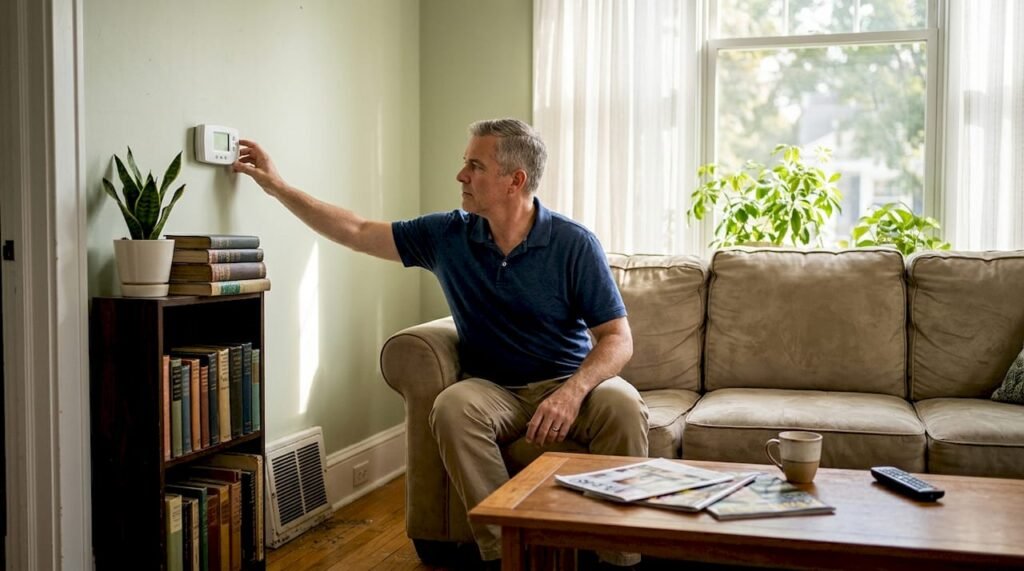
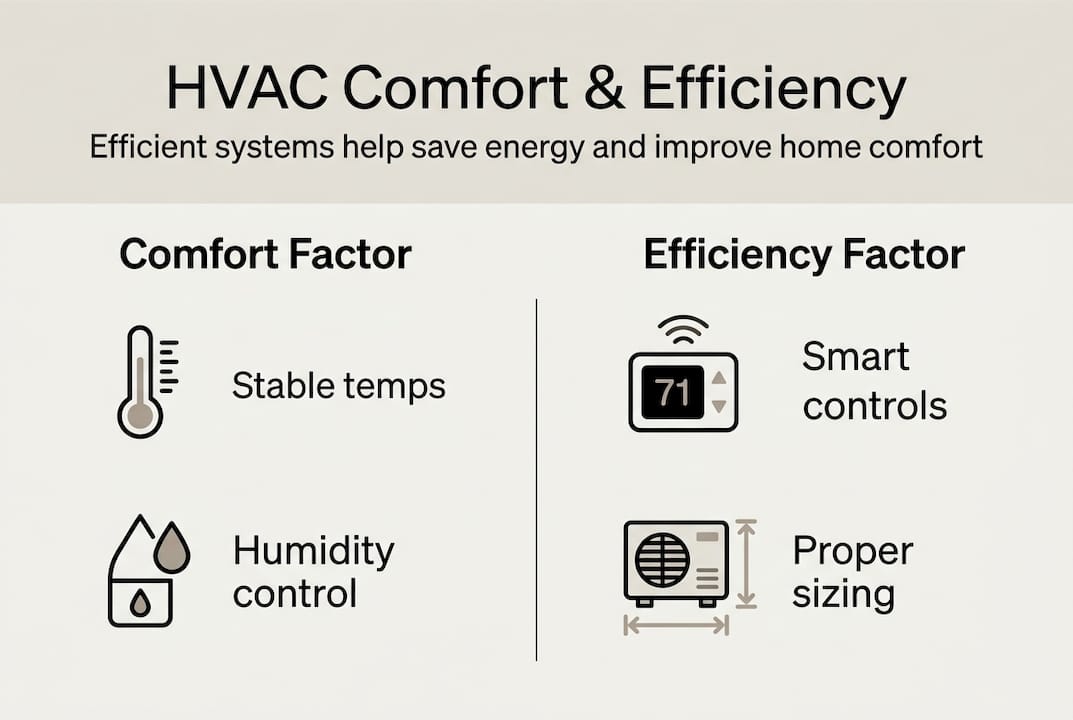
Your thermostat setting is just one small piece of the home comfort puzzle. True comfort depends on temperature, yes, but also humidity levels, air circulation, and the quality of the air you breathe every day. HVAC systems regulate temperature, humidity, ventilation, and air quality to maintain indoor comfort through heating, cooling, and air circulation. If your home feels stuffy, clammy, or unevenly heated, your HVAC system may be working hard without actually delivering the comfort you deserve. This guide will show you how to get more from your system, lower your energy bills, and make your home genuinely comfortable year-round.
Table of Contents
- What does HVAC do for your home’s comfort?
- The science behind HVAC: How comfort is engineered
- Common obstacles that sabotage home comfort
- Boosting comfort and efficiency: Maintenance and smart upgrades
- Get expert help for ultimate home comfort in Kansas City
- Frequently asked questions
Explore Our Complete HVAC Comfort & Efficiency Guide
| Point | Details |
|---|---|
| Multiple comfort factors | True home comfort requires precise control of temperature, humidity, ventilation, and air quality, not just a set thermostat. |
| Efficiency gaps exist | Even modern HVAC systems can underperform without proper sizing and maintenance, leading to wasted energy. |
| Consistent maintenance pays off | Regular filter changes and tune-ups can boost HVAC efficiency by up to 15% and extend system life for decades. |
| Smart upgrades deliver value | Investing in smart controls and strategic upgrades makes homes more comfortable and can lower utility bills. |
What does HVAC do for your home’s comfort?
HVAC stands for Heating, Ventilation, and Air Conditioning. It is the system responsible for keeping your home livable no matter what the weather does outside. Most homeowners think of it as a heating and cooling machine, but what HVAC systems do goes much further than that.
According to research on role of HVAC in homes, HVAC systems regulate temperature, humidity, ventilation, and air quality as a connected set of functions, not separate ones. When any one of these functions slips, your whole sense of comfort suffers. Here is what each function actually does for you:
- Temperature control: Keeps your living spaces within a comfortable range regardless of outdoor extremes.
- Humidity management: Removes excess moisture in summer and adds it back in dry winter months, preventing that sticky or scratchy feeling.
- Ventilation: Brings in fresh outdoor air and exhausts stale indoor air, reducing odors and carbon dioxide buildup.
- Air quality: Filters out dust, pollen, pet dander, and other particles that trigger allergies and irritate your lungs.
Kansas City homeowners face a real challenge here. Summers are hot and humid, often pushing heat indexes above 100°F, while winters can drop well below freezing. Your HVAC system has to perform at both extremes, and a system that handles one season poorly will make your home miserable.
“A well-designed HVAC system does not just change the temperature. It creates a healthy, stable indoor environment that protects your family and your home structure.”
The science behind HVAC: How comfort is engineered
Understanding how your HVAC system actually works helps you make smarter decisions about upgrades and maintenance. The core principle is simple: heat moves from warm areas to cool ones, and your HVAC system either speeds that process up or slows it down depending on the season.
In summer, your air conditioner pulls heat out of your indoor air and dumps it outside. In winter, your furnace or heat pump does the reverse, adding heat to your indoor air. The efficiency of this process is measured in ratings like SEER (Seasonal Energy Efficiency Ratio) for cooling and AFUE (Annual Fuel Utilization Efficiency) for heating. Higher numbers mean less energy wasted.
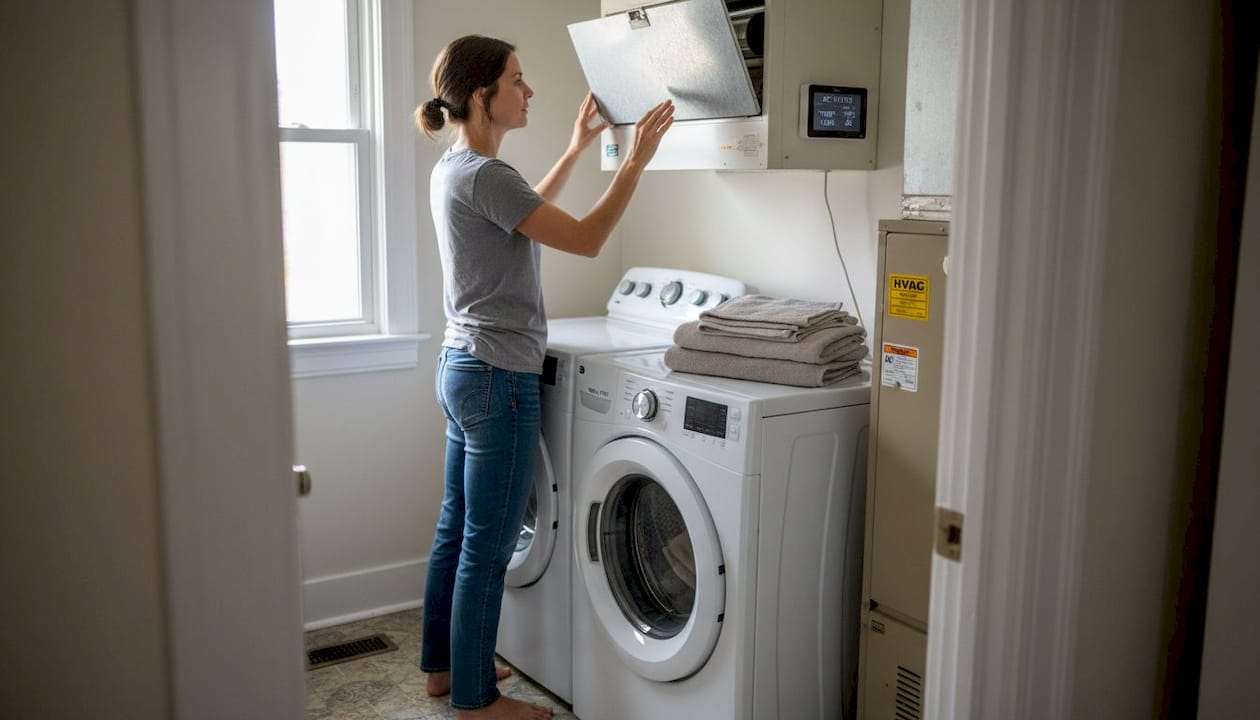
Here is where it gets interesting. HVAC accounts for 30-40% of building energy use, and efficient systems with smart controls can cut that consumption by 17 to 26%. Heat pumps in real-world testing show strong performance, but 17% of air-source units still underperform published standards. That gap between lab ratings and real-world results is why proper installation and sizing matter so much.
| Upgrade type | Potential energy savings | Comfort impact |
|---|---|---|
| High-efficiency furnace | 15-20% | More even heat distribution |
| Smart thermostat | 10-15% | Better temperature consistency |
| Heat pump system | Up to 26% | Year-round heating and cooling |
| Duct sealing | 10-20% | Eliminates hot and cold spots |
| Variable-speed air handler | 10-15% | Quieter, more consistent airflow |
System sizing is one of the most overlooked factors. An oversized unit cools or heats too fast, cycling on and off before it can properly dehumidify or distribute air evenly. An undersized unit runs constantly and still cannot keep up on the hottest or coldest days. Neither scenario is comfortable, and both waste energy.
For installing HVAC for comfort, proper load calculations before installation are non-negotiable. Kansas City’s climate swings demand a system sized for your specific home, not a generic estimate.
Pro Tip: After any new installation or major upgrade, ask your contractor to run a post-install performance check. This confirms the system is delivering the airflow and temperatures it was designed for, not just that it turns on.
For a deeper look at heat pump efficiency and how real-world performance compares to manufacturer claims, it is worth reviewing before you invest in a new system.
Common obstacles that sabotage home comfort
Even a well-sized, properly installed system can fail to deliver comfort if hidden problems are working against it. These issues are frustratingly common, and many homeowners never connect the symptom to the real cause.
Edge cases include airflow imbalances, high humidity causing clamminess despite a correct thermostat reading, poor return air paths creating pressure issues, and duct leaks that reduce how much conditioned air actually reaches your rooms. Your system can be running perfectly and still leave you uncomfortable.
Here are the subtle signs of HVAC issues that most homeowners miss:
- One room is always warmer or cooler than the rest of the house.
- The air feels humid and heavy even when the AC is running.
- You notice more dust than usual on furniture and surfaces.
- Your energy bills creep up without any change in usage habits.
- The system runs longer cycles but the house never quite reaches the set temperature.
- You hear unusual sounds like banging, rattling, or whistling from vents.
“Duct leaks are one of the most underestimated comfort killers. A system can lose 20 to 30 percent of its conditioned air before it ever reaches the living space, and the homeowner has no idea why their bills are high and their rooms are uneven.”
Here is a side-by-side look at common problems and their solutions:
| Problem | What you notice | Solution |
|---|---|---|
| Duct leaks | Uneven temps, high bills | Professional duct sealing |
| Airflow imbalance | Hot or cold spots | Damper adjustment or duct redesign |
| Oversized equipment | Short cycles, humidity issues | Load calculation and right-sizing |
| Clogged filter | Weak airflow, dusty air | Replace filter every 1-3 months |
| Blocked return vents | Pressure buildup, noise | Clear furniture away from vents |
Kansas City homes, especially older ones, often have duct systems that were designed decades ago and were never updated for modern equipment. Leaky or undersized ducts are a silent comfort drain. Scheduling duct cleaning for cleaner air is a smart first step, but sealing and balancing the duct system is what truly fixes delivery problems.
Boosting comfort and efficiency: Maintenance and smart upgrades
The good news is that most comfort problems are preventable. Regular maintenance is the single most cost-effective thing you can do to protect your investment and keep your home comfortable every season.
Regular maintenance like filter changes every 1 to 3 months, cleaning coils and vents, and annual tune-ups costing $150 to $300 improves efficiency by 10 to 15%, extends system lifespan to 12 to 25 years, and prevents unexpected breakdowns. That is a strong return on a modest investment.
Here is what a solid maintenance routine looks like for Kansas City homeowners:
- Change air filters every 1 to 3 months. Dirty filters choke airflow and force your system to work harder.
- Schedule a professional tune-up before summer and before winter. Kansas City’s extreme seasons mean your system needs to be ready for both.
- Clean evaporator and condenser coils annually. Dirty coils reduce heat transfer efficiency and drive up energy use.
- Check and clear condensate drain lines. A clogged drain can cause water damage and humidity problems inside your home.
- Inspect and seal duct connections. Even small gaps add up to significant energy loss over a season.
- Test thermostat calibration. A thermostat reading even a few degrees off throws off your whole comfort baseline.
For a full breakdown, the Kansas City maintenance checklist covers everything specific to local climate demands. And if you want to understand the full value of a professional service visit, reviewing the annual tune-up benefits is a great starting point.
Smart upgrades can multiply the results of good maintenance. Pairing a high-efficiency filter or UV air purifier with a smart thermostat gives you cleaner air and better temperature control without a full system replacement. If your equipment is over 15 years old, exploring heat pump upgrade options could cut your energy costs significantly while improving year-round comfort.
Pro Tip: When pairing upgrades, start with the thermostat. A smart thermostat gives you data on your system’s run times and energy use, which helps you and your technician identify the next best upgrade to make.
For ongoing HVAC maintenance for comfort, working with a local professional who knows Kansas City’s climate patterns means you get advice tailored to your actual conditions, not generic national averages.
Get expert help for ultimate home comfort in Kansas City
You now have a clear picture of how your HVAC system works, what can go wrong, and what steps deliver real results. Sometimes, though, the right move is calling in a professional who can assess your specific home and give you a plan that fits your budget and comfort goals.

At KC Air Control, we have been helping Kansas City homeowners stay comfortable for over 70 years. Whether you need furnace repair experts before the next cold snap, want to recognize HVAC problems before they become expensive failures, or are ready to schedule an HVAC tune-up to get ahead of the season, our team is ready to help. We offer straightforward advice, honest pricing, and service that actually solves the problem. Reach out today and let us put your comfort first.
Frequently asked questions
How does HVAC improve indoor air quality?
HVAC systems filter, circulate, and condition air to reduce dust, allergens, and humidity, making living spaces healthier and more comfortable. HVAC systems regulate temperature, humidity, ventilation, and air quality as interconnected functions that together protect your indoor environment.
How often should homeowner HVAC maintenance be scheduled?
Filters should be changed every 1 to 3 months, with professional tune-ups at least once a year. For Kansas City homes facing both hot summers and cold winters, twice-yearly tune-ups are the smarter approach.
What are signs my HVAC system isn’t working efficiently?
Common symptoms include uneven temperatures between rooms, excess humidity, rising energy bills, and weak airflow from vents. Airflow imbalances and duct leaks are frequent culprits even when the system appears to be running normally.
Are smart thermostats worth it for comfort and efficiency?
Smart thermostats boost comfort and can save energy by better matching HVAC output to your daily routine and occupancy patterns. Efficient systems and controls can reduce energy consumption by 17 to 26%, making a smart thermostat one of the highest-return upgrades available.
Recommended
- What Is HVAC and Why Home Comfort Depends on It – Air Control
- HVAC tune-up: boost efficiency and lower costs in 2026 – KC Air Control – Heating & Cooling
- How to Install HVAC System for Home Comfort – Air Control
- HVAC Maintenance: Boosting Home Comfort and Savings – Air Control
- Heat pump vs furnace: efficient home heating guide | CoolFix Appliance & HVAC Service
Pingback: HVAC strategies to optimize indoor comfort in KC homes - KC Air Control - Heating & Cooling
Pingback: Understand HVAC Systems: Boost Home Comfort and Efficiency